Latest News
Positive stories from around the world · Good news by country
Showing 33841–33864 of 37371 articles

From lockdown to the lab: Researcher develops 'decoy molecule' to slow down coronavirus
While the Netherlands was in coronavirus lockdown, PhD student Koen Rijpkema started researching the same virus. He focused on an enzyme called Mac1, which normally suppresses the immune system by removing alarm signals. His solution was to create decoy molecules that look like those signals but bind even more strongly. This keeps Mac1 busy with the decoys, allowing the real immune system to detect and fight the infection.
Gut microbes reveal a surprising tie to cortisol spikes during acute stress
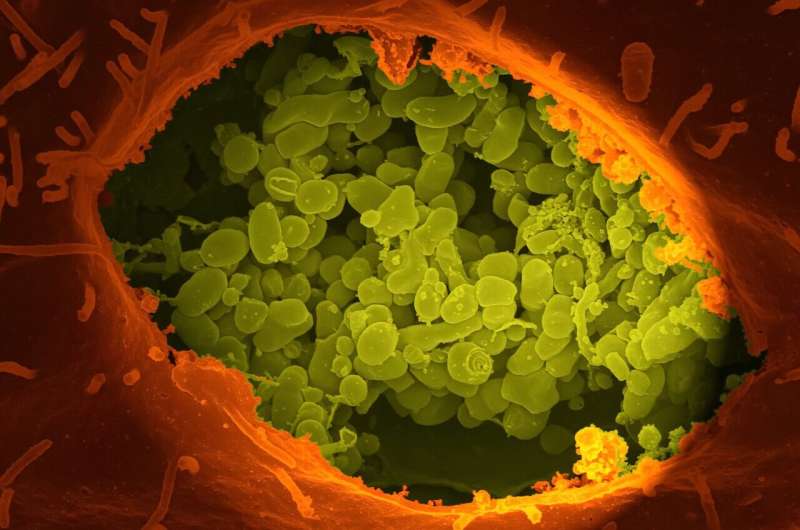
Gut bacteria diversity appears linked to stronger stress responses, a University of Vienna study found. Researchers discovered that people with more varied gut microbes showed heightened cortisol reactivity during stress tests. The study in Neurobiology of Stress examined healthy adults and suggests gut microbes may help regulate how bodies respond to stress. This opens potential for new wellness strategies targeting the gut-brain connection.
Three UW–Madison students awarded prestigious 2026 Goldwater Scholarships – UW–Madison News
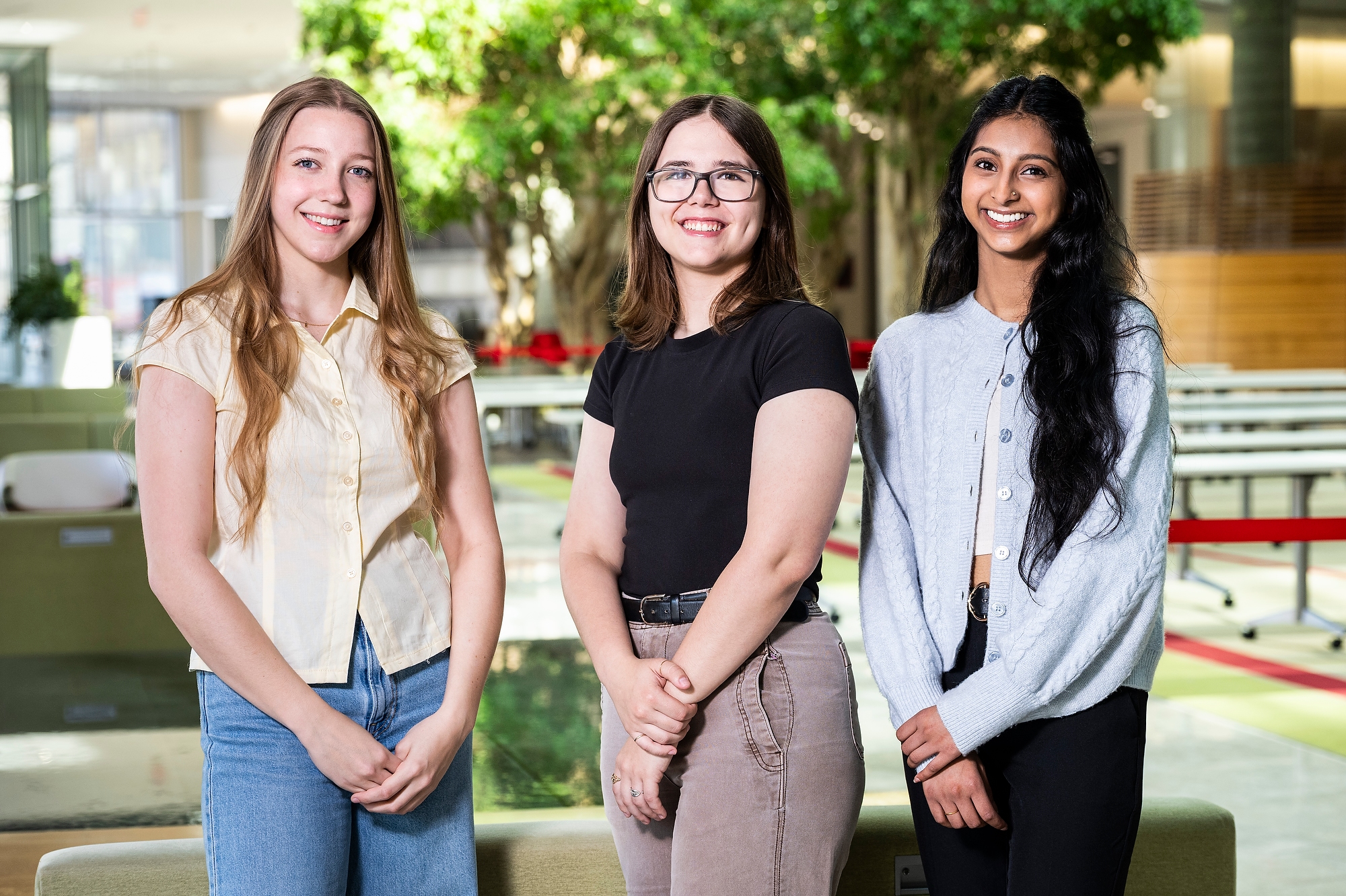
Three University of Wisconsin–Madison juniors earned 2026 Goldwater Scholarships, the nation's premier award for undergraduates in math, engineering and natural sciences. Aletta Bergman, Krithi Gopinath and Eva Stafne were among just 454 scholars selected nationally from 1,485 students nominated by universities. Each scholarship provides up to $7,500 per year for two years of undergraduate study. This year also marks the 40th anniversary of the scholarship, established by Congress in 1986.

Weighing in on the mystery of the gravitational constant
Scientists at NIST in Maryland spent 10 years trying to measure "big G," the fundamental constant that tells us how strong gravity is everywhere in the universe. To avoid accidentally skewing their results, physicist Stephan Schlamminger blinded his data by having colleague Patrick Abbott add a secret number to the mass weights. The experiment replicated a 2007 French study to help resolve why measurements of big G vary by about one part in 10,000.

How a new technique will help us mine rare-earth metals with plants
Scientists at North Carolina State University developed a new way to detect and measure rare-earth metals inside plants without killing them. The method uses fluorescence spectroscopy to find dysprosium in plant tissue. This breakthrough could make "plant mining" more efficient — growing plants that absorb metals from polluted soils, then harvesting the plants for their valuable contents. Dysprosium is used in cell phones, wind turbines, and electric vehicle motors, and the U.S.
Why 'sensational' Palace & Conference League are good fit
Crystal Palace have reached the Conference League semi-finals in their debut in the competition. The Eagles beat Fiorentina 3-0 at home before a 2-1 loss away, progressing 3-2 on aggregate. Their manager called the run 'sensational' given the club's FA Cup triumph just a year ago. Striker Ismaila Sarr has scored seven goals in the competition this season, with fans celebrating both at home and in Italy.

The subtle science behind safer brain implants
Researchers at the Netherlands Institute for Neuroscience have published a study challenging how brain implants are designed. The team compared stiff silicon electrodes with softer polyimide probes to see which causes less harmful scarring. They found that flexible implants are indeed gentler on brain tissue, but still trigger some reaction. Led by Corinne Orlemann, Roxana Kooijmans, and Pieter Roelfsema, this work helps scientists design safer implants for restoring vision.

Can we trust the science shaping our lives?
Researchers at the University of Ottawa have published findings showing that most social science studies can be verified through reproduction. Brodeur's team reviewed 110 papers and found 85% were computationally reproducible. The study compared favorably to the earlier SCORE project, which could not replicate half of the papers it tested. The researchers hope their work will boost public trust in science by demonstrating transparency and self-correction in research methods.

Novel technique drills more detail into ice core records
The research team examined over 2 million particles from ice cores taken at Taylor Glacier in coastal East Antarctica. Using a new mass spectrometry method, they discovered major shifts in dust concentrations were linked to large-scale environmental changes in the southern hemisphere. This new technique can identify thousands of distinct particles while requiring only a tiny amount of water, making it a powerful new tool for environmental science.

Quantum bottleneck breaks wide open as one light beam carries 23 secure channels at the same time
Scientists at Bar-Ilan University in Israel have broken through a major barrier in quantum computing. They demonstrated that 23 quantum communication channels can work at the same time through one beam of light, instead of just one. This is a huge step because quantum systems have been limited to operating one channel at a time for years. The method uses a special detection technique that can measure many frequencies at once, opening the door to quantum networks that could eventually handle thousands of parallel channels.

30th annual Celebration of Student Scholarship held at NMU
Northern Michigan University celebrated its 30th annual student scholarship event in Marquette, Michigan, showcasing diverse student research and creative work. Freshman Gavin Gretzinger presented five years of mammal population camera data from Snapshot USA through the Freshman Fellows program, planning to pursue a master's and career in fisheries biology. : : : Senior biology major Mady Toby explored hemp-derived endophytes as a sustainable pesticide alternative against white and gray mold, with applications for commercial agriculture.

Landmark US Magnuson-Stevens fisheries law turns 50 amid budget cut concerns
The Magnuson-Stevens Act turned 50 in April 2026. Before this landmark law, US fisheries were a "free-for-all" with both American and foreign vessels racing to catch as many fish as possible, pushing many species to the brink of collapse. The act extended US jurisdiction to 370 km from shore and established regional councils to manage fish populations based on science. Since 2000, at least 50 fish stocks have been rebuilt, including Atlantic sea scallops, North Atlantic swordfish, and Pacific bluefin tuna.
Champions League in the Championship? Forest's juggling act goes on
Nottingham Forest secured their place in the Europa League semi-finals with a 1-0 win over Porto, marking their first European last-four appearance since 1983. The club has invested heavily with around £180m on new players this season, yet finds itself juggling European ambitions against the real threat of Premier League relegation.

New laser method gives insight into radioactive atomic nuclei
Scientists at the University of Gothenburg have developed a new laser method that lets them study radioactive atoms in just seconds. The technique uses a special pulsed laser to reveal the size and shape of atomic nuclei. By studying neptunium and fermium, they found these nuclei are shaped like rugby balls. This breakthrough could help improve cancer treatments and reduce nuclear waste in the future.

Menstrual cycle reshapes nearly 200 blood proteins, offering a broader view of women's health
Researchers at Aarhus University in Denmark have, for the first time, demonstrated that the menstrual cycle affects a wide range of proteins in the female body. The study identified nearly 200 proteins that change systematically throughout the cycle. . This is the first large-scale mapping of protein variation in the blood across the menstrual cycle. Previous studies have typically been small or focused on individual hormones. The researchers studied 63 women across 4 full cycle phases.

Gene discovery opens new path for disease-resistant rice breeding
Rice bacterial blight (BB) is a serious plant disease affecting rice crops in warm, humid regions. Chinese researchers found that current disease-resistance methods often reduce crop yield. Their new study in Nature identifies a gene called Xa48 that makes rice resistant to BB without hurting yields. Researchers screened over 100 rice varieties and identified this gene in the indica rice type. They showed that Xa48 works by recognizing the disease-causing protein and triggering the plant immune system.

Soaking in a Hot Tub Bestows Surprising Health Benefits, Even More Than Saunas, New Study Says
Scientists at the University of Oregon studied 20 young adults to compare three types of heat therapy: hot tub soaks, dry heat saunas, and far-infrared saunas. They measured blood pressure, heart rate, immune responses, and inflammation before and after each session. Hot water immersion created the biggest boost in core body temperature, which drives the body's beneficial responses. The researchers found that water blocks the body's ability to cool down, making heat therapy more effective.
New research challenges 4-decades old obesity theory as to why and how body composition varies in young children
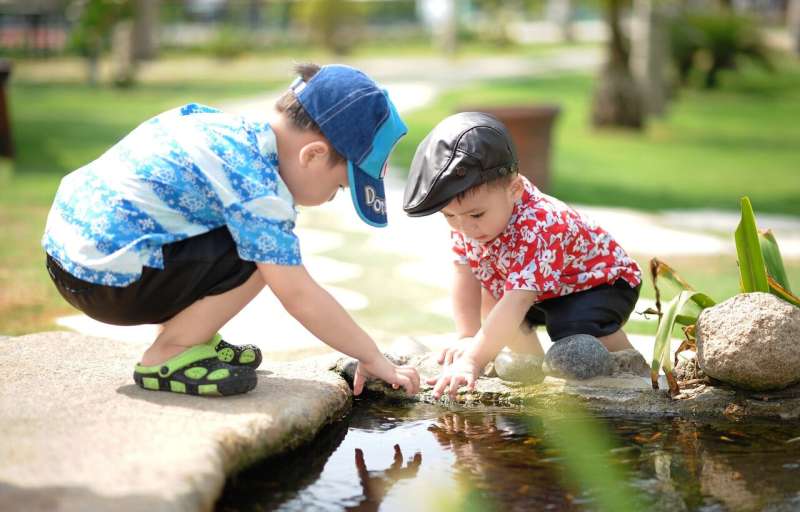
Researchers in Kuopio, Finland have overturned a 42-year-old medical theory about children's growth. The old idea, called "adiposity rebound," claimed children's BMI drops because they lose body fat after infancy, then rises again around age 6. But new analysis shows the BMI rise comes from increasing muscle mass, not fat loss. Professor Andrew Agbaje says this means the earlier warnings about early "rebound" leading to adult obesity were misleading.

Monumental ship burial beneath ancient Norwegian mound predates the Viking Age
A Norwegian research team discovered a 1,300-year-old ship burial under Herlaugshaugen mound on Leka island. Using small trenches and metal detectors, they retrieved 29 iron rivets that once held the vessel together. Radiocarbon dating placed the burial around AD 700, roughly 100 years before the Viking Age began. The find challenges the idea that monumental ship burials started in Norway around AD 800, suggesting the practice was already established earlier.

Automated AI system flags qubit drift and instability, speeding quantum calibration
UK scientists at NPL in Teddington have developed an AI tool that may end up saving quantum computing. The device uses a vision-language AI model to automatically flag when qubits—tiny quantum computing parts—start to drift or become unstable. Qubits need regular checking because they decay from their excited state, traditionally done manually by experts.

High-precision human immune aging clock identifies RUNX1 as key target for T cell senescence
Scientists in China built an immune aging clock that can measure how fast someone's immune system is aging by analyzing blood cells. The team studied 1.2 million cells from 230 healthy people aged 0 to 60 years old. They identified 24 types of immune cells and found that T cells are the best indicators of immune age. Most importantly, they discovered that a gene called RUNX1 can slow down T cell aging, which could one day help people live healthier as they get older.
Understanding community effects of Asian immigrants’ US housing purchases
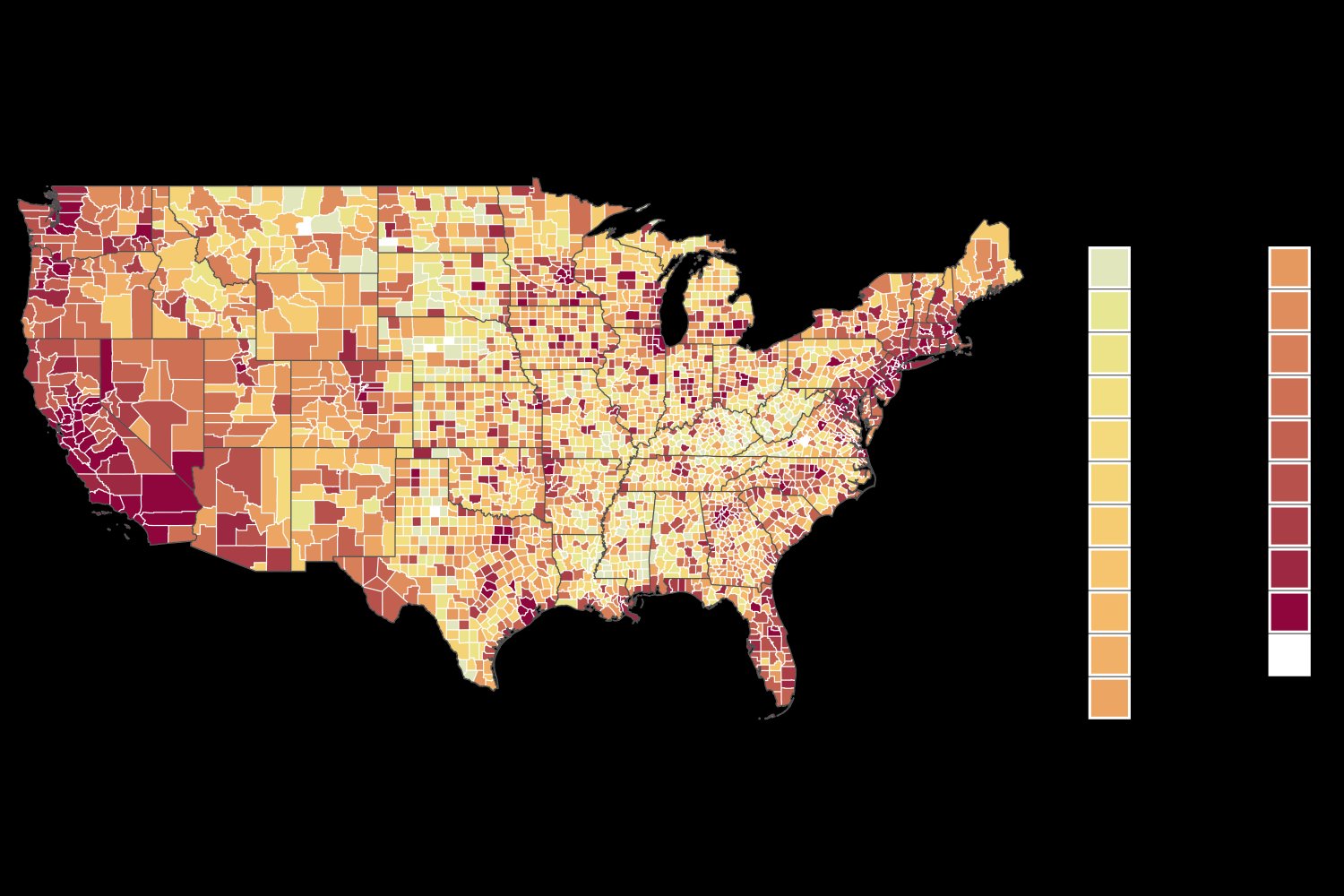
A new study by economists at MIT and the University of Cincinnati examined how Asian immigrants affect communities when they buy homes in US counties. The researchers focused on the 2008 to 2019 period and immigrants from six Asian countries who arrived on work or student visas. They found that when Asian immigrants with school-age children move in, local schools improve — and this education boost explains 30 to 40 percent of the rise in home values.
St Helens go top after comeback win at Hull FC
St Helens climbed to the top of Super League with a 24-14 comeback win at Hull FC. Trailing 14-6 at half-time, Saints turned the game around with tries from Noah Stephens, Kyle Feldt and Harry Robertson. The match took place at the MKM Stadium in Hull, England. Hull FC head coach John Cartwright is being replaced at the end of the season, with the team suffering their 6th league defeat.

Confirming altermagnetism in an abundant mineral
Researchers at Oak Ridge National Laboratory discovered that hematite (rust) shows clear altermagnetic properties. This common mineral is abundant, chemically stable, non-toxic, and works at room temperature. Unlike other altermagnetic materials that must be synthesized, hematite occurs naturally in great quantities. The discovery opens a new platform for engineers to design high-speed, low-power quantum electronics using inexpensive, widely available materials.