Latest News
Positive stories from around the world · Good news by country
Showing 34249–34272 of 37370 articles

Community garden project in Baddeck moving forward
A community garden project in Baddeck, Nova Scotia received council approval on March 23. Resident Solana Courtemanche proposed the project to bring children and seniors together through gardening. The initiative aims to teach kids about planting and growing food while creating connections between generations. Volunteers will prepare the land near the courthouse, and the community will celebrate their work with a harvest soup festival in the fall.
Two fans get first banning orders for tailgating
Two men have become the first in England convicted under a new tailgating law at the Carabao Cup final. The law, which came into effect on 22 March, created specific criminal penalties for unauthorized entry to football matches. Both men received three-year football banning orders, with fines of £471 and £1,862. Police say the new legislation is already having a real impact on crowd safety.
Kent County teen service group seeks applications - School News Network | A Window into Your Public Schools
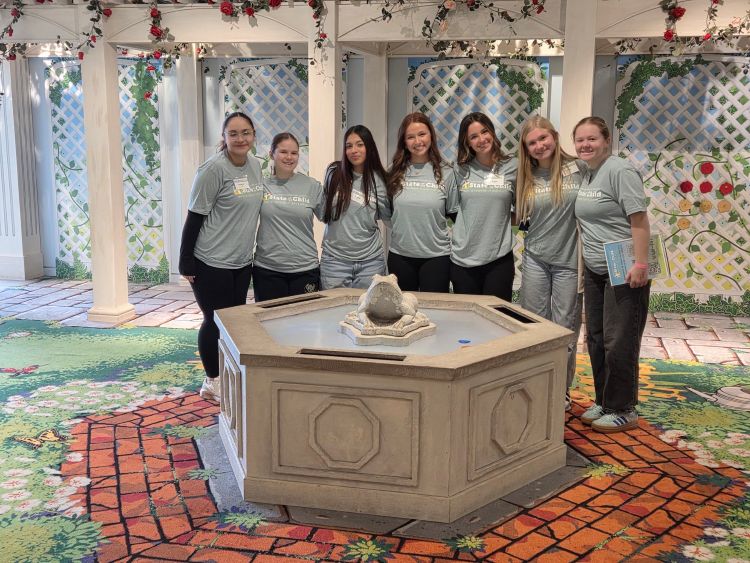
Wedgwood Christian Services' TeenCHARGE program is inviting Kent County teens to join its advisory board. The program, now in its sixth year, helps students aged 13-18 build leadership and teamwork skills while planning service projects. One major project is Wedgwood's annual State of the Child conference, where students help lead discussions on youth mental health. Upcoming volunteer opportunities include cleaning a food pantry garden and helping at a zoo 5K. Students can volunteer in projects without joining the advisory board.

First physical evidence of Peruvian Hairless Dogs at Wari site uncovered in Peru
Researchers discovered the first physical evidence of Peruvian Hairless Dogs at Castillo de Huarmey, a key site of the Wari Empire in Peru. By analyzing 341 dog bones using advanced techniques, they identified at least 20 individual dogs, including three likely hairless dogs. These dogs showed signs of special treatment, including burial with humans, suggesting they had spiritual importance. The study reveals new insights into how ancient Peruvians valued these unique dogs beyond their practical uses.

Scientists develop 'light switch' for the love hormone
Researchers at the University of Queensland have developed a molecular "light switch" that can control when and where the hormone oxytocin is released in the brain. By shining a specific wavelength of light on targeted brain cells, scientists can now observe oxytocin's effects in real time at the level of individual connections between neurons. The breakthrough addresses a long-standing challenge: previous methods risked affecting surrounding brain regions.
A crushed fossil revealed a dinosaur that shouldn’t have existed
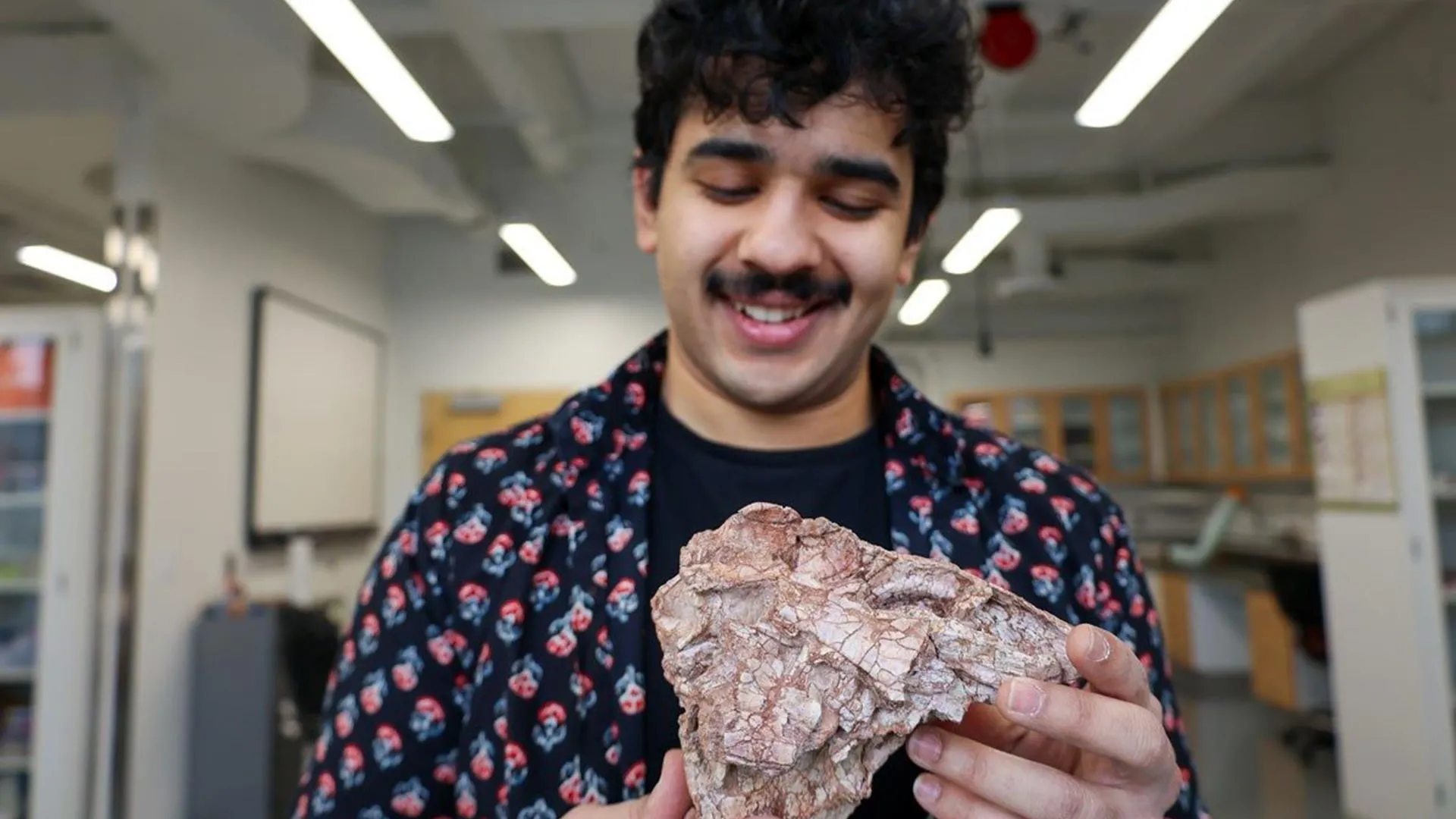
A Virginia Tech student named Simba Srivastava spent two years reconstructing a badly damaged dinosaur skull originally discovered in 1982 at Ghost Ranch, New Mexico. Using 3D scanning and printing, he revealed a completely new species: Ptychotherates bucculentus, meaning "folded hunter with full cheeks" in Latin. This carnivorous dinosaur lived over 200 million years ago, near the end of the Triassic period.
This 31-foot “terror croc” ate dinosaurs. Now it’s back
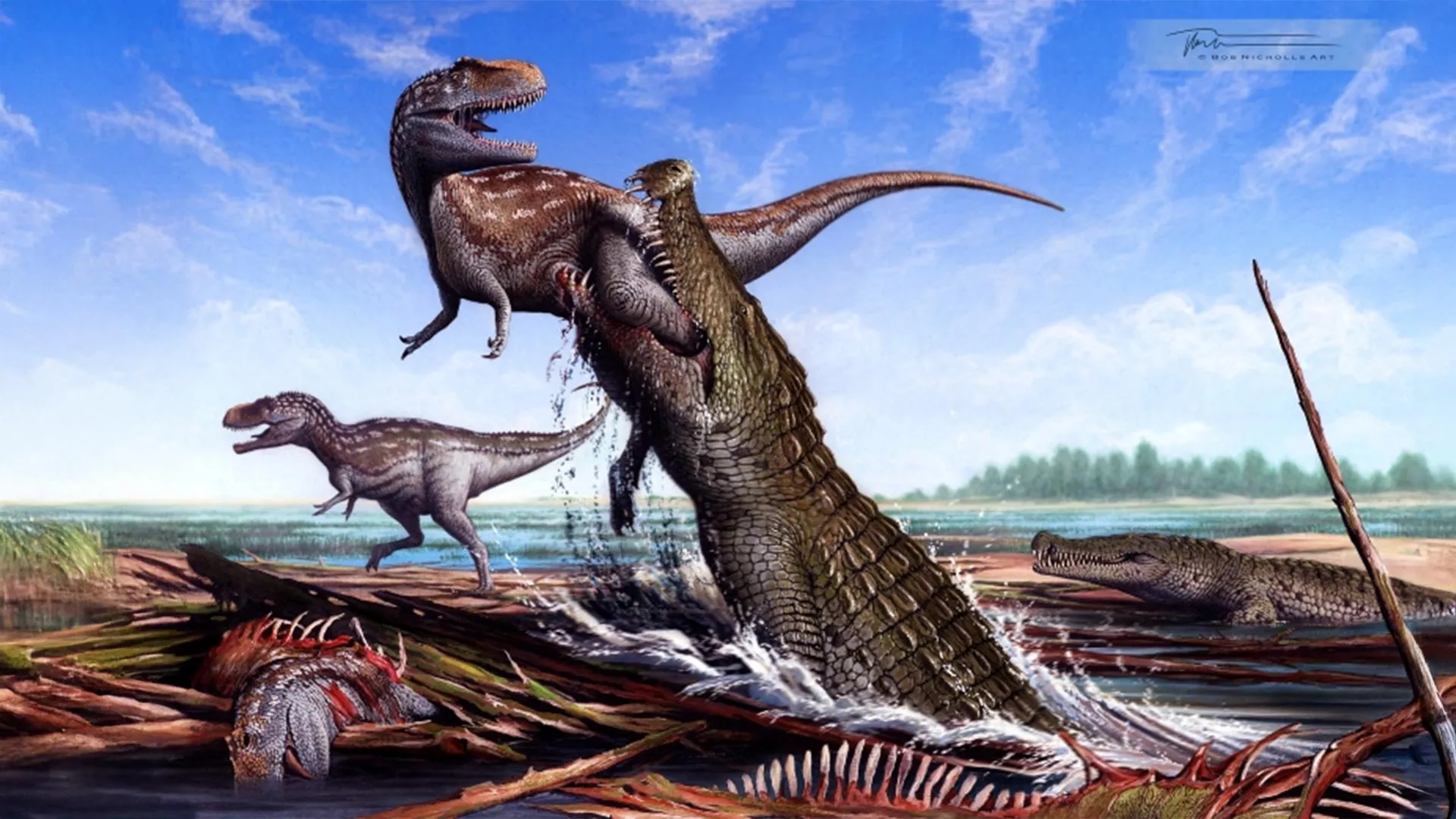
A giant prehistoric crocodile that once hunted dinosaurs is now on display at the Tellus Science Museum in Cartersville, Georgia. The 31-foot Deinosuchus schwimmeri ruled the southeastern U.S. between 83 and 76 million years ago. This is the only scientifically accurate full skeleton replica of this ancient predator anywhere in the world. The exhibit helps students learn about how ecosystems in their region changed over time during the Cretaceous Period.

Nature might have a universal rhythm
Researchers at Northwestern University found that animal communication signals across many species tend to repeat at the same tempo - about 2 hertz, or two beats per second. This rhythm appears in flashing fireflies, chirping crickets, croaking frogs, and more. The scientists believe this tempo may be a biological constraint. Animal brains, including human brains, may be naturally tuned to process signals arriving at that pace. The researchers propose this creates an efficient 'sweet spot' for communication across all species.

Blood-based DNA signals may help track osteosarcoma in children
Osteosarcoma is a rare but aggressive bone cancer most common in children and teens. About 400 young patients are diagnosed with it in the United States each year. Current monitoring requires imaging scans that involve radiation and may miss small tumors. Researchers discovered that epigenetic signals in blood fragments can reveal whether the cancer is growing or returning. This could lead to a blood test that tracks the disease without radiation exposure.

Study confirms that guessing before learning improves memory in language learning
A new study from Singapore confirms what many language apps already do: make learners guess before teaching. Researchers at the National University of Singapore tested 341 adults learning Spanish vocabulary. Those who guessed word-picture matches first and received immediate feedback remembered significantly more than those who simply studied the correct answers. The "pretesting effect" works because trying to recall something before knowing the answer makes the brain engage more deeply with the material.

SEALSQ Quantum Fund Portfolio Company EeroQ Demonstrates Breakthrough in Autonomous Quantum Computing Labs Using NVIDIA Ising | MarketScreener
EeroQ, a portfolio company of SEALSQ's Quantum Fund, has created a quantum laboratory that runs itself using artificial intelligence. The system connects NVIDIA's Ising AI models to EeroQ's quantum processor, allowing AI to run experiments, adjust settings in real time, and analyze results automatically. The demonstration successfully executed advanced quantum protocols including electron manipulation and detection. This milestone shows how AI can move from helping researchers to actively driving scientific discovery in quantum physics.
Cranberry bog data project shows how to turn the farms into wetlands | AP News
Glorianna Davenport and her husband sold their family's cranberry farms for restoration, creating the Tidmarsh Wildlife Sanctuary — the single largest freshwater restoration project in Massachusetts. Researchers installed cameras and sensors to document how the land is recovering its natural wildlife and biodiversity. Scientists have published peer-reviewed studies about the transformation. The lessons from Tidmarsh helped Massachusetts launch a statewide program connecting farmers with nonprofits to restore more cranberry bogs.
‘Cloud Jaguar’ Sighting Is First in a Decade Caught on a Trail Cam in Honduras
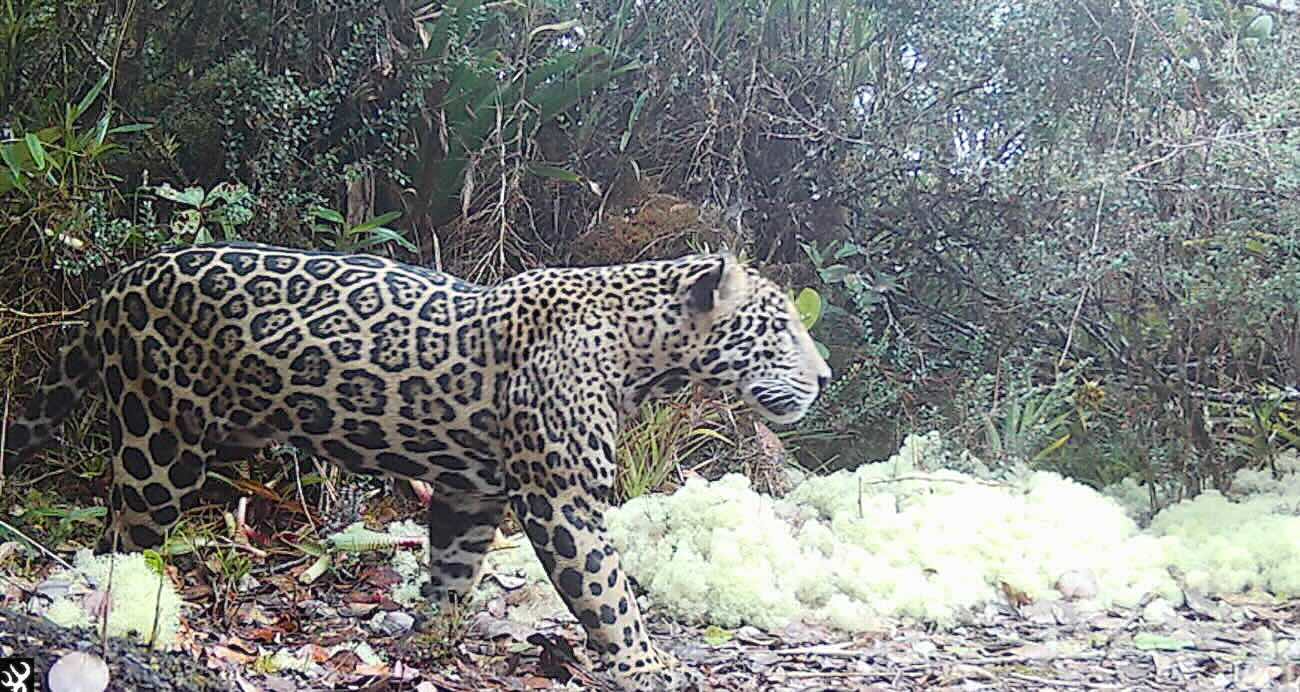
A jaguar was photographed in Honduras' Sierra del Merendón mountains for the first time in 10 years, giving conservationists reason to celebrate. The 'cloud jaguar' was spotted at over 6,000 feet elevation — the highest ever recorded in Honduras. Anti-poaching patrols, prey reintroductions, and conservation technology have helped bring jaguars back to this area despite Honduras having one of Latin America's highest deforestation rates.
How a retired cranberry bog helped change the game for wetland restoration | Associated Press National | nvdaily.com
Tidmarsh, a retired cranberry farm in Massachusetts, proved that old bogs could become thriving wetlands again. That success inspired the state to create the Cranberry Bog Restoration Program, which helps farmers transition their land. The program has since funded nine restoration projects, bringing back about 500 acres of wetland habitat and reconnecting 10 miles of streams that fish and wildlife can use once more.
How a retired cranberry bog helped change the game for wetland restoration | Associated Press | bozemandailychronicle.com
In Plymouth, Massachusetts, conservation workers transformed an old cranberry bog into a thriving wetland sanctuary. Mass Audubon led the restoration of the Tidmarsh Wildlife Sanctuary. Today, native sphagnum moss grows there and streams flow freely again. The project has become a model for restoring damaged wetlands across the country.
Higgins and McGann on TikToks, friendship and Six Nations
Eve Higgins and Anna McGann, two Irish women's rugby stars, discuss their deep friendship that began at a sevens camp in Dublin when they were 16. McGann credits Higgins and teammates with helping her overcome shyness and become more confident. Both players made the jump from sevens rugby (an Olympic pathway for women's players) to 15s, with Higgins noting that sevens was the only semi-professional option available at the time. Ireland recently opened their Six Nations campaign with a loss to England in front of a record crowd of 77,120 fans.

The surprising reason you’re so productive one day and not the next
Researchers at the University of Toronto Scarborough tracked university students for 12 weeks to understand why some days feel more productive than others. They found that feeling mentally sharp—clear, focused, and efficient—directly boosted goal completion. On sharper-than-average days, people accomplished the equivalent of 40 extra working minutes. The gap between someone's best and worst days could total about 80 minutes.

New technique maps cancer drug uptake inside living cells
Researchers at the University of Surrey and King's College London have created a new method to watch cancer drugs inside living cells. For the first time, scientists can see exactly where a drug travels inside a cell without killing it. The technique uses tiny glass capillary tips to extract material from individual cancer cells, then uses lasers and special detectors to find trace metals from the drug. This could help improve a type of cancer treatment called targeted radionuclide therapy, where radiation is delivered directly to tumor cells.

Australian bee glue delivers a scar-fighting compound that shuts down raised scars before they take hold
Australian researchers from the University of the Sunshine Coast have discovered a promising scar-fighting compound in propolis from native stingless bees. The compound, tomentosenol A, blocked scarring signals and caused scar-forming cells to self-destruct during lab tests on human cells. This could help millions of people who develop thick, raised scars after surgery, injuries, or burns. The research team is now planning pre-clinical trials to further test the anti-scarring treatment.

Scientists think alien life might be hiding in patterns
Scientists at the Earth-Life Science Institute in Japan have developed a new strategy for detecting extraterrestrial life. Rather than searching for specific biosignatures on individual planets, their method looks for statistical patterns shared across groups of planets. The approach, called an "agnostic biosignature," relies on two ideas: that life can move between planets and that it gradually changes its environment. Using computer simulations, the team showed these patterns could reveal life even when traditional methods fail.
What do you know about teenagers in F1?
Mercedes driver Kimi Antonelli, aged 19, has made history by becoming the youngest driver to lead the Formula 1 championship. He achieved this after winning successive races in China and Japan. The Italian talent currently leads his teammate George Russell by nine points. This BBC article is a quiz testing readers' knowledge about teenage drivers in F1 history.

JWST spots methane on a giant exoplanet, but its star may be distorting the signal
The James Webb Space Telescope spotted methane in the atmosphere of HATS-75 b, a giant exoplanet located 637 light-years away. The planet orbits a small, cool star called an M-dwarf in just 2.79 days. Scientists from Johns Hopkins University led the research, published on the arXiv pre-print server. However, they caution that mysterious signals from the planet's host star may be tricking their instruments, making the methane detection uncertain.

Bottled lightning makes a cleaner fuel
Scientists at Northwestern University in Illinois have discovered a new way to turn natural gas into methanol using mini lightning bolts. By passing electricity through glass tubes submerged in water, they create plasma bursts that break methane's chemical bonds and convert it directly into methanol in one step. Current industrial methods require heating methane to over 800°C and squeezing gases under extreme pressure to make methanol—a process that emits millions of tons of CO2 yearly.
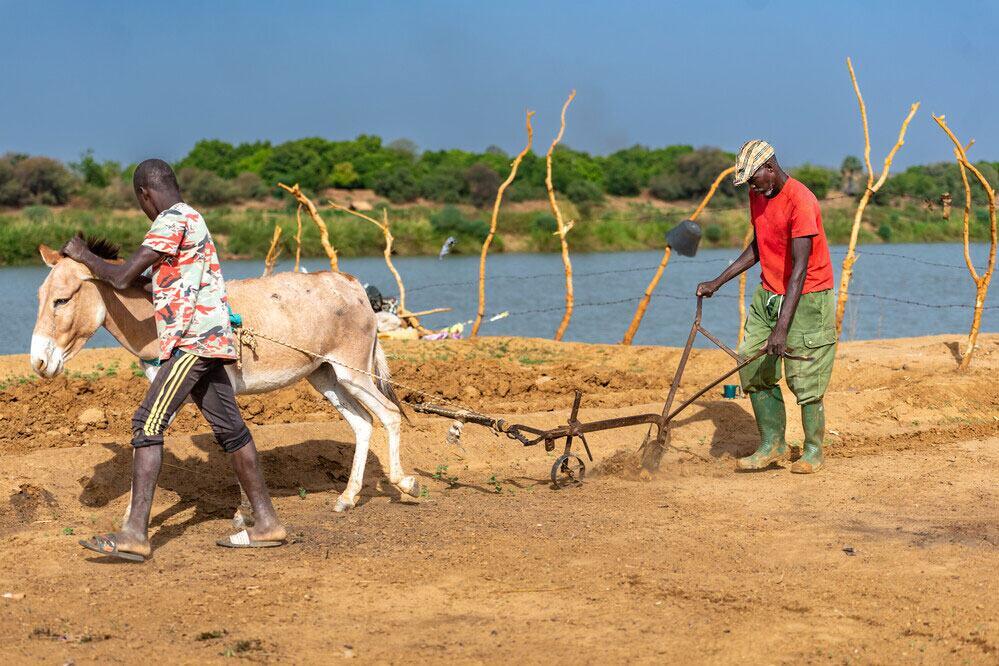
Strength in numbers: Developing countries band together as Iran war batters global economy
Fifty-four developing countries, home to 3.4 billion people, have launched a new Borrowers' Platform to get a fairer deal when negotiating with creditors. The initiative, backed by UN trade agency UNCTAD, was unveiled in Washington DC at the IMF-World Bank Spring Meetings. UN Secretary-General António Guterres called it a breakthrough comparable to long-established creditor groups like the Paris Club.