Latest News
Positive stories from around the world · Good news by country
Showing 34753–34776 of 37367 articles

Visa Joins Forces as Platinum Cosponsor for National Small Business Week 2026
Visa has joined the U.S. Small Business Administration (SBA) as the Platinum Cosponsor for National Small Business Week 2026, running from May 3 to 9. The virtual summit and in-person events in states like Michigan, Pennsylvania, North Carolina, and Georgia are planned. SBA Administrator Kelly Loeffler praised Visa's continued commitment, noting that small businesses drive local economies and community strength.

18-yr-old Australian breaks Usain Bolt’s record - Blueprint Newspapers Limited
Australian sprinting sensation Gout Gout, just 18 years old, has broken Usain Bolt's under-20 200m record by running 19.67 seconds in Sydney. The time beats Bolt's 19.93 seconds recorded in 2004 when the Jamaican legend was also 18. Gout's run marks the first legal sub-20 time of his career and the fastest 200m time in the world this year. Two Australian sprinters finished under 20 seconds in the same race, with Aidan Murphy second at 19.88 seconds.
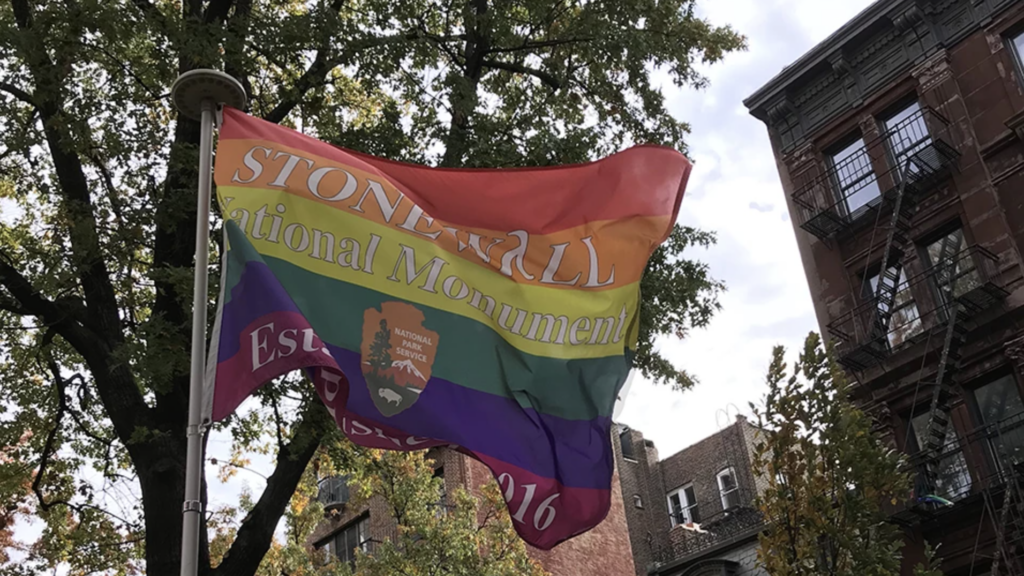
VICTORY: Trump Administration Agrees to Restore Pride Flag at Stonewall National Monument - Lambda Legal
The US government must restore the Pride flag at Stonewall National Monument in New York City. Lambda Legal and Washington Litigation Group sued after the flag was removed in February. The court settlement requires the National Park Service to rehang the flag within seven days and maintain it permanently. The agreement confirms the Pride flag falls within NPS policy and federal law.

From curiosity to conservation: How citizen science is teaching children and adults to see, experience nature
Researchers at the University of Florida Institute of Food and Agricultural Sciences are showing how everyday people are becoming citizen scientists. By using apps like iNaturalist and eBird, anyone with a smartphone can photograph plants and animals, identify species, and contribute observations that help track biodiversity across regions. The program helps people move from passive nature observers to active participants in science.

A tabletop ring of atoms brings the universe's doomsday vacuum collapse into the lab
Physicists at Tsinghua University in Beijing created a ring from Rydberg atoms, whose electrons sit far from their nuclei. They broke the ring's symmetry with lasers to create 'false' and 'true' vacuum states. By watching quantum tunneling happen in real time, they confirmed predictions from quantum field theory. The experiment lets scientists study universe-scale phenomena on a desk-sized setup.

How to spot and help someone in a mental health crisis
The United States has a mental health crisis, but help is available. The 988 suicide and crisis lifeline receives more than 10 million calls, texts and chats each year — and most are from people seeking guidance on how to help someone else. Experts say recognizing warning signs early can save lives. These include feeling overwhelmed, changes in sleep or mood, withdrawing from activities, and talking about being a burden. The 2024 suicide rate fell slightly from one of its highest levels ever recorded.

World Bank’s MIGA Backs $1.65 Billion AMEA Power Pipeline, With Africa Leading First Phase - Ecofin Agency
The World Bank's insurance arm MIGA signed a deal with UAE developer AMEA Power to support over $1.65 billion in renewable energy projects across Africa, the Middle East, and Central Asia. The agreement includes $1.48 billion in guarantees designed to reduce risk for private investors, making it easier to fund clean energy projects in developing nations. The first phase focuses on six African countries — Côte d'Ivoire, Djibouti, Egypt, South Africa, Togo, and Uganda — delivering nearly 2,800 MW of power and 2,700 MWh of battery storage.
Solar Energy News -- ScienceDaily
Researchers have created a new solar breakthrough that could change how we harvest sunlight. The technique uses a "spin-flip" metal complex to capture energy from the sun and multiply it through a process called singlet fission. This method may overcome a long-standing efficiency barrier in solar technology. The advance could lead to more powerful and affordable solar panels in the future.
Senate passes bill renaming community solar program in Hortman’s honor | Local News | hometownsource.com
Minnesota's Senate passed a bill to rename the Community Solar Garden Program after late House Speaker Emerita Melissa Hortman, who helped create it in 2013. The program lets residents and businesses tap into solar energy without putting panels on their own roofs. The bill won strong bipartisan support with a 59-7 Senate vote, following a 133-0 House vote.
NAB reveals the five types of Aussie small business owners
NAB researchers studied micro and nano business owners across Australia. They found five distinct mindsets among small business owners. Many of these owners are not chasing rapid growth. Instead, they value stability and different measures of success. The study challenges the long-held assumption that scaling up is the only path to success.

What neurodivergent people really think about the words used to describe them
Researchers surveyed more than 900 neurodivergent adults in the UK about what words they prefer to describe themselves. Most groups, including autistic and dyslexic people, preferred identity-first language. Terms like "autistic person" were seen as more likable than "person with autism." However, people with Tourette syndrome and those who stutter preferred person-first language. Many participants said words like "disorder" made them feel judged, since difficulties often come from society not being designed for them.

Powerful imaging pulls lost ocean life from 445-million-year-old stone and exposes a hidden extinction record
Scientists in Australia and China used a powerful X-ray machine called a synchrotron to scan ancient rock smaller than a rice grain. They found 20+ microscopic fossils called radiolarians, including one species completely new to science. The fossils preserve hollow imprints left in rock 445 million years ago, before a major mass extinction event. Researchers say this technique could unlock hidden fossil archives worldwide.

The moon just got a new scar
A meteoroid slammed into the Moon in late spring 2024, carving a crater 225 meters wide—roughly the width of two football pitches laid end to end. NASA's Lunar Reconnaissance Orbiter Camera captured before-and-after images, revealing a funnel-shaped crater 43 meters deep with blocks of ejected rock scattered around its rim. This is the first time scientists have meter-scale photos of a crater this size both before and after it formed.

Revolution rises 40% as pancreatic cancer drug doubles survival - BioSpace
A new drug from Revolution Medicines dramatically improved survival for pancreatic cancer patients in a Phase 3 trial. Patients taking daraxonrasib lived an average of 13.2 months compared to just 6.7 months on chemotherapy—nearly double. The company plans to seek FDA approval soon, and experts called the results 'practice-changing' for this deadly disease with only a 13% five-year survival rate. The stock rose 40% on the news.
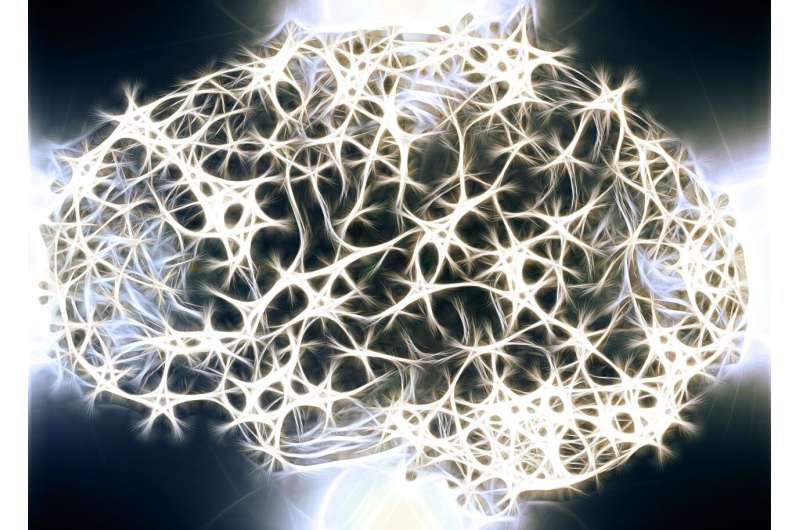
Chloride ions do more than help neurons fire—they may also help control how genes are expressed
Researchers at Brazil's Biosciences National Laboratory found a surprising new role for chloride ions in our cells. These ions, long known to help nerve cells send signals, also directly bind to and control the DDX3X enzyme. This enzyme normally unwinds RNA so cells can read genetic instructions. When chloride binds to it, the enzyme slows down. The team also showed that a specific mutation (R326H) linked to DDX3X syndrome weakens this chloride control, potentially disrupting normal brain development when precise gene control matters most.

Revived Nubian royal robes shed light on prestige and authority in a lost Christian kingdom
Researchers reconstructed five ceremonial outfits from the medieval Nubian kingdom of Makuria, including two royal king outfits, two royal mother outfits, and one bishop's outfit. The kingdom flourished in present-day Sudan between the 9th and 14th centuries CE. Using chemical analysis of ancient dyes and careful study of church wall paintings, the team created physical replicas of the original garments.
Africa CDC Welcomes AU Recognition of Director General Dr Jean Kaseya for Exceptional Achievement – Africa CDC
The African Union recognized Dr. Jean Kaseya, Director General of Africa CDC, for transforming Africa's health security since 2023. Key gains include budget utilization jumping from 34% to 95%, and the grant portfolio Africa CDC directly manages growing from $52 million to $463 million. The46 countries now have pathogen genomics capacity, up from just 7 in 2020, enabling faster outbreak detection. The agency led successful coordinated responses to mpox, Ebola, Marburg, and cholera outbreaks across the continent.

Audubon Events Marking Earth Day 2026 | Audubon
Audubon is mobilizing its vast network of 400+ chapters, 31 centers, and 29 sanctuaries to host Earth Day 2026 events across the United States. Events include bird habitat webinars, the Alabama Coastal BirdFest, river cleanups in Denver, and family nature days in California. Activities range from volunteer habitat restoration to guided bird walks and educational workshops, all inspiring communities to protect birds and their ecosystems.
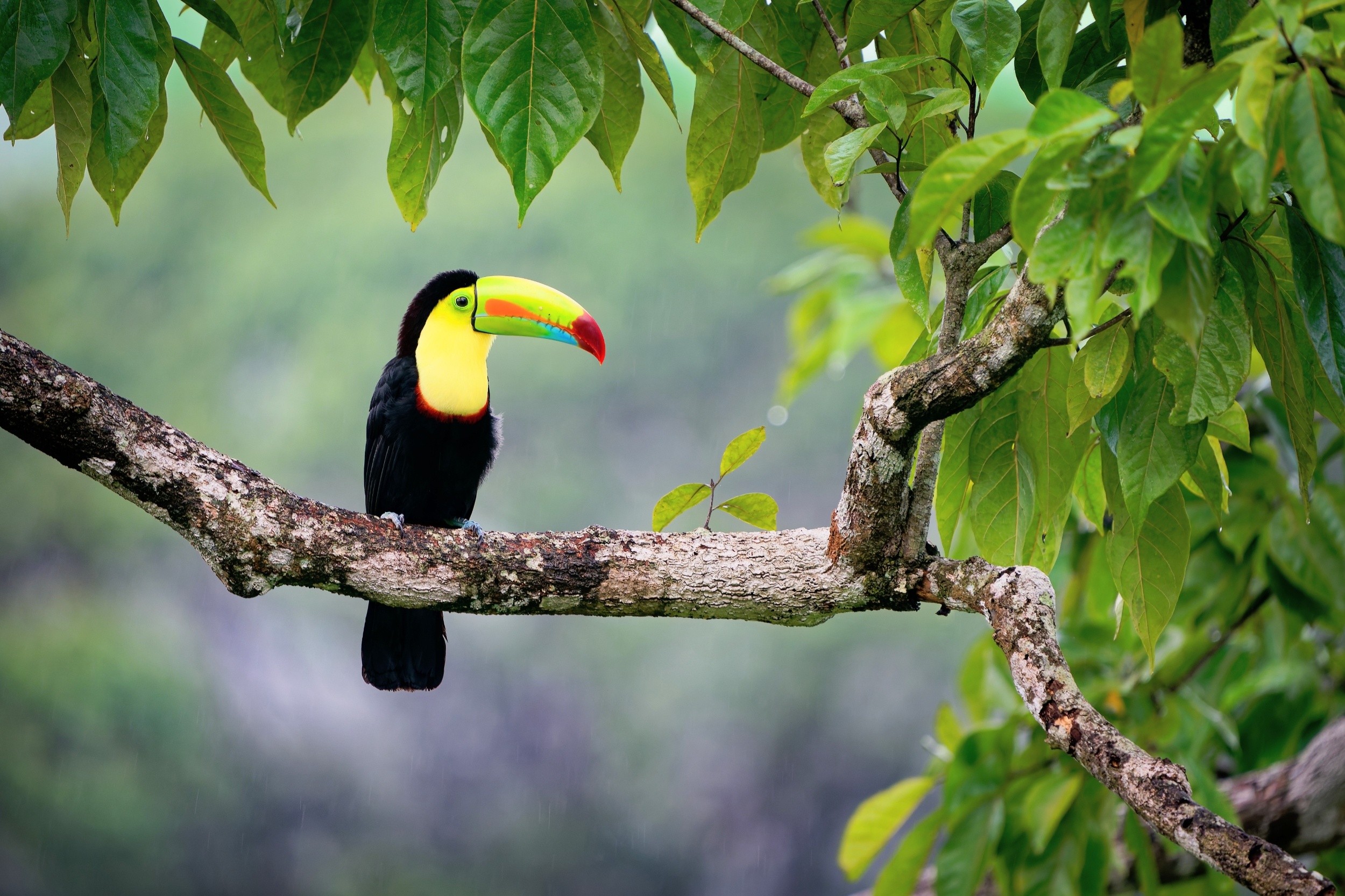
Rainforests aren’t lost forever - life returns faster than expected - Earth.com
Scientists studied Ecuador's Chocó region, comparing untouched forests with land that was once farmed. In total, they looked at over 10,000 different species across 62 areas. The researchers found that when humans stop disturbing the land, forests can recover more than 90% of their biodiversity within 30 years. Animals like birds and bats return first and help spread tree seeds, setting off a chain reaction that brings the whole forest back to life.
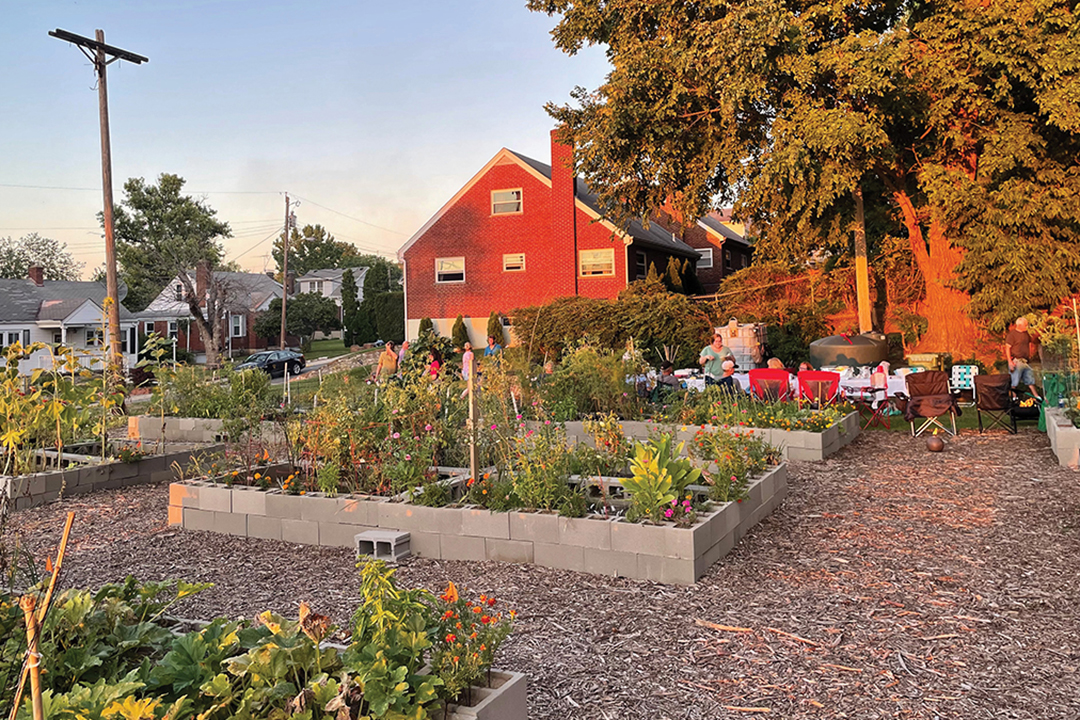
The Power of Community Gardens - Cincinnati Magazine
Cincinnati is now ranked 4th in the United States for community gardens per 10,000 residents and 7th for urban gardening overall, according to LawnStarter. Kymisha Montgomery coordinates urban agriculture programs at the Civic Garden Center, which supports over 60 independent community gardens across the city. The center offers free 11-week training classes from January to April to help residents start or join gardens. Montgomery emphasizes that gardens bring people together and provide access to fresher, more nutritious local food.
Critically endangered species on the edge of extinction gets second chance in Kansas
The black-footed ferret, once feared extinct, is making a comeback in Kansas thanks to wildlife conservationists and the U.S. Fish and Wildlife Service. The Topeka Zoo and Conservation Center leads local efforts through annual nighttime surveys of ferret populations. The zoo also helps release new ferrets back into their native habitat in western Kansas. This ongoing work represents a major success in the fight to save this critically endangered species from extinction.
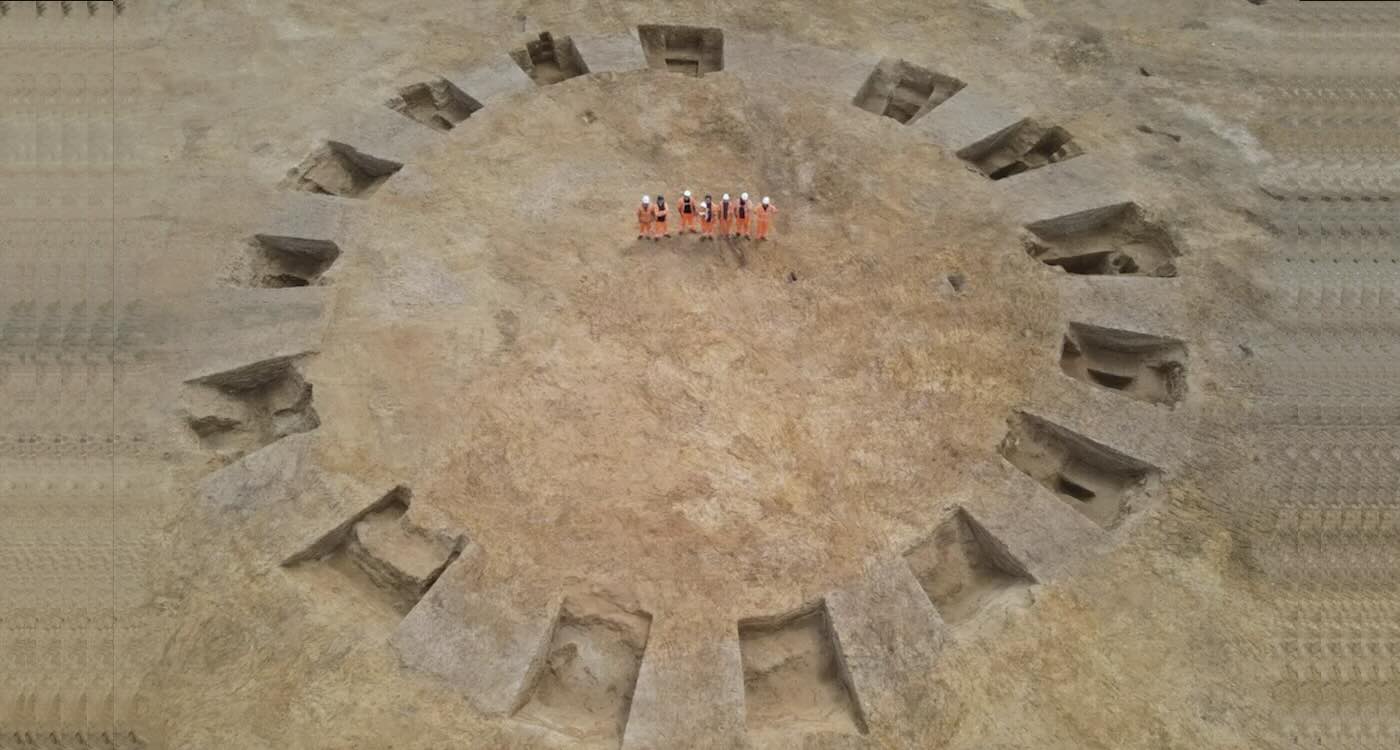
Archaeologists Stumble Upon a Roman Villa When Expecting to Find Nothing at Their Project Site
During surveys for an RWE wind farm project in Norfolk, England, archaeologists from Headland Archaeology stumbled on a Roman villaandbathhouse near aNeolithic burial mound. They expected to find nothingbased on prior historical records and but trench excavations revealed roof tiles, foundations, and a farming estate spanning Iron Age to Roman times.Artifacts included nail cleaners, hair pins, jewelry, a military belt, and animal bones from pets.

Impact of traumatic brain injury in children extends beyond initial injury, study demonstrates
Anew studydypublished inJAMANetworkworkOpen revealsthatchildren with adolescents who hav experienced traumaticbrain injury (T I) face much high erratesofof anxiety and and depression thanf frequentf headachesand chronic pain.

Between eternal night and day, the faces of two cousins of Earth
Astronomers have created the first climate maps of rocky exoplanets using the James Webb Space Telescope. They studied TRAPPIST-1b and TRAPPIST-1c, the two innermost planets in the famous TRAPPIST-1 system. The observations revealed these planets lack dense atmospheres, with day-side temperatures over 500°C higher than night sides. Scientists say this helps them understand which planets around common red dwarf stars could potentially support life.