Latest News
Positive stories from around the world · Good news by country
Showing 34801–34824 of 37367 articles
America’s Largest Rainforest Safe from Logging Thanks to Alaska Court Ruling
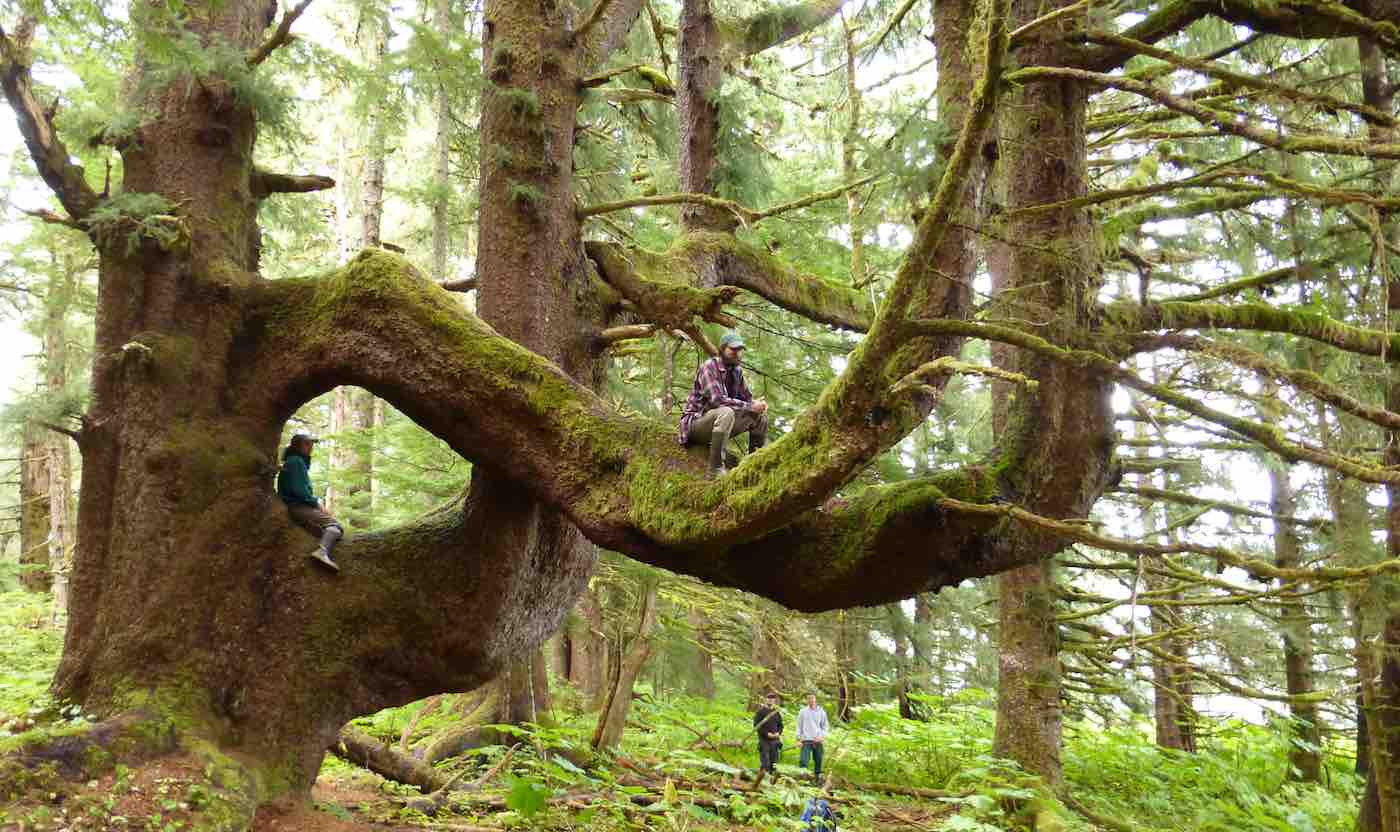
An Alaska district court has blocked a coalition of logging companies from harvesting old-growth trees in Tongass National Forest. Judge Sharon L. Gleason dismissed the case with prejudice, a rare and final ruling that prevents future lawsuits over the same issues. The forest is home to bald eagles, brown bears, Chinook salmon, and the endangered Haida ermine. Environmental groups hailed the ruling as a major victory for wildlife and the climate.

Small talk surprises: Nine experiments show 'boring' topics feel more enjoyable
Researchers at the University of Michigan discovered that people consistently underestimate how enjoyable conversations about "boring" topics can be. In nine experiments involving 1,800 participants, people predicted they would find topics like World Wars, stock markets, cats, or math dull, but reported enjoying the actual conversations much more than expected. The effect held even when both conversation partners agreed the topic was boring.

Researchers find ‘remarkable’ hot-pink insect in Panama rainforest
Scientists discovered a rare hot-pink katydid (Arota festae) on Barro Colorado Island, Panama in March 2025. The insect was captured and monitored daily for 14 days, showing a remarkable color transformation from hot pink to pastel pink to green. This is the first documented case of a katydid changing color within a single life stage. The researchers believe the pink coloration may help the katydid mimic young plant leaves that also start pink before turning green, a common trait among one-third of plant species on the island.
Light makes plants stronger but also holds them back
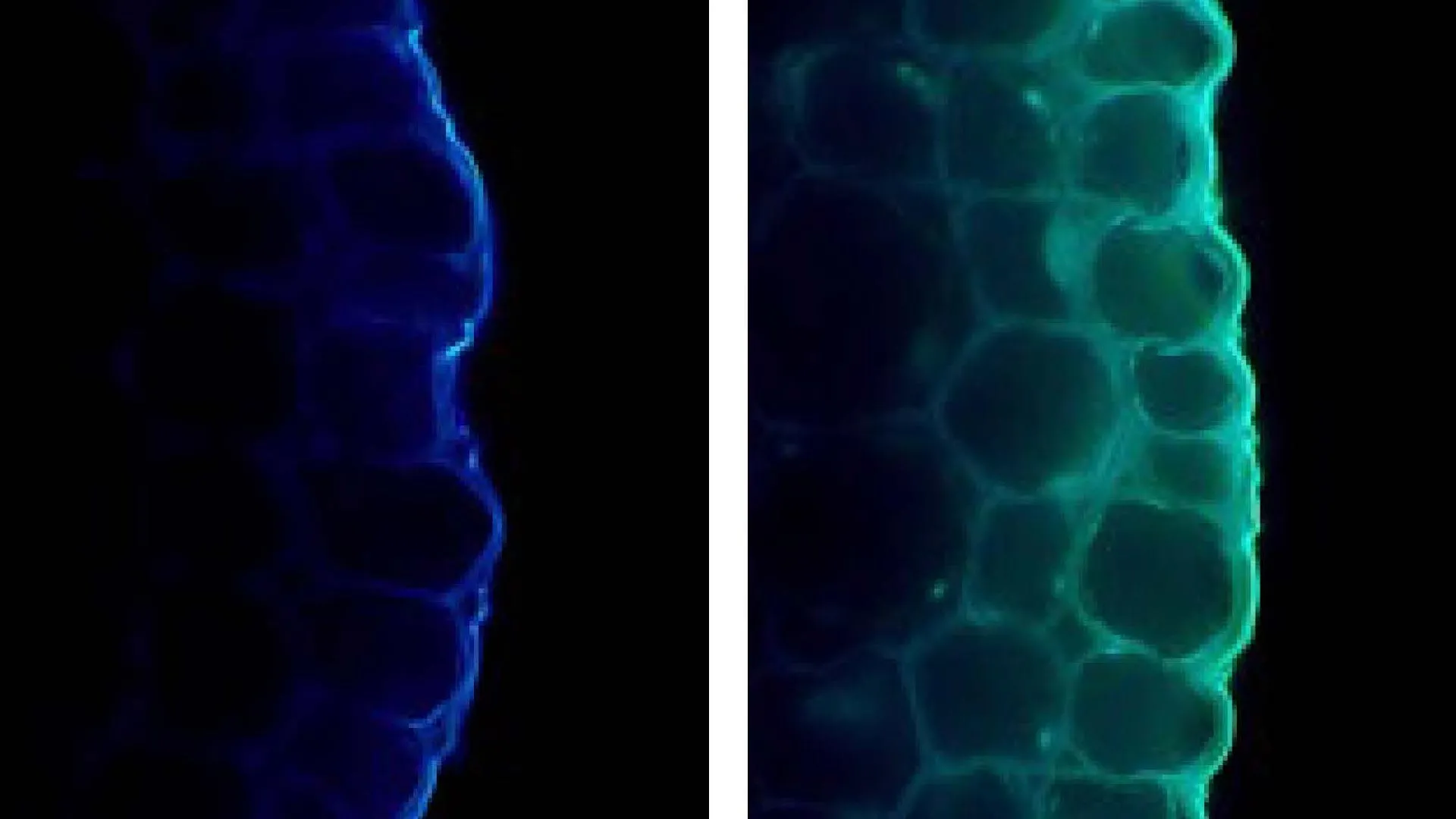
Researchers at Osaka Metropolitan University in Japan made a surprising discovery about plant growth. They found that light helps plants by strengthening the connection between a plant's outer skin and inner tissues. This happens because light increases levels of a compound called p-coumaric acid, which acts like glue for plant cells. However, this stronger bond also restricts growth — when tissues are tightly bound together, the plant cannot expand as easily.

AI and Accessibility in Higher Education: Are You Leaving 1.3 Billion People Behind?
Roughly 1.3 billion people worldwide have some form of disability, yet most AI tools are built for 'typical' users. Machine learning models train on datasets that underrepresent disabled people, causing systems to fail students who stutter or have dyslexia. When universities pause to think through accessibility, magic happens. University of Sydney's AI tutoring for 800 microbiology students cut wrong quiz answers by 90% and boosted student confidence by 86%. The key is building inclusion into AI from the start—not as an afterthought.

Artificial intelligence in education - AI | UNESCO
UNESCO is working to make sure artificial intelligence helps students everywhere, not just in wealthy countries. The organization has created guidance documents and AI skill guides for teachers and students in over 190 member states. The goal is to use AI to improve education while keeping it fair and inclusive for all learners. UNESCO wants AI to bring people together, not create new gaps between countries.

Fighting malaria more effectively with climate data
Scientists at the Karlsruhe Institute of Technology combined climate and water models with health data from Kenya. They tracked how tiny pools of rainwater create mosquito breeding grounds. Then they tested how well mosquito nets work in different areas. The study found nets reduced malaria infections by 40% on average. In some regions, the reduction was even higher, over 50%. This data can help health programs target where nets are needed most.

From river stain to your cup of tea: The secret world of tannins
Tannins are bitter chemicals found in leaves, bark, and wood that serve multiple purposes in nature. For plants, their bitter taste helps deter animals from eating leaves—though some animals like koalas have evolved gut bacteria to handle high-tannin diets. When tannins leach into soil, they slow down leaf decomposition, keeping leaf litter available as food for insects longer.

“Giant superatoms” could finally solve quantum computing’s biggest problem
Researchers at Chalmers University of Technology in Sweden have created a theoretical design for quantum systems using "giant superatoms." These engineered structures combine giant atoms and superatoms — both concepts that existed before but have never been merged into one system. The new design helps qubits (the building blocks of quantum computers) stay stable by reducing decoherence, the problem where quantum information gets lost due to tiny disruptions from the environment.

UNSW scientists recognised for medical research, Bengaluru campus update and more – 14 April 2026 | Inside UNSW
Two scientists at UNSW Sydney won major fellowships worth $8 million each from the Snow Medical Research Foundation. Dr Deborah Burnett will develop safer vaccines to prevent infections that can cause autoimmune diseases. Dr Ira Deveson from the Garvan Institute will advance genomic sequencing to better understand human genetic diversity. The pair were chosen among just three recipients across all of Australia — a rare honour. UNSW also recently recorded the lowest gender pay gap among the Group of Eight universities, at just 6.9%.
Ningaloo Reef coral regeneration trial now underway
Researchers are working to restore coral at Ningaloo Reef in Western Australia. They collect coral samples, grow them in underwater nurseries, then carefully place them onto damaged reef areas. The coral can attach to natural reef surfaces or special artificial tiles. Phase one wrapped up in Exmouth last month, and a larger phase two is now in progress in Coral Bay. Scientists say similar programs in the Philippines and Great Barrier Reef have already proven this approach works.
Revolution pancreatic cancer drug nearly doubles survival in key trial | BioPharma Dive
Revolution Medicines announced Monday that its experimental pancreatic cancer drug hit every goal in a Phase 3 trial. Patients who received daraxonrasib lived a median of 13.2 months, versus 6.7 months for those on standard chemotherapy. The new drug also reduced the risk of death by 60%. Pancreatic cancer is one of the deadliest cancers, making this survival benefit particularly significant for patients.

The peatland 'nurseries' of Peru give new insights for conservation
Scientists have discovered that Peru's Pastaza-Marañón Basin contains the largest known peatland complex in Amazonia, spanning an area the size of Belgium. A new study analyzed over 150 peat samples and found these wetlands formed less than 9,000 years ago — up to four times younger than peatlands in the Congo Basin or Southeast Asia. Peatlands store carbon from the atmosphere over thousands of years, making them crucial in the fight against climate change.

New study reveals why some Chinese immigrants in the US may turn to China-based telehealth apps
Researchers at the University of Texas at San Antonio and Sam Houston State University found that 15% of surveyed Chinese immigrants in the US had used China-based telehealth apps for medical advice. The study identified lack of health insurance and perceived discrimination as the strongest predictors of this behavior. Immigrants cited lower costs, easier access, and ability to communicate in their native language as key advantages of these platforms.

What is UNESCO & Why Jaipur Became a UNESCO World Heritage City - Jaipur Unveiled
Jaipur's walled city earned UNESCO World Heritage status in July 2019 during a committee session in Baku, Azerbaijan. The city was founded in 1727 by Maharaja Sawai Jai Singh II using a grid-based layout inspired by ancient Indian architectural principles called Vastu Shastra. Unlike frozen monuments, Jaipur's Walled City is a living heritage where 2 million people still live, work, and run businesses in historic bazaars.

Colombia’s main river redraws the map of little-known night monkeys
Scientists in Colombia have made a breakthrough discovery about night monkeys — the only nocturnal primates in the Americas. A new genetic study published in the International Journal of Primatology shows that Colombia's Magdalena River, not the Andean mountains, may be what separates two look-alike night monkey species. Night monkeys have evolved enormous eyes with retinas 50% bigger than daytime primates to see in the dark.

April’s Lyrid Meteor Shower to Streak Across Moonless Sky for a Perfect Stargazing Show
Sky watchers are in for a treat this April as the Lyrid meteor shower peaks on the night of April 22-23. With a New Moon on April 17 darkening the skies, observers far from city lights can spot up to 15 shooting stars every hour. These bright streaks are actually tiny fragments from comet C/1861 G1 Thatcher, which our planet passes through like a boat crossing a wake. The meteors appear to shoot from near the constellation Lyra, home to Vega — the first star ever photographed, back in 1850.

Do you taste words or hear colors? Here's the neuroscience behind synesthesia
Synesthesia is a brain trait where activating one sense—like hearing—triggers another unrelated sense—like sight. About 1% to 4% of people have it, and it's not an illness or disorder. Scientists have two main theories about why it happens. One says synesthetes have extra connections between brain areas. Another says connections that normally fade during childhood stay active in their brains. The sensations happen automatically and stay the same throughout life.

Study finds that people using mobile app breathalyzers changed their drinking behavior
Researchers at the University of Illinois Urbana-Champaign analyzed data from 32,000 people who used mobile breathalyzers between 2016 and 2022. On average, each person tested their blood-alcohol concentration 40 times over seven months. The study found that nearly 70% of participants initially underestimated how drunk they were. But after repeated use, users improved their self-assessment accuracy and changed their drinking behavior. The findings suggest mobile health devices could help heavy drinkers monitor and reduce alcohol-related harms.

Guaranteed income improved artists' finances, innovation
A new study from Washington University found that a guaranteed income program helped artists in New York State. The program gave 2,400 artists $1,000 each month for a year and a half. Researchers say it made the artists more financially stable, reduced their stress, and helped them spend more time making art. The artists also reported better mental health and felt more satisfied with their creative work.

Tiny particles in Arctic ponds may play role in cloud formation and climate change
ResearchersatColoradoStateUniversitydiscoveredthatmeltpondsonArcticseaicemayproducepowerfulairborneparticlescalledice-ncleatingparticlesthatcloudstoform. Thesepondsholdmeltedsnow,seawater,andtinyorganismsthat releaseintheatandmoisture.Studyingtheseparticleshelpscientiststo betterpredicthowtheArcticclimateismchangingand,wwhichiswarmingfour timesfasterthantheglobalaverage. Theteamcollected samplesduringthe20nation,MOSAiCExpeditiontoadvancescientificmodels.
How crucial is 99-cap Walsh to the Lionesses?
England midfielder Keira Walsh is set to earn her 100th cap for the Lionesses against Spain at Wembley Stadium on Tuesday evening. The match marks a striking contrast to her debut in November 2017, when fewer than 10,000 fans watched her first appearance against Kazakhstan in Colchester. Now, Walsh will play in front of 75,000 supporters against the world champions, highlighting the explosive growth of women's football in England.

ECHOLOT – Echoes
ECHOLOT is a new European software project that uses artificial intelligence to help museums, libraries and archives share their cultural collections online. The system blends computer automation with human expertise to describe and organize photos, documents and artworks so they can be easily searched and reused. It follows international rules called FAIR principles to ensure cultural data stays findable, accessible and useful over time.
'It's incredible, like science fiction': How a new wave of immunotherapy is eliminating cancers
Scientists are calling a new generation of immunotherapy drugs a breakthrough in cancer treatment. These drugs help the body's own immune system find and destroy cancer cells that had been hiding. In one case, 71-year-old Maureen Sideris saw her oesophageal tumour vanish completely after just four months of treatment with the drug dostarlimab – without needing surgery, chemotherapy, or radiation. Experts say patients are now living full lives and researchers are openly talking about cures.