Latest News
Positive stories from around the world · Good news by country
Showing 35329–35352 of 37356 articles

Taming skyrmions: Atom-thin magnets point to ultra-dense, low-power memory
Scientists at Argonne National Laboratory in the US have mapped how magnetic domains behave in ultra-thin materials called van der Waals magnets. These atom-thin layers could become the foundation for spintronic memory devices that store data more densely while using far less energy than current electronics. The researchers studied Fe3GeTe2 (FGT), cooling it to about minus 50°C to examine how the material's thickness affects its magnetic behavior.

From Asgard to Earth: Tiny tubes may reveal the moment complex life began
Researchers at UNSW Sydney discovered nanotube connections between Asgard archaea and bacteria living in Shark Bay, Western Australia. This is the first visual evidence of how these two organisms physically interact. The team spent 4–5 years cultivating the microbes in the lab. Using a high-resolution 3D imaging technique called electron cryotomography, they showed the two organisms sharing nutrients through nanotube bridges—possibly a model for how the first complex cells formed billions of years ago.

CAR-T therapy drives remission in patient with three autoimmune diseases
A 47-year-old woman in Germany who suffered from three life-threatening autoimmune diseases for over a decade is now in remission after receiving CAR-T cell therapy. The treatment targeted and eliminated her malfunctioning B cells, the immune cells driving all three conditions. She needed her final blood transfusion just one week after treatment and has been symptom-free without additional treatment for a full year.
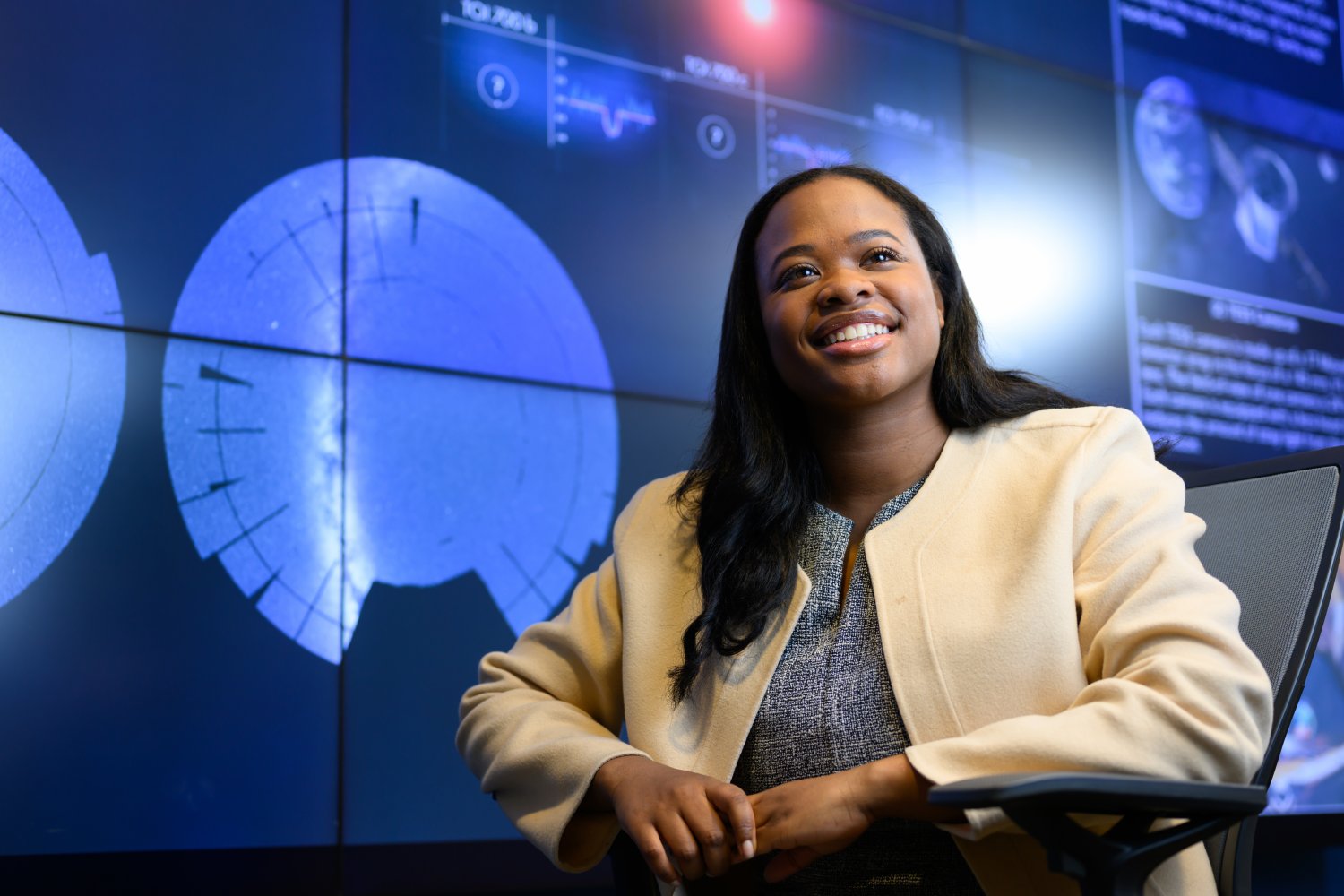
Bridging space research and policy
Carissma McGee is pursuing doctoral studies in aeronautics and astronautics at MIT. She holds dual master's degrees in aerospace engineering and public policy, using her unique background to address gaps in space policymaking. McGee conducts research on exoplanet astrophysics and works on the Nancy Grace Roman Space Telescope mission. She was awarded a MathWorks Fellowship in 2024 to support her space research.
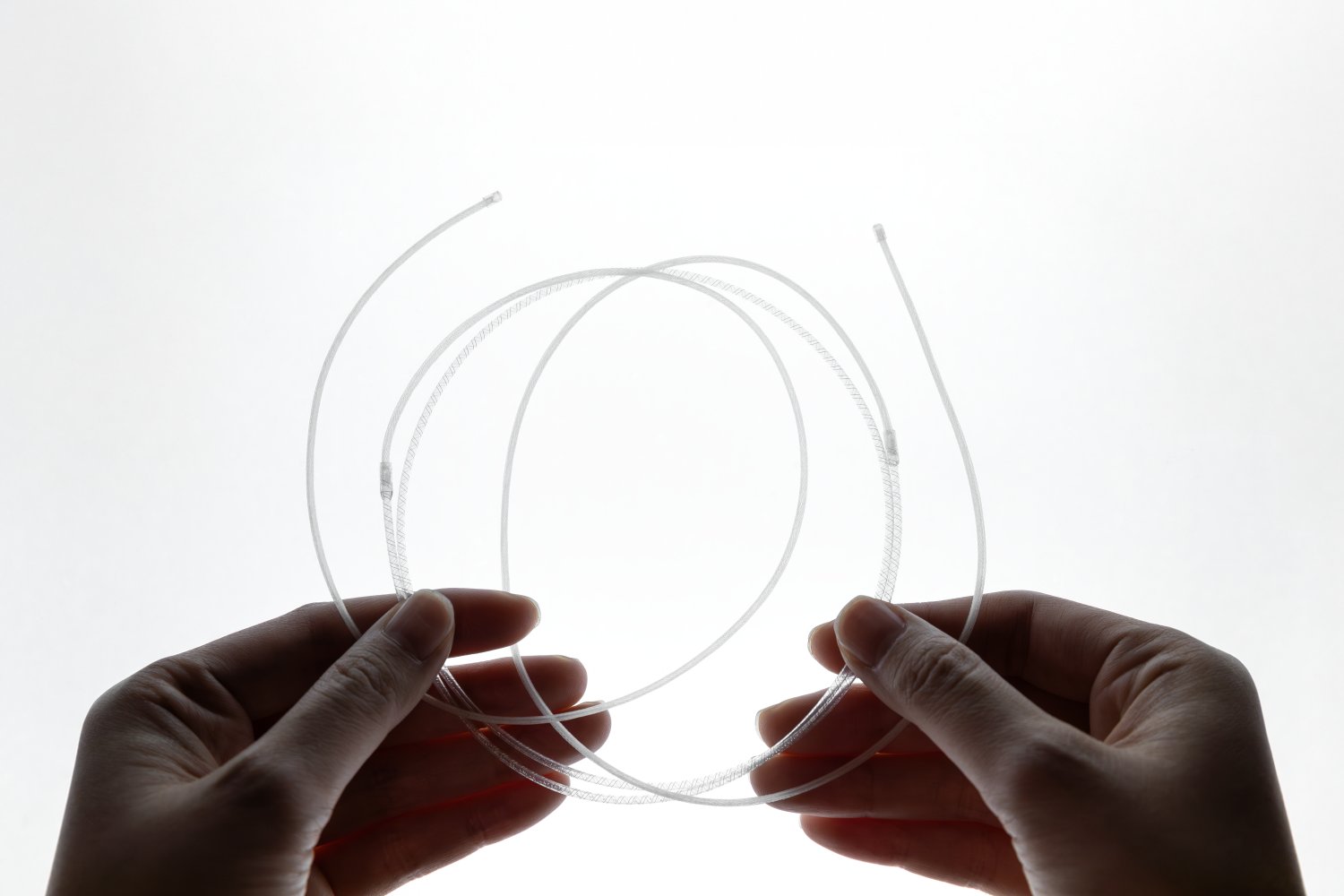
A new type of electrically driven artificial muscle fiber
Scientists at MIT and an Italian university have built a new kind of artificial muscle fiber that brings together two existing ideas. One part is a thin fluid-filled muscle similar to early rubber artificial muscles. The other is a tiny electric pump that pushes fluid around without any moving parts. By pairing two muscle fibers that work in opposite directions, the team created a closed system that stores its own fluid. These new fibers weigh just a few grams, are no thicker than a toothpick, and work silently.

The world is getting brighter at night but some places are going dark
Satellites show Earth is getting brighter at night overall—global lighting rose 16% from 2014 to 2022. But the trend is uneven. Rapid city growth made China and India significantly brighter, while Europe dimmed by 4% thanks to LED streetlight upgrades and energy-saving policies. France cut nighttime lighting by 33% to reduce light pollution and save energy. Ukraine saw a sharp drop from war-related blackouts.

Ancient Māori remains point to largely plant-based diets before colonization
Scientists in New Zealand have found the first direct biological proof that some Māori people ate mostly plant-based diets before European colonizers arrived. Using advanced isotope and enamel testing on the remains of 7 ancestors—including 4 children—they discovered children were weaned onto soft starchy foods within their first 2–3 years of life. The research, published in Nature Communications, validates what Māori oral histories have always taught.

Mini-brain model reveals how mild head hits trigger neurodegenerative cascades
Scientists at the University of Cincinnati are using tiny lab-grown brain models to study how concussions damage brain cells. The 'mini-brains' contain five living cell types, including neurons and blood vessel cells, allowing researchers to watch in real time as head impacts harm mitochondria—the energy centers of cells. Researcher Olga Liaudanskaya and her team use fluorescent tags to track mitochondria in different cell types, creating colorful 3D maps of cellular damage.

When should I get LASIK? Age, eligibility, and recovery explained
More than 700,000 LASIK eye surgeries are performed in the United States every year. The best candidates are 18 or older with a stable vision prescription for one to two years. A thorough eye evaluation measures over 30 different factors including corneal thickness, shape, and tear film quality. About 20% of patients are not good candidates, though alternative vision correction options are available for them. The procedure permanently changes prescription at the time of surgery, making vision stability essential for lasting results.
Sinner into last eight after 37-set record snapped
Jannik Sinner's remarkable run at Masters 1000 events came to a sudden halt when he lost the second set of his match against Tomas Machac. The Italian had won 37 consecutive sets since October, but Machac took the tie-break to snap the streak. However, Sinner regrouped and won the deciding set 6-3 to advance to the Monte Carlo quarter-finals. It's his 19th straight Masters win, and victory in Monaco would see him become world number one for the first time.

Overlooked non-coding genes cause diabetes in babies, study reveals
Researchers at the University of Exeter found that changes in two genes called RNU4ATAC and RNU6ATAC cause autoimmune neonatal diabetes in 19 babies. These genes make functional RNA molecules rather than proteins, and were previously ignored in most genetic studies. The mutations disrupt around 800 other genes linked to the immune system. This breakthrough could lead to new treatments and provides answers for families with rare conditions—with up to half of rare disease patients currently lacking a diagnosis.

Dragonflies share humans' red-light sensing trick, detecting wavelengths near 720 nm
Researchers at Osaka Metropolitan University in Japan found that dragonflies can detect red light at around 720 nm—one of the most red-sensitive visual pigments ever found. Surprisingly, the molecular mechanism they use is identical to how human eyes detect red light, despite dragonflies and mammals evolving separately for hundreds of millions of years. This shared biological solution is called parallel evolution.

Traveling tropical disturbance increases rainfall across the Hawaiian Islands
Researchers at the University of Hawai'i at Mānoa have uncovered how a large tropical weather pattern, the Madden-Julian Oscillation (MJO), influences rainfall across the Hawaiian Islands. Their study found that when the MJO is in its active phase, rainfall increases across the islands, especially on windward (east-facing) slopes. When the MJO is suppressed, the islands experience drier conditions The MJO also brings brings cooler temperatures, higher humidity, and stronger northeasterly winds.
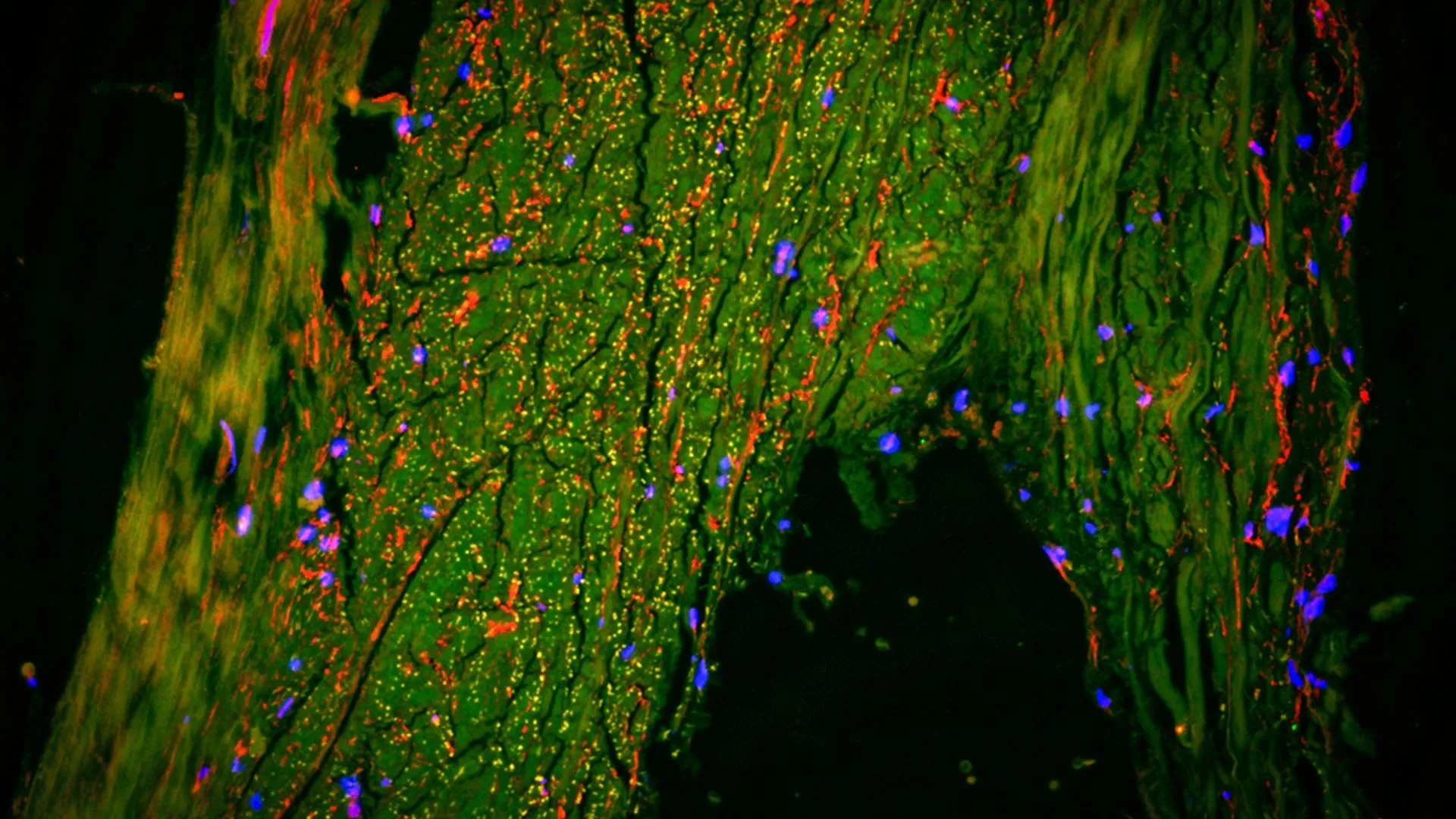
Scientists just found a hidden “drain” inside the human brain
Researchers at the Medical University of South Carolina used advanced real-time MRI scans to watch fluid moving inside the brain. They found that cerebrospinal fluid flows along the middle meningeal artery in a slow, steady pattern — very different from fast-moving blood. This slow flow proves the artery acts as part of the brain's waste-clearing lymphatic system. The discovery could help scientists develop new treatments for brain injuries and diseases like Alzheimer's.
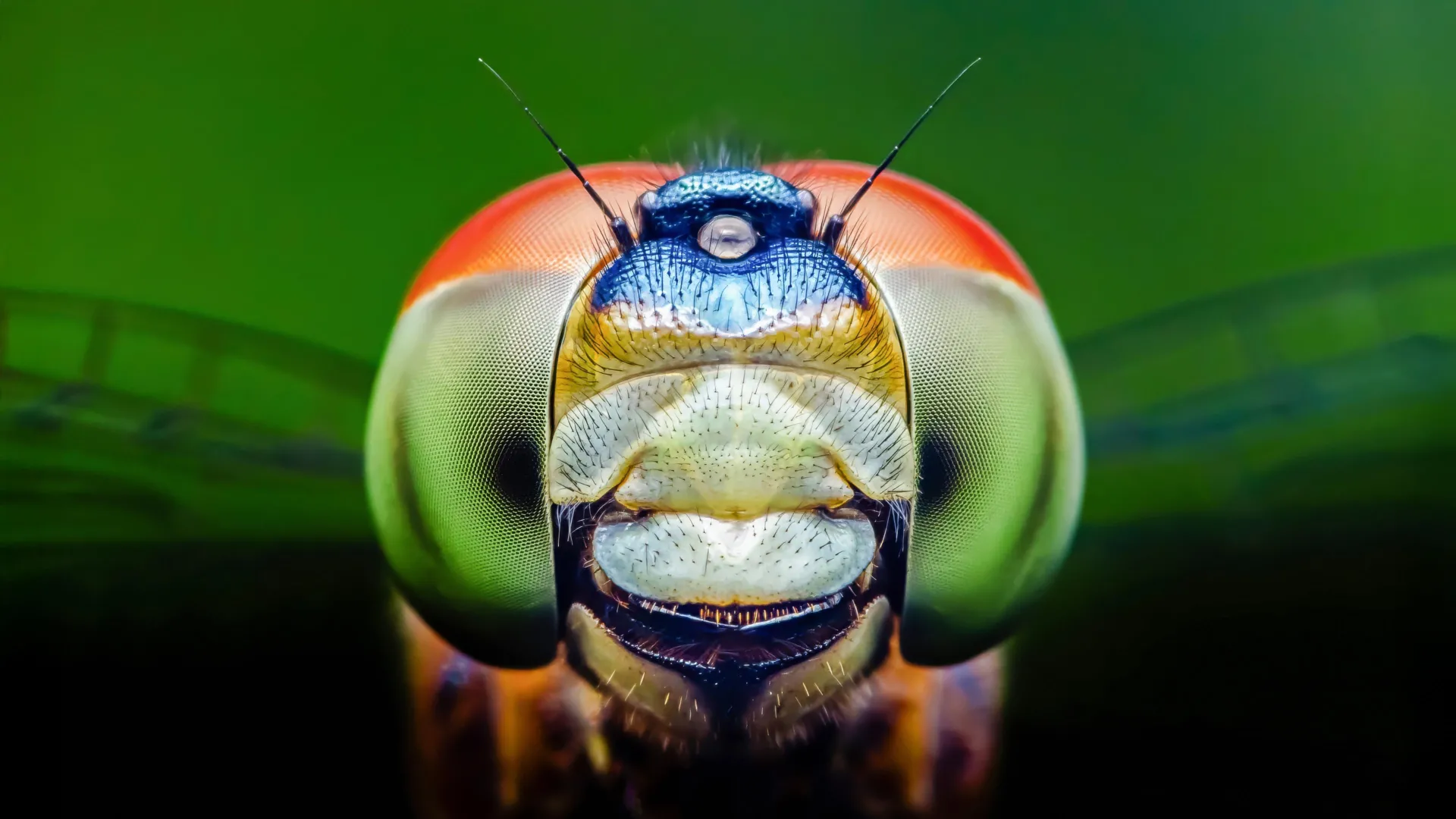
Dragonflies can see a color humans can’t and it could change medicine
Researchers at Osaka Metropolitan University found that dragonflies detect red light at around 720 nm, which is beyond what humans can normally see. Surprisingly, they use the same molecular strategy as mammals, including humans - a case of parallel evolution. The team engineered a modified version of this protein that responds to near-infrared light. This could allow doctors to control cells deeper in the body using light, making it useful for treating diseases.
Scotland confirm final World Cup warm-up against Bolivia - live on BBC
Scotland have arranged their final World Cup warm-up friendly against Bolivia. The match will take place on 6 June at Sports Illustrated Stadium in Harrison, New Jersey. It will be broadcast live on the BBC with kick-off at 21:00 BST. Head coach Steve Clarke said the game will give Scotland 'a feel for South American opposition' ahead of the tournament.
Saints boosted by return of Smith and Mitchell
Northampton Saints fly-half Fin Smith returns from concussion to start against Bath at The Recreation Ground in the Champions Cup quarter-final on Friday. Scrum-half Alex Mitchell is named on the bench after recovering from the hamstring injury that ended his Six Nations campaign prematurely. Full-back George Furbank leads the side from the back. Bath have a 6-2 split on the bench with forwards Kepu Tuipulotu, Francois van Wyk, Thomas du Toit, Ross Molony, Ted Hill and Alfie Barbeary able to bring considerable power to the game.

Skin can 'pre-learn': Priming cells for regeneration before injury
Scientists at POSTECH in South Korea discovered that skin cells can be preconditioned to heal faster. Instead of fully resetting cells (which risks tumors), they gently shifted a subset into a 'pre-regenerative mode.' Even before any injury, the skin began preparing—activating key healing pathways like PI3K-AKT and EGFR. When wounds were later created, healing was significantly faster. This approach could help elderly patients and those with diabetes who struggle with slow wound healing.

Single-shot imaging captures more information about ultrafast microscopic processes than previously possible
Researchers in Shanghai, China built a new camera that catches ultrafast events happening in just femtoseconds - that's millionths of a billionth of a second. For the first time, the technique captures both how bright objects are and how light bends as it passes through them, all in one image. Published in the journal Optica, the method could help design better solar cells, study lightning-fast chemical reactions, and improve clean energy technology.

New solar telescope turns sunspots into exoplanet-finding weapons
The Paranal solar ESPRESSO Telescope (PoET), located at ESO's Paranal site in Chile, has made its first observations. The telescope has two parts: a main 60-cm mirror that zooms in on specific sunspots, and a smaller telescope that captures light from the entire solar disk. By studying how sunspots alter the Sun's light spectrum, scientists can learn to filter out that distortion when looking at distant stars.

New tool offers personalized approach to blood cancer care
Scientists have built a new AI tool called iCPSS to help doctors treat a rare blood cancer called CMML. The tool studies genetic and clinical data from over 3,000 patients to predict outcomes. It sorts patients into five risk groups and tells doctors whether stem cell transplants will help. In testing, it changed the treatment plan for nearly one in three patients, giving many a better chance at survival.

Azerbaijan joins global dialogue on equal pay
Azerbaijan made its debut at an Equal Pay International Coalition (EPIC) side event during the 70th session of the Commission on the Status of Women in New York on March 12, 2026. The event brought together governments, employers, workers, and civil society to advance equal pay solutions.

Why treelines don't simply rise with the climate
A global study from the University of Basel found treeline shifts are far more complex than expected. Between 2000 and 2020, 42% of treelines worldwide moved uphill, but 25% moved downhill. Land use changes, like grazing abandonment in the Alps, are a major driver — sometimes allowing trees to reclaim former pastureland. Fires explain 38% of downward shifts in some regions. The study, published in the International Journal of Applied Earth Observation and Geoinformation, shows shows temperature alone cannot predict treeline movement.

Health programs promise personalization. A new tool tests if they deliver
A psychologist at the University of Chicago has built a new tool to check if health programs actually fit people's real lives. The Observational Assessment Tool for Tailoring (OATT) scores how well coaches personalize advice to each participant's circumstances—like whether someone has safe places to walk. Researchers tested the tool on nearly 200 video sessions from a family health program. Higher tailoring scores linked to stronger participant engagement, suggesting personalized care truly helps people stick with healthier habits.