Latest News
Positive stories from around the world · Good news by country
Showing 36049–36072 of 37347 articles

Meteor impacts may have sparked life on Earth, scientists say
Scientists are studying how asteroid impacts on early Earth may have helped life begin. These crashes created hydrothermal systems—hot, chemical-rich environments where life's building blocks could form. The systems could have lasted thousands of years, giving biology plenty of time to get started. Researchers think these environments were likely common on early Earth, making them a strong candidate for life's origin. The findings could also help guide the search for life on other planets.

Researchers uncover 10 new moth species and 7 new genera in Hawaiʻi
Researchers in Hawai'i have described 10 new moth species and 7 new genera of moths. Hawai'i is famous for endemic species, meaning plants and animals found nowhere else on Earth. Lead researcher Daniel Rubinoff said finding new species there is so common that 'nobody turns their head.' The discoveries highlight how much remains unknown about Pacific island biodiversity.
Saturn’s magnetic field is twisted and scientists just figured out why
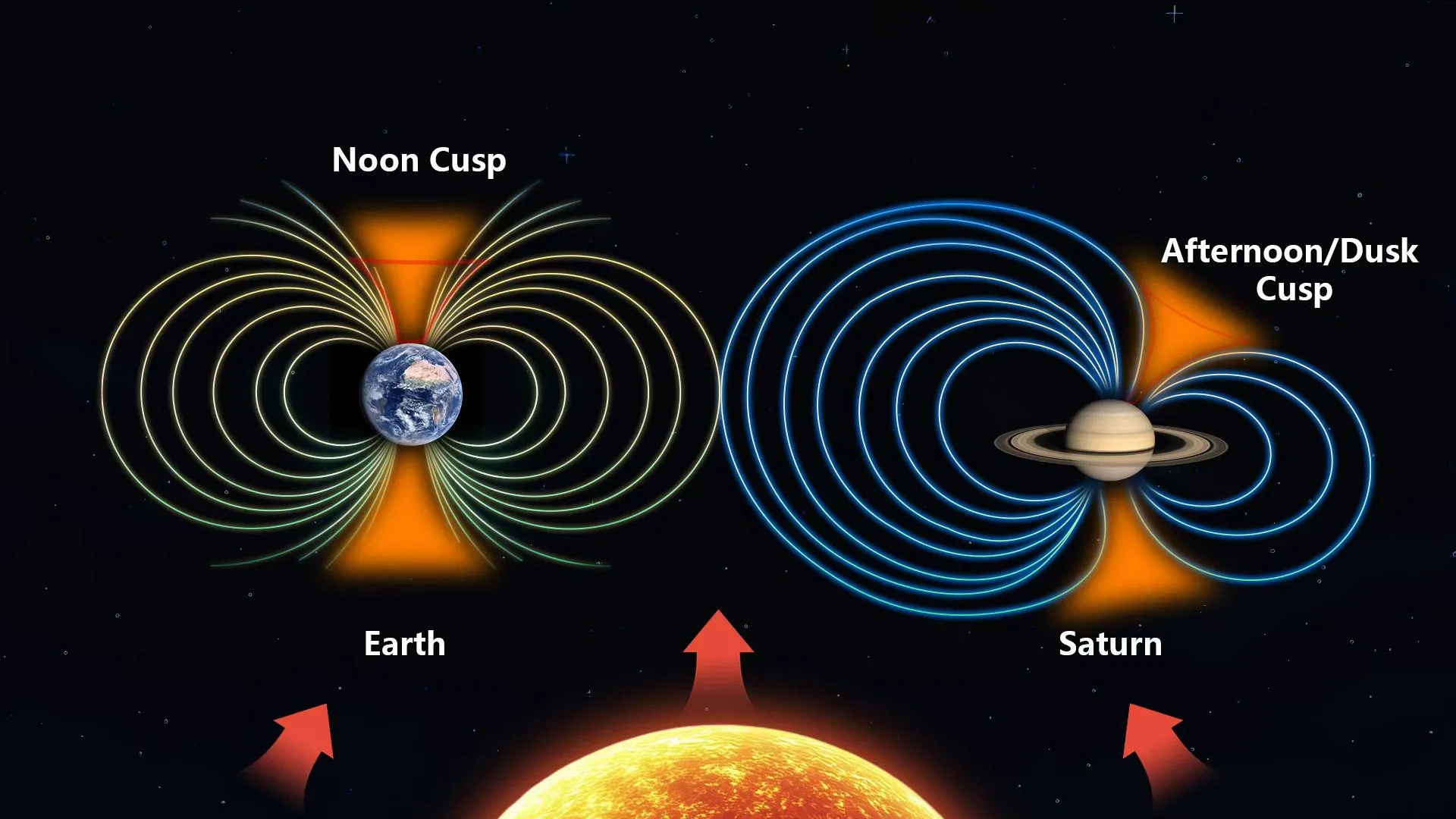
Researchers have cracked a long-standing puzzle about Saturn's unusual magnetic field. Using years of data from the Cassini spacecraft, scientists discovered that the planet's magnetic field isn't symmetrical like Earth's, but instead appears skewed and twisted. This peculiar distortion is driven by Saturn's extremely rapid rotation combined with a dense cloud of charged particles continuously ejected from the planet's moon Enceladus. The study reveals how the particles from Enceladus interact with Saturn's rotation to create this distinctive asymmetrical magnetosphere, advancing our understanding of planetary magnetic systems.

Orcas never seen before in Seattle delight whale watchers with a visit
Rare killer whales have been spotted just off downtown Seattle for the first time. Three orcas that had never been recorded in the Seattle area made several visits downtown this month. Whale watchers are delighted. People are very happy to see this rare sight. The pod also cruised by other shorelines in the region.
Trump sweeps Robertson aside to reach Tour Championship final
Judd Trump secured his place in the Tour Championship final with a 10-4 victory over Neil Robertson. The match was held in Manchester. Trump, the 2019 world champion, dominated the semi-final to advance. Robertson, the 2010 world champion, was unable to match Trump's clinical finishing.
Swifts beat Reds on penalties to reach Irish Cup final
Dungannon Swifts are through to the Irish Cup final after winning a dramatic penalty shootout against Cliftonville. The semi-final was held at Windsor Park in Belfast on Friday night. As holders, Swifts will now compete for the cup again. The match was decided after normal and extra time couldn't separate the two teams.
Saints pass stern Castres test to reach last eight
Northampton Saints beat Castres in a closely fought Champions Cup match to reach the last eight. The English side were tested by their French opponents but held on for victory. The win means Northampton progress to the quarter-finals of Europe's premier rugby club competition. Their season continues with renewed confidence.

Electrons in moiré crystals explore higher-dimensional quantum worlds
Scientists at MIT have found that electrons in special materials called moiré crystals behave in an unusual way. These crystals are made when layers of atoms are slightly twisted relative to each other, creating a repeating pattern. The electrons inside these materials don't just move left-right, back-forth, or up-down like electrons in normal materials. Instead, they also act as if they can teleport in and out of a fourth spatial dimension.
Urban planning students engage with communities through the Freedom Summer Fellowship
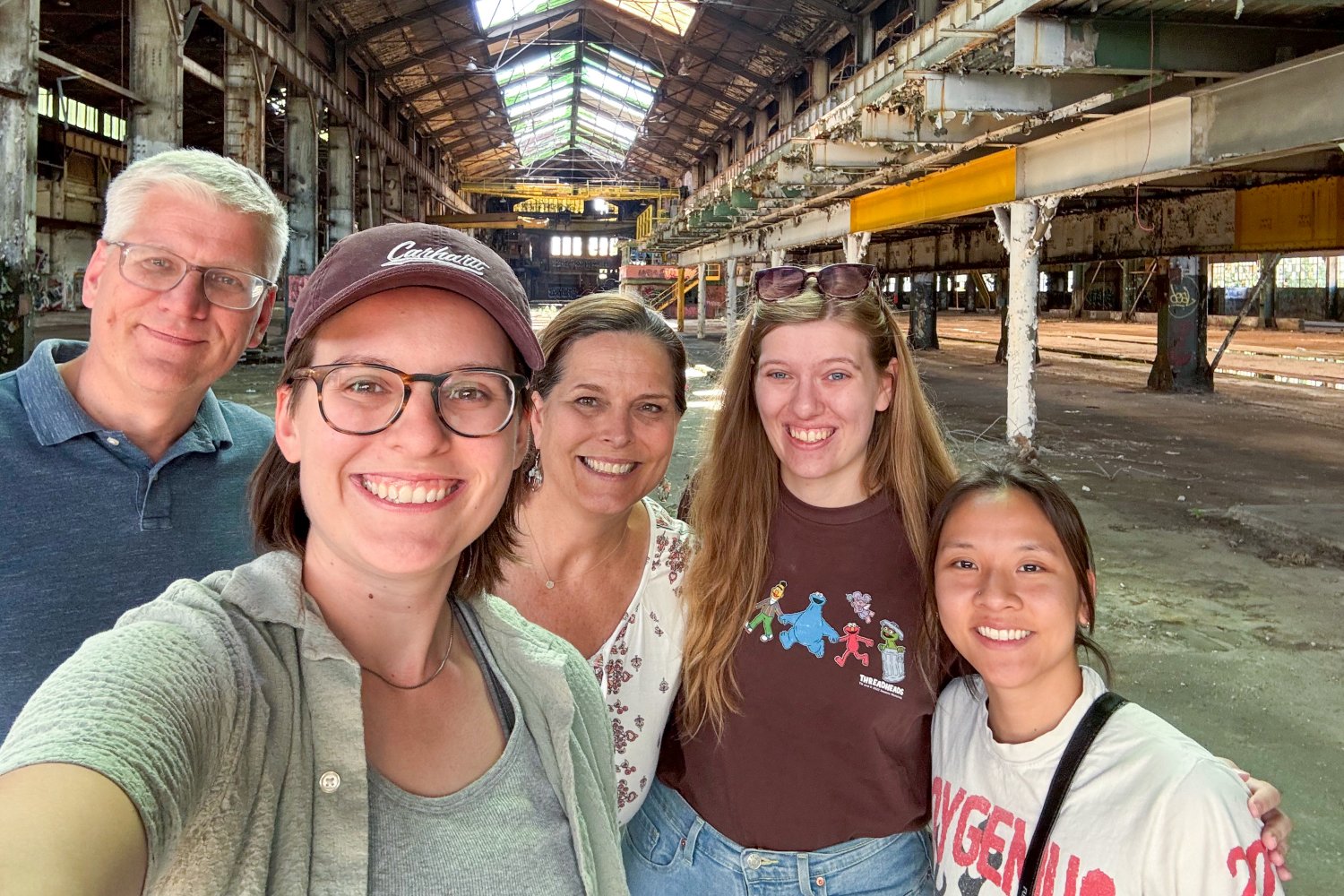
MIT's Freedom Summer Fellowship connects master's planning students with cities and community groups to work on real-world projects. The program launched in 2023 through MIT's Department of Urban Studies and Planning. It focuses on climate action, infrastructure upgrades, and economic development. Fellows gain hands-on experience while helping communities solve actual urban problems.
Leeds beat Bradford to go top of Super League
Leeds Rhinos defeated their rivals Bradford Bulls in a derby match held at Odsal stadium. The win lifted Leeds to the top position in the Super League standings. This is a local rivalry match between two northern English rugby teams. The result is positive for Leeds fans but represents a routine sports outcome.

Working to advance the nuclear renaissance
The United States leads the world with 94 operating nuclear reactors, supplying about 20% of the nation's electricity. Nuclear engineer Dean Price sees this as just the beginning. He argues the country needs many more nuclear plants to move away from fossil fuels that cause climate change. Price became a nuclear engineer specifically to help expand this clean energy source.

Kenya to receive 4 mountain bongos from European zoos
Kenya will soon welcome four male mountain bongos from European zoos. Chester Zoo in England led the effort, working with the Kenya Wildlife Service and the European Association of Zoos and Aquariums. The transfer marks the result of more than 11 years of planning and breeding coordination. The goal is to help recover populations of one of Africa's most endangered antelopes.
Most impactful debut ever? Loanee Leyland's stunning Saints show
Bill Leyland, borrowed from St Helens, delivered a memorable performance by scoring two tries to help his team beat Wigan. The match was likely his one and only appearance for Saints. Leyland spoke about the special feeling of playing for the club and the importance of the victory. He reflected on the emotional significance of wearing the team shirt in what turned out to be a standout personal performance.
‘Grain Bank Accounts’ Free Indian Farmers from Middleman Through Online Marketplace
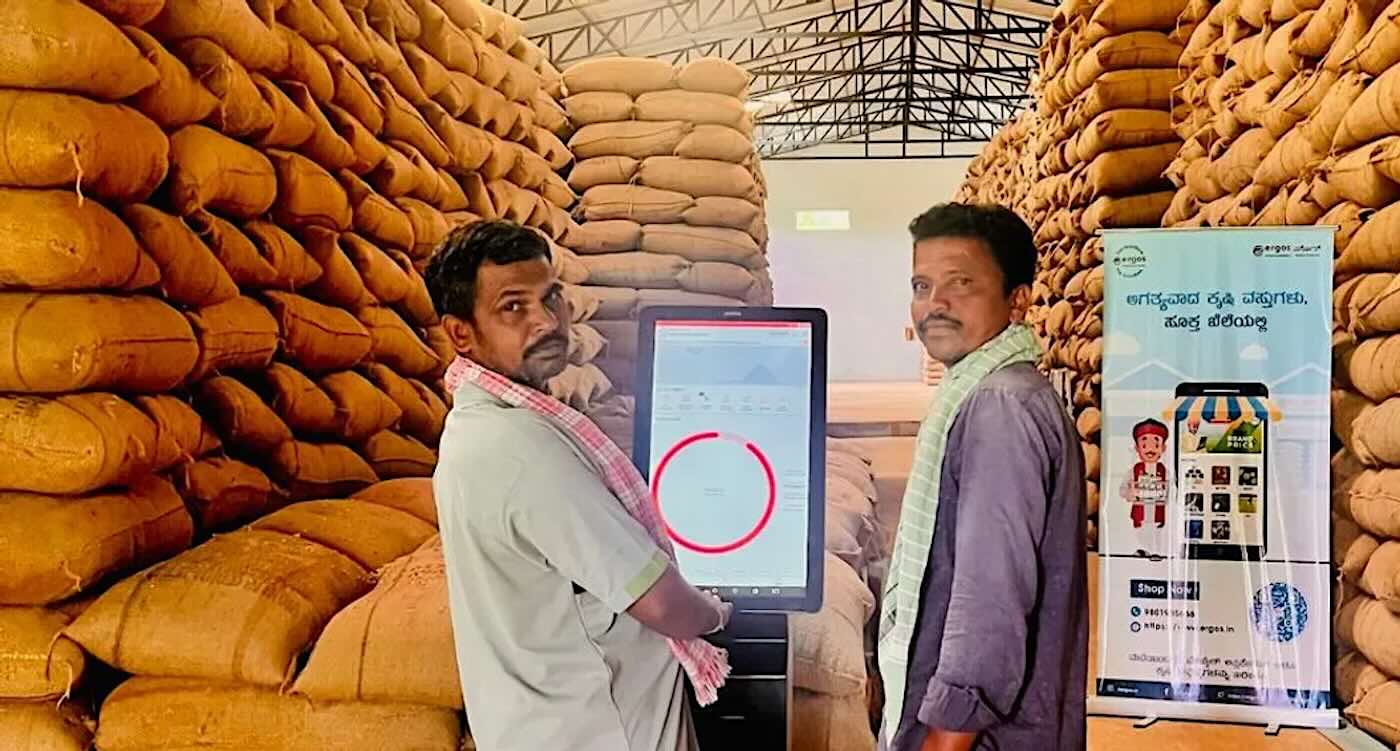
In Bihar, India, a company called Ergos has created a digital system called "grain bank accounts." Farmers can store their harvested crops at local "grain banks" in the network. They can then monitor national crop prices in real time using their phones. When prices are right, farmers sell directly to buyers through the platform. This cuts out middlemen who traditionally control the market and take big profits. Tens of thousands of farmers now use over 200 storage locations to manage their grain online.

Five Ways Quantum Technology Could Shape Everyday Life
Quantum technology is stepping out of labs and into everyday life. IBM recently unveiled two new quantum supercomputers, marking a major leap forward. Denmark announced plans to develop the world's most powerful commercial quantum computer. With billions invested globally, these machines could solve problems that current computers cannot handle — from designing better medicines to improving weather forecasts.

Tiny African fish caught climbing to the top of a 50-foot waterfall
For over half a century, Central African communities have shared stories of fish climbing waterfalls, but these remarkable claims had never been scientifically verified. Researchers have now captured footage and conducted formal studies of these tiny fish scaling a 50-foot waterfall, marking a breakthrough in understanding their remarkable behavior. The findings have been published in Scientific Reports, transforming folklore into documented science.

A potential universal flu shot? Intranasal EV vaccine protected mice from H5N1, H7N9
Researchers at Georgia State University created a nasal spray flu vaccine using tiny particles called extracellular vesicles. The vaccine protected mice from two dangerous flu strains, H5N1 and H7N9. The novel platform delivers the vaccine through the nose, which may offer better protection where viruses first enter the body. The technology could one day lead to a single shot protecting against all flu types, replacing yearly flu vaccines.

Exposing secret night operations between hawkmoths and Japan's black-nectar flowers
Researchers at the University of Tokyo discovered that nocturnal hawkmoths are the main pollinators of Jasminanthes mucronata, a plant native to Japan that produces black nectar. This is the first time a colored nectar flower has been confirmed to rely mainly on nocturnal insects. The discovery was published in the journal Ecology and opens new avenues for understanding this unexplored branch of pollination ecology.

A tiny detector for microwave photons could advance quantum tech
Detecting a single particle of light is already tricky. Detecting a microwave photon is much harder because they carry very little energy. Researchers have now created a tiny detector that can catch these weak signals. This breakthrough could help advance quantum computers and quantum communication systems.

Immune-capable cervix-on-a-chip enables study of sexually transmitted infections
Researchers have created the first 'cervix-on-a-chip' that realistically recreates the human cervical environment. This organ-on-a-chip model can simulate how the microbiome, immune system, and sexually transmitted infections interact. Until now, scientists had to rely on oversimplified cell cultures or animal tests, which don't capture the full complexity of human biology. The breakthrough could speed up research into better STI treatments.

An injectable particle could make surgery safer for infants
Scientists have designed an injectable microgel to help reduce bleeding in infants during surgery. In animal tests, the engineered microgel reduced bleeding by at least 50%. The technology, called BK-TriGs, could offer a safer way to manage bleeding in neonatal patients, who are particularly vulnerable during operations. The research was published in the journal Science Advances.
Foakes leads superb Surrey recovery at Edgbaston
Surrey found themselves in trouble at 65-6 early in their County Championship match against Warwickshire at Edgbaston. However, Ben Foakes and Tom Lawes staged a superb recovery to guide the team to 328 all out. The match took place on the first day of play.

High-throughput platform helps engineer fast-acting covalent protein drugs
Scientists at Westlake University in China have created a new tool for designing faster-acting protein drugs. The high-throughput platform lets researchers quickly test and improve protein-based medicines. These drugs work by forming strong bonds with their targets in the body. The research was published in the journal Science and could open new possibilities for treating diseases.

How calcium channel mutations disrupt early brain development in childhood epilepsy
Scientists at Baylor College of Medicine have uncovered how inherited calcium channel mutations disrupt early brain development in children. These subtle genetic changes can alter brain circuits long before seizures actually begin. The research, published in the journal Neuron, provides new insight into the mechanisms that may predispose children to epilepsy and related cognitive challenges. This discovery could help identify at-risk children earlier.