Latest News
Positive stories from around the world · Good news by country
Showing 36241–36264 of 37346 articles

New species discovered in Cambodia’s rare rocky ecosystems
Eleven new species have been discovered in the caves and rocky landscapes of northern Cambodia. The findings come from Cambodia's karst ecosystems—dramatic caves and large rocks that create unique, isolated habitats. Scientists surveyed 64 caves across Battambang and Stung Treng provinces. Seven species have already been formally described, with another four in the process of being named.

Gravity from positivity: Single massive spin-3/2 particle makes gravity logically inevitable, study claims
Researchers at CEA/CNRS in France and the Universitat Autònoma de Barcelona in Spain discovered something remarkable: gravity might not be optional. They proved that if a massive spin-3/2 particle exists in nature, gravity (and its cousin supersymmetry) becomes logically inevitable. The magic lies in just two rules that every physicist already agrees on: causality, meaning no signal travels faster than light, and unitarity, meaning probabilities always sum to 100%.

Smartphone app developed by mental health researchers improves mental habits and functioning in randomized trial
Researchers at Mass General Brigham in Boston created HabitWorks, a smartphone app that fights anxiety and depression. The app teaches users a skill called interpretation bias training — basically, how to stop automatically assuming the worst in uncertain situations. In a randomized trial, people who used the app showed improved mental habits and daily functioning. The goal is to make evidence-based mental health help more accessible through everyday smartphones.

How can science support and enable the High Seas Treaty?
The High Seas Treaty, officially called the BBNJ Agreement, became international law in January 2026. Negotiations began almost 20 years earlier, reflecting how hard it is to get countries to agree on protecting shared ocean waters. The treaty covers areas outside any single nation's control—remote waters that make up about two-thirds of our global ocean. Scientists are now helping put the agreement into practice by mapping biodiversity and guiding how the protected areas should work.

Underground lab clears crucial hurdle for dark matter hunt
Australia's Stawell Underground Physics Laboratory has passed a key test for its dark matter hunt. Researchers measured cosmic radiation levels deep inside the mine and found they are low enough for ultra-sensitive experiments. Dark matter makes up most of the universe but has never been directly detected. The Stawell team will now set up equipment to try to spot these mysterious particles. The experiment is expected to start later this year.
DeBriefed 2 April 2026: Countries ‘revive’ energy-crisis measures | Record UK renewables | Plug-in solar savings
The International Energy Agency warned that oil supply disruptions will worsen in April, citing the Iran war as a key factor. The IEA is considering releasing more oil from strategic reserves to stabilize markets. Meanwhile, US exports of liquefied natural gas reached an all-time high in March, with significant shipments heading to Asia. This week's DeBriefed also covered record UK renewables and plug-in solar savings.
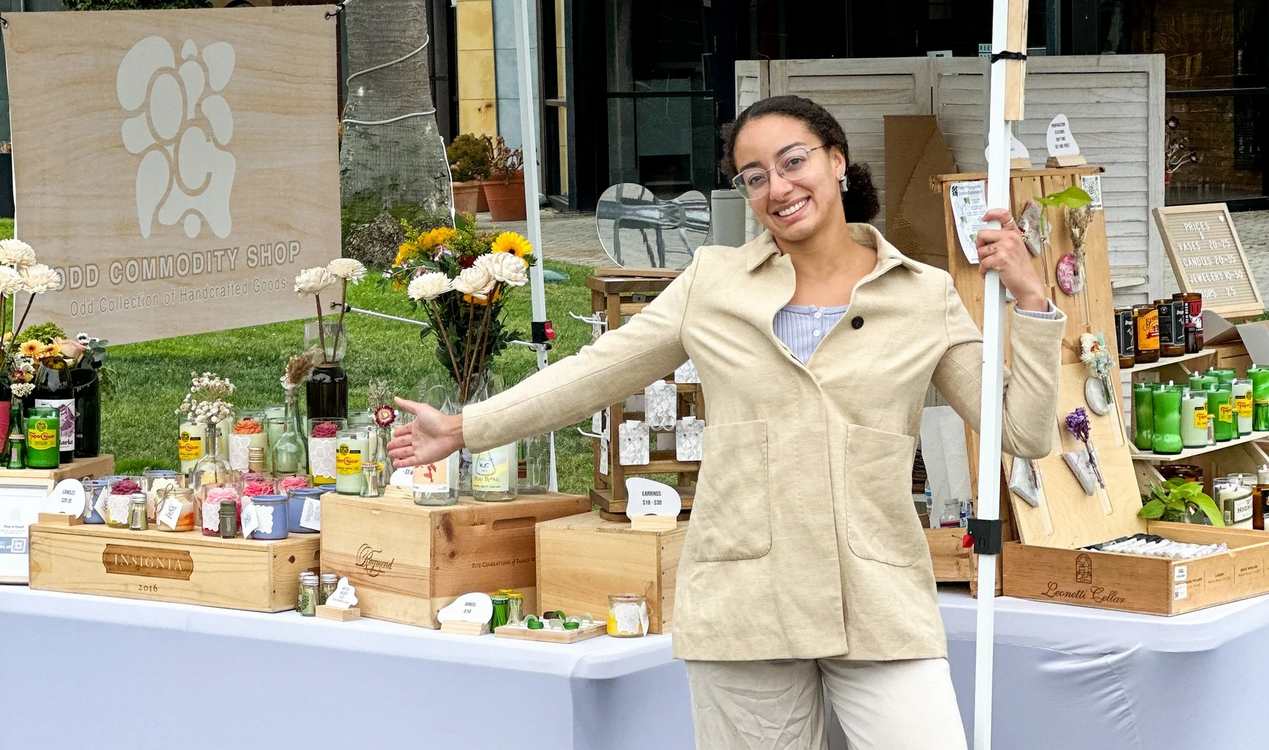
Windows Broken into Become Earrings in One Woman’s Quest to Keep Glass Out of Landfills
Car break-ins in the Bay Area inspired a creative solution. Local artisan Sydney Jones collects broken safety glass and fires it in her kitchen-top kiln. The glass's unique crystalline structure lets her shape it into floral-themed jade-green earrings. Rather than sitting in a landfill, the glass becomes wearable art with a second purpose.

DNA-binding protein blocks virulence cascade in a diarrhea pathogen outside hosts, study finds
Scientists from Ruhr University Bochum and University of Münster in Germany discovered how a diarrheal pathogen stays harmless before entering humans. The team found that a DNA-binding protein called Fis acts as a brake on virulence when the pathogen is outside the body. Fis is more abundant at cooler ambient temperatures of about 25°C, where it blocks the disease-causing cascade. Understanding this mechanism could help scientists develop new strategies to prevent these infections.

Scientists uncover how the brain resolves emotional ambiguity
Researchers at the University of Oxford made a groundbreaking discovery about how the brain reads emotions. They used focused ultrasound—sound waves—to gently adjust the amygdala, a deep brain region involved in feelings and mood. When they changed the amygdala's activity, people interpreted facial expressions differently, showing how directly this brain area shapes our social understanding. The technique is non-invasive, meaning no surgery is needed, and could eventually help scientists develop new treatments for depression and anxiety.

Ocean Discovery League launches global strategy to double deep seafloor observations
The Ocean Discovery League (ODL) has launched an ambitious plan called the Global Deep Sea Exploration Goals. The initiative aims to visually explore 10,000 carefully chosen spots on the deep ocean floor. Scientists say this will nearly double all previous deep seafloor observations combined. The result will be the first truly global visual record of Earth's least-explored environment.

Scalable sensors lower the cost of studying genetic disorders
Researchers have created a new class of low-cost, scalable sensors that monitor electrical activity in human cerebral organoids. These organoids are tiny, lab-grown structures that mimic aspects of brain tissue. Because electrical signals are central to how the brain works, these sensors give scientists a powerful new window into brain development. The technology could accelerate research into neurodevelopmental conditions like Angelman syndrome.

Software package makes gene regulation easier to study—and tweak
Scientists in Belgium have built a new computer program called CREsted that helps researchers study how genes get turned on and off in living cells. The tool solves a big problem: before, scientists struggled to compare gene-switching patterns across different animals, tissues, and datasets. Now, researchers can more easily figure out what makes genes work the way they do. The team was led by Professor Stein Aerts at VIB and KU Leuven.

New coating could improve safety of medical implants
Scientists from the University of the Sunshine Coast teamed up with researchers in China and Japan to develop a new coating for medical implants. These implants are made from magnesium, a metal that safely dissolves in the body over time. The new coating helps reduce risks that can happen when the implant breaks down. The research was conducted at UniSC's Center for Bioinnovation and involved collaboration across four institutions.

AI turns electron microscopy into materials insights in minutes
Scientists at Cornell University built an AI platform that studies electron microscopy images. These images show atoms in materials like semiconductors or crystals. Normally, analyzing such detailed images takes weeks of careful work. The new AI can do the same analysis in just minutes, letting researchers move much faster.
Molinari to be European Ryder Cup vice-captain again
Italy's Edoardo Molinari has been named vice-captain for the European Ryder Cup team once again. This will mark his third consecutive appearance in the role, supporting the captain at golf's premier team event. The 2027 Ryder Cup is scheduled to be held at Adare Manor, a luxury hotel and golf resort in County Limerick, Ireland.
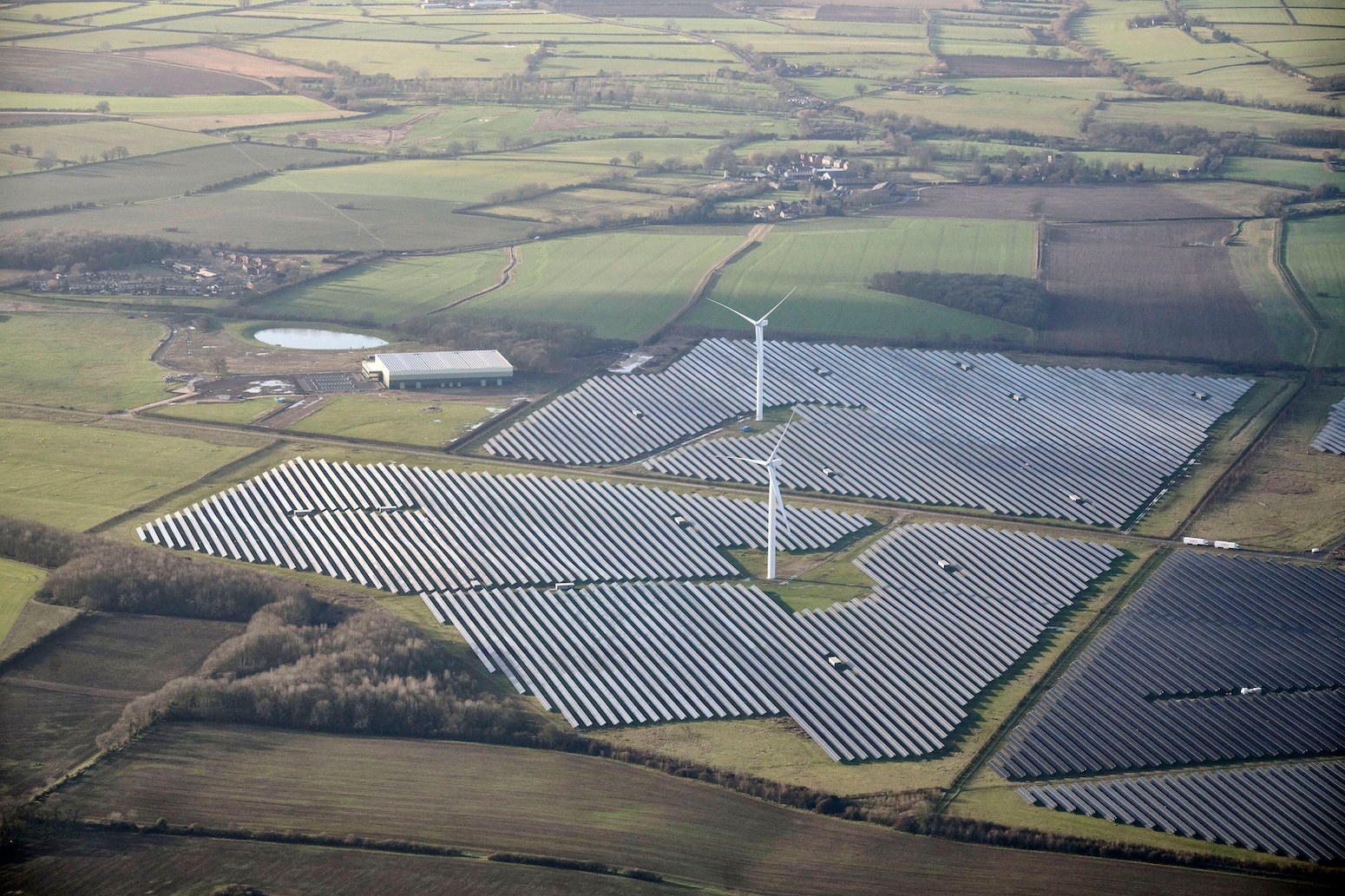
Analysis: Record wind and solar saved UK from gas imports worth £1bn in March 2026
The UK saved £1bn in gas imports during March 2026 thanks to record clean energy generation. Wind power hit a new March record, jumping 38% compared to the previous year. Solar output also stayed strong, nearly matching last year's exceptionally sunny spring. Together, wind and solar produced 11 terawatt hours of electricity, up 28% year-on-year and setting a new record for the month.

Watering smarter, not more: A modern-day robotic divining rod
Scientists at UC Riverside in California created a robotic soil moisture mapping system. The robot acts like a modern divining rod, identifying water levels across entire fields. It allows farmers to water only the trees that need it, rather than overwatering everything equally. The system aims to address overwatering problems as drought and water scarcity grow.

China Briefing 2 April 2026: EV profits rise | Ming Yang rejected | Iran war
China's environment Vice-Minister Li Gao told the China Development Forum that the country will "unwaveringly" follow a low-carbon pathway. This biweekly Carbon Brief briefing covers multiple topics including climate policy, rising profits in the electric vehicle sector, corporate developments, and regional security issues. The climate commitment statement comes as part of high-level discussions following China's annual "two sessions" government meetings.

World's oldest tortoise very much alive despite death rumors
A tortoise considered the world's oldest living land animal has been confirmed alive after false death rumors circulated online. The creature, estimated to be nearly 200 years old, has become something of a celebrity in the animal world. Fans around the globe had expressed concern when reports of its passing began spreading. The animal's continued survival is being celebrated as wonderful news for animal lovers everywhere.

First-in-class dual HIF inhibitors eliminate tumors in mice when combined with immunotherapy
Researchers at Johns Hopkins University and the University of Maryland School of Pharmacy developed novel drugs that inhibit hypoxia-inducible factors (HIF) 1 and 2. These transcription factors are called 'master regulators' of cancer progression. In mouse studies, the drugs eliminated tumors when combined with immunotherapy. This is the first-in-class discovery of dual HIF inhibitors, marking a new frontier in cancer treatment.

Ytterbium atomic clock could open a new window on fundamental physics
Researchers at Kyoto University in Japan have created a new type of atomic clock using ytterbium atoms. The clock uses an extremely rare orbital transition in these atoms to achieve both high precision and sensitivity to fundamental physics effects. This breakthrough, published in the journal Nature Photonics, could allow physicists to test the predictions of the Standard Model with unprecedented accuracy. It may even help detect mysterious phenomena like dark matter or signs of new physics beyond current theories.
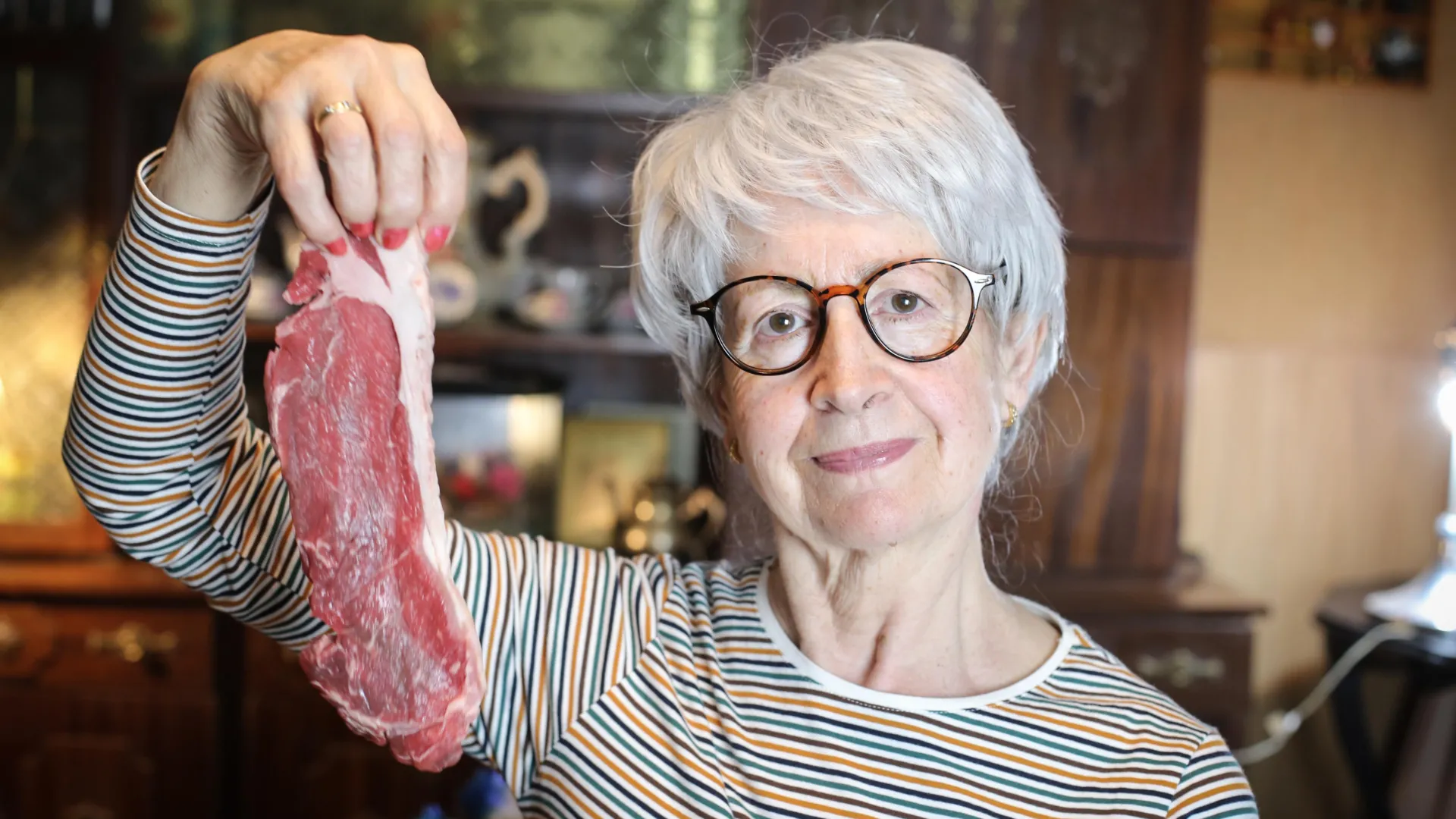
Eating more meat may lower Alzheimer’s risk for some people
Scientists have discovered something surprising about diet and dementia risk. A new study found that older adults carrying high-risk APOE gene variants didn’t follow the expected pattern of cognitive decline when they ate relatively high amounts of meat. People with these genetic risk factors who consumed the most meat actually had slower brain aging and lower dementia risk. The researchers say this challenges one-size-fits-all dietary advice, suggesting that genetics may determine which foods help or harm brain health.

Microscopic coils and coffee trees lead to new fungal discovery
Researchers in Yunnan Province, China found a previously unknown fungus living on coffee plants. Yunnan is a global biodiversity hotspot, meaning it has an incredible variety of plants and animals. It also produces nearly all of China's coffee. Coffee plants commonly host many types of fungi, which can be harmful, harmless, or even helpful to the plants.

AI-powered portable eye scanner expands access to low-cost community screening
A team at Tohoku University's Graduate School of Medicine has created a new portable device that uses artificial intelligence to scan eyes. Led by Professor Toru Nakazawa, the AI-powered slit-light scanner can be used in places far from hospitals—like elderly care homes, pharmacies, and even train stations. The goal is to make eye care more accessible to people who cannot easily visit an eye doctor. By putting AI to work, non-experts can now perform eye exams that once required specialist training.