Latest News
Positive stories from around the world · Good news by country
Showing 36313–36336 of 37346 articles

Native Americans were making dice, gambling, exploring probability millennia before their Old World counterparts
Archaeologists have uncovered what appear to be the earliest known dice in human history. Native American hunter-gatherers on the western Great Plains carved and used these dice more than 12,000 years ago at the end of the last Ice Age. The finding, published in American Antiquity, shows these ancient peoples were exploring probability and games of chance thousands of years before similar artifacts appeared in Bronze Age societies in the Old World.

Evaluating the ethics of autonomous systems
MIT researchers are creating tools to help people check if AI systems are being fair. The research focuses on autonomous systems that make big decisions, like how to distribute electricity. The team wants to help communities identify when AI might treat some neighborhoods unfairly, such as leaving lower-income areas with more power outages. The work aims to make AI decision-making more transparent and just.
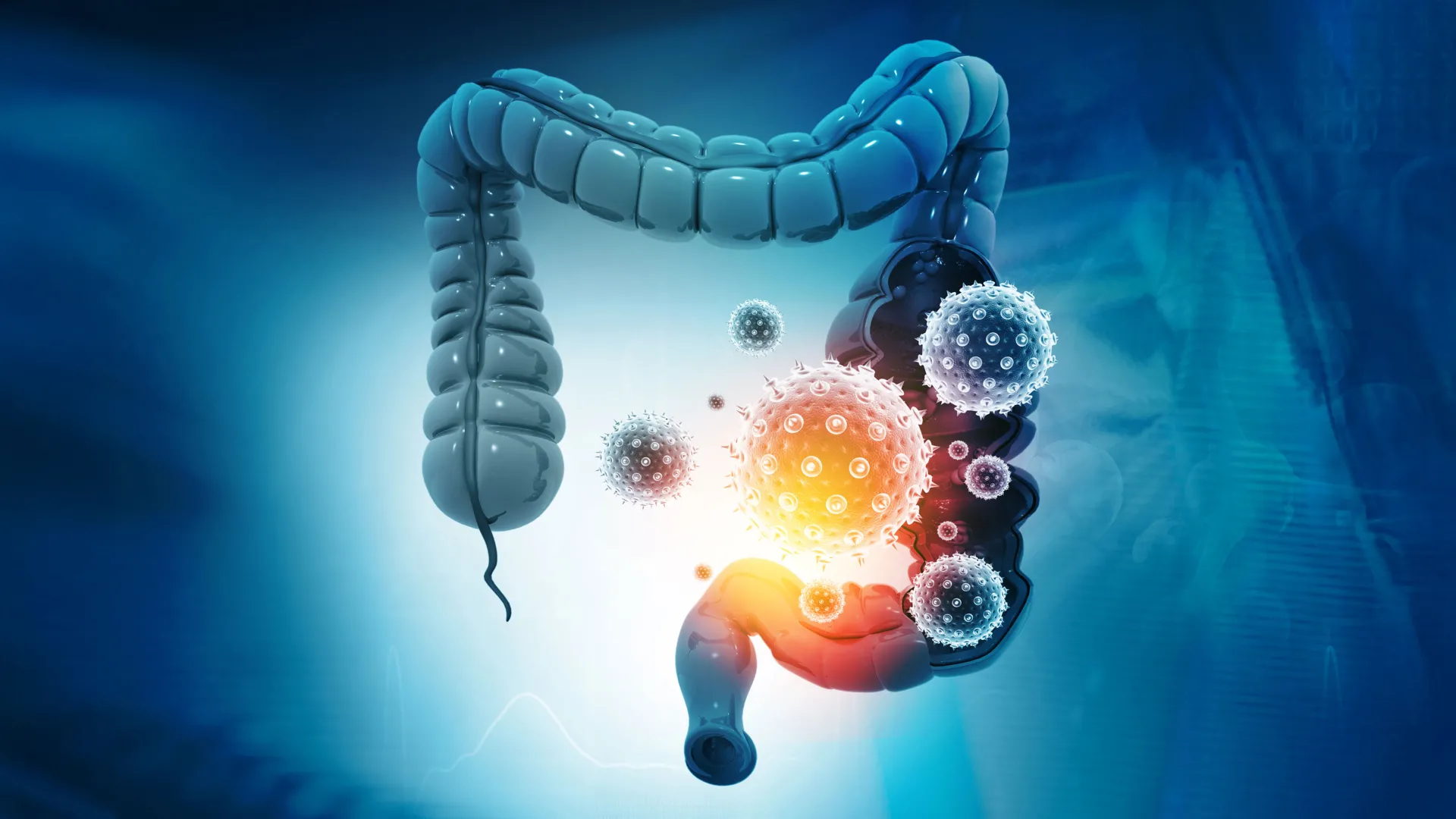
What’s hiding inside colon cancer could change treatment
Researchers studying over 9,000 patients made a surprising discovery about colorectal cancer. They found that colorectal tumors consistently host unique microbial communities, unlike other cancer types. This challenges the long-held belief that all cancers have their own microbial signatures. The finding could lead to new diagnostic tools and treatment approaches for colorectal cancer.
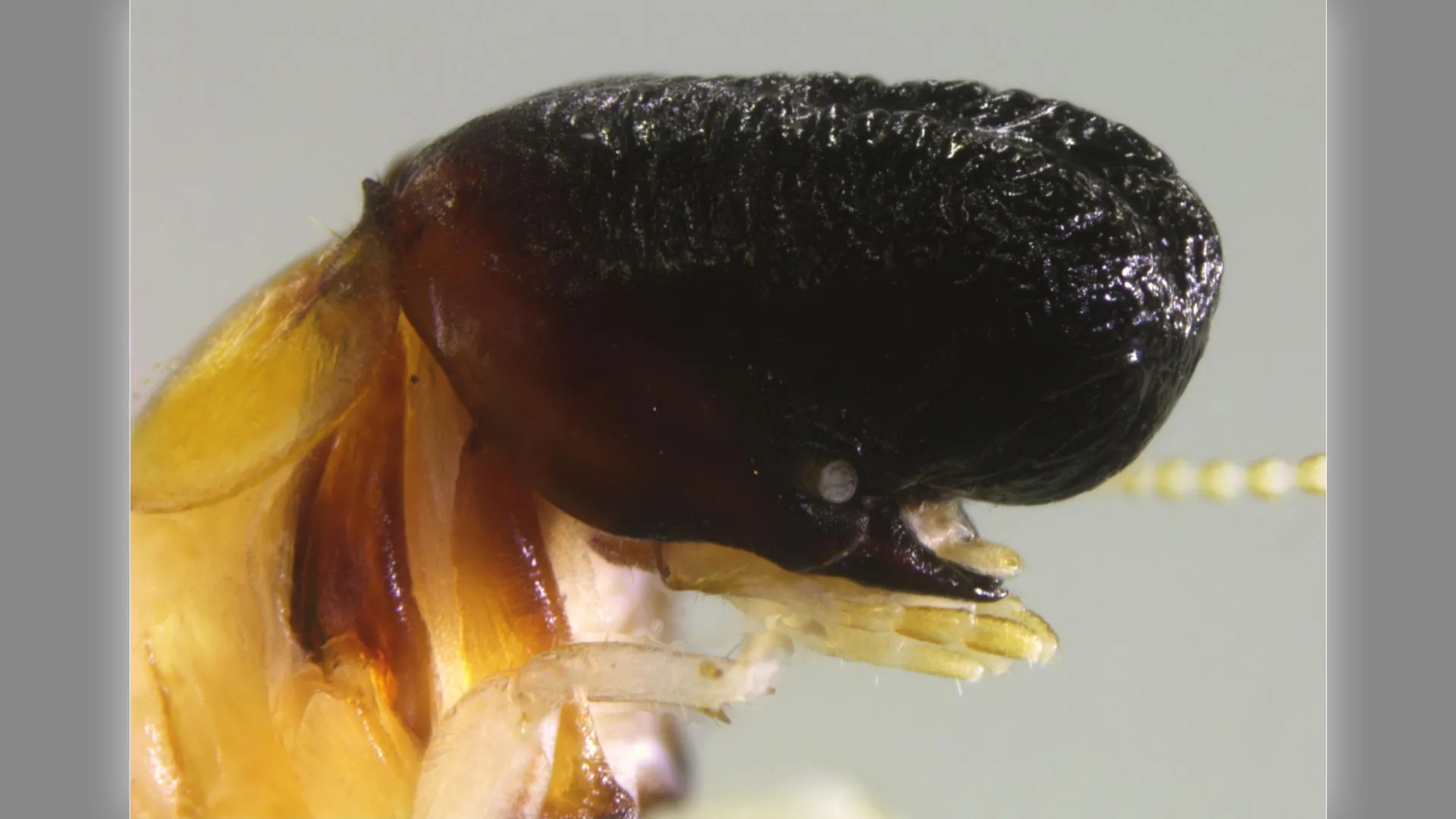
Scientists discover bizarre termite that looks like a tiny sperm whale
Scientists exploring the rainforest canopy in South America have discovered a bizarre new termite species that looks like a miniature sperm whale. The insect, named Cryptotermes mobydicki, has an unusually elongated head and hidden mouthparts that give it an uncanny resemblance to the famous ocean giant. Researchers were so surprised by its appearance that they initially suspected it might represent an entirely new genus of termites.

Where are the women? Researchers are on a quest for more representation in medical research
In Sandra Shefelbine's lab at Northeastern University in Boston, researchers are tackling a long-standing problem in science: women have been left out of medical research for decades. This has created major gaps in our understanding of how female bodies work. Shefelbine, a professor of bioengineering, studies bone biomechanics—how bones grow, adapt, and behave under different conditions. Her work helps ensure medical treatments work properly for everyone, not just men.

AI study reveals England's productivity divide is far more complex than North-South
Researchers at the University of Manchester used artificial intelligence to map productivity across England. They found that the traditional North-South economic divide story is too simple. The study applied "GeoAI" techniques combining geography and AI to analyze how productivity varies between regions. Published in the Spatial Economic Analysis journal, the research challenges assumptions about England's economic geography.

SEEG-guided radiofrequency thermocoagulation found to be beneficial for pediatric epilepsy
A new study shows that SEEG-guided radiofrequency thermocoagulation is safe for children with drug-resistant focal epilepsy. This treatment uses thin electrodes placed in the brain to find where seizures start, then gently heats and stops the problem area. Researchers found that most young patients had favorable outcomes after the procedure. The findings were published in the journal Annals of Clinical and Translational Neurology.

New study sheds light on health disparities of bi+ dementia caregivers
Assistant Professor Krystal Kittle led the research at the School of Public Health and Health Sciences. Her study focuses on bi+, pansexual, and queer people who care for family members with dementia. The research reveals that this group faces health disparities not experienced by heterosexual caregivers. These findings could help develop better support programs for LGBTQ+ caregivers.

Fifty years of measuring the world's cleanest air
The Cape Grim Baseline Air Pollution Station in northwest Tasmania has hit a major milestone: 50 years of continuous air quality monitoring. The remote station, located in an area known for its exceptionally clean air, has become a key part of global efforts to understand changes in Earth's atmosphere. Scientists use its data to track how human activities are affecting air quality worldwide.

Do genes dictate how lifestyle choices impact aging?
Researchers at Adelaide University led an international study exploring how genetics interact with lifestyle factors in healthy aging. The findings reveal that behavioral and socioeconomic influences on aging differ depending on a person's DNA. This discovery could help develop more personalized approaches to healthy aging in the future. The study highlights the complex relationship between genes and lifestyle choices.

Rethinking Europe's nature reserves
Natura 2000 is a landmark EU conservation project covering about 27,000 protected areas across all EU member states. The network aims to safeguard wild plant and animal species along with their natural habitats. Experts say it represents the world's largest transnational coordinated approach to nature protection. The network is being reassessed and updated as conservation science evolves.

Health literacy initiative improves discharge education, readmission rates
A California children's hospital found that checking families' health literacy when their child is admitted helps. Staff then tailor discharge instructions to match each family's reading level. This simple change reduced how often pediatric heart surgery patients needed to return to the hospital. Parents and caregivers also felt more confident and satisfied with the care they received at home.

Mercury scout mission concept with solar sail propulsion
Scientists are working on a new concept for exploring Mercury using solar sails. This tiny spacecraft would catch particles of light from the sun and use their gentle push to drift through space. The big advantage is that no fuel would be needed. This could make visiting our solar system's innermost planet much more affordable.

Linda Dakin-Grimm and Geo Chen join Mongabay’s board as it expands global coverage
Mongabay expands its board of directors with Linda Dakin-Grimm and Geo Chen. Dakin-Grimm is a former senior partner at Milbank LLP who now does pro bono immigration work. Chen brings environmental expertise. The additions strengthen Mongabay's capacity to advance its mission of producing high-impact environmental journalism worldwide.
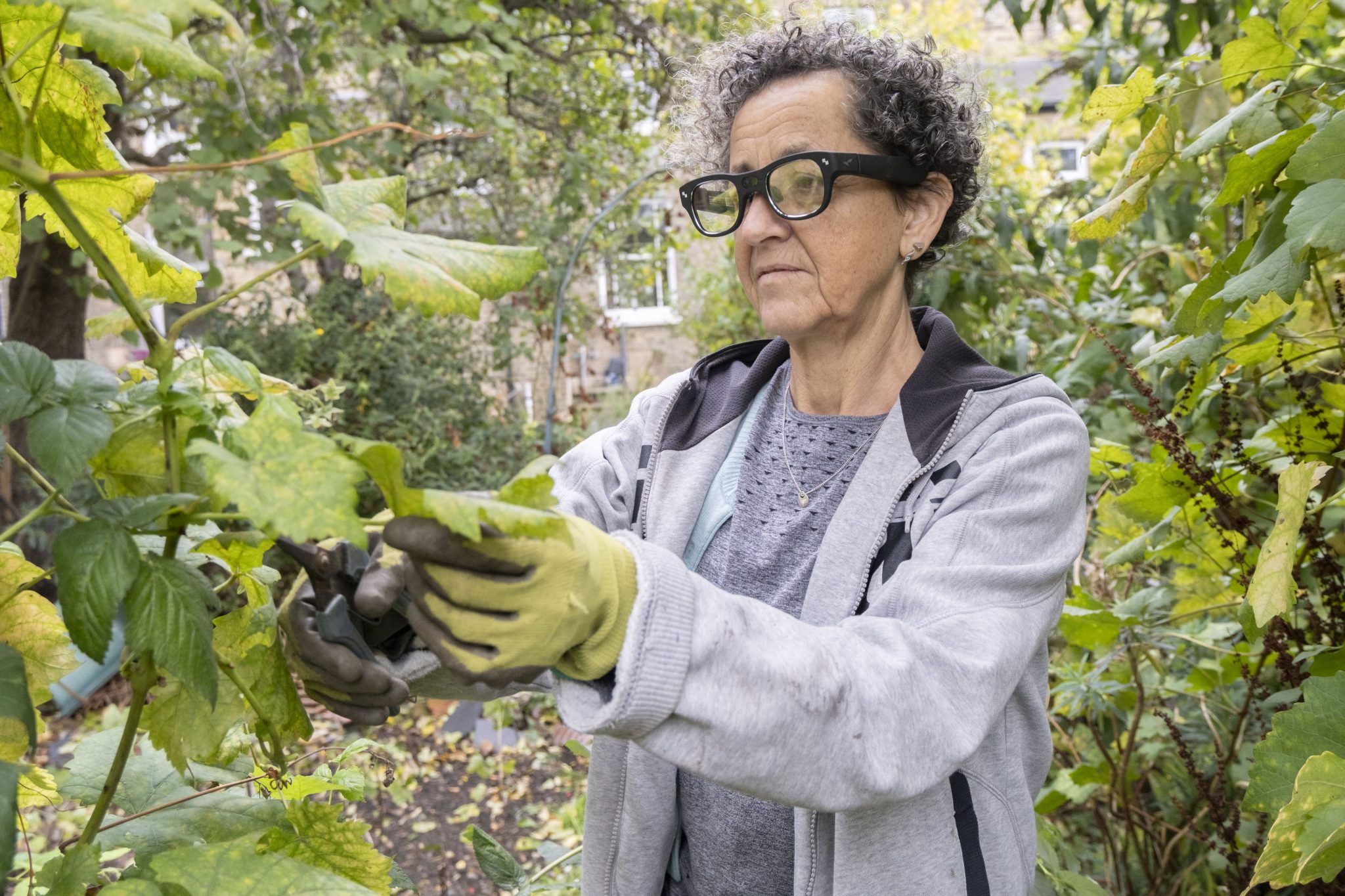
How AI-powered smart glasses could transform dementia care by 2027
A new AI technology called CrossSense is giving hope to people living with dementia. Smart glasses powered by artificial intelligence can help patients maintain independence in their daily lives. Carole Greig, 70, who was diagnosed with Alzheimer's nearly three years ago, tested the technology and praised how it could help people cope on their own. The technology is expected to become more widely available by 2027.

Easter around the world: 9 traditions beyond the egg hunt
Easter is observed by roughly 2.4 billion Christians worldwide, spanning many countries, climates, and histories. The holiday takes many forms beyond the familiar egg hunt. In Florence, Italy, Easter Sunday features the Brindellone, a nine-meter-tall antique cart hauled through the streets by white oxen decorated with flower garlands. This centuries-old tradition represents how communities come together to celebrate shared cultural heritage each spring.

ACC: Expanding eligibility for low-income subsidies can improve CVD medication adherence
Research published in the Journal of the American College of Cardiology found that expanding low-income drug subsidies to Medicare beneficiaries earning up to 150% of the federal poverty level reduces cost-related medication nonadherence. The study focused on patients with cardiovascular disease or major cardiovascular risk factors. This policy change helps people afford their heart medications instead of skipping doses due to cost. The findings were presented at the ACC's annual meeting in New Orleans.

Researchers present first fossilized 'emperor' butterfly
Researchers from Sweden, the U.S., and Germany, led by Dr. Hossein Rajaei from the State Museum of Natural History Stuttgart, have described a rare butterfly fossil. The specimen is 28 to 34 million years old and shows detailed wing patterns rarely seen in ancient insects. Butterfly fossils are extremely uncommon because their fragile wings usually decay before they can fossilize. The find offers a rare window into what butterflies looked like during that prehistoric period.

Thirty previously unpublished verses by Empedocles discovered on a papyrus from Cairo
Thirty previously unknown verses by Empedocles, a pre-Socratic philosopher from the fifth century BCE, have been found on a 2,000-year-old papyrus in Cairo. The fragment was discovered in the archives of the French Institute of Oriental Archaeology. Previously, Empedocles' work was only known through quotations preserved by later authors. The first edition and translation of these verses are now available in the book "L'Empédocle du Caire."
How Arsenal are building something 'special' in Europe
Arsenal FC, based in London, England, had a celebrated run in European football last season. The article describes their performance as having a 'fairytale ending' and suggests the club is building something 'special' for continued success. It raises the question of whether Arsenal can achieve similar magical results again this season. Sports fans in North London and beyond will be watching closely.

World's largest quantum circuit simulation for quantum chemistry achieved on 1,024 GPUs
A team from the University of Osaka and Fixstars Corporation has broken a computing record. They ran one of the world's largest quantum circuit simulations using 1,024 GPUs. This surpasses the old limit of 40 qubits. The achievement means scientists can now test quantum algorithms on bigger molecular systems. This could help bring practical quantum computers closer to reality.

First-in-class radio-theranostic utilizes novel antibody to target B7-H3 proteins in cancer cells
Researchers at MD Anderson Cancer Center in Texas have developed a first-in-class antibody that targets the B7-H3 protein, which is overexpressed in many cancer types. The antibody was designed to carry radioactive molecules that can seek out and destroy tumor cells while sparing healthy tissue. This radio-theranostic approach allows doctors to both see and treat cancer using the same targeted molecule. The breakthrough could lead to new treatments for lung, prostate, breast, and other cancers where B7-H3 is found at high levels.

Oregano, rosemary and 'time': Long-term swine study shows natural-compound benefits
Researchers in Arkansas have shown that common herbs like rosemary and oregano may replace antibiotic drugs in pig farming. A long-term study found that phytochemicals from these plants helped weaned pigs maintain healthy guts and grow normally. This matters because antibiotics in livestock contribute to dangerous antibiotic resistance in humans. Natural plant compounds could provide a safer path forward for the farming industry while still keeping animals healthy.
Little wants more Champions League success as Arsenal reach final four
Arsenal Women have advanced to the semi-finals of the Women's Champions League after beating Chelsea 3-2 over two legs. Captain Kim Little praised the team's progress, saying they are getting better. Arsenal, who won the competition last season, are now just two wins away from defending their title. This is a significant achievement for women's football in England.