Latest News
Positive stories from around the world · Good news by country
Showing 36337–36360 of 37346 articles

Stretching metals can tune catalysis: A new method predicts energy shifts
Scientists have created a new way to predict what happens when you stretch metal catalysts. The method shows how mechanical strain changes the energy of chemical reactions on metal surfaces. This could lead to better industrial catalysts for ammonia production, car exhaust systems, and clean hydrogen fuel. The work helps engineers design more efficient chemical processes using a simple trick—stretching the metal.

Australia’s flying foxes offer valuable services & deserve better reputation: Study
Flying foxes, also known as fruit bats, are proving their worth across eastern Australia. A new study in Scientific Reports found these mammals provide millions of dollars in economic value to the timber industry. They spread seeds in their droppings and carry pollen between flowers, helping new trees grow. The research aims to give flying foxes a better reputation after years of being seen as pests.

Chaos shapes how meandering rivers change over time, research shows
Rivers often look calm on maps, but their winding paths shift constantly. A new study shows that sudden cutoff events—where rivers snap off looping bends—can make river evolution unpredictable. Scientists had suspected cutoffs added randomness, but this research proves these events alone can create true chaos in river channels. This helps us better understand how rivers reshape the land around them.

A stiff defense: Physical rigidity of healthy gum tissue found to shield against chronic periodontal inflammation
Scientists have discovered why healthy gum tissue resists disease while diseased tissue deteriorates. The key lies in the physical rigidity of healthy tissue, which acts as a natural defense mechanism against inflammation. Periodontitis affects millions worldwide and can lead to tooth loss, bone destruction, and has been linked to other health problems including diabetes and heart disease. This research helps explain the biological difference between healthy and diseased gum tissue.

Fins, fingers and toes: A new take on repeating body parts and how they come to be
Scientists have spent nearly 20 years tracing how fish fins transformed into limbs with fingers and toes. A new study from the Marine Biological Laboratory and University of Chicago shows that ancient fish already possessed the cellular machinery needed for digits, even before animals walked on land. The research sheds light on a major transition in vertebrate evolution, revealing that the genetic blueprints for limbs existed far earlier than previously thought.
Bompastor sent off as Arsenal reach Champions League semi-finals
Arsenal Women progressed to the Champions League semi-finals after a dramatic 3-2 aggregate win over Chelsea. They lost the second leg 1-0 but held on to advance. The north London side are now one step away from successfully defending their European title. A Chelsea player was sent off during the match.

Virus-inspired DNA needle could pave the way for better medicines
Researchers at Aarhus University in Denmark built a microscopic DNA needle that can deliver medicine molecules straight into cells. The key innovation is that it helps these molecules stay active once inside, rather than being sealed away in tiny bubbles called endosomes. This endosome trapping is a major reason why many promising medicines fail to work. The new tool could make drug treatments far more effective for a wide range of diseases.
Trump beats Murphy in final-frame decider to reach semis
World number one Judd Trump defeated Shaun Murphy in a thrilling final-frame decider at the Tour Championship. The match ended 10-9 in Trump's favour after a closely contested quarter-final. This victory means Trump advances to the semi-finals of the prestigious snooker tournament. The match was held in the United Kingdom, where the Tour Championship takes place.

New model shows how behavioral flexibility affects animal evolution
Researchers have developed a new model demonstrating how behavioral flexibility is crucial for animal survival amid climate change. Examples include California marmots moving to wetter, steeper terrain to escape rising temperatures, and polar bears adapting their diets to include birds' eggs and reindeer as sea ice vanishes. The study suggests behavioral changes may be an underestimated driver of evolution. This research highlights how many species are actively responding to environmental pressures rather than facing extinction.

Cause or effect? Study answers question about gene linked with colorectal cancer
Scientists at Harvard Medical School have solved a long-standing puzzle about colorectal cancer. For decades, researchers wondered whether a genetic flaw found in nearly all human colorectal cancers was simply a side effect of the disease or an actual trigger. The team deleted a single gene called COSMC in the intestinal cells of mice. The result: invasive colorectal cancer developed. This proves the genetic defect is a cause of cancer, not just an accompaniment, which could guide future prevention and treatment strategies.
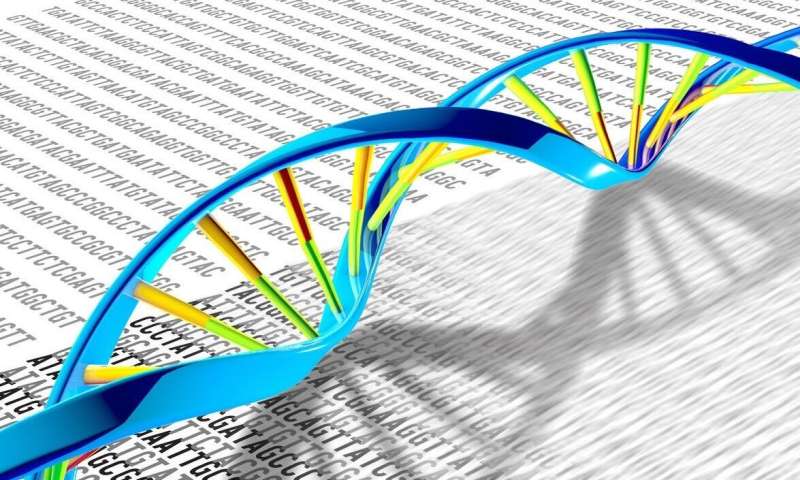
Precision work prior to cell division: How enzymes optimize DNA structure
Scientists uncovered how cells prepare their genetic material for division. DNA exists as chromatin, wrapped around histone proteins in structures called nucleosomes. Enzymes carefully manage this packaging to allow accurate copying of the genetic code. The research reveals the precise molecular steps cells use to ensure their genetic information is duplicated correctly.

Gemini South confirms long-suspected link between the composition of exoplanets and their host stars
Astronomers using the Gemini South telescope have confirmed that giant planet WASP-189b shares the same chemical makeup as its host star. This marks the first-ever simultaneous measurement of two gases, magnesium and silicon, in a planet's atmosphere. The discovery supports a foundational idea in astrobiology — that planets form from the same material as their stars. The findings were published in the journal Nature Communications.

A global butterfly index could advance insect conservation worldwide
About 70% of all species on Earth are insects, and they make up half of the planet's biomass. Insects play vital roles like pollinating flowers, breaking down dead matter, and feeding other animals. Butterflies are particularly useful for scientists because they reflect the health of their ecosystems. A proposed global butterfly index would help researchers track insect populations and guide conservation efforts before these creatures disappear.

Alzheimer's risk reduced after high-dose influenza vaccination vs. standard dose, study finds
Researchers at UTHealth Houston discovered that older adults who receive a high-dose flu shot have a lower risk of developing Alzheimer's disease. The study, published in Neurology, compared people who got high-dose flu vaccines with those who received standard doses. The researchers found that the stronger vaccine seemed to offer better protection against Alzheimer's. This adds to growing evidence that vaccines might help protect brain health as people age.

Time lapse video shows trees give visual clues as they rehydrate each spring
Researchers at UBC Okanagan discovered that trees give simple visual clues when they are drinking water each spring. By watching how tree branches move, scientists can tell if a tree is well-hydrated or water-stressed. The branches visibly raise and lower as trees absorb water. This easy-to-spot pattern could become a useful tool for monitoring forest health without needing complex equipment.

Small intestinal bacterial overgrowth linked to worsening symptoms in allergic diseases
Researchers reviewed existing studies and found that an overgrowth of bacteria in the small intestine, called SIBO, could make allergic diseases worse. Conditions linked include bronchial asthma, food allergies, and chronic urticaria (long-lasting skin hives). Allergies are usually blamed on the immune system, genetics, and environment. Now gut bacteria joins that list. More research is needed to confirm the connection and explore treatments.

Targeted therapy improves long-term outcomes for patients with rare mutations driving lung cancer
In a phase 1/2 clinical trial spanning 42 months, researchers at Mass General Brigham Cancer Institute tested pralsetinib on 281 patients with advanced RET fusion-positive non-small cell lung cancer. The FDA-approved targeted therapy works by blocking RET proteins that drive tumor growth. Results showed durable responses and manageable side effects for most patients. This offers new hope for people with this rare genetic form of lung cancer.

Molecular system can distinguish and neutralize cancer cells, paving the way for 'smart' drugs
Scientists at the University of Geneva have built a new cancer-fighting tool using synthetic DNA strands. These tiny DNA programs act like guided missiles, hunting down cancer cells while leaving healthy cells alone. Once they find their target, they release their drug payloadright at the tumor. This precision targeting could spare patients from the harsh side effects of traditional chemo. The team says this breakthrough could lead to a new generationof "smart" cancer drugs.

Gravitational waves suggest a 'forbidden zone' for stellar-origin black holes
Scientists have found surprising evidence about how black holes form in space. An international team from Monash University in Australia discovered signals from a rare type of exploding star. These explosions seem to create black holes in a 'forbidden zone'—a mass range where scientists thought black holes couldn't exist. The finding helps explain one of the most powerful events in the universe: when massive stars end their lives and collapse into objects with gravity so strong that even light cannot escape.

Planning a pregnancy? Study suggests antibiotic timing may affect mental well-being
A recent study examines the connection between antibiotic use timing and perinatal depression in women. Perinatal depression is a common mental health condition affecting women during pregnancy and the postpartum period. The research reveals emerging evidence suggesting an association between antibiotic use and maternal mental health outcomes. Understanding these connections may help inform safer pregnancy planning decisions.

New microporous aerogel uses van der Waals forces for flexible, moldable shaping
Scientists have developed a new type of microporous aerogel that can be bent and shaped unlike traditional porous materials. Most porous materials are brittle because they rely on strong chemical bonds holding them together. This new aerogel uses weak van der Waals forces between particles instead, allowing it to flex without breaking. The material could help with gas storage, separating chemicals, and cleaning up pollution.

Why some predators thrive near people: A Kenya hyena study highlights tolerance
A study by researchers at the University of Helsinki has revealed why some predators like spotted hyenas manage to thrive near human settlements in Kenya, defying the usual pattern of wildlife decline. The key factor is human tolerance—when communities accept predators rather than seeing them as threats, the animals can live successfully alongside people. Most predators struggle near farms and villages, but hyenas near certain Kenyan towns are bucking this trend thanks to supportive local attitudes.
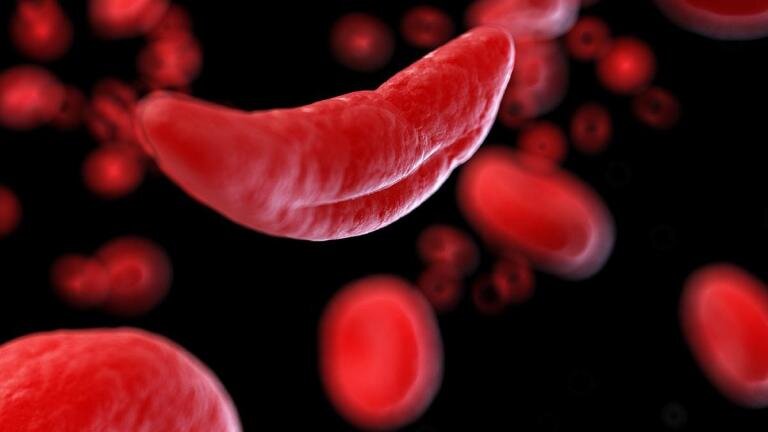
Gene editing therapy shows success against severe sickle cell disease
A groundbreaking gene-edited treatment for severe sickle cell disease has shown remarkable success in clinical trials. The multicenter RUBY Trial reported that 27 out of 28 patients experienced no painful sickle cell crises after treatment — what doctors call a 'functional cure.' Sickle cell disease is a genetic blood disorder causing severe pain and organ damage. This therapy marks a major advance, giving patients a potential long-term solution where few existed before.

Q&A: What to know about NASA's first crewed moon landing since 1972
NASA's Artemis II mission will send astronauts to the moon for the first time in over 50 years. The launch is scheduled for April 1, 2026, with backup opportunities through early April. Unlike the brief Apollo visits of the past, this mission focuses on sustained exploration. Astronauts will study lunar geology and resources to prepare for longer-term human presence on the moon.