Latest News
Positive stories from around the world · Good news by country
Showing 37105–37128 of 37342 articles
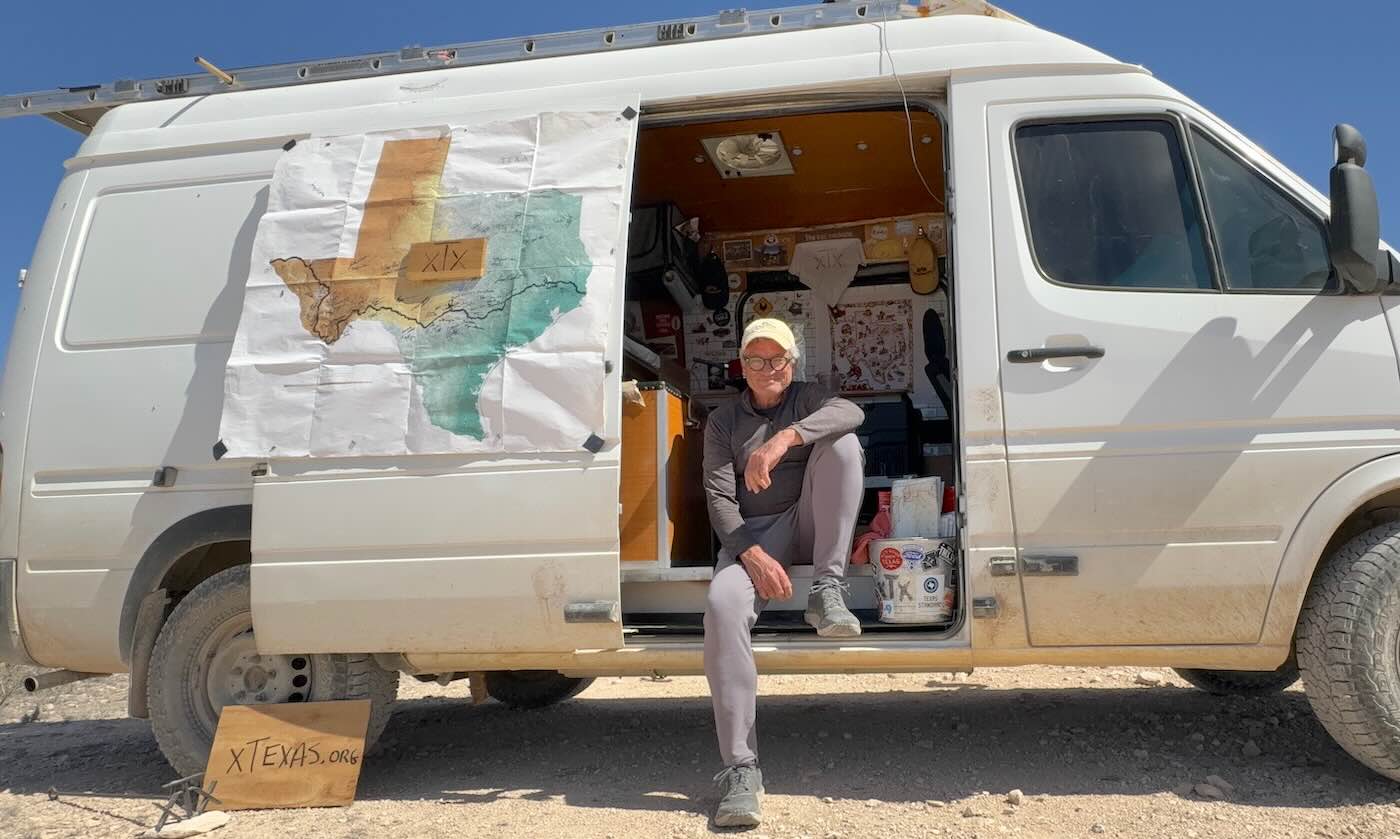
Pioneer is First to Cross Texas Along His New xTx Trail – 1,500 Miles Devised for Hikers, Cyclists and Horses
Charlie Gandy, 67, has become the first person to complete the Cross-Texas Trail (xTx), America's newest long-distance route stretching 1,500 miles across the Lone Star State. The retired outdoor enthusiast spent years planning the trail and invested $15,000 of his own money to make it a reality. Gandy designed the route to welcome hikers, cyclists, and horseback riders alike. He now hopes the xTx will grow into a beloved destination similar to the famous Appalachian Trail on the East Coast.

Poland: Supreme Administrative Court confirms EU law obligation to recognise same-sex marriages concluded abroad
Poland's Supreme Administrative Court confirmed that refusing to recognize same-sex marriages from other EU countries is incompatible with EU law. The court ordered the Civil Registry Office in Warsaw to transcribe the foreign marriage certificate of Jakub Cupriak-Trojan and Mateusz Trojan within 30 days. The case, ongoing since 2019, sets a precedent requiring all civil registries across Poland to follow the same interpretation.

Community Dads Raise Thousands to Surprise Beloved School Crossing Guard with a New Car
A group of dads from Moss Haven Elementary School in North Texas came together to raise thousands of dollars for a heartfelt surprise. Their target was Ms. Trecia Crawford, the school's beloved crossing guard known for her kindness and dedication to keeping every child safe. When she was presented with a brand new car, the gesture left her completely shocked. The whole community celebrated as the story of their generosity spread.
Google DeepMind Plans to Track AGI Progress With These 10 Traits of General Intelligence
Google DeepMind researchers have proposed a new framework to measure progress toward artificial general intelligence (AGI). The framework identifies 10 specific traits that could serve as concrete benchmarks for evaluating AI capabilities. This aims to move beyond the vague, often hyped claims about AGI toward measurable, rigorous standards. The researchers hope this open framework will bring more scientific clarity to discussions about AI progress.
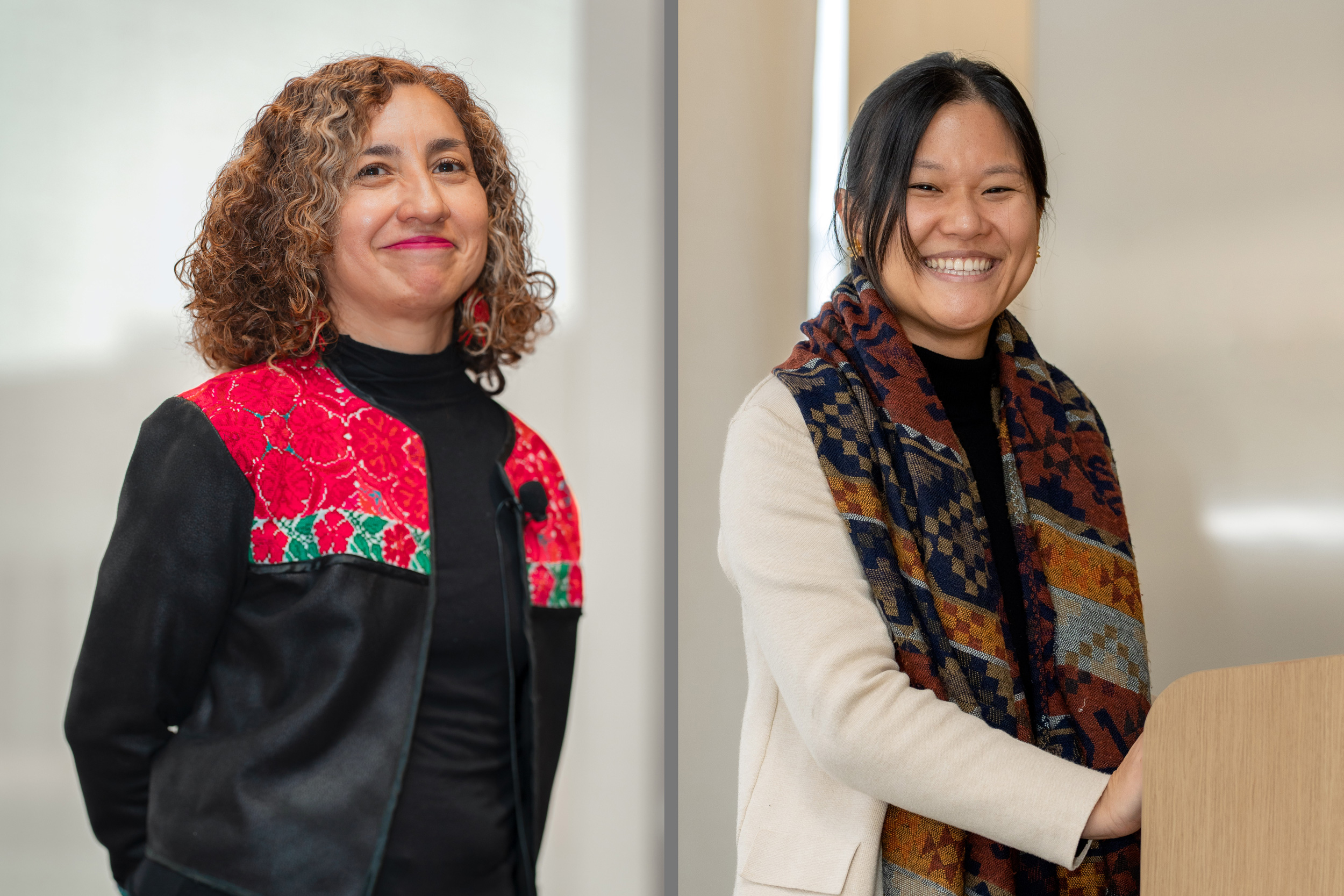
What’s the right path for AI?
MIT in Cambridge, Massachusetts held a conference exploring AI's impact on society. Journalist Karen Hao gave a keynote arguing for a new approach to AI development. She called for scaling back massive data use and large model growth. The event brought together voices debating who should benefit from AI technology.
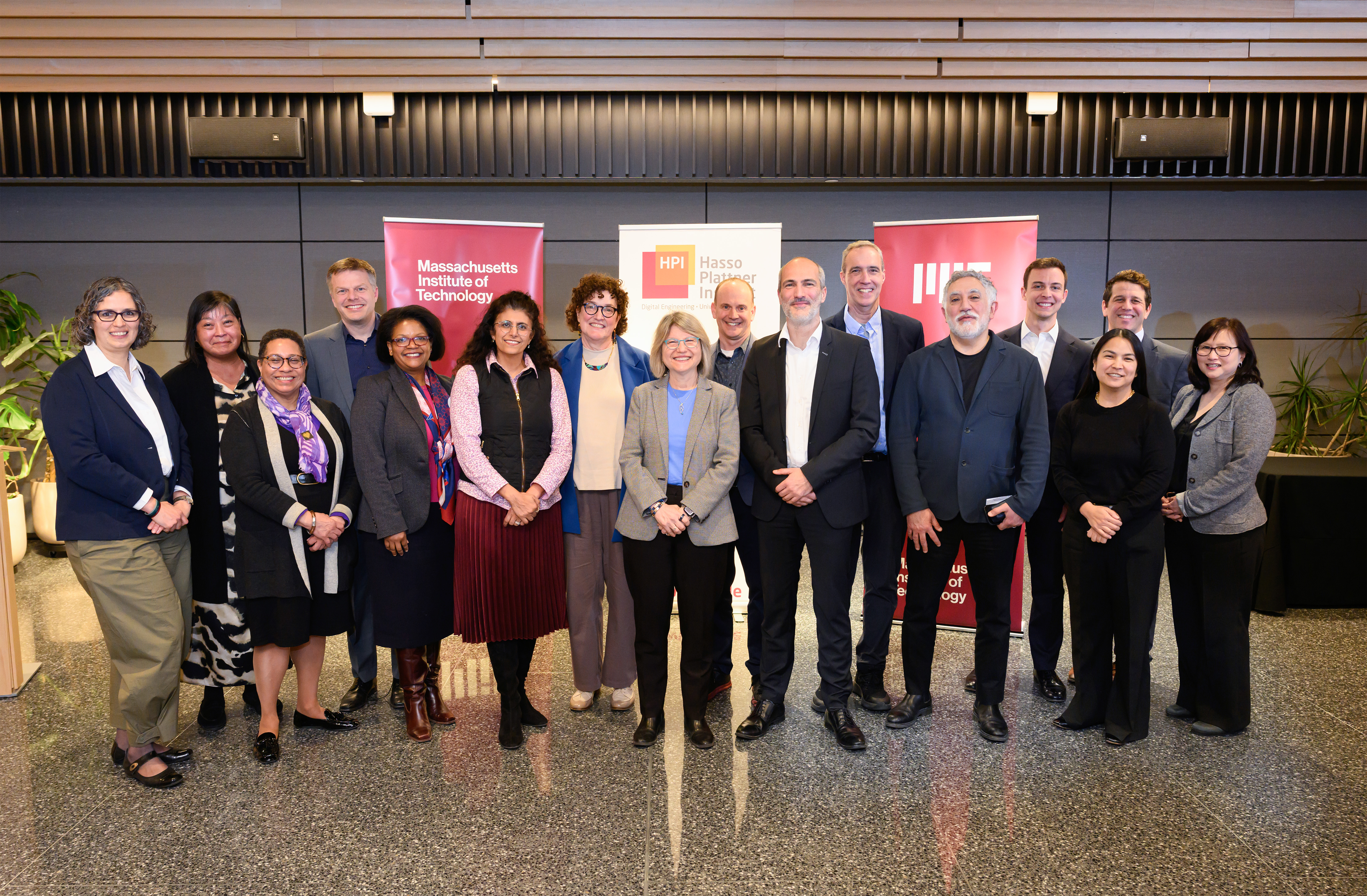
MIT and Hasso Plattner Institute establish collaborative hub for AI and creativity
MIT and the Hasso Plattner Institute (HPI) in Germany have launched a joint AI and Creativity Hub called MHACH. The 10-year initiative aims to bring together computer scientists and designers to study how AI tools can boost human creativity. The collaboration spans both institutions' academic programs and represents a long-term commitment to interdisciplinary research. This partnership bridges leading tech research in the US and Germany.

A former refugee takes on a world in flight
Barham Salih grew up as a Kurdish exile in Iraq, forced to flee his homeland due to repression. Today, he holds one of the most demanding jobs at the United Nations: leading global efforts to protect and assist refugees. The world currently faces an unprecedented displacement crisis, with more than 117 million people forced from their homes by conflict, persecution, and violence. Salih's personal history of displacement gives him a unique perspective as he navigates international efforts to address what he calls a world 'in flight.'
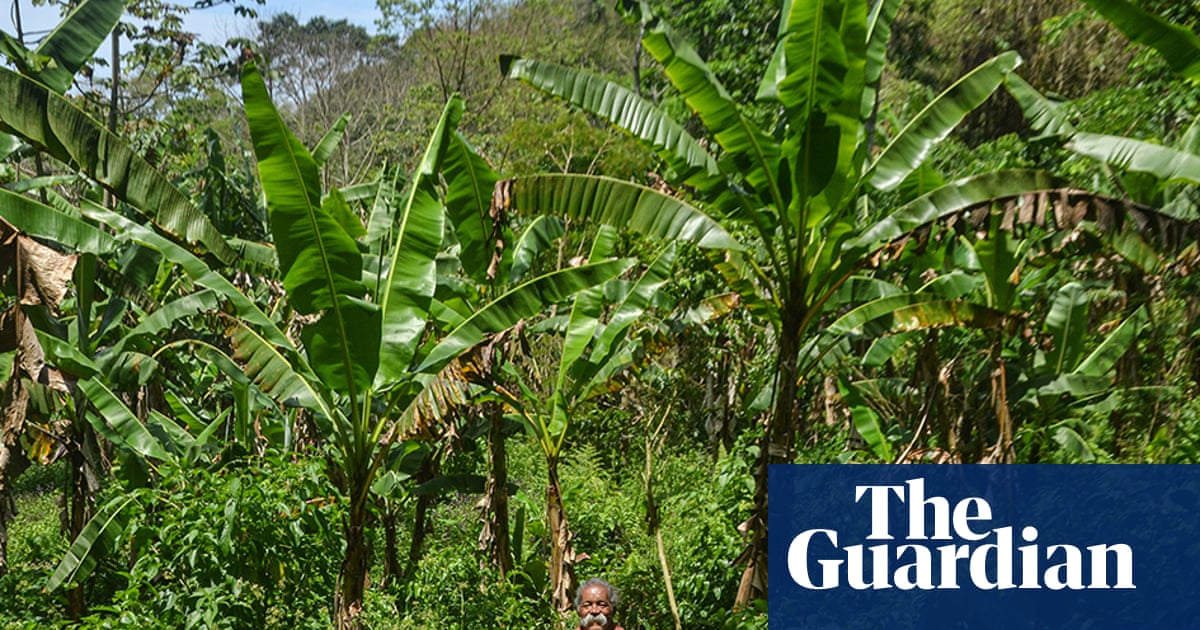
‘Agriculture of life’: the Rio families growing bananas to protect the world’s largest urban forest
In Rio de Janeiro's Vargem Grande neighbourhood, traditional Quilombola families are farming bananas in a way that actually helps nature. Jorge and Ubirajara Cardia, brothers from the Cafundá Astrogilda community, harvest their crops while leaving the surrounding native forest intact. Their ancestral farming method blends banana cultivation with the native species of Pedra Branca State Park. This park is the world's largest urban forest, and these families are proving that food production and wildlife protection can go hand in hand.

Cancer deaths fall to historic low in UK – this is probably why
Cancer deaths in the UK have dropped to their lowest level ever recorded, marking a significant milestone in public health. Experts credit this improvement to expanded screening programmes that catch cancers earlier, when they are easier to treat. Advances in cancer treatments, including targeted therapies and immunotherapy, have also contributed to better survival rates. This historic decline reflects years of investment in cancer care and prevention across the National Health Service.

‘Hybrid organ’: how a union of trees and fungi could revolutionise forest management
A US startup is using fungi to transform how forests are managed. Their special spray is applied to loblolly pine trees, a common species in the southeastern United States. The fungi work with the trees' roots to help them absorb nutrients more efficiently. This means trees grow faster, biodiversity improves, and farmers need less artificial fertiliser.

Can a Legendary Tree Keep Louisiana’s Coastal Lands From Slipping Away?
Louisiana is testing whether bald cypress trees can help stop its coastline from vanishing. The trees grow naturally in wet, swampy soil where other species drown, and they can survive for hundreds of years. Because Louisiana holds 40% of all wetlands in the continental United States, protecting this area matters for the whole country. Ecosystem experts hope these long-lived trees can act as nature's own shoreline defenders against rising seas and erosion.

What went right this week: big cities breathed a little easier, plus more
Positive News shared its weekly roundup of good-news stories, featuring big cities around the world that breathed easier this week. The collection highlights improved air quality in urban centres as a standout win. Beyond cleaner air, the roundup includes other uplifting stories from the past seven days. The piece comes from Positive News, a publication dedicated to hopeful, solutions-focused journalism.

Woman has sentence quashed by Tanzania court after over a decade on death row
Lemi Limbu, who has severe intellectual disabilities, was sentenced to death in 2015 for the murder of her daughter. On March 4th, a court in Shinyanga, northern Tanzania, quashed her conviction and death sentence, allowing her to appeal. However, she has not been freed—she will face a retrial while still imprisoned. Her case highlights ongoing concerns about fairness in Tanzania's justice system for people with disabilities.

A Record Number of Americans Can Access Paid Leave
A record one in three American workers now have access to government-issued paid leave, marking the biggest share ever. The United States remains one of only a handful of countries without a federal paid leave mandate, leaving many workers to rely on employer generosity or state programs. The milestone reflects growing momentum from state-level paid leave laws that have expanded coverage significantly. Still, experts note that millions of workers lack any paid leave protections.

Amid energy market turmoil, the people taking power into their own hands
The article explores how communities worldwide are taking energy matters into their own hands amid market volatility. Instead of relying on big energy companies, these groups are forming cooperatives and installing local renewable energy sources. The movement spans both wealthy nations and developing countries, showing how ordinary people can build resilient, affordable power systems. This grassroots approach offers a practical alternative to traditional energy markets.

Manure dryers and devil dancers: the British empire attempt to use photography as a tool of control
A new exhibition showcases 150-year-old photographs taken during British colonial rule in India. These images reflect Britain's attempts to classify and control the Indian subcontinent's population through systematic documentation. While the photos were meant to reduce people to objects of study, the subjects' nobility and humanity shine through. The exhibition ultimately demonstrates both the reach of colonial power and its ultimate futility in truly capturing or containing human spirit.
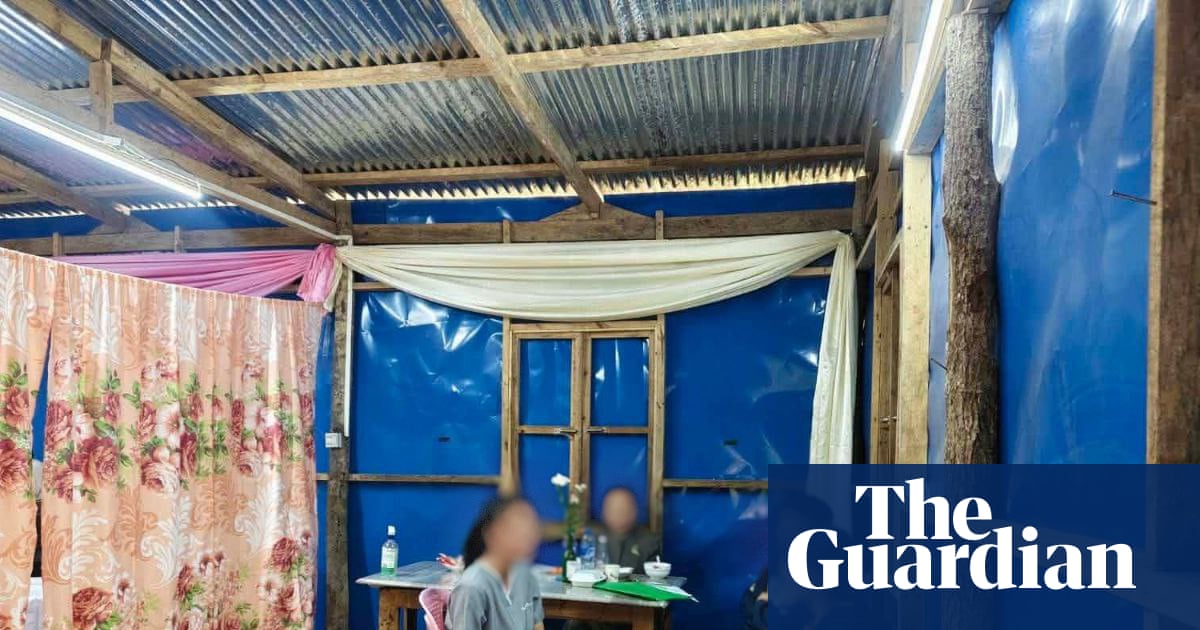
The Myanmar nurses dodging drones to graduate from a secret jungle school
Twenty-one nursing students in Myanmar have graduated from a secret jungle school after completing a three-year degree program. They trained in hiding, dodging spy drones from the military junta and working around internet blackouts. The graduates are now part of an underground health system, ready to treat displaced civilians and pro-democracy fighters who cannot safely access government-run hospitals.
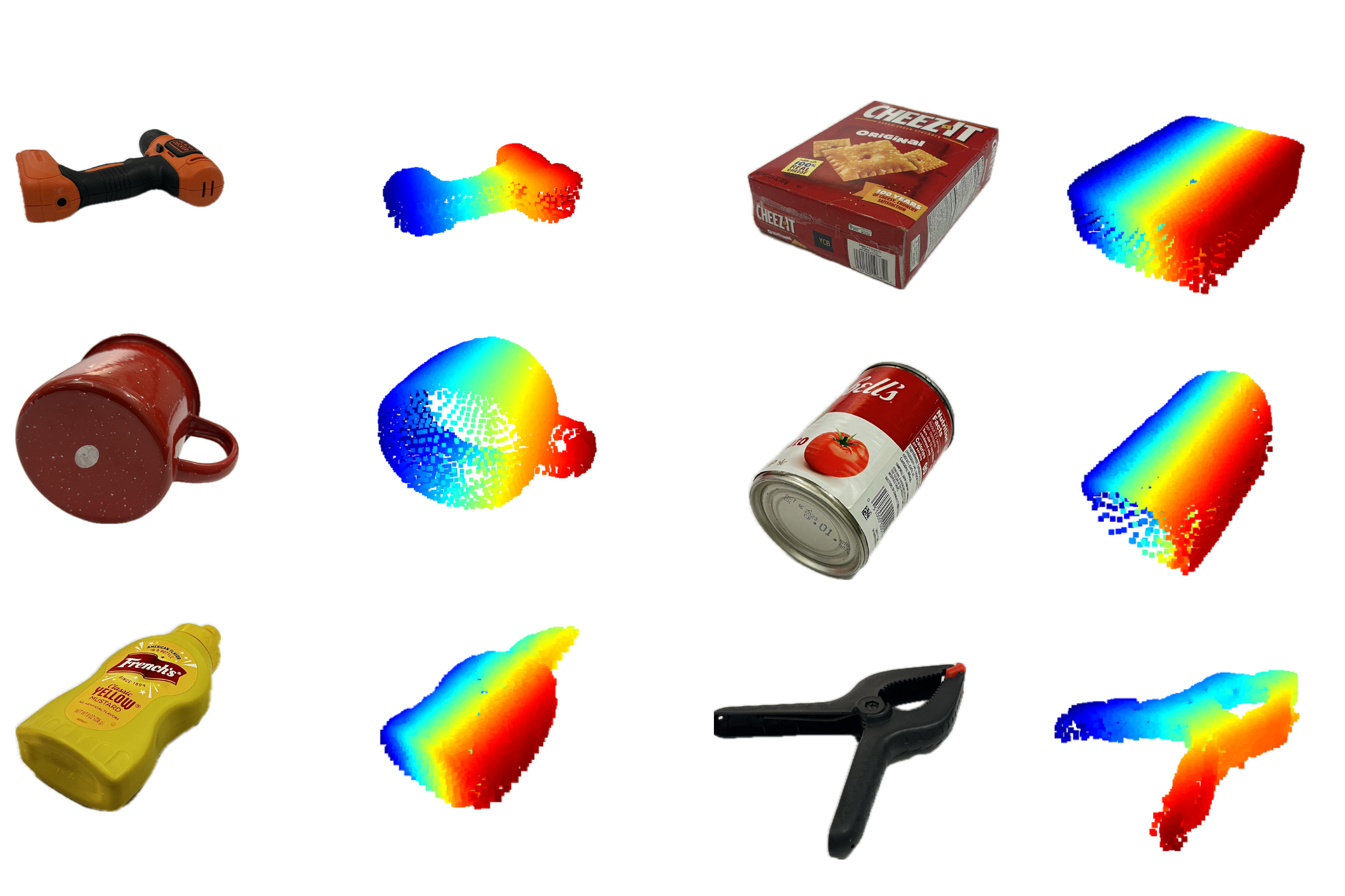
Generative AI improves a wireless vision system that sees through obstructions
MIT researchers have spent more than a decade developing ways for robots to find hidden objects by "seeing" through obstacles. They use wireless signals that pass through surfaces and bounce off things that are out of sight. Now, generative AI models are helping overcome an old problem that limited how precise these systems could be. The result is a new method that creates much more accurate 3D shape reconstructions of hidden objects.

A better method for identifying overconfident large language models
Researchers are working on better ways to check if large language models (LLMs) are giving reliable answers. Current popular methods submit the same question multiple times to see if the model gives consistent answers. But this only measures how confident the model is in itself, not whether it's actually correct. An LLM can be very confident while still being completely wrong. This overconfidence can mislead users about the accuracy of predictions and potentially lead to harmful outcomes.

AI software for smart glasses wins £1m prize for technology to help people with dementia
Smart glasses powered by artificial intelligence have won a £1m prize for helping people with dementia. The device gives wearers verbal instructions and displays floating text to help with daily tasks and memory. Developers say the technology could improve quality of life for millions of dementia patients. The glasses are expected to become available to the public in early 2027.
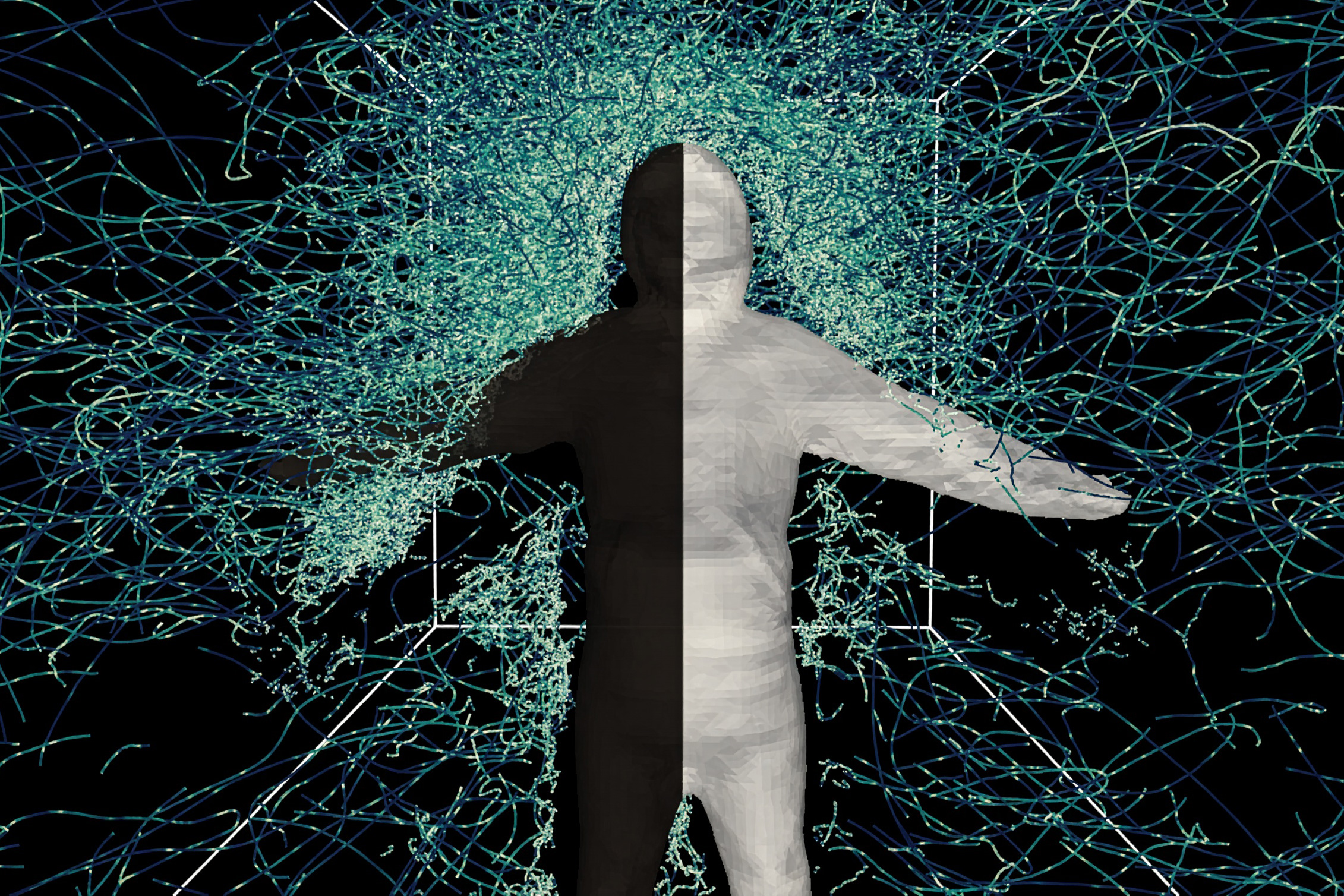
New model predicts how mosquitoes will fly
Scientists at MIT and Georgia Tech have built the first 3D model of mosquito flight. The research shows how mosquitoes track targets by combining what they see and smell. Visual cues like human silhouettes and chemical cues like exhaled carbon dioxide help guide their flight paths. The model could help us better understand and control these disease-carrying insects.
England must destine 7% of land to nature and renewables to hit green targets, data shows
England has released its first government land use framework. The plan sets a target to dedicate 7% of land to nature and renewable energy. It maps current land use and shows how land can be adapted to meet environmental goals. This is the first time the government has set out such detailed guidance on balancing competing land uses.

A robust future? Why Brazil’s ‘bitter’ coffee is thriving as the climate crisis hits global crops
Brazil's robusta coffee, once seen as bitter and inferior to arabica, is now thriving as climate change devastates coffee crops worldwide. Small growers in the Amazon are embracing this resilient bean that can handle hotter temperatures and stronger rains better than its premium cousin. The Paiter Suruí Indigenous community, after expelling the last invaders of their land in 1981, made the deliberate choice to keep and cultivate coffee trees left by colonisers.
Brain circuit needed to incorporate new information may be linked to schizophrenia
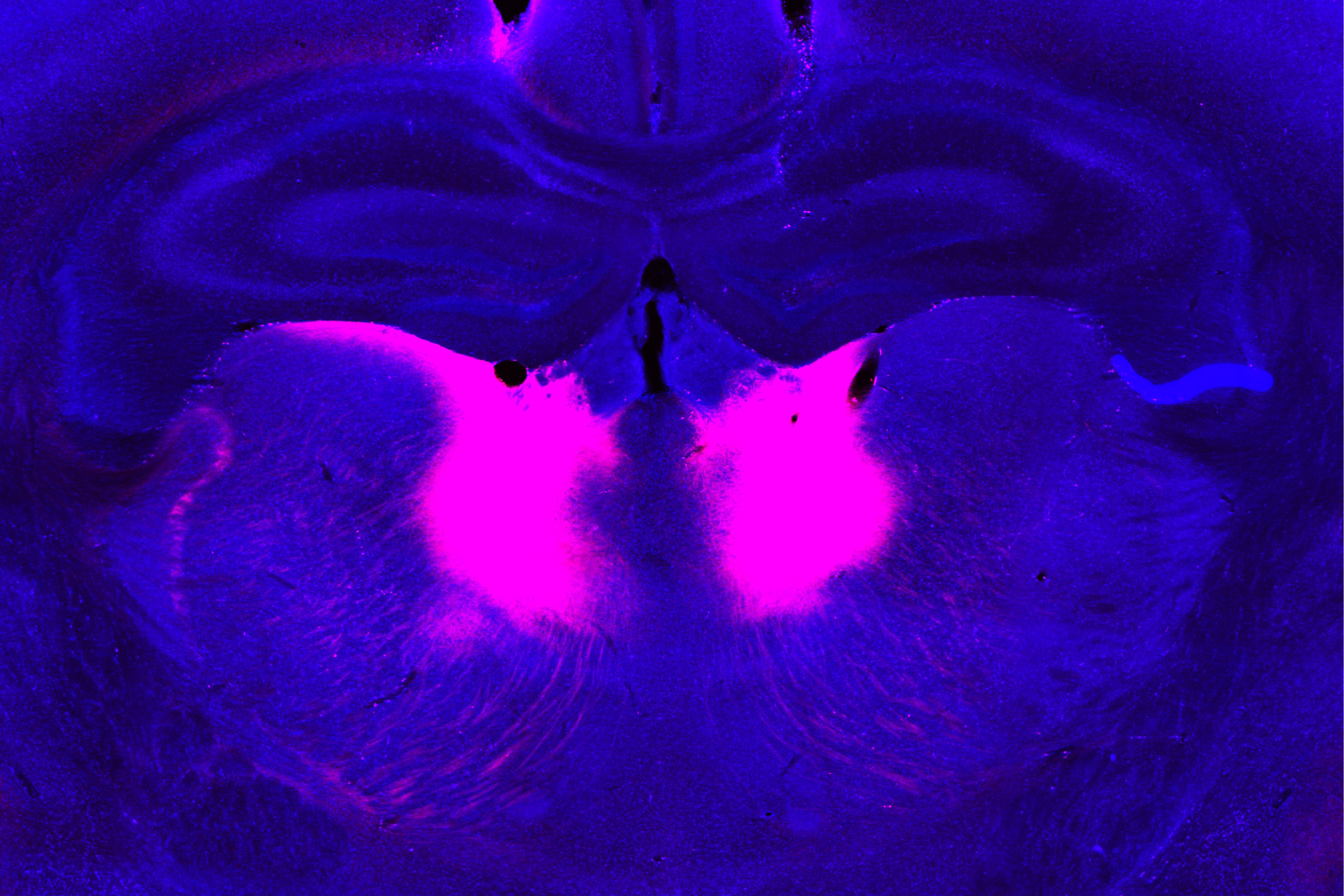
MIT researchers have identified a gene mutation that appears linked to difficulties people with schizophrenia face when processing new information. The mutation impairs a specific brain circuit that normally helps update beliefs based on fresh evidence. The scientists studied this in mice and found the affected circuit is crucial for decision-making. Understanding this mechanism could help explain why schizophrenia can cause people to disconnect from reality.