Latest News
Positive stories from around the world · Good news by country
Showing 37129–37152 of 37342 articles

What We’re Reading: Paris Is More Bike-Friendly Than Ever
Paris has transformed into one of Europe's most bike-friendly cities. Mayor Anne Hidalgo's policies have dramatically reduced car use — down 45% since 1990. The city has added bike lanes, pedestrian zones, and shared streets. As Hidalgo prepares to leave office, her car-reduction legacy remains intact.
Government to lift paywall from large parts of the Land Registry
The UK government will lift the paywall on most Land Registry records. These records show who owns land or property in England and Wales. Making the data free will let more people and groups see ownership information. Officials say this will help communities protect green spaces and reach net zero climate targets.
Turning extreme heat into large-scale energy storage
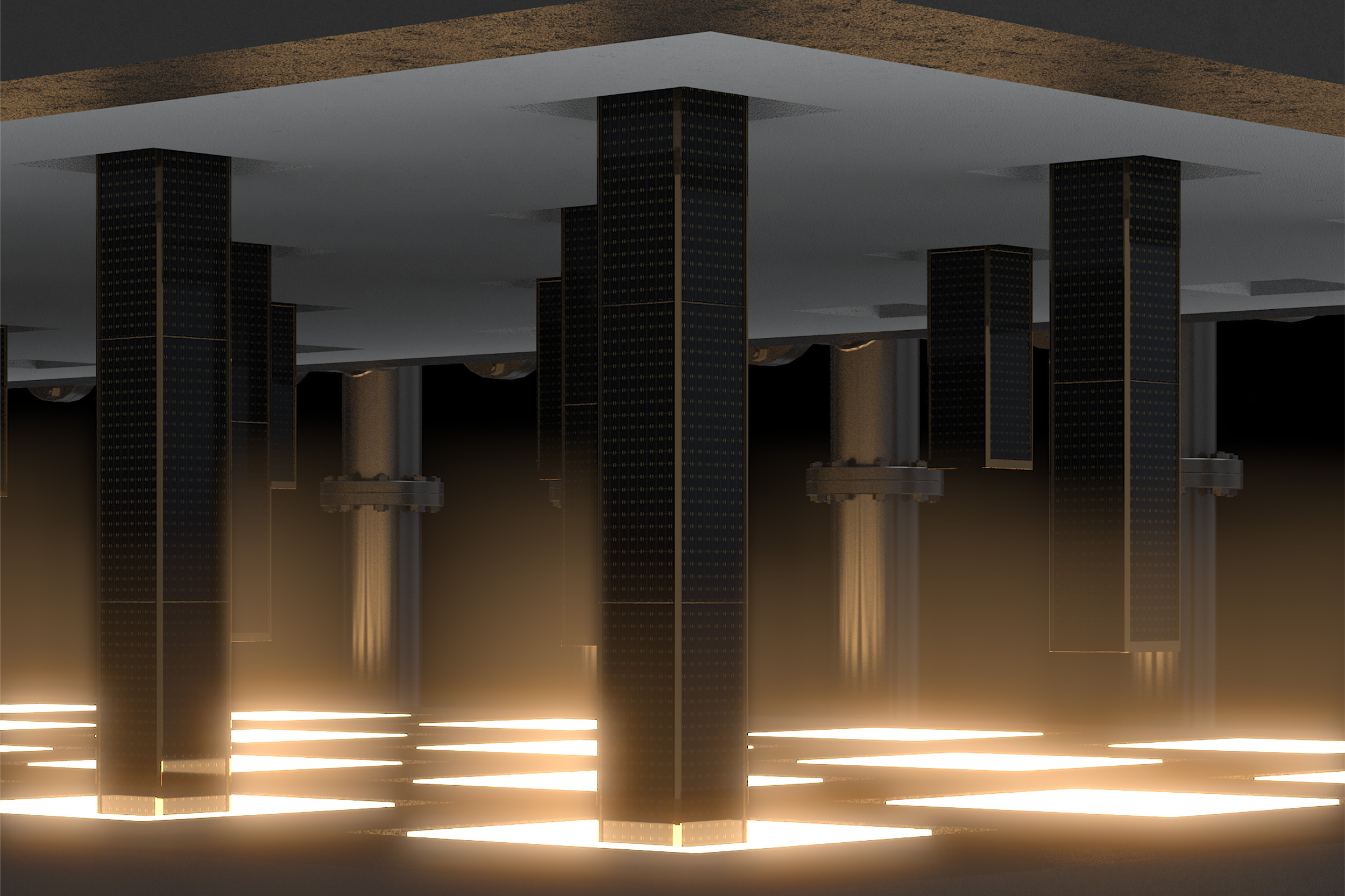
Fourth Power, a company founded by MIT Professor Asegun Henry, is developing thermal batteries that store energy as heat. Traditional thermal batteries use molten salt, which corrodes metal pipes and limits how hot they can get. Fourth Power flips the design inside out, using molten metal to safely transport extreme heat. This innovation could make large-scale energy storage more practical for the electrical grid, helping renewable energy sources like solar and wind work better.
Brain Implants Let Paralyzed People Type Nearly as Fast as Smartphone Users
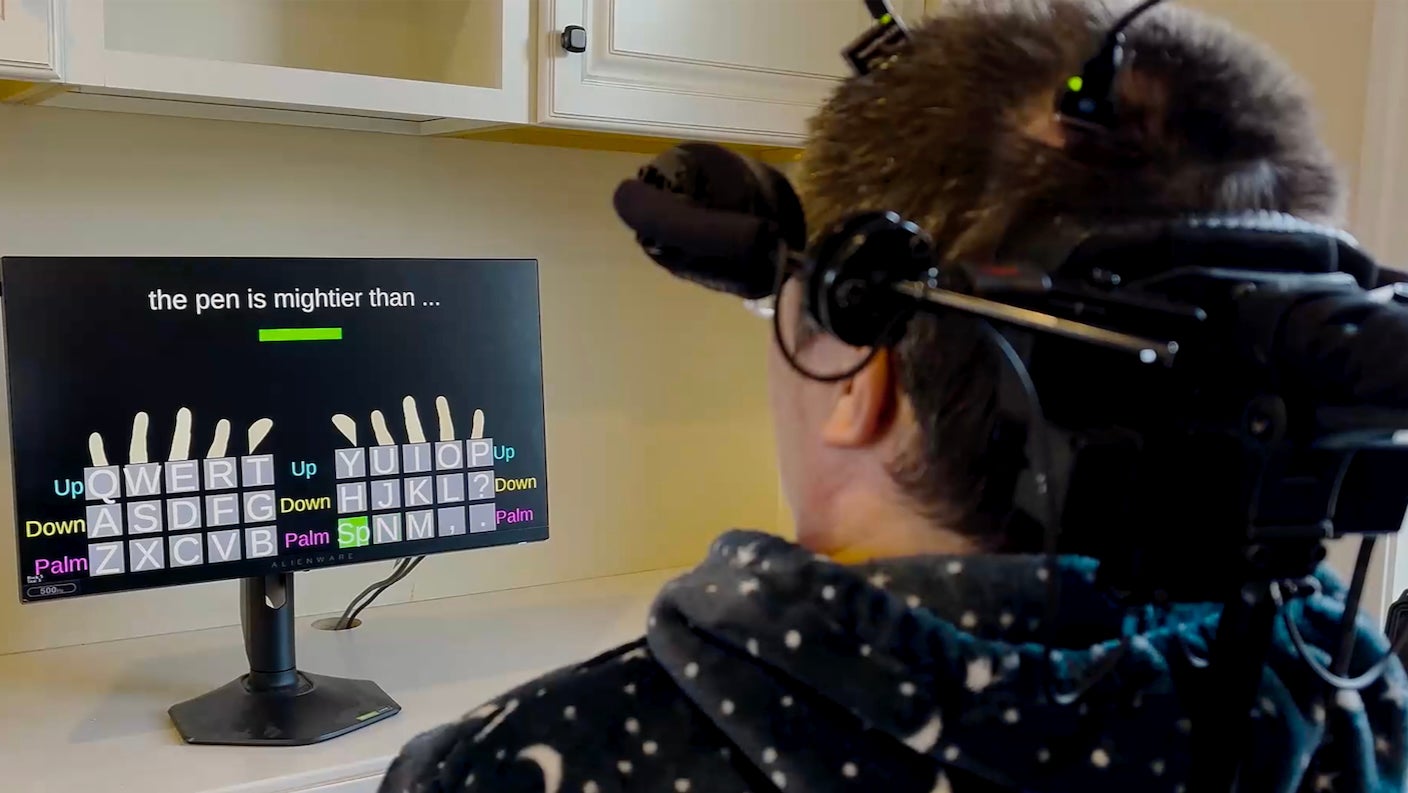
Two people with paralysis can now type using only their thoughts, thanks to brain implants developed at Massachusetts General Hospital in Boston. The implants pick up the brain's electrical signals when a person imagines typing, then a computer translates those signals into actual keystrokes. The two participants were already fitted with implants for other research. They can now type at nearly the same speed as someone using a smartphone keyboard.
Three anesthesia drugs all have the same effect in the brain, MIT researchers find
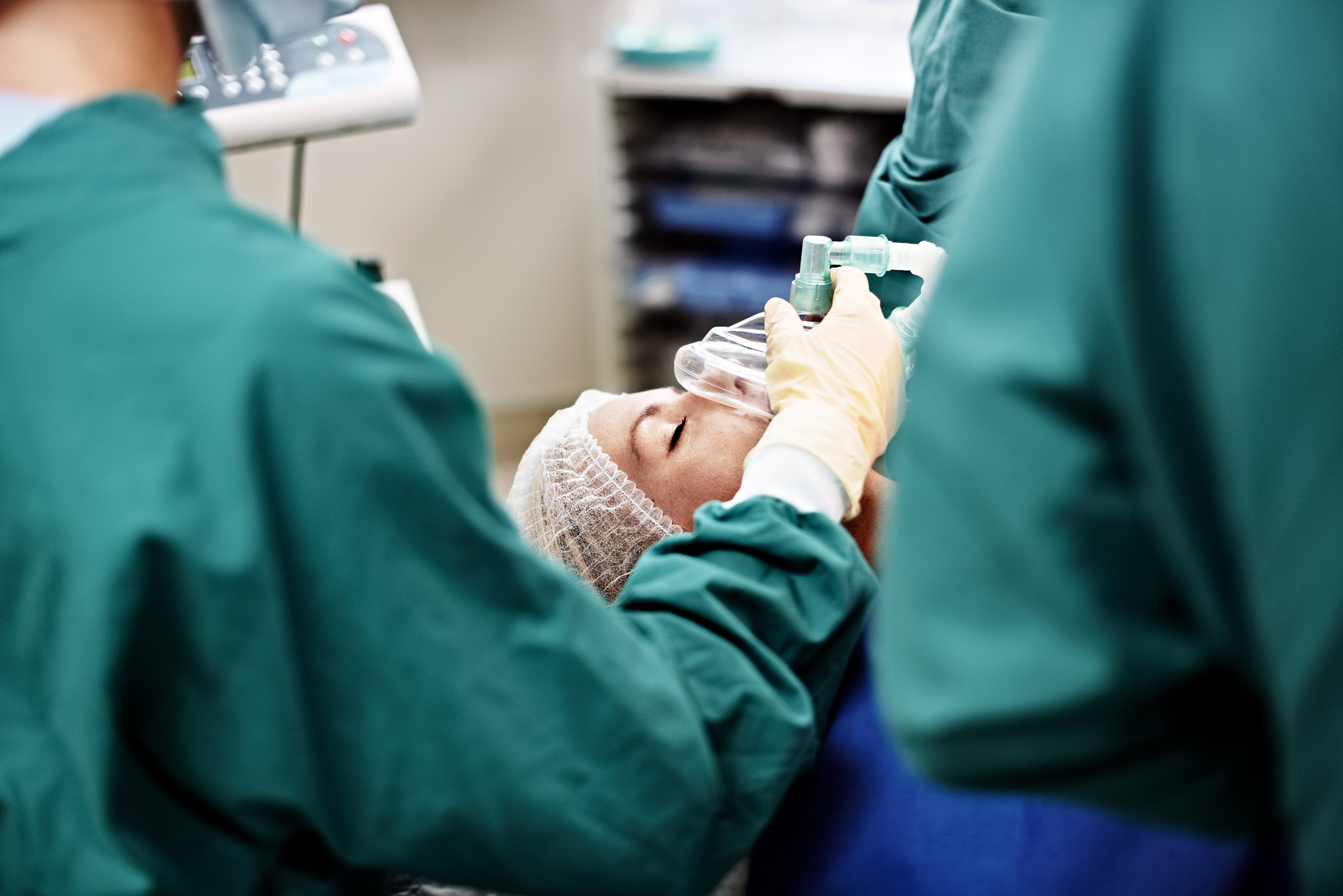
MIT researchers have found that three common anesthesia drugs work the same way in the brain, even though they target neurons differently. Each drug disrupts the brain's balance between stability and excitability. This causes neural activity to become increasingly unstable until consciousness is lost. The discovery could make it easier to develop new anesthesia technologies.

Surfing’s big break: how climate crisis insurance may save El Salvador’s waves
Oriente Salvaje, a stretch of El Salvador's Pacific coast famous for its powerful surfing waves, is trying something new. It is running a pilot program for the world's first surf insurance policy. The idea is simple: if extreme weather damages the reefs and beaches that surfers love, the insurance pays out fast. That money can then go toward fixing the reef and helping local communities get back on their feet. The project aims to protect both nature and the livelihoods that depend on it.
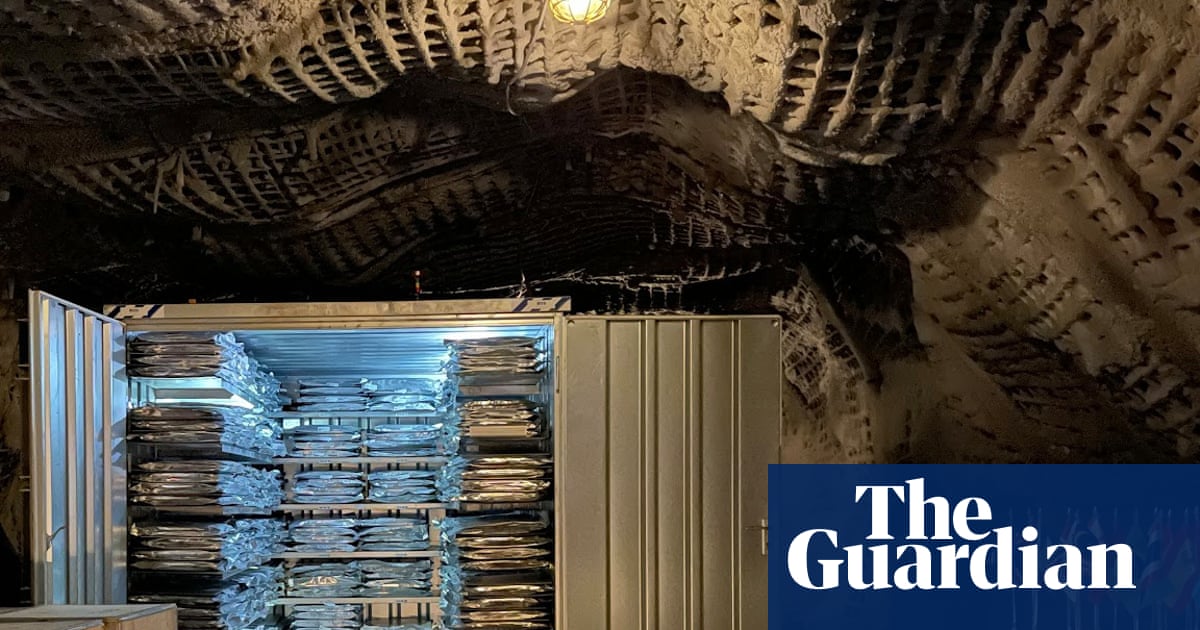
‘The world’s memory’: why Nigeria is burying its history under a mountain in Svalbard
Nigeria has become the first African nation to preserve its history in the Arctic World Archive, a data storage facility carved into a mountainside on the remote Norwegian archipelago of Svalbard. The archive sits 300 metres underground in a decommissioned coalmine, where the cool, dry conditions and stable rock help protect digital data for thousands of years. The stored records include Indigenous stories from rural Nigeria, cultural practices, and historical events.
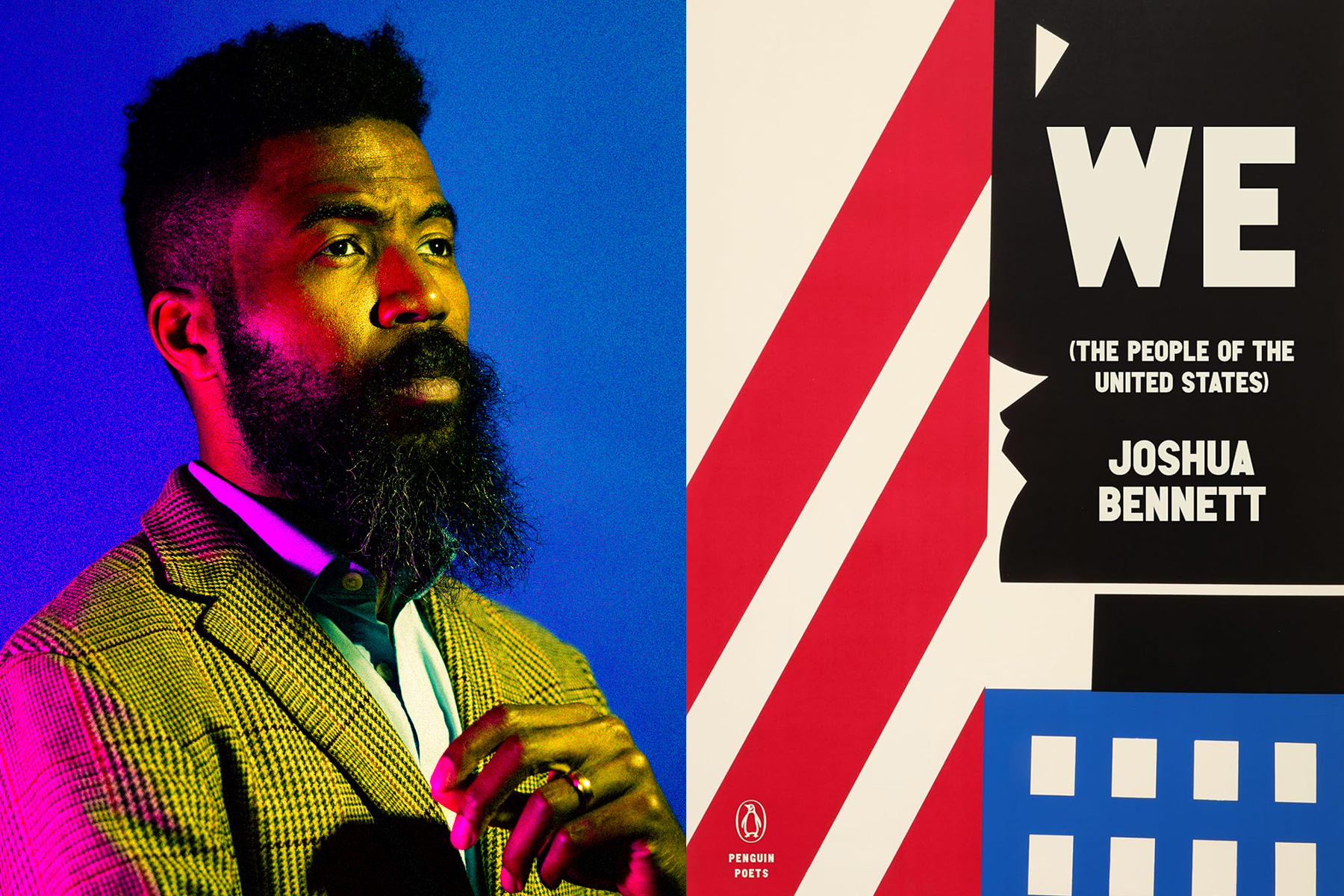
“We the People” depicts inventors, dreamers, and innovators in all 50 states
Joshua Bennett, an MIT professor, has released a poetry book titled "We the People" that celebrates American inventors, dreamers, and innovators spanning all 50 states. The book brings together figures like Zora Neale Hurston, the renowned author; Charles Henry Turner, who pioneered studies on bee and spider behavior; Brian Wilson of the Beach Boys; and George Nissen, who invented the trampoline.
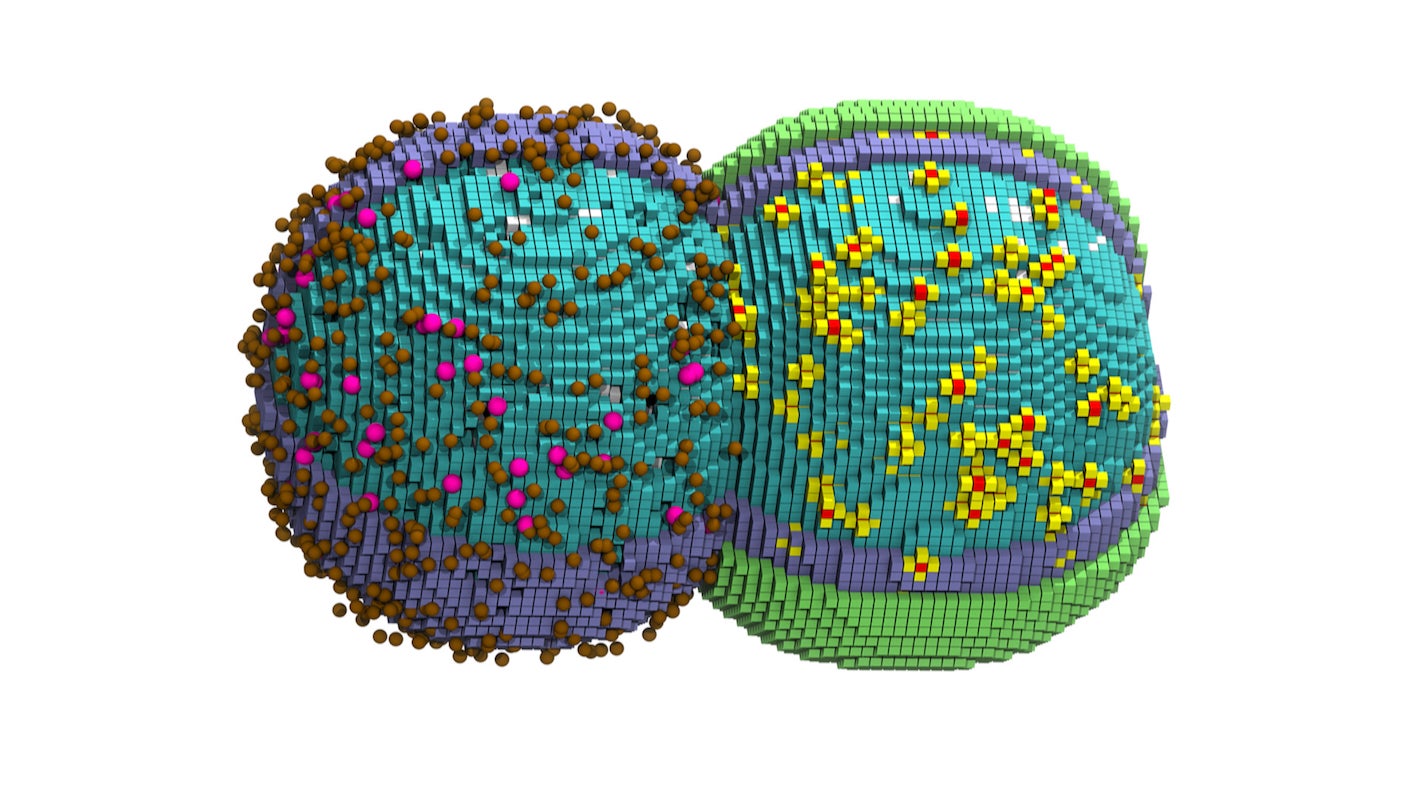
Digital Twin of a Cell Tracks Its Entire Life Cycle Down to the Nanoscale
Scientists at the University of Illinois created a complete digital twin of a cell. The simulation follows a cell's entire life cycle for roughly two hours. It captures nearly every molecule inside the cell at the nanoscale level. This breakthrough builds on earlier work where synthetic bacteria with a stripped-down genome was shown to grow and divide normally.
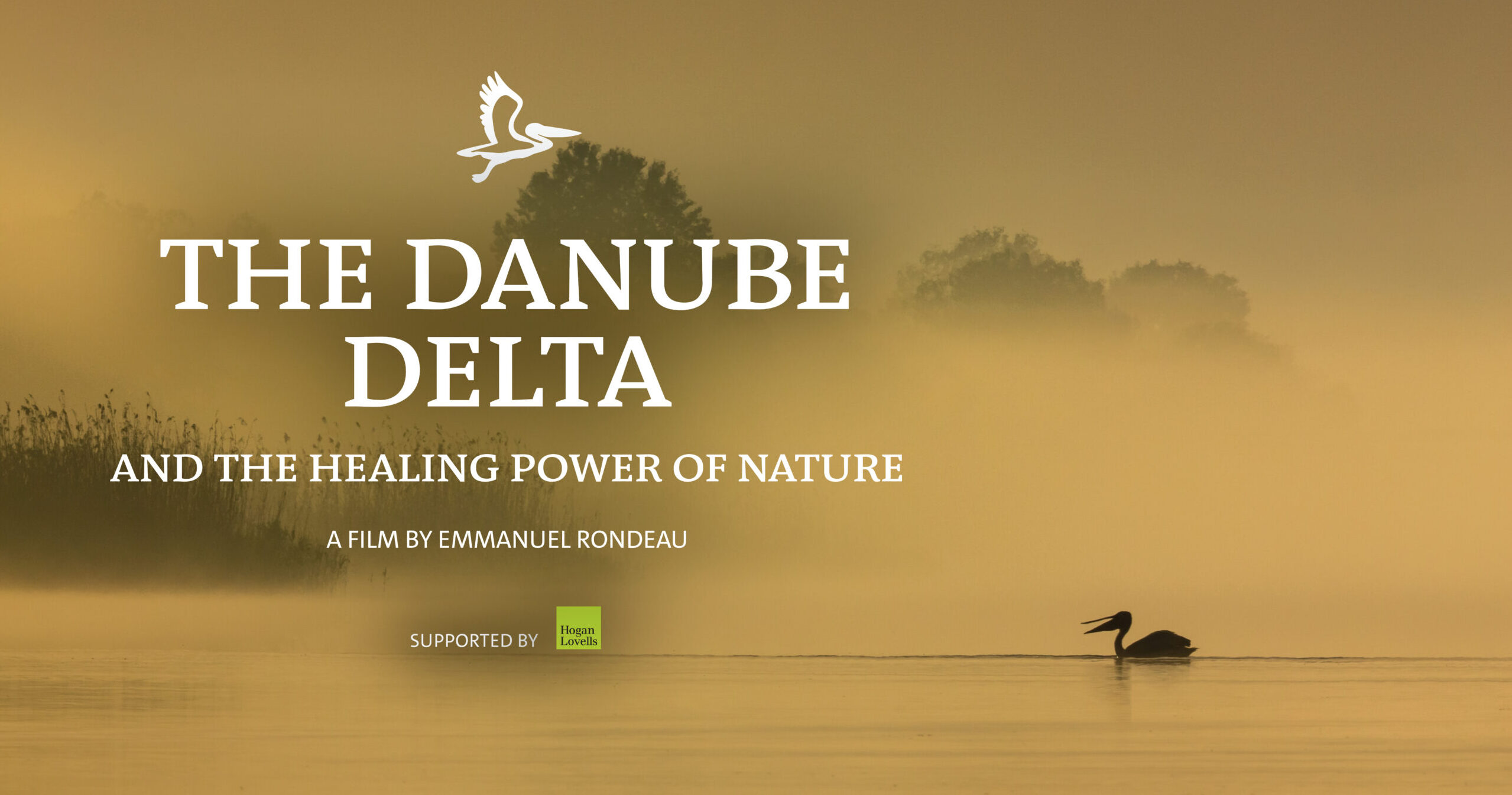
New documentary reveals the healing power of rewilding in Ukraine’s Danube Delta
A new documentary called "The Danube Delta and the Healing Power of Nature" will premiere online on World Rewilding Day 2026. Made by award-winning French videographer Emmanuel Rondeau, the film follows how rewilding efforts are healing one of Europe's most remarkable landscapes. The Danube Delta, spanning parts of Ukraine and Romania, is becoming a success story for wildlife recovery. Beyond ecological gains, the film captures how reconnecting with nature offers hope and renewal to Ukrainian communities facing the impacts of war.
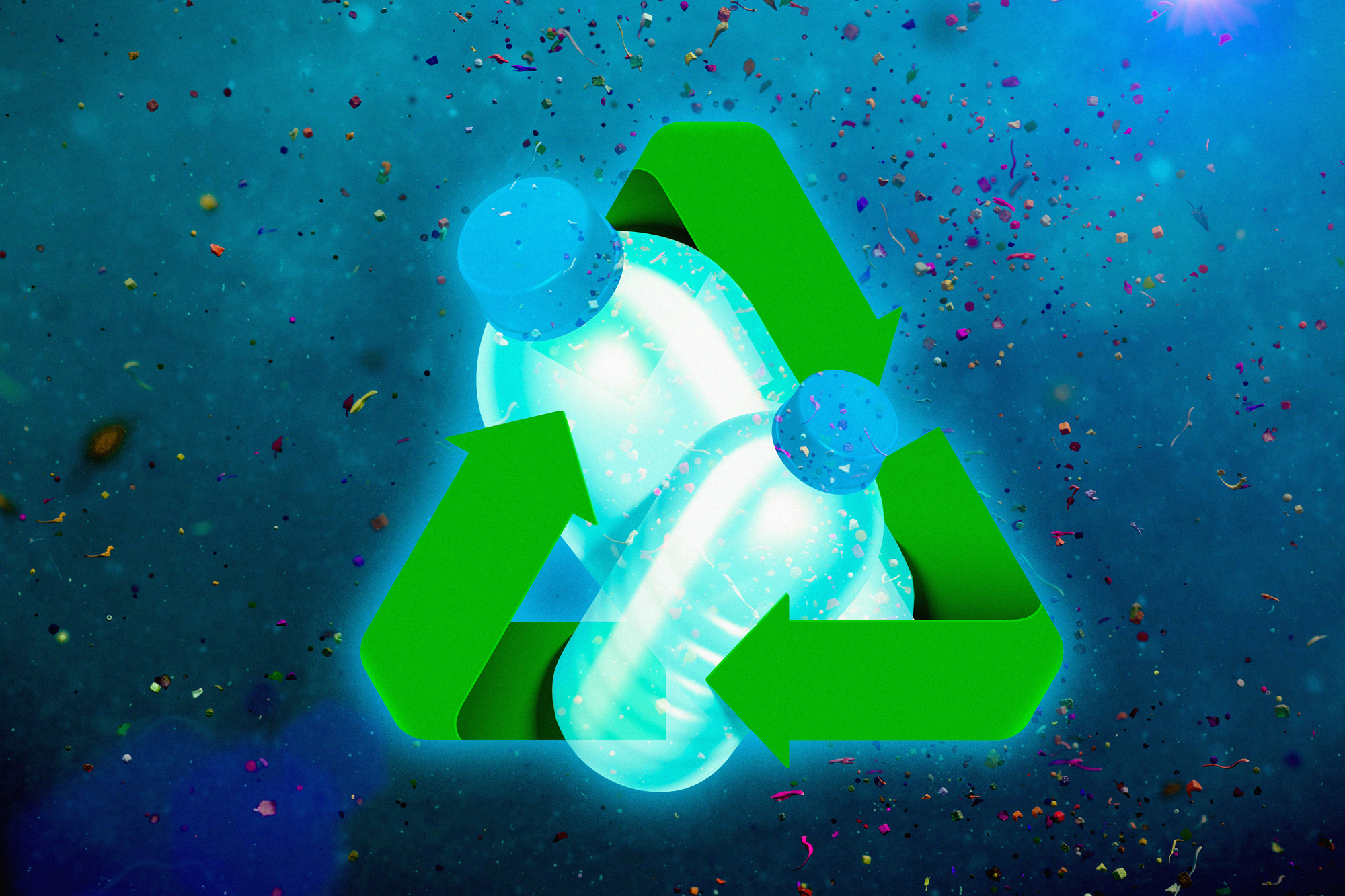
Ocean bacteria team up to break down biodegradable plastic
MIT researchers have uncovered how ocean bacteria collaborate to break down biodegradable plastics. Understanding this process could help scientists design better plastic materials that decompose faster. The research may also lead to new microbial recycling systems that turn plastic waste into useful products. This discovery offers hope for tackling the global plastic pollution crisis.
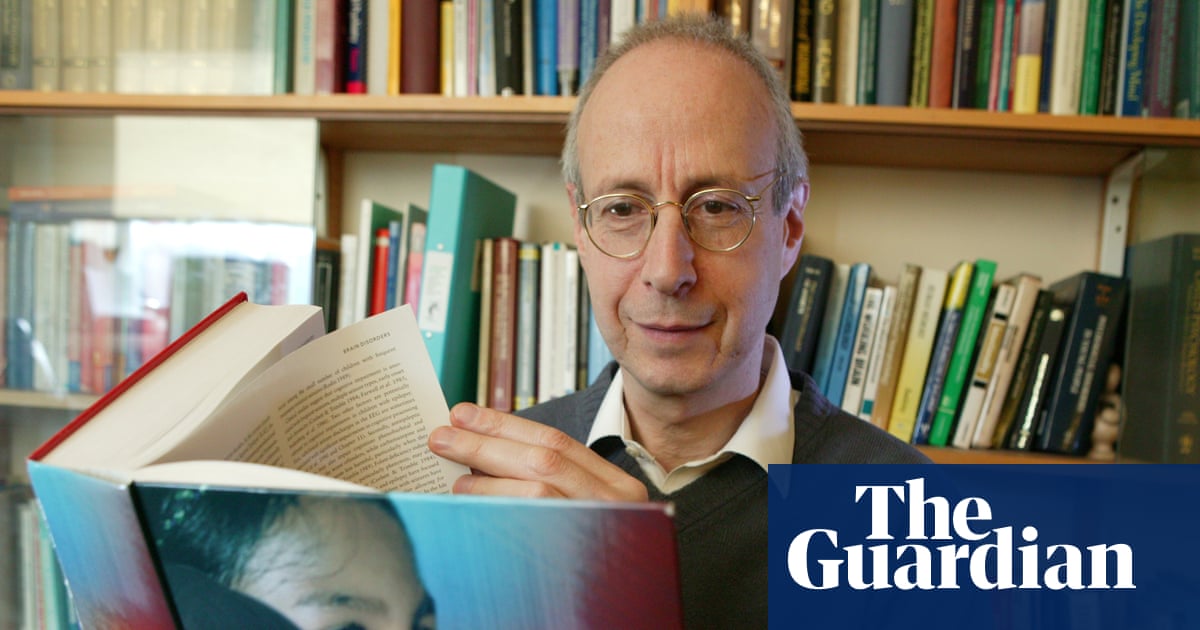
Robert Goodman obituary
Robert Goodman, a child psychiatrist who worked at King's College London, has died aged 86. He created the Strengths and Difficulties Questionnaire (SDQ), a simple 25-question form that can be completed in about 5 minutes by children aged 3 to 16 or by their parents and teachers. The SDQ is now used by health services, schools, and social workers in over 80 countries to identify young people who may need mental health support.
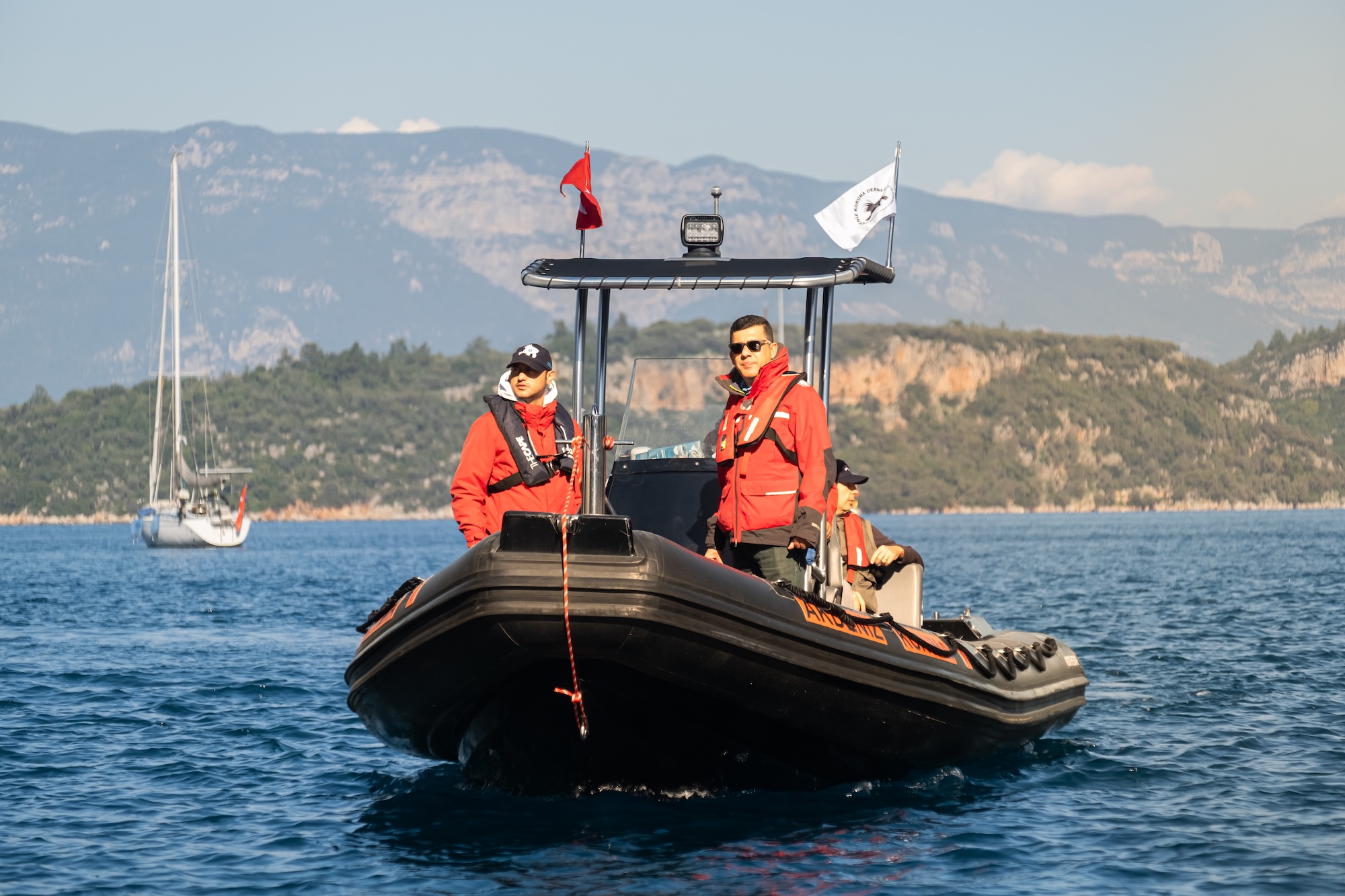
The European Rewilding Network expands into Türkiye and Greece
The European Rewilding Network, led by Rewilding Europe, has welcomed new members from Türkiye and Greece. This expansion strengthens collaboration among rewilding initiatives across the continent. The network shares a vision for a wilder Europe where nature thrives alongside communities. By joining forces, these initiatives aim to amplify their positive impact for both nature and people.

The Native Seed Farm Safeguarding California’s Future
On a stretch of prime agricultural land in California's Sacramento Valley, Heritage Growers operates a native seed farm growing native grasses, milkweed and wildflowers in tight rows under the wide blue sky. The farm produces seeds that farmers, land managers and restoration projects use to bring back native ecosystems and support struggling pollinators like bees and butterflies. Orange poppies, purple lupines and golden tidy tips grow against the backdrop of the Sutter Buttes, creating a living palette of California's natural heritage.
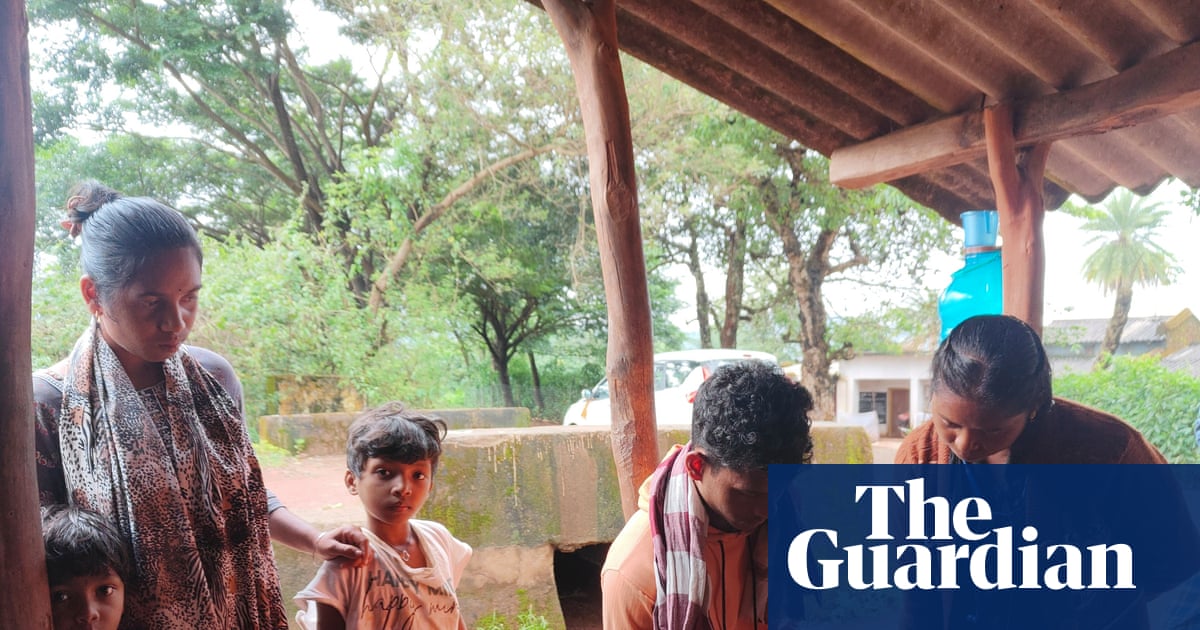
India’s scattered workforce: the chatbot keeping families in touch during emergencies
A WhatsApp chatbot in Odisha, India is helping track the country's 140 million mobile migrant workers and keeping their families connected during emergencies. Covid exposed how little data existed about this scattered workforce. The chatbot sends simple messages asking workers to share their location and work status. The system helps both authorities and families know where people are and how to reach them.
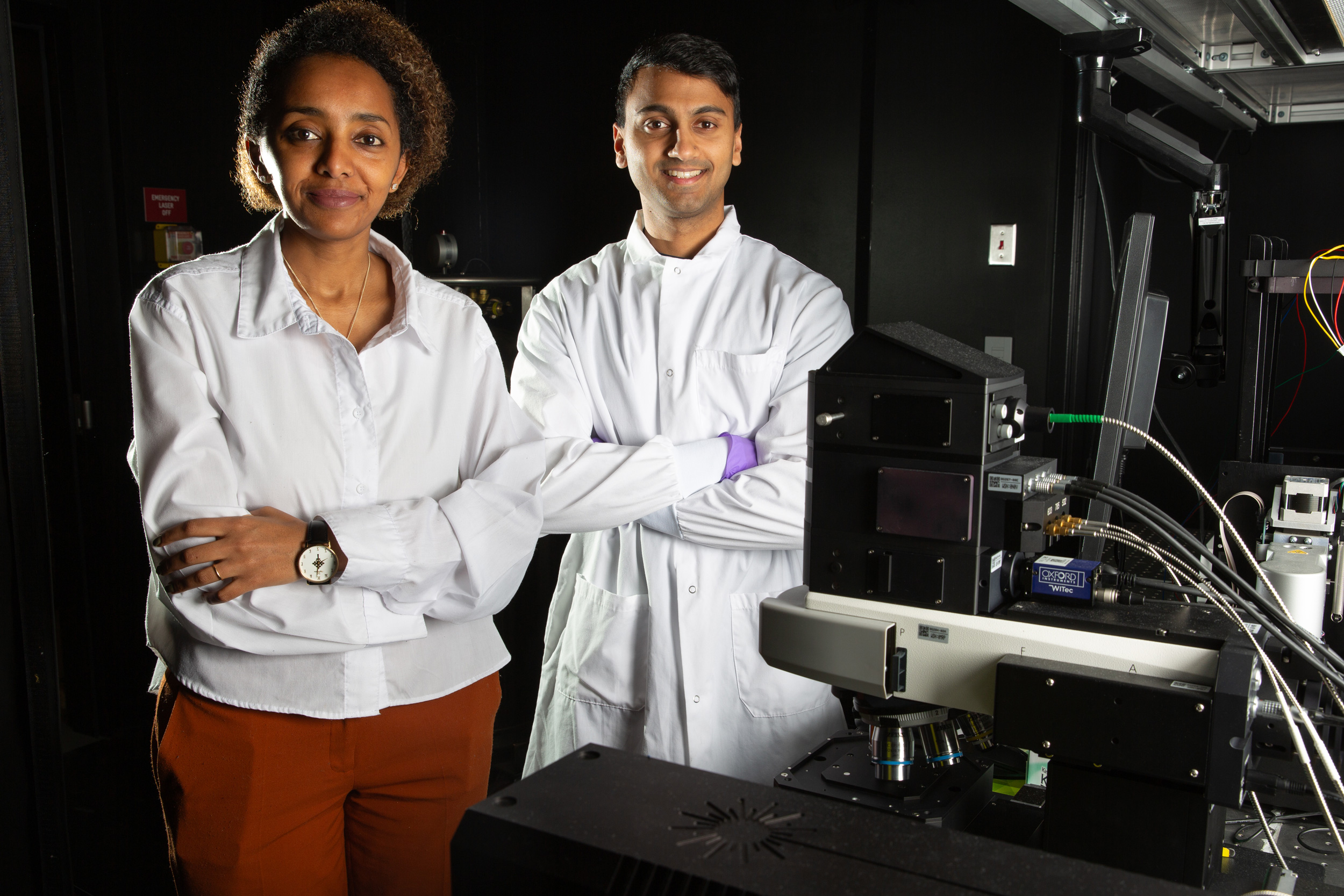
New sensor sniffs out pneumonia on a patient’s breath
MIT engineers created a small, portable sensor that can detect pneumonia from a patient's breath. Instead of waiting hours for lab results or getting a chest X-ray, people could get a diagnosis in just minutes. The device catches disease-related compounds in the breath and identifies them quickly. Researchers hope it could also help diagnose other lung diseases in the future.
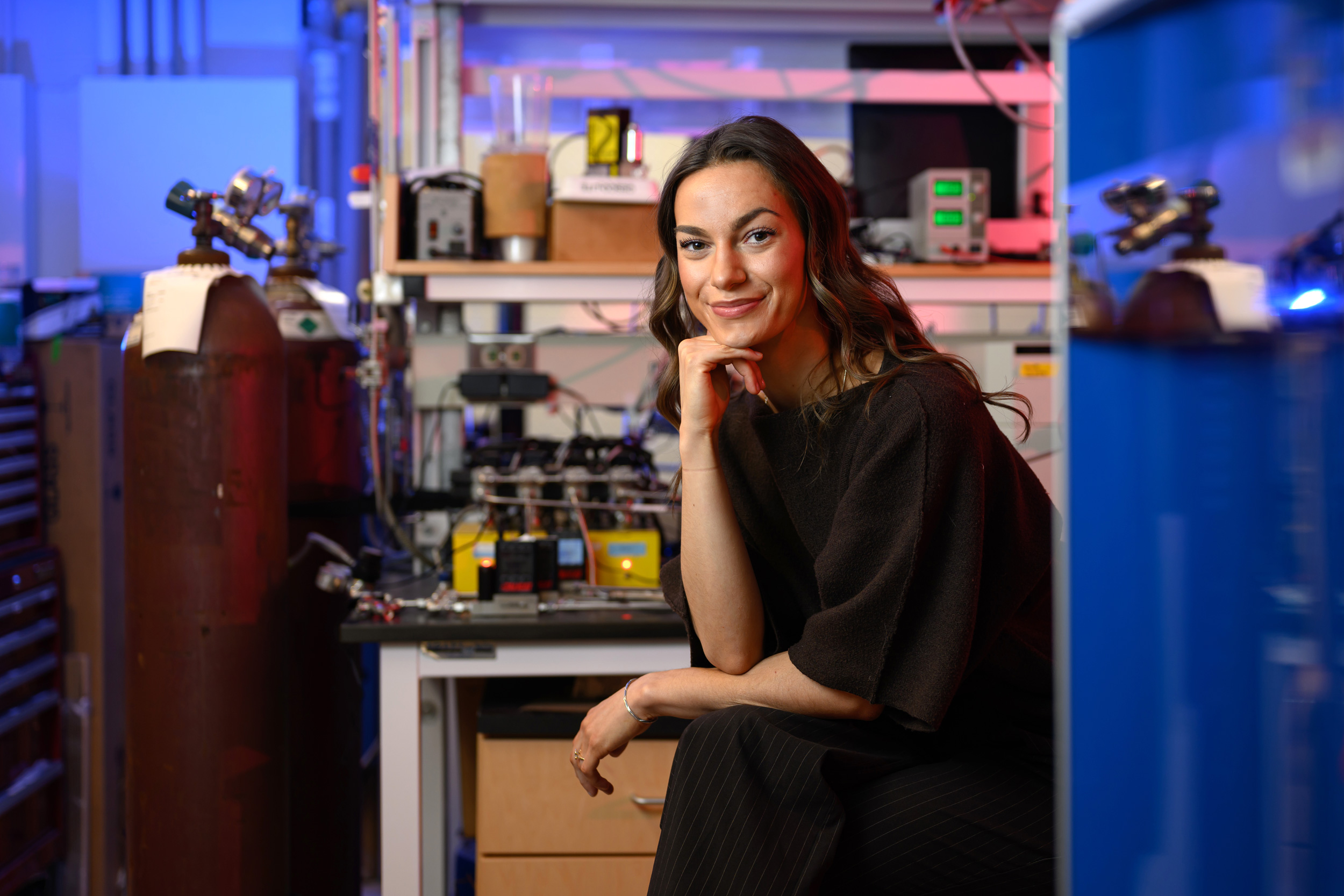
From Idaho to MIT, on a quest to cut methane emissions
Audrey Parker, a civil and environmental engineering PhD student at MIT, is working to measure and reduce methane emissions from dairy farms. Methane is a powerful greenhouse gas that comes from cows and contributes to climate change. Parker visits working dairy barns to take measurements, combining lab work with real-world fieldwork. Her research aims to find practical ways to cut these emissions and help fight climate change.
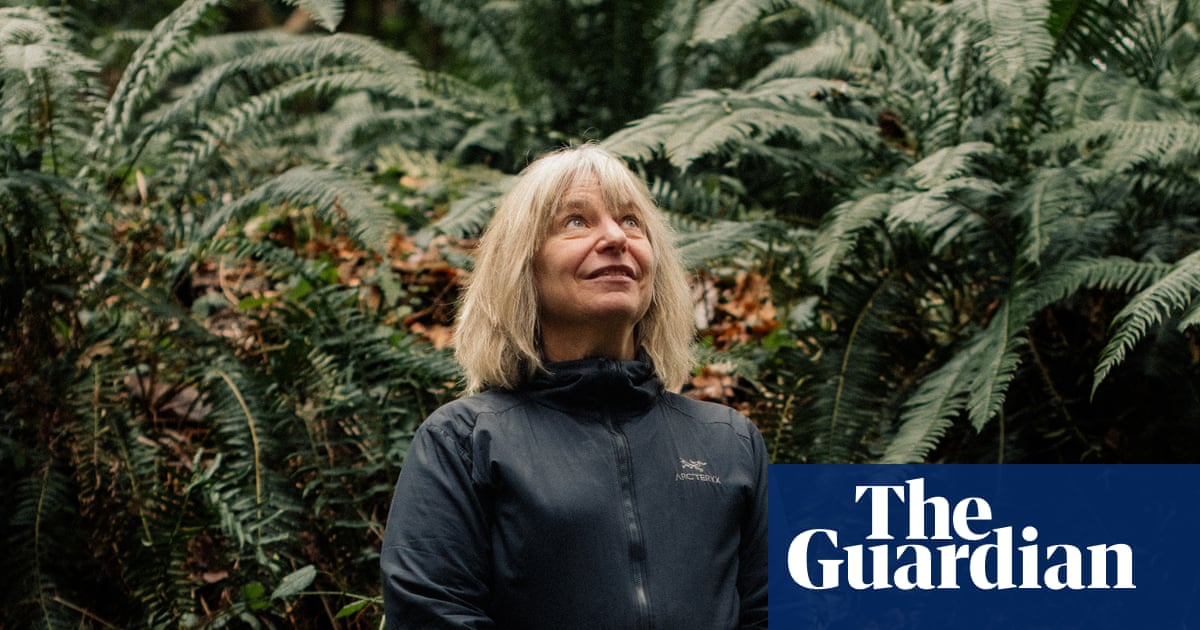
‘My ideas are a little revolutionary’: ecologist Suzanne Simard on intelligent forests, the climate and her critics
Ecologist Suzanne Simard, who pioneered the concept of the "wood wide web" linking trees through underground fungal networks, is publishing a new book titled "The Mother Tree." Based at the University of British Columbia, Simard's research has helped transform how scientists understand forest ecosystems, showing that trees communicate and share resources. She describes her ideas as "a little revolutionary" because they challenge the traditional view of forests as competitive environments.
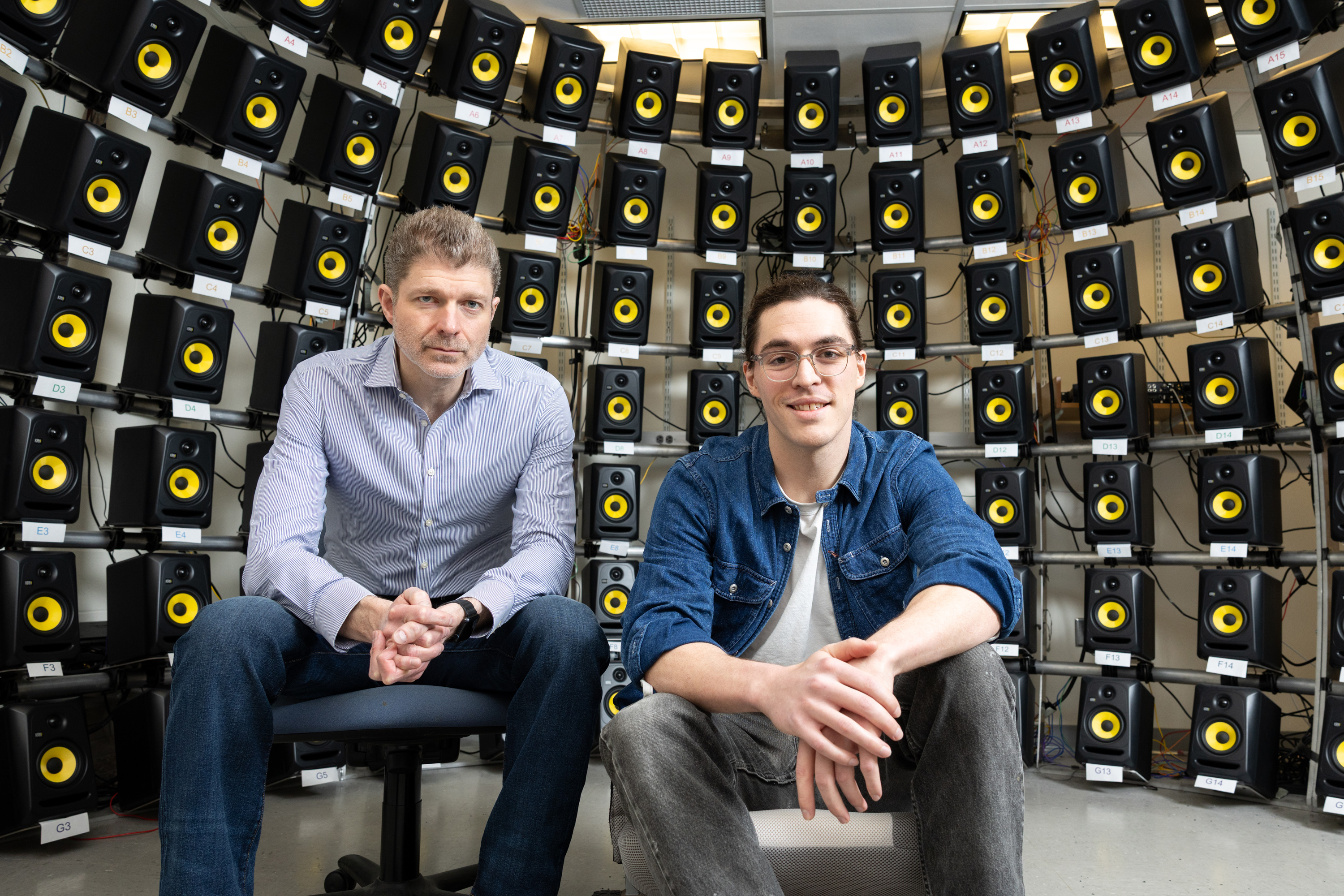
How the brain handles the “cocktail party problem”
MIT neuroscientists have solved a long-standing puzzle about how the brain handles noisy environments. They figured out the mechanism behind the "cocktail party problem" — the brain's ability to focus on a single speaker amid many voices. This research helps explain selective hearing and could lead to better hearing aids and communication devices in the future.
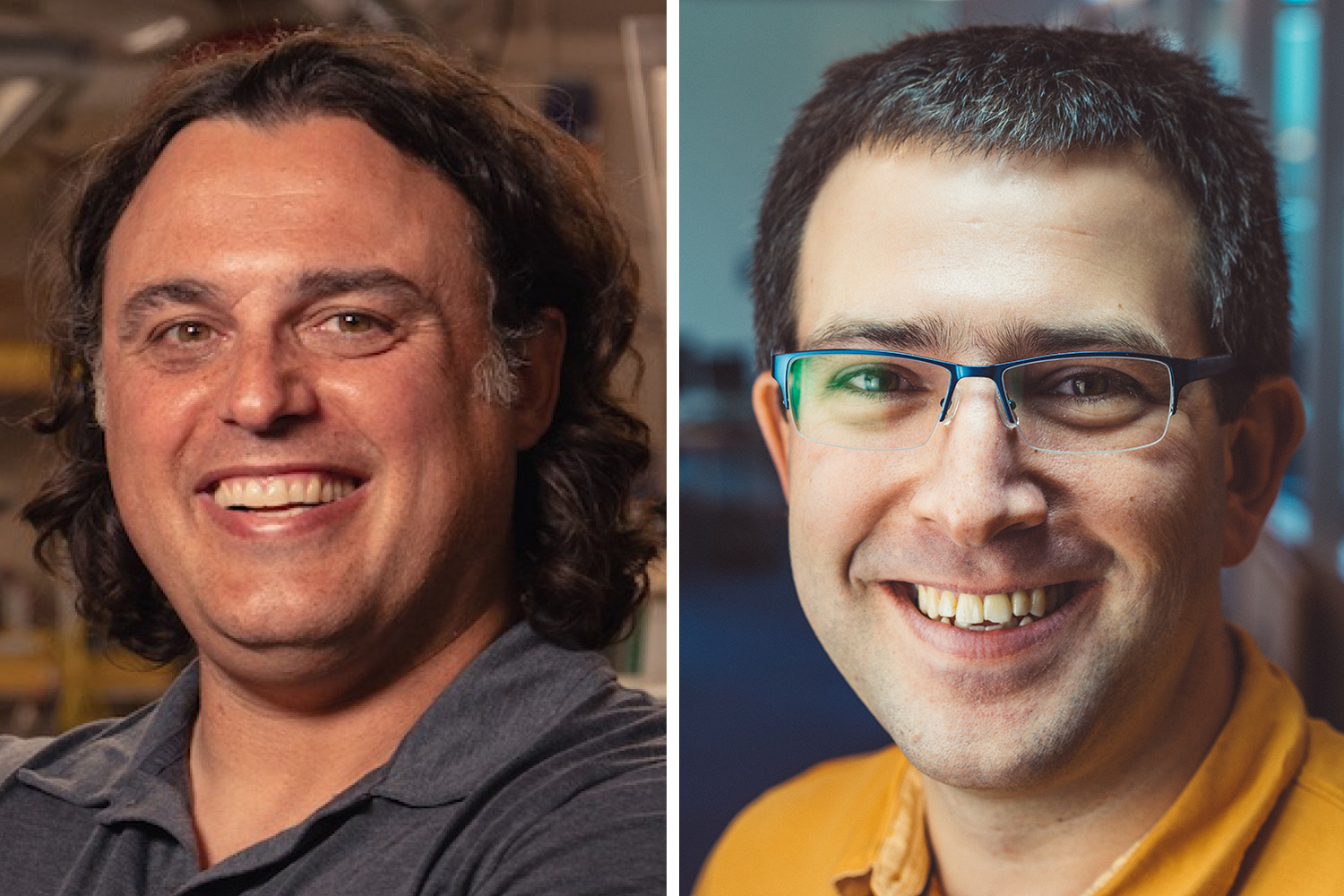
2026 MacVicar Faculty Fellows named
Two MIT professors have earned the MacVicar Faculty Fellow title for their outstanding contributions to undergraduate education. Amos Winter, a professor of mechanical engineering, and Nickolai Zeldovich, a professor of electrical engineering and computer science, received the honor. The program, named after MIT's first dean for undergraduate education Margaret MacVicar, has recognized excellent educators for over 30 years.
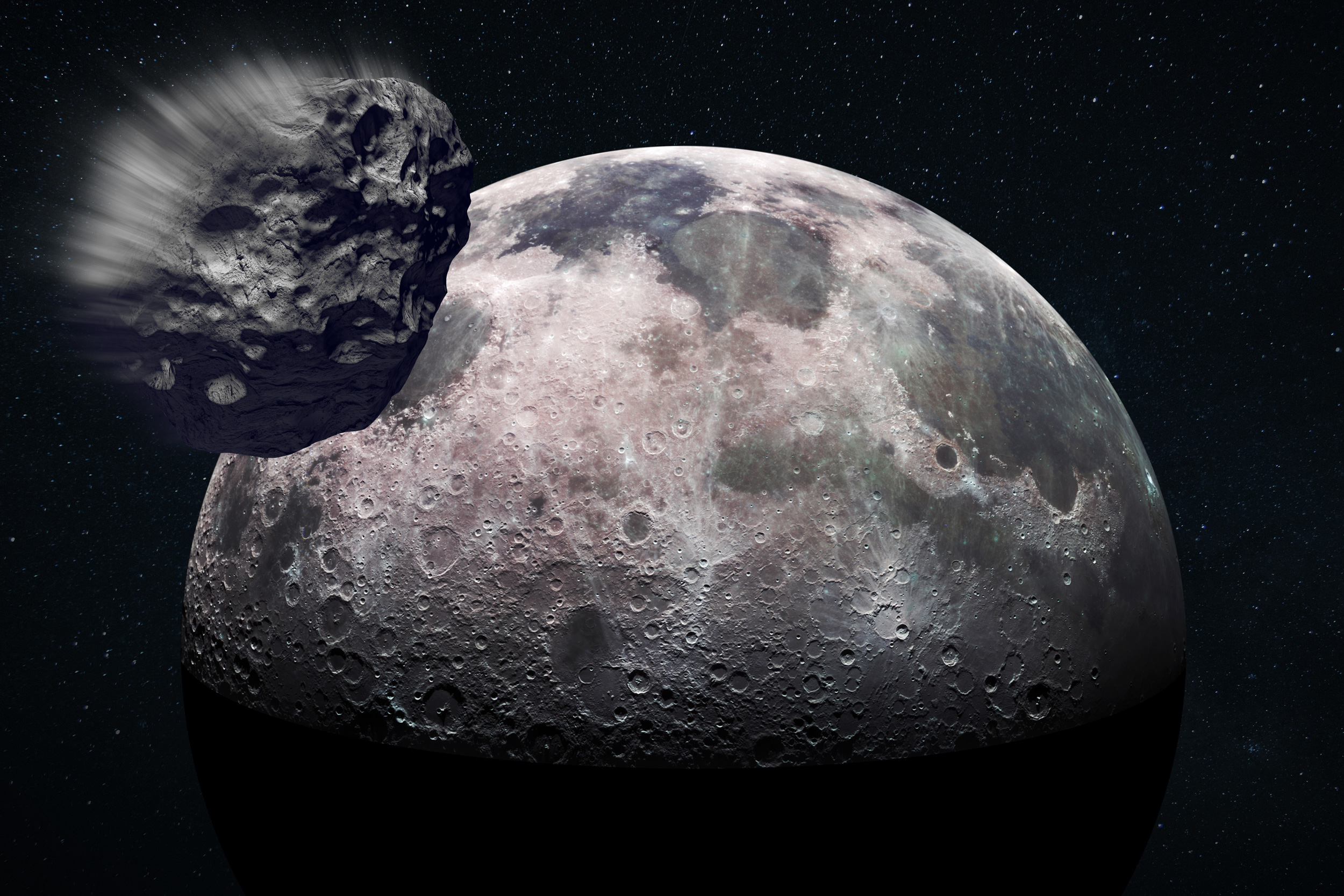
3 Questions: Fortifying our planetary defenses
MIT researchers are helping improve how we spot and follow asteroids that might hit Earth. Big impacts that could wipe out civilizations happen only once every tens of millions of years, but smaller "building-sized" asteroids strike our planet much more often — roughly every couple of decades. Scientists are developing better telescopes and tracking systems to give us early warning, so we can protect communities if needed. This field, called planetary defense, is growing as our technology gets better.
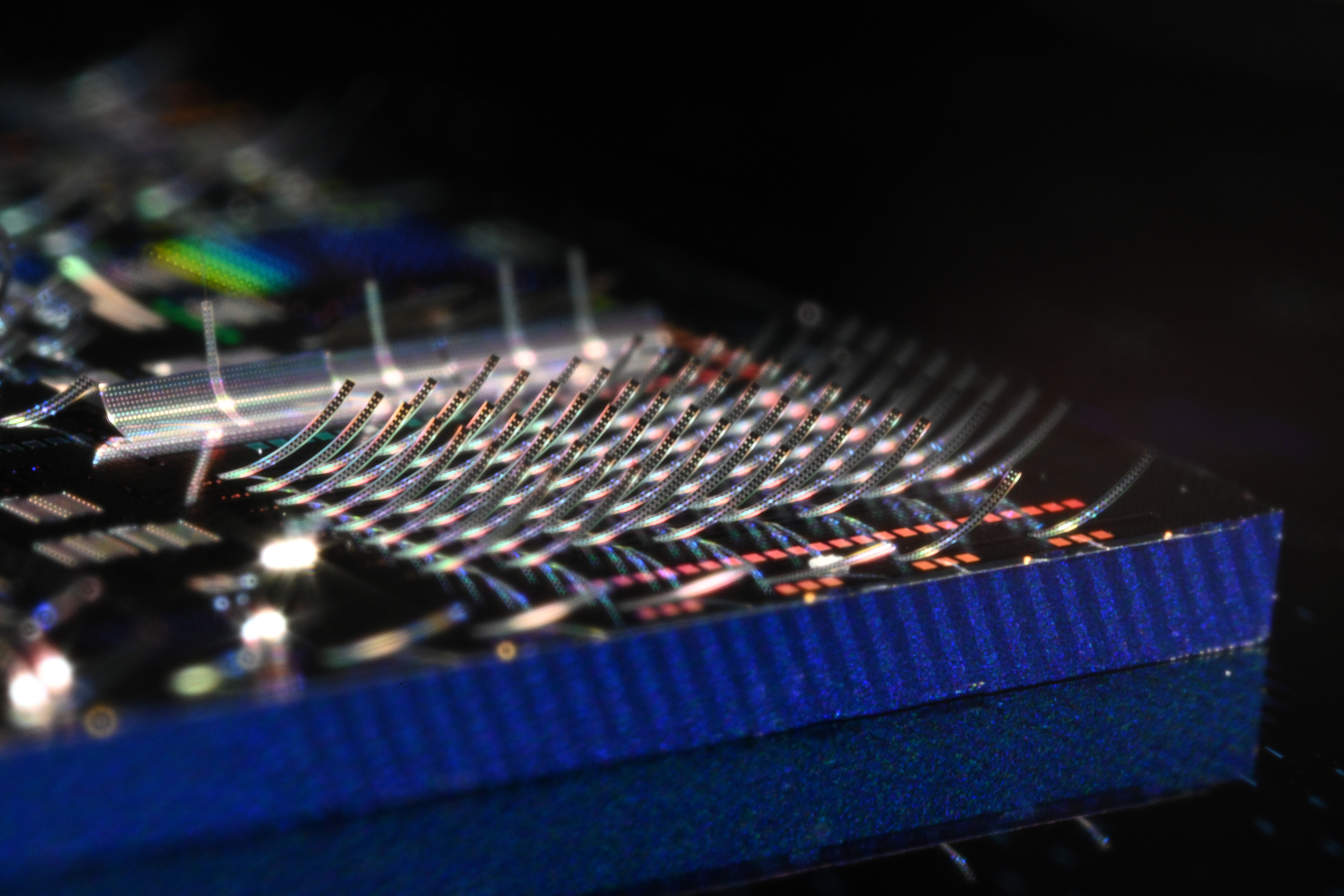
New photonic device efficiently beams light into free space
Photonic chips use light instead of electricity to process data, enabling faster speeds. Most of that light stays trapped on the chip in tiny optical wires. MIT researchers created a new device that efficiently beams light off the chip into free space. This could lead to better displays, smaller Lidar systems, more precise 3D printers, and quantum computing advances.

A better method for planning complex visual tasks
MIT researchers built a smarter AI for robot navigation. Their system uses a vision-language model to look at images and plan steps toward a goal. A second AI then converts those plans into standard programming code. Tests showed the method works about twice as well as existing techniques for long-term visual tasks.
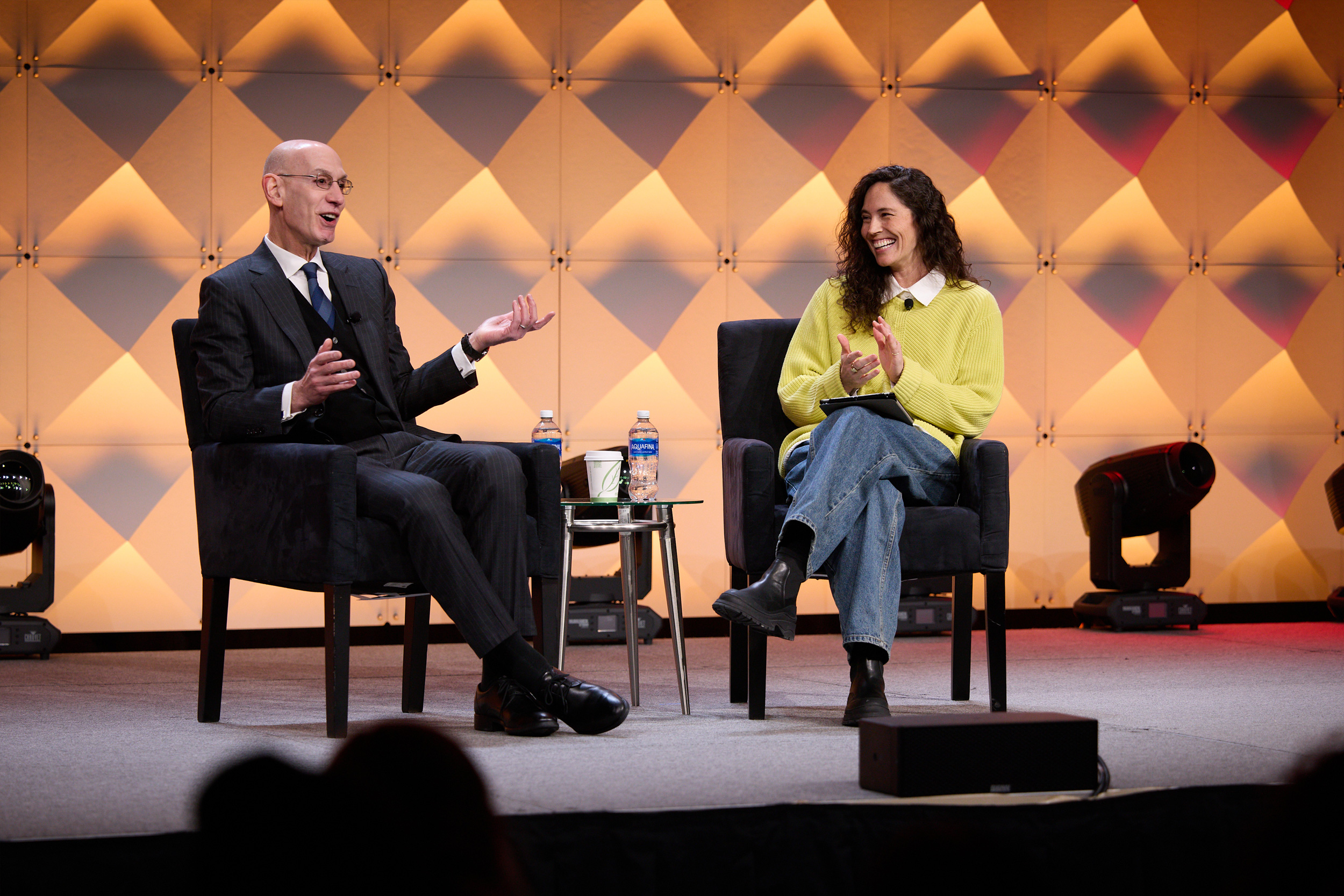
2026 MIT Sloan Sports Analytics Conference shows why data make a difference
The 2026 MIT Sloan Sports Analytics Conference showcased how data analytics made a real difference in elite sports. During the Olympic women's ice hockey gold medal game, Team USA used statistics to gain an advantage in a critical moment. With just 2:23 remaining and Canada leading 1-0, USA Coach John Wroblewski pulled the goalkeeper and used analytics to position forward Alex Carpenter for the faceoff. Statistics showed Carpenter excels at winning faceoffs cleanly, giving her team the best chance to tie the game.