Latest News
Positive stories from around the world · Good news by country
Showing 37057–37080 of 37342 articles

Amid an energy crisis, the renewables juggernaut gathers pace
Renewable energy is accelerating even amid a global energy crisis. The clean energy sector is showing strong momentum, with more countries investing in solar, wind, and other sustainable power sources. Experts note that renewables are becoming increasingly competitive with fossil fuels. This growth suggests a lasting shift toward clean energy worldwide.
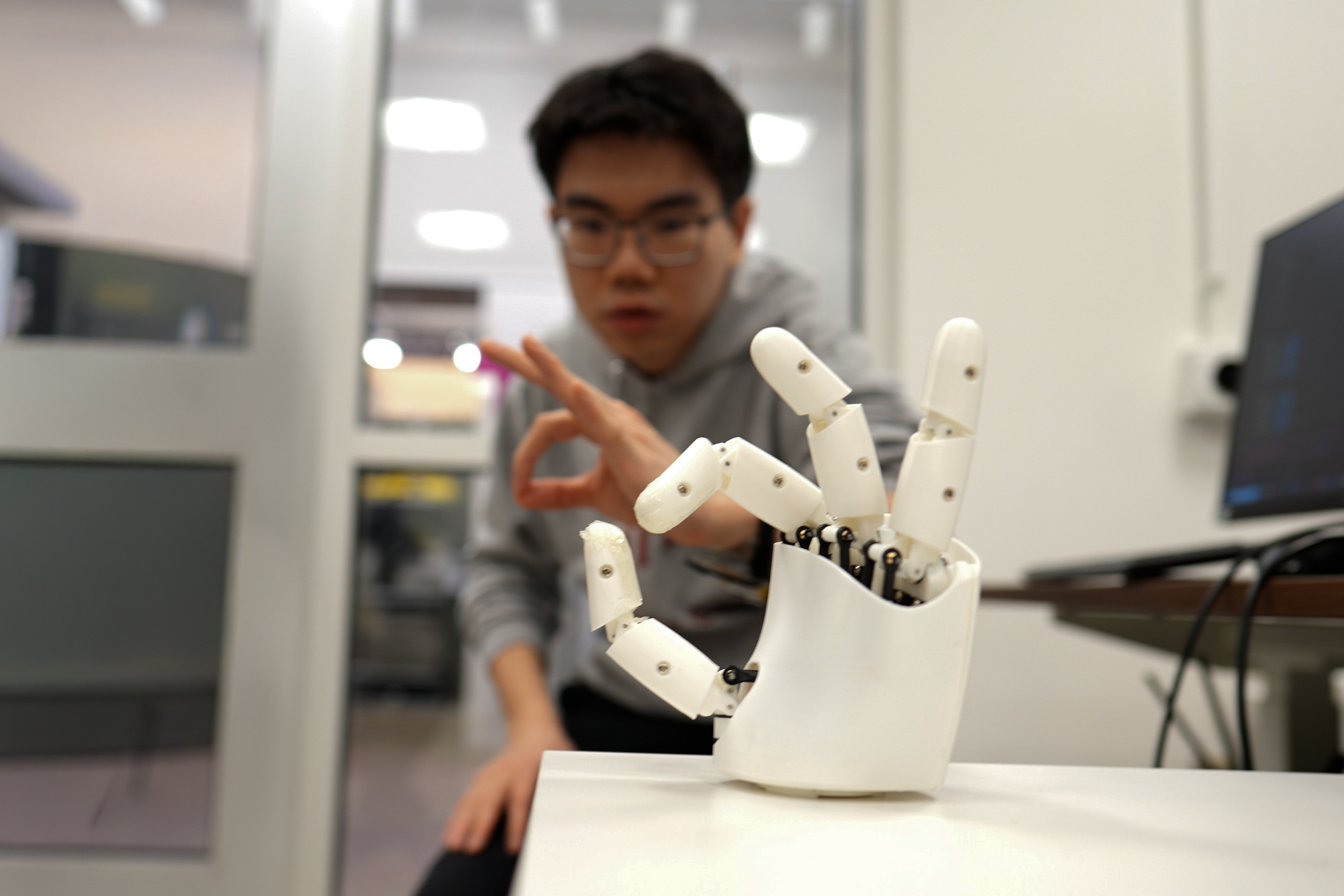
Wristband enables wearers to control a robotic hand with their own movements
MIT engineers created a new ultrasound wristband that can track how your hand moves in real time. The device reads signals from 34 muscles, 27 joints, and over 100 tendons and ligaments in your hand. It could let people control robotic hands or prosthetic devices simply by moving their own hands naturally. This could help people with limb differences or advance robotics and virtual reality technology.
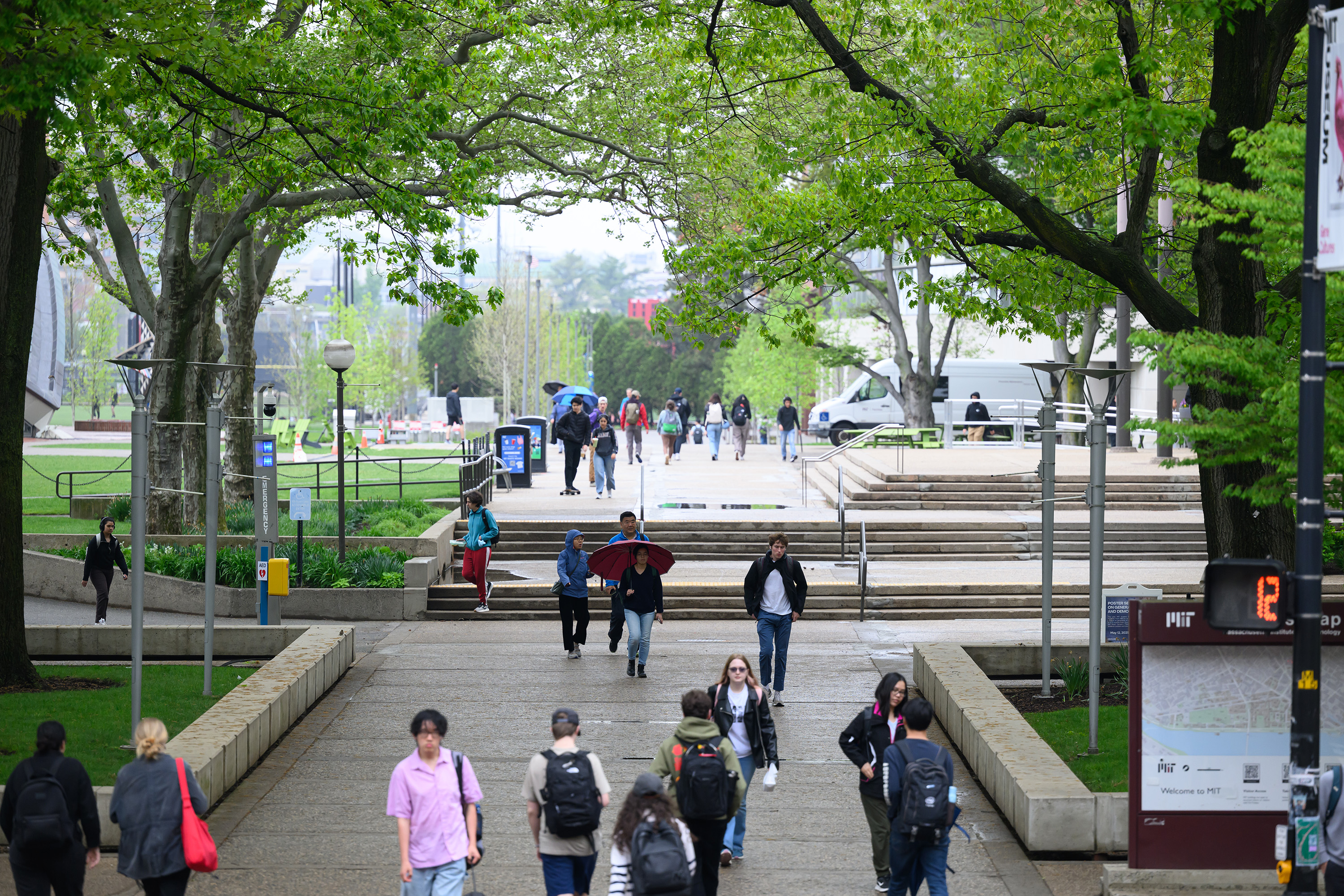
QS World University Rankings rates MIT No. 1 in 12 subjects for 2026
The QS World University Rankings placed MIT at the top in 12 different subject areas for 2026. Subjects where MIT ranked #1 include Chemical Engineering, Chemistry, Civil Engineering, Computer Science, Data Science and AI, Electrical Engineering, Linguistics, Materials Science, and Mechanical Engineering. This achievement highlights MIT's continued strength across science, technology, and engineering disciplines. The QS rankings are among the most widely watched university rankings globally.

Astronomers solve 50-year mystery of a naked-eye star’s extreme X-rays
Astronomers have cracked a cosmic puzzle that stumped scientists for half a century. Gamma Cassiopeiae, a star visible to the naked eye, was emitting mysterious intense X-rays that had no clear explanation. Japan's XRISM space telescope made precise enough observations to identify the culprit: a previously hidden white dwarf companion. This smaller dense star is actively pulling gas from its larger neighbor and superheating it, which creates the powerful X-ray glow.

What We’re Reading: Lessons From the ‘Grandmother Cacao’
At a regenerative farm in India, a cacao tree has reached 65 years old — far surpassing the typical 25-year lifespan of such trees. This "grandmother cacao" stands as proof of what agroforestry can achieve. Agroforestry mixes crops with trees, creating farms that are more resilient and sustainable. The story was shared by Contributing Editor Geetanjali Krishna from the outlet UpBeat.
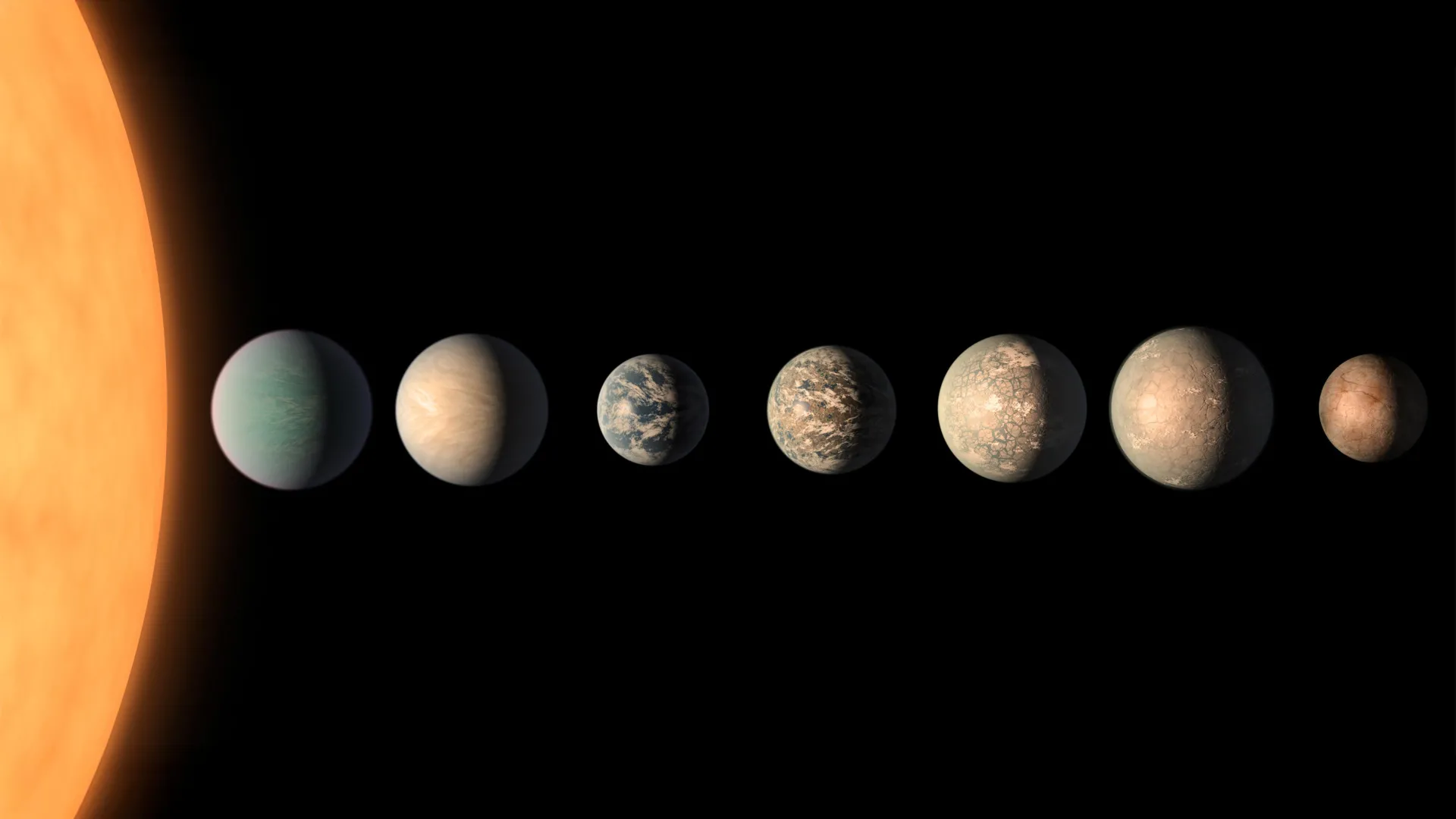
Project Hail Mary meets reality: 45 planets could harbor alien life
Scientists have identified 45 rocky planets that might host life. Using data from ESA's Gaia mission and NASA archives, researchers pinpointed worlds in the 'habitable zone' where temperatures could allow liquid water to exist. The most intriguing targets include nearby systems like TRAPPIST-1 and Proxima Centauri. These planets offer tantalizing possibilities for alien life just dozens of light-years away.

Good News in History, March 25
Sir Elton John turns 79 today, marking a milestone birthday for the legendary British singer-songwriter. Born and raised in London, he showed early promise by learning piano at just age three. His remarkable career has spanned five decades, making him one of the best-selling musical artists in history with more than 300 million records sold worldwide. He remains a beloved cultural figure whose music has touched generations of fans around the globe.
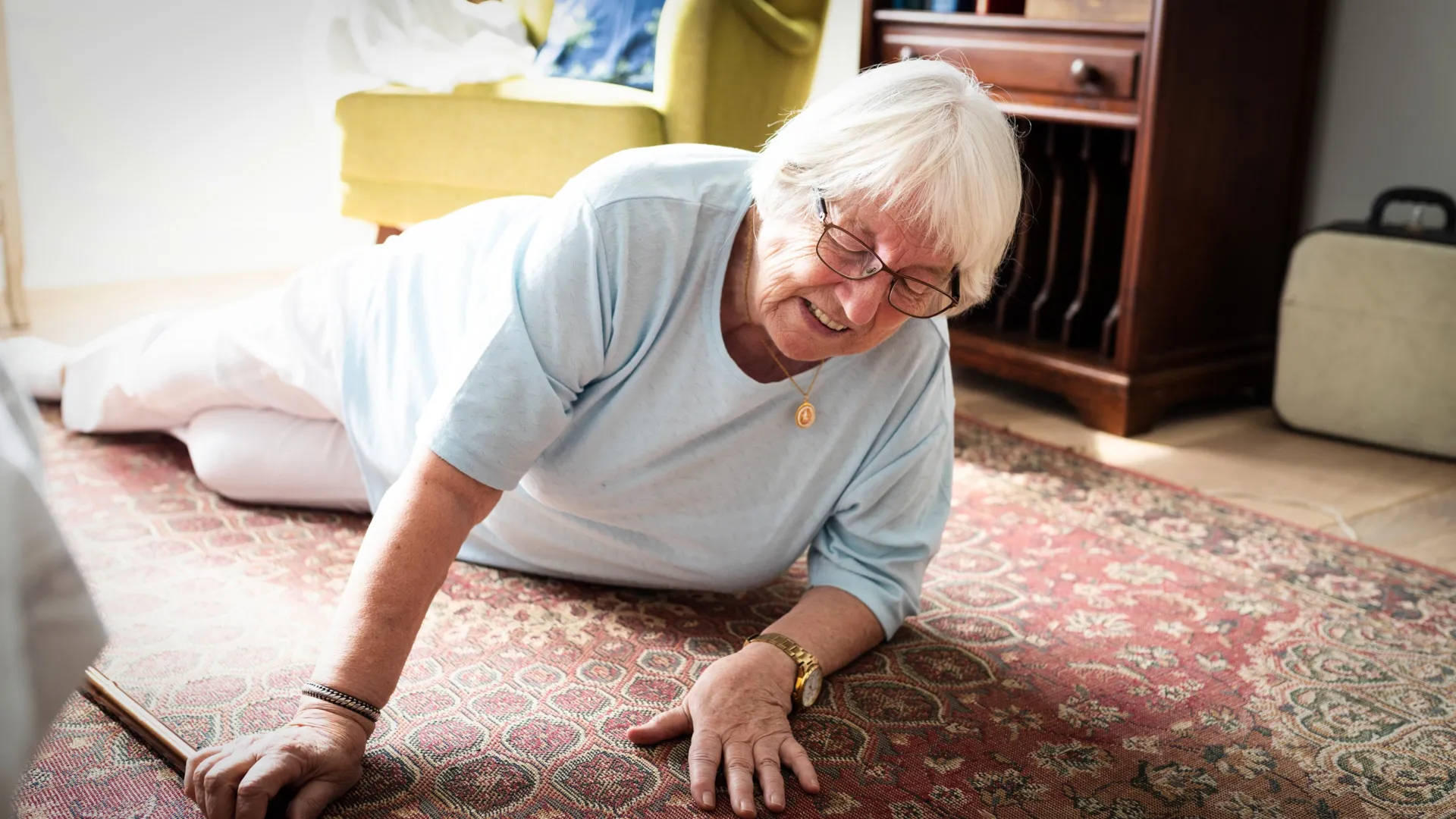
Why your brain may be sabotaging your balance as you age
Scientists have found that balance problems in aging and Parkinson's may come from the body working too hard, not too little. When people try to maintain balance during minor disturbances, their brain and muscles become overactive. Surprisingly, this overcompensation actually weakens balance recovery. The discovery could help doctors predict who is more likely to fall.
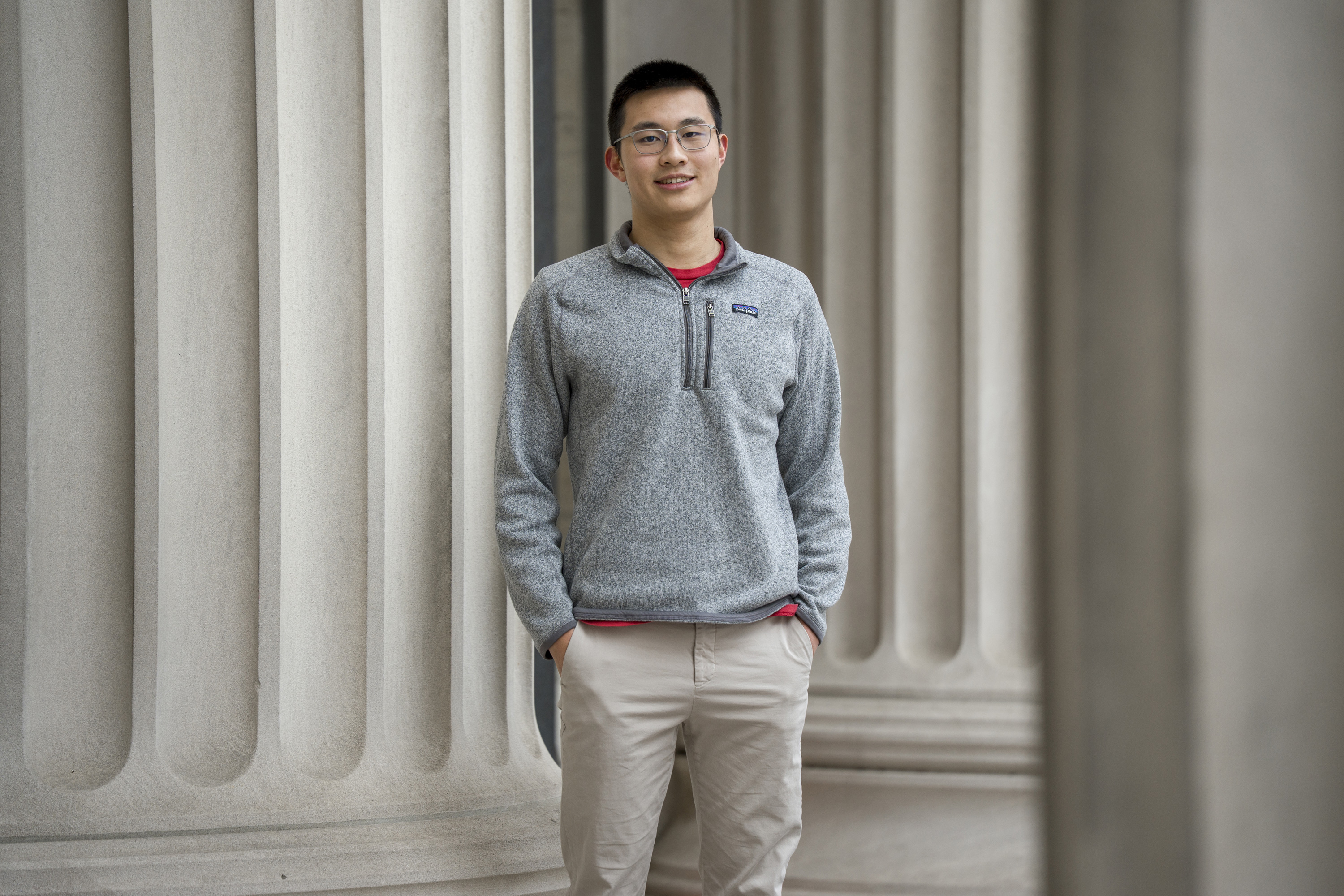
Enduring passions for medicine, journalism, and triathlons
Alex Tang discovered his calling to medicine in grade school after reading Lisa Sanders' 'Diagnosis' column in The New York Times Magazine. The column explained how doctors turn puzzling symptoms into clear diagnoses. A decade later, Tang is a senior at MIT, where he has challenged himself by pursuing a dual major. His story follows his journey from curious student to aspiring physician, with interests spanning medicine, journalism, and athletics.
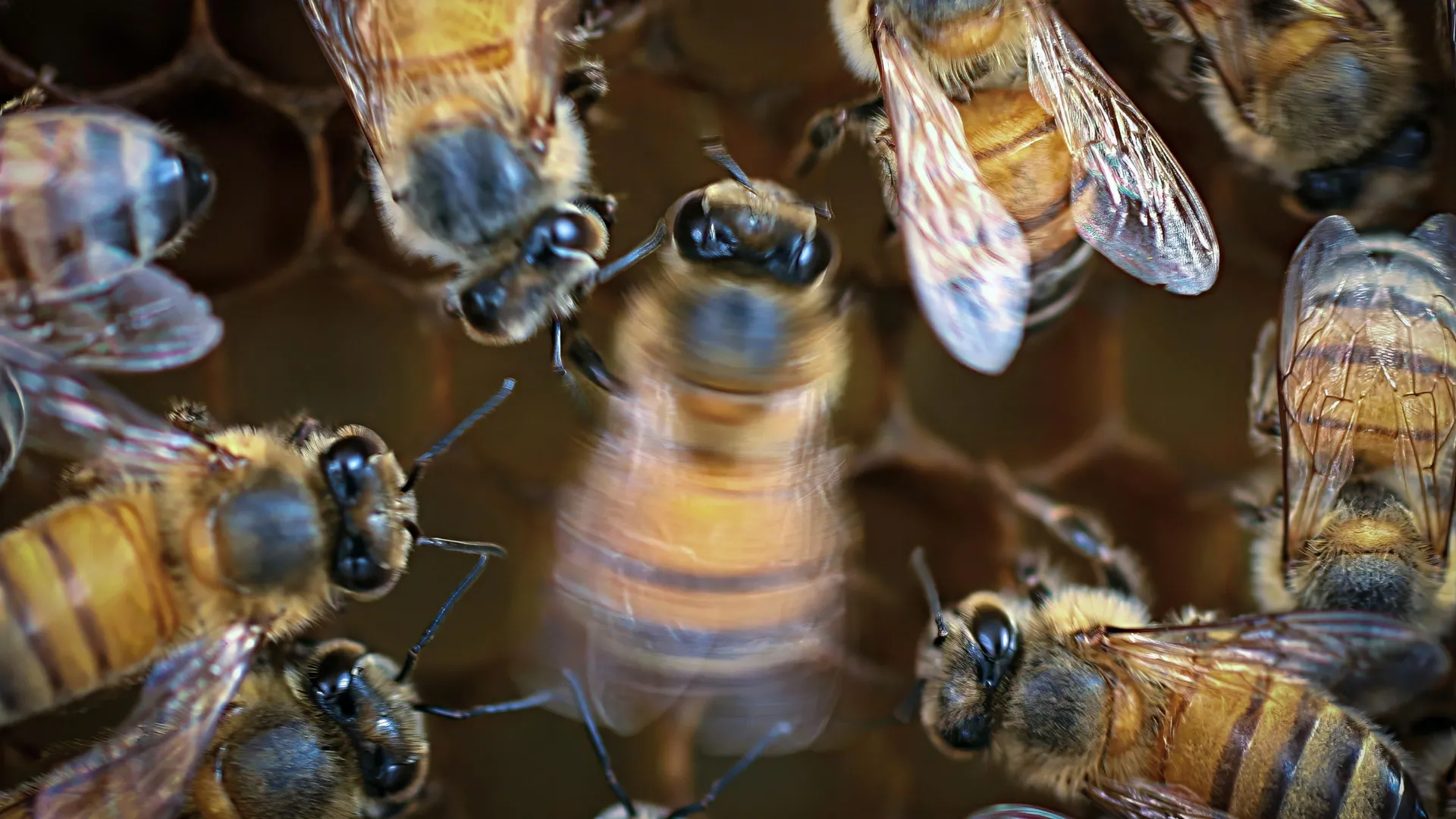
Honey bees dance better with an audience
Honey bees are famous for their waggle dance, which helps guide other bees to food sources. But a new study found bees don't perform this dance the same way every time. When fewer bees are watching, the dancer becomes less precise in its movements. This suggests the dance is not a fixed signal but a flexible performance that adapts based on social feedback from the hive.
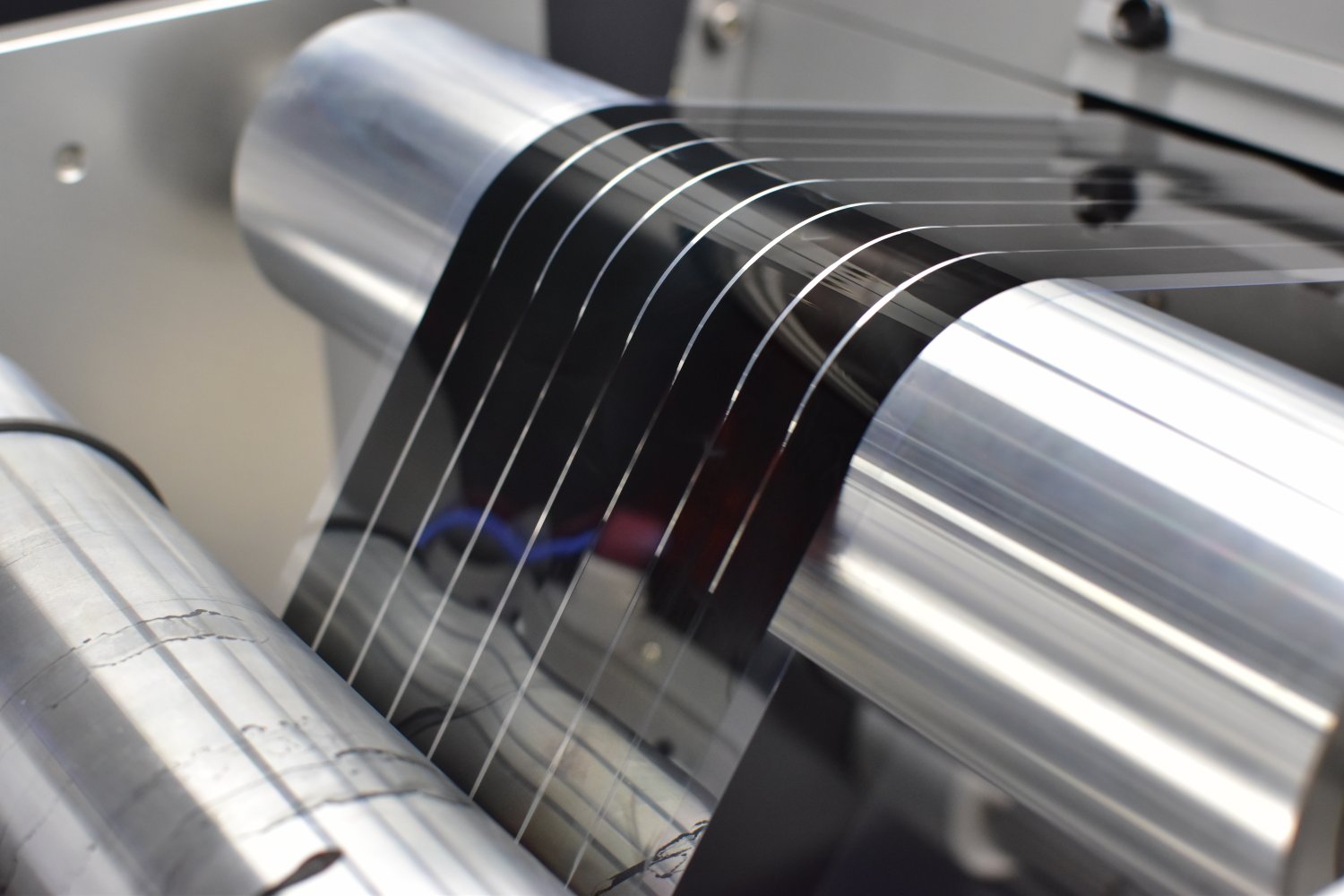
Active Surfaces aims to install peel-and-stick solar panels everywhere
Active Surfaces, a startup born from MIT research, is building solar panels you can simply peel and stick onto windows, roofs, or walls. The idea came to founder Richard Swartwout while studying energy problems in India during a fellowship. The company has now raised more than $10 million from investors and state grants. If the technology works at scale, it could make solar power much easier and cheaper to install worldwide.
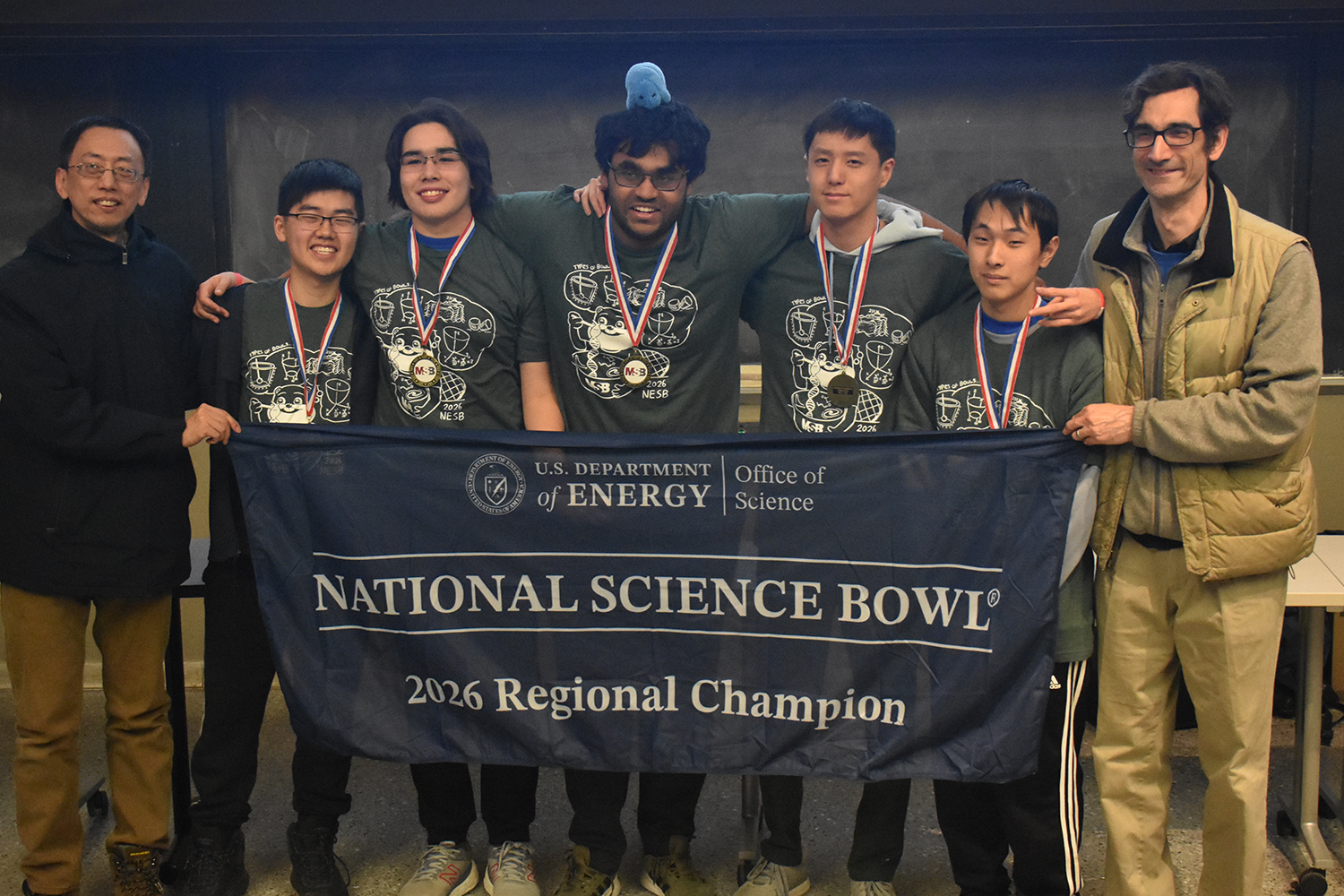
MIT hosts its first High School Regional Science Bowl
MIT in Cambridge, Massachusetts hosted its first ever High School Regional Science Bowl. Volunteers spent the day setting up buzzers, chairs, and supplies in the auditorium. Hundreds of high school students filed in wearing matching dark green Science Bowl T-shirts. After rounds of rapid-fire questions, the auditorium filled with tension as the final moments of competition unfolded.
These Mini Brains Just Learned to Solve a Classic Engineering Problem
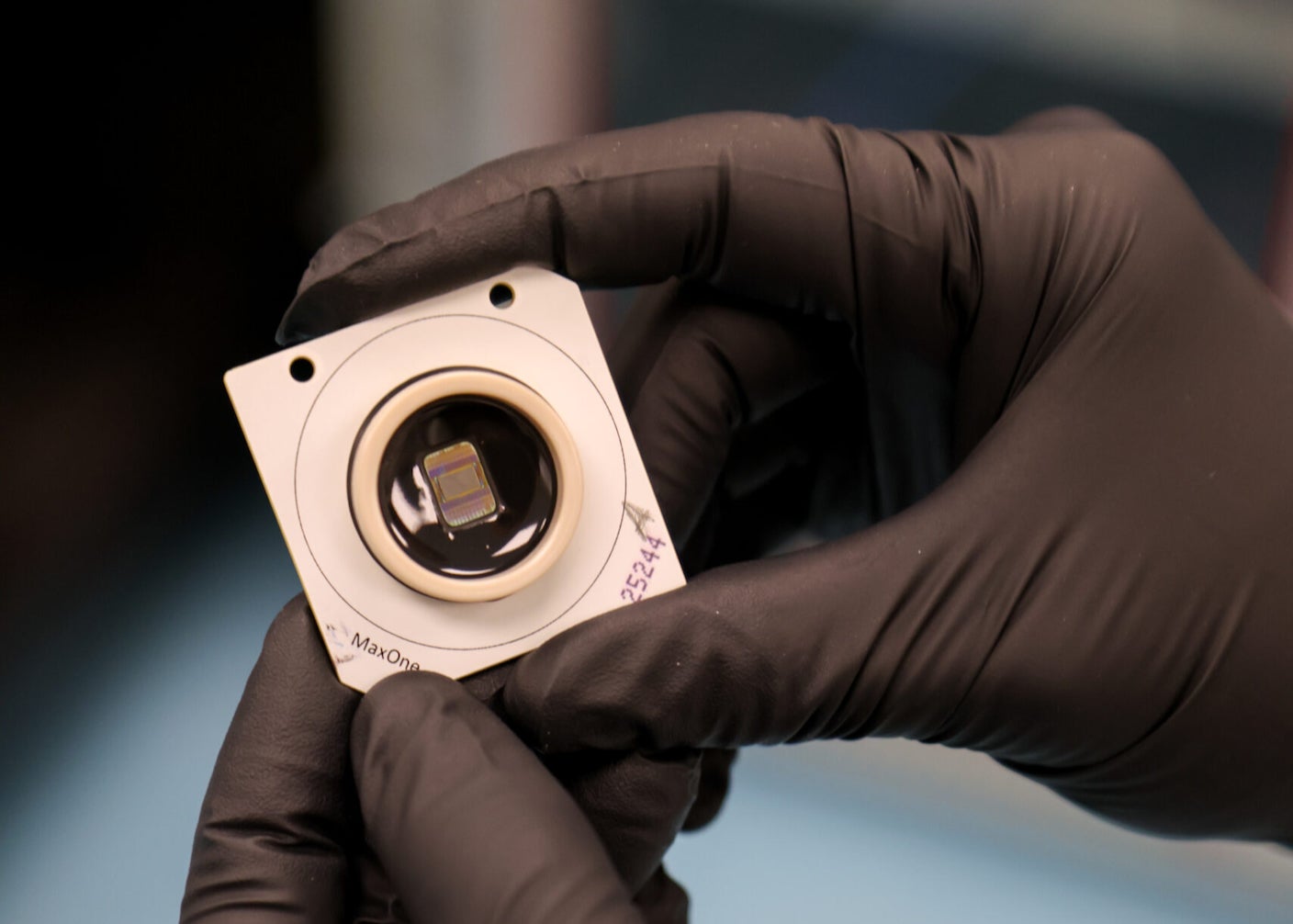
Researchers grew mini brain organoids from stem cells in the lab. These tiny clusters of brain cells were trained to balance a pole on a moving cart - a classic engineering test. As they learned, the organoids rewired their neural connections to solve the problem. The achievement suggests biological computers powered by living brain tissue could one day become reality.

Seniors Who Eat More Meat Are Less Likely to Develop Dementia Study Find
Swedish researchers studied over 337,000 people to see how diet affects dementia risk. They found that seniors with the APOE gene — a gene that increases Alzheimer's risk — were able to reduce that risk by eating more meat. The researchers say this shows that one-size-fits-all dietary advice may not work well for people with certain genes. More research is needed to understand exactly why meat makes this difference.

‘Call a Boomer’ Payphone Instantly Connects Youth with Seniors to Tackle Loneliness Across Generations
A bright yellow payphone outside a Boston University coffee shop bears a simple message: 'Call a Boomer.' On the other end, 2,000 miles away in Reno, Nevada, another box waits. Pick up the receiver and students are instantly connected with seniors who signed up to chat. The creators hope the unusual setup—paying it forward across generations—tackles the loneliness crisis affecting both young and old Americans. No apps, no logins, just two strangers and a conversation.
Volunteers Plant ‘Mega Hedge’ 15 Miles Across England, Connecting Wildlife in Two National Parks
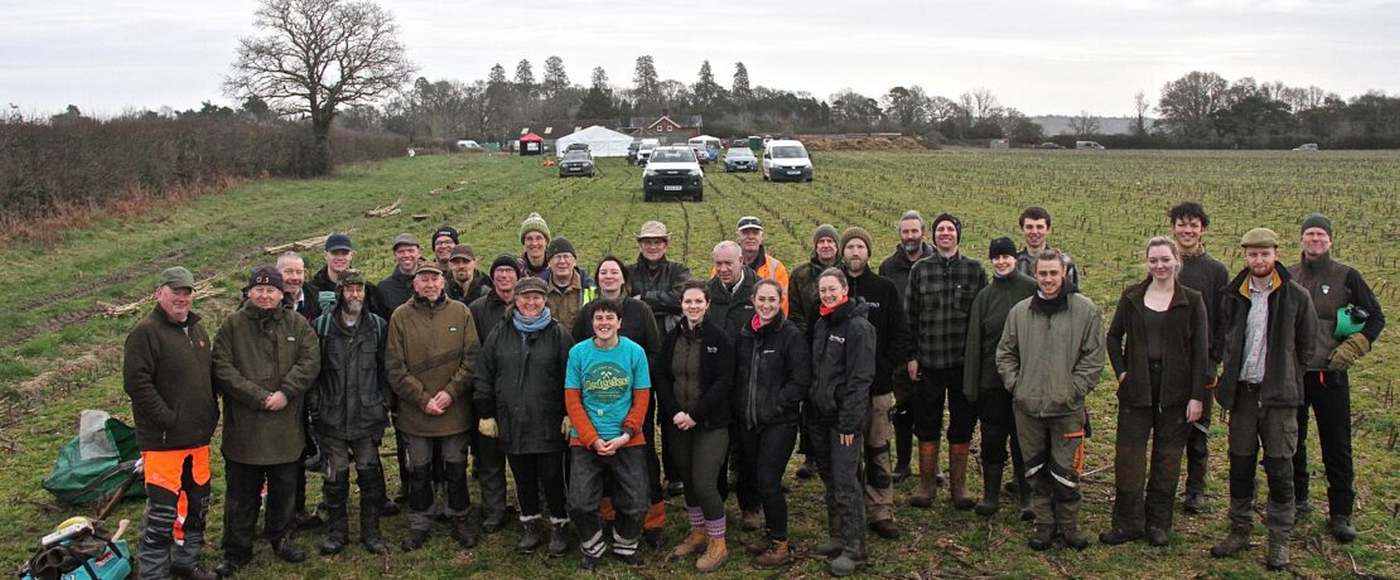
Volunteers in England have finished building a 15-mile hedge that connects two national parks. The Hampshire Hedge links South Downs National Park to New Forest National Park, giving wildlife a safe route between the two protected areas. The project took three years to complete, with volunteers planting hedgerows across farmland. Hedgerows act like highways for birds, insects, and small mammals.

A landscape reborn: rewilding is transforming an old mine in the Greater Coâ Valley
A former mining site in Portugal's Greater Côa Valley is undergoing a remarkable transformation. Through a combination of natural regeneration and carefully planned human interventions, the scarred landscape is being restored to life. The rewilding project has created lakes, ponds, and connected habitats that are now attracting diverse wildlife. This project demonstrates how even heavily degraded industrial land can be returned to nature.
Fatty liver breakthrough: A common vitamin shows promise
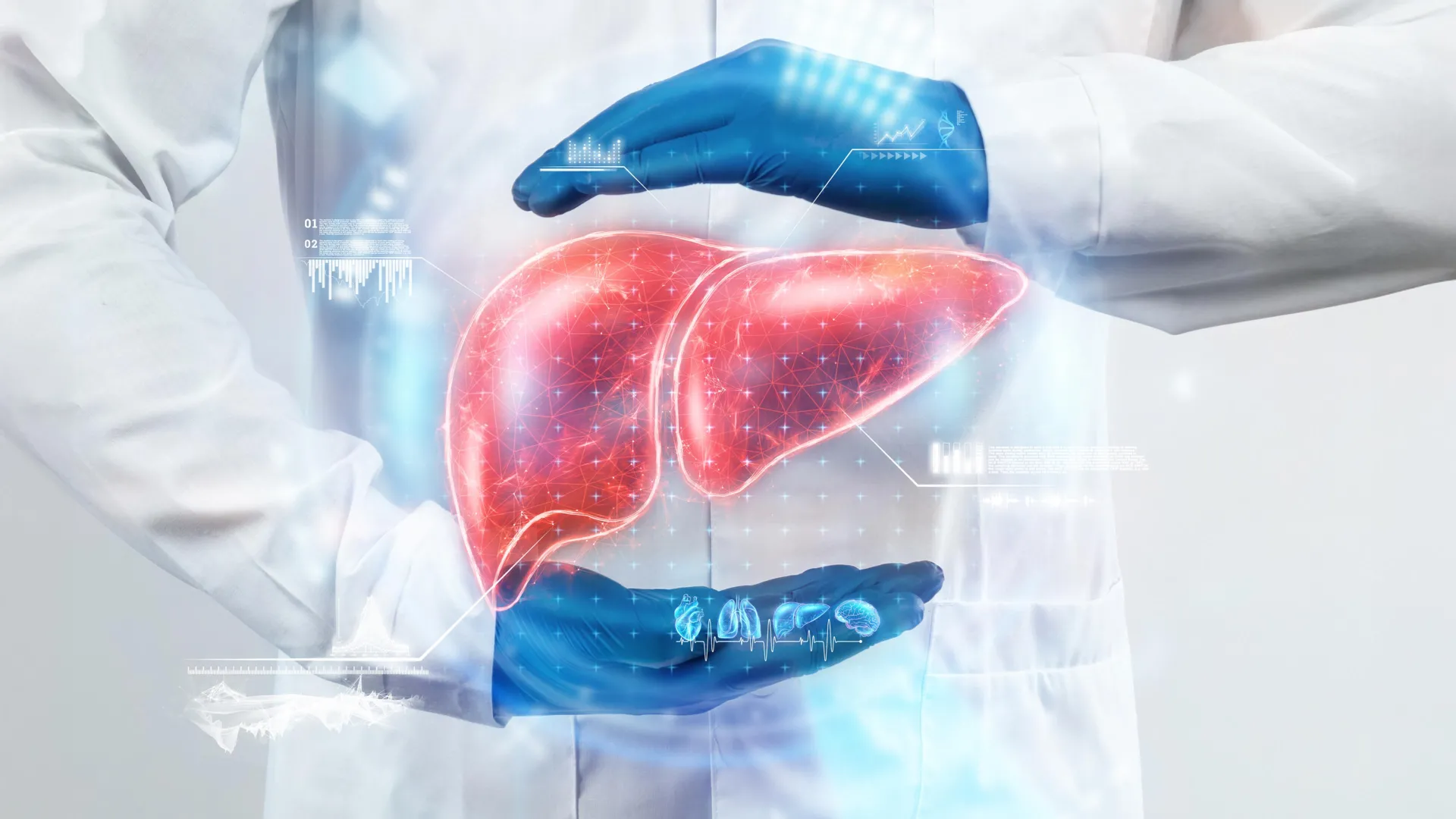
Researchers discovered that microRNA-93 drives fatty liver disease. Vitamin B3 was found to shut down this genetic trigger. The treatment could be both safe and affordable since vitamin B3 is already widely available. This finding offers new hope for treating a disease that impacts millions of people.

Global Terrorism Falls to 15-year Low Driven by Reductions in 81 Countries
The Global Terrorism Index reports that terrorist attacks fell 22% and related deaths dropped 28% worldwide. These numbers are at their lowest since 2007 — a 15-year improvement. The gains were spread across 81 countries, showing this is a broad global trend. 2025 saw the single biggest annual drop in terrorism since 2020–2021, suggesting lasting change rather than a temporary dip.
The link between healthy soil and a healthy body
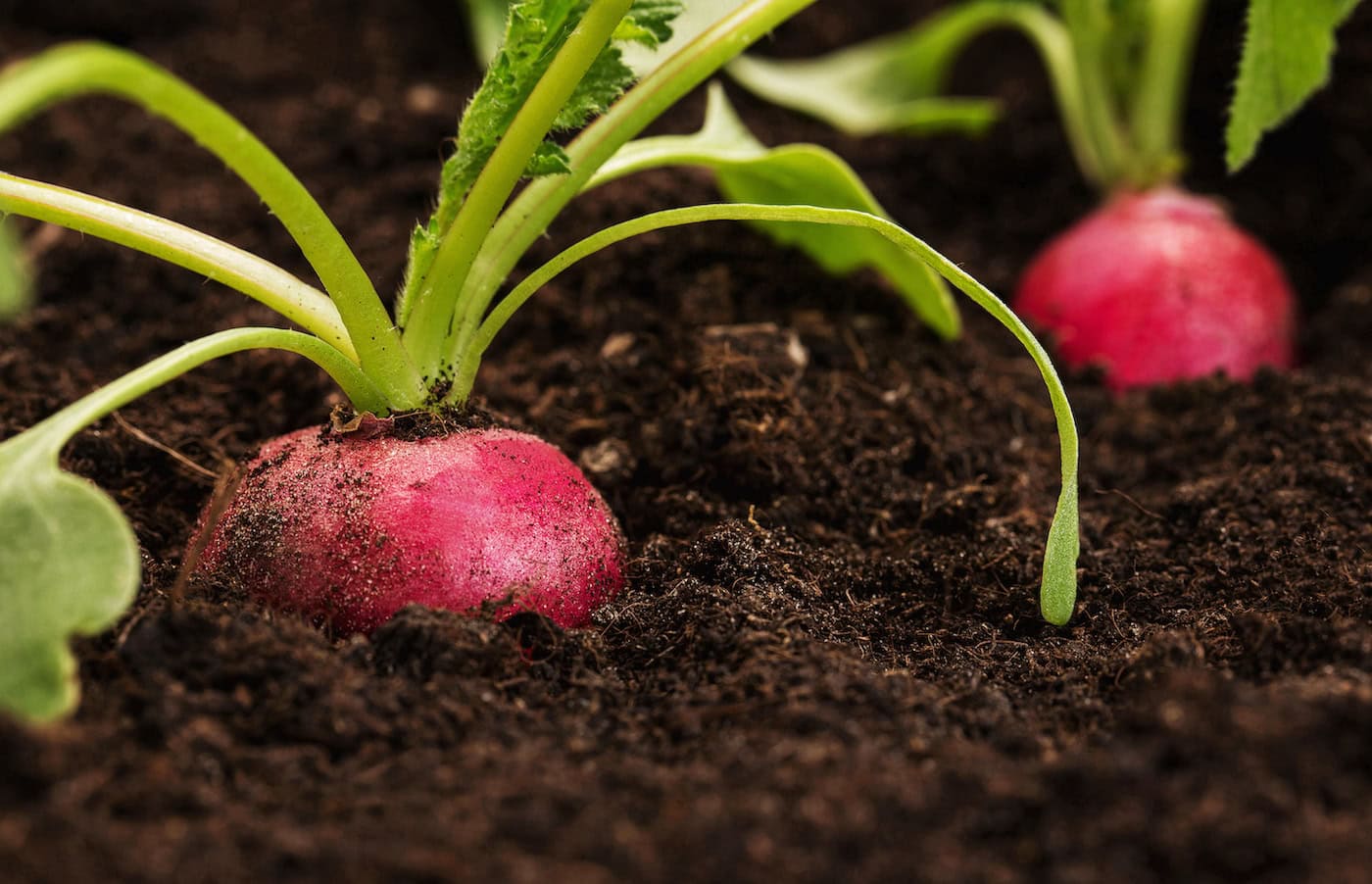
This Positive News article examines the vital connection between soil health and human health. It explains how the quality of soil directly affects the nutritional value of the food grown in it. The piece highlights how regenerative farming practices that improve soil health can lead to better outcomes for both the environment and human wellbeing.
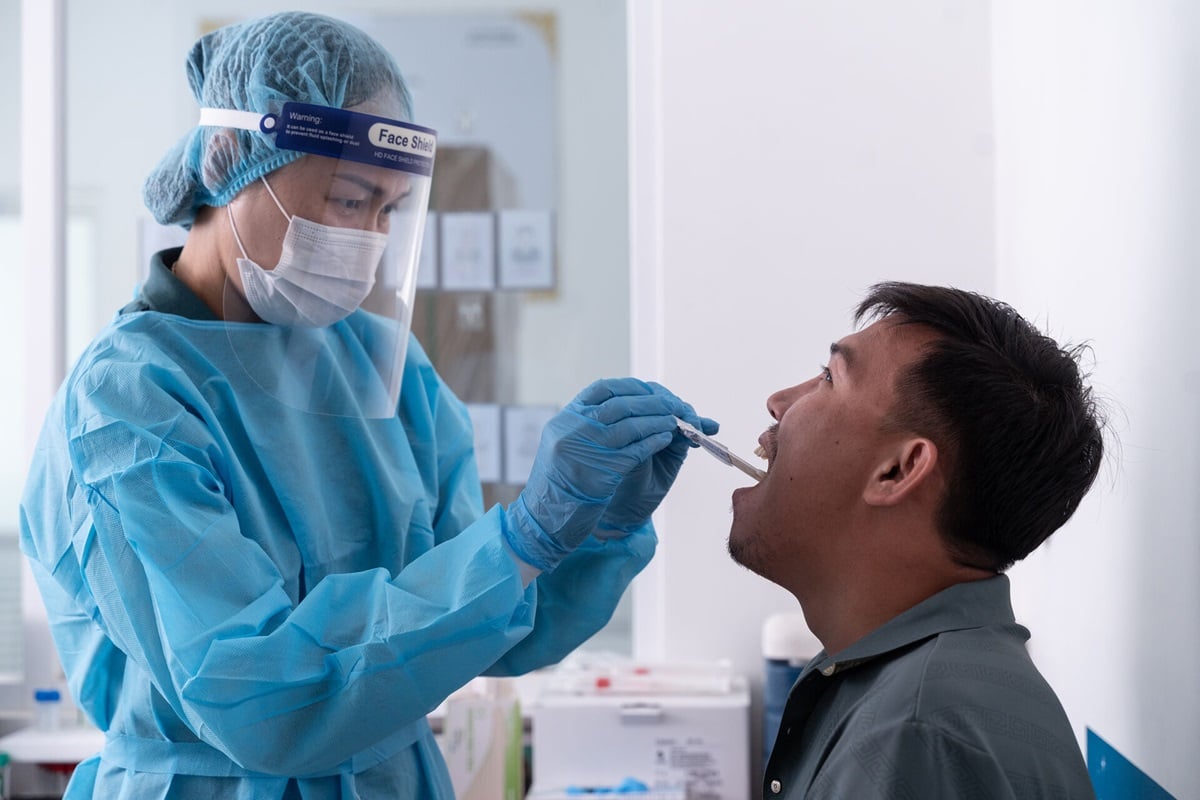
WHO recommends new diagnostic tools to help end TB
WHO has released new guidelines for portable TB tests that give results in under an hour. These battery-powered tools cost less than half as much as older diagnostics and can reach patients where they seek care. The guidelines also recommend tongue swabs for people who cannot produce sputum samples, expanding testing to more people. Global efforts have already saved an estimated 83 million lives since 2000, though over 33,000 people still die from TB daily.

Scratchy Throat or TB? Your Phone Can Tell You
In Behror, Rajasthan, a free mobile medical van is using a phone app to screen patients for tuberculosis by analyzing their cough sounds. The technology detects potential TB cases in just 10 to 30 seconds, flagging patients who need hospital testing. For many rural workers, this means avoiding long journeys and lost wages to get screened. The innovation brings healthcare directly to underserved communities that lack easy hospital access.

Good News in History, March 24
Peyton Manning, one of the most celebrated quarterbacks in NFL history, marked his 50th birthday on March 24. Nicknamed "the Sheriff," he played 14 seasons with the Indianapolis Colts and 4 with the Denver Broncos. His career included 11 playoff appearances, 8 division titles, 2 Super Bowl appearances, and a championship win in Super Bowl XLI. Manning retired in 2016 as one of the most accomplished players in football history.

How to create “humble” AI
Scientists at MIT want to make AI systems more humble. Their idea is that AI should tell doctors when it's not sure about something, instead of acting overly confident. Current AI can lead doctors in the wrong direction by giving incorrect answers with too much certainty. The research team says programming AI to admit uncertainty could prevent dangerous medical mistakes.