Latest News
Positive stories from around the world · Good news by country
Showing 37177–37200 of 37342 articles

The rise of Lake Kartal: a wetland rewilding showcase
In the Ukrainian Danube Delta, a rewilding project reconnected Lake Kartal to the mighty Danube River. This simple act restored the natural water flow that the lake and its wetlands had lost. Since then, wildlife has bounced back and local communities are feeling the benefits too. It shows how powerful it can be to let nature do what it does best.

Global commitment on display as countries negotiate key annex to the Pandemic Agreement
WHO member states wrapped up their fifth round of talks on the Pathogen Access and Benefit Sharing annex in Geneva from Feb 9-14. The annex would create a system to share dangerous viruses and distribute resulting vaccines and treatments equally among all nations. Negotiators described discussions as productive and constructive, though important differences remain. WHO Director-General Dr Tedros expressed confidence that a final agreement will be reached by the World Health Assembly in May.
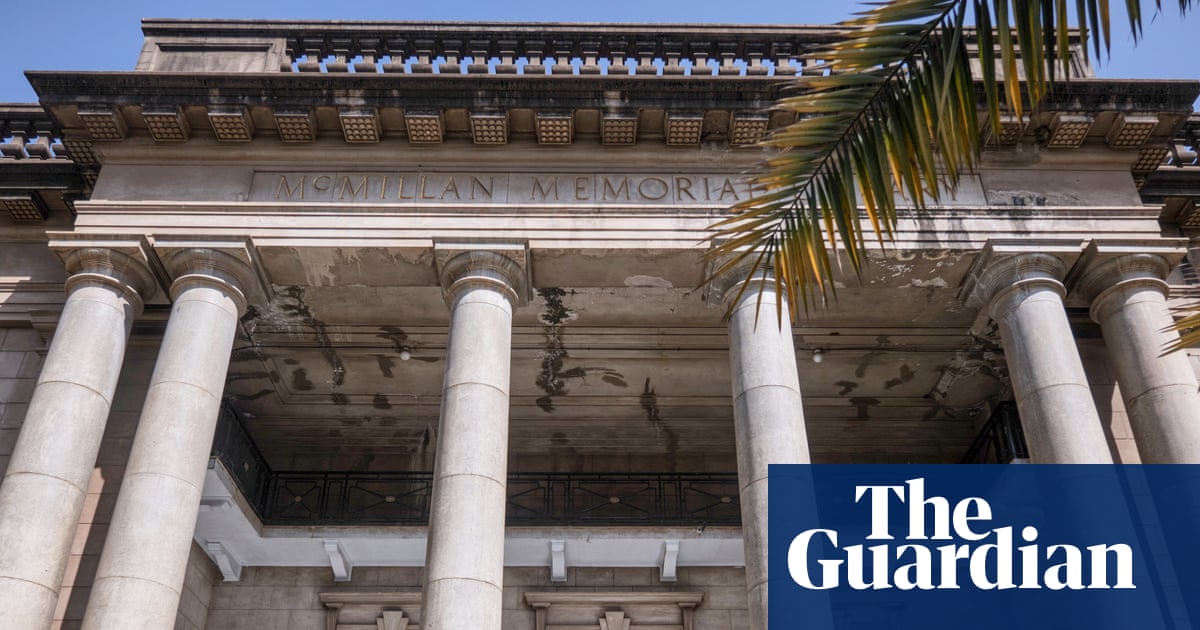
‘The goal has been to demystify’: how a colonial Nairobi library was restored and given back to the people
The McMillan Memorial Library in Nairobi, Kenya, was built during British colonial rule and served only white people for decades. After years of neglect, the grand building has been restored and returned to the Kenyan people. Its basement now stores over 100 bound volumes of historic newspapers and council meeting minutes dating back more than 100 years. The project aimed to 'demystify' the space and make its collections freely accessible to the community.
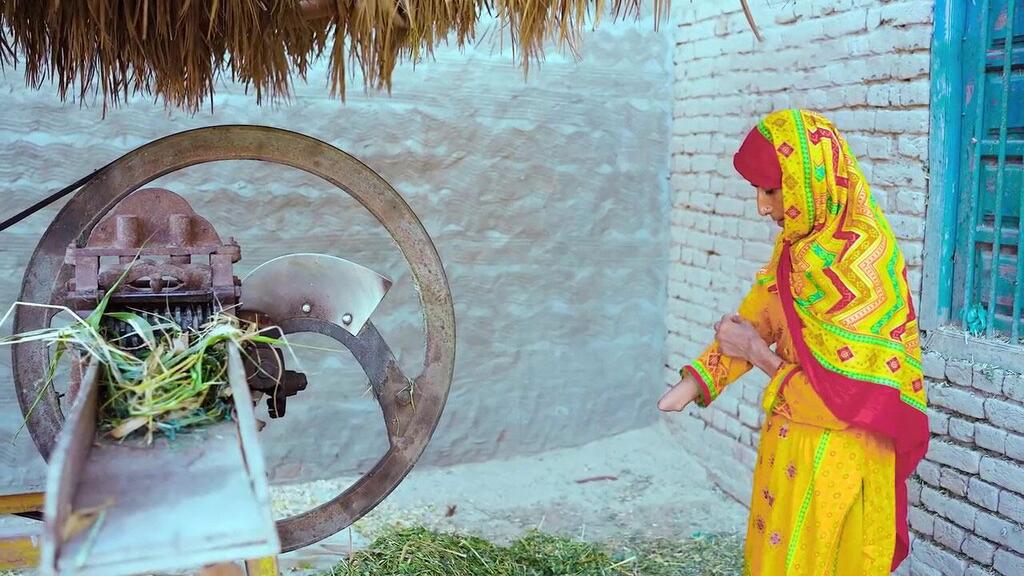
In the hands of innovators from the Global South, AI can transform lives
AI innovators from the Global South are now applying the technology to solve real problems in their communities. Once dominated by wealthy western nations, AI development is spreading to benefit developing regions in areas like health, agriculture, and industry. The UN highlights how these applications are transforming lives in areas that have been traditionally underserved by technology. This shift represents a democratisation of AI that could help close gaps between developed and developing nations.

Statement on the planned hepatitis B birth dose vaccine trial in Guinea-Bissau
The World Health Organization has released a formal statement regarding a planned hepatitis B birth dose vaccine trial in the West African nation of Guinea-Bissau. The statement addresses key questions about the proposed trial's design, ethics, and implementation. WHO's guidance aims to ensure any vaccination research follows international health standards and protects participants.

‘I’m looking for photographs that dive below the surface and truly tell a story.’
The European Wildlife Photographer of the Year competition has opened submissions for its Rewilding Europe Award, with a March 1 deadline for entries. Munich-based photographer Viktoria Pezzei will serve as a judge this year. She is looking for photographs that go beyond pretty wildlife shots and tell a real story about nature's recovery. The award celebrates images that show how wildlife and wild places are coming back to Europe.

From war zones to outer space, radio remains essential
Radio remains a vital communication tool worldwide, even as digital technology expands. Its radio waves travel beyond what eyes can see, reaching people in the most remote or dangerous places. In war zones, radio often serves as the only reliable connection when other technology breaks down. The UN feature notes that radio continues to pair with cutting-edge innovation while remaining an indispensable tool for sharing experiences and understanding across communities.
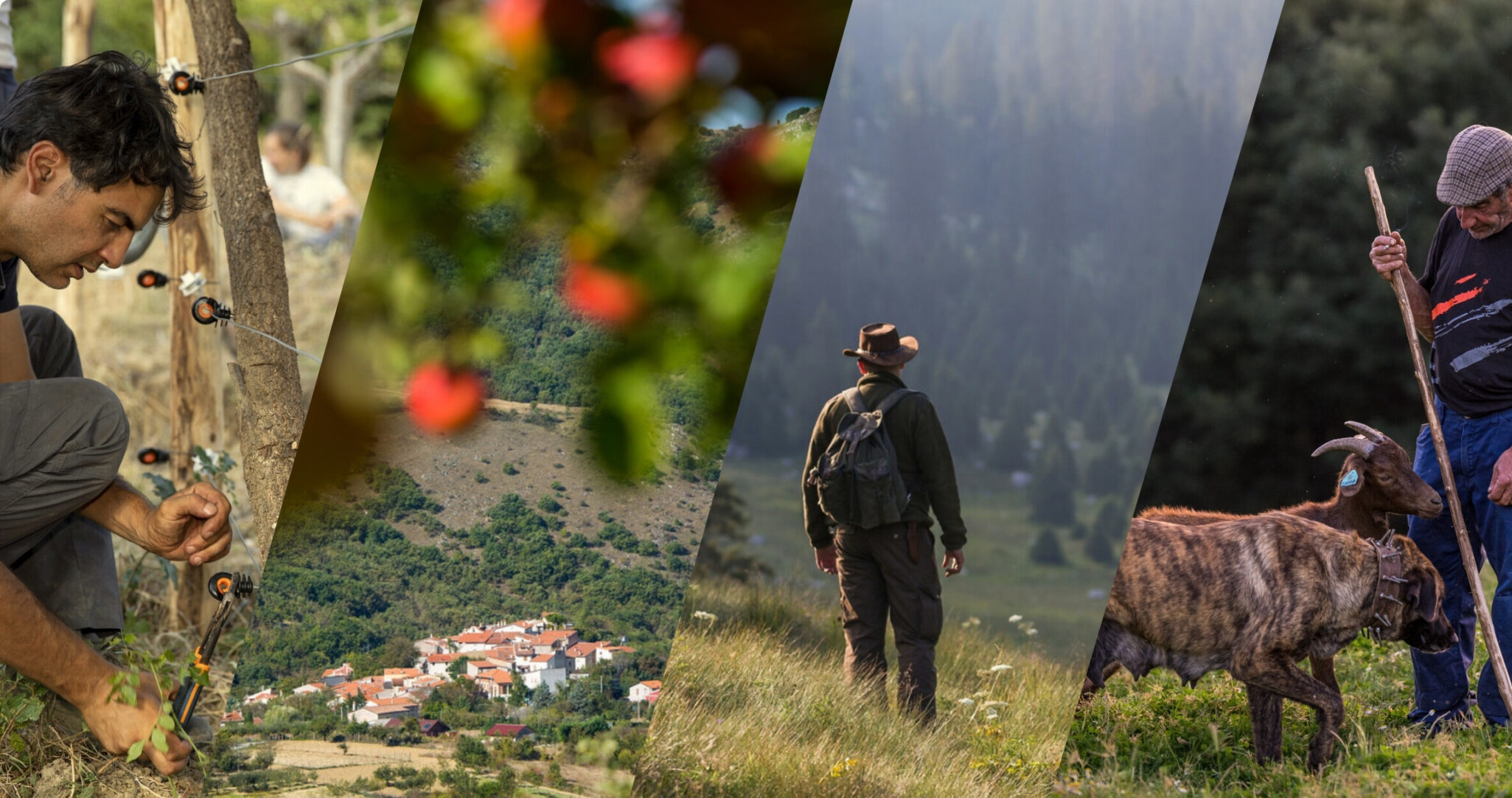
Successful coexistence guidance launch shows readiness to live with wildlife
Rewilding Europe has launched new guidance to help mayors and community leaders support coexistence between people and wildlife. The guidance was presented at a well-attended webinar and aims to equip local leaders with practical knowledge and solutions. It focuses on helping communities share space with wildlife and highlights the benefits of wildlife comeback across Europe.
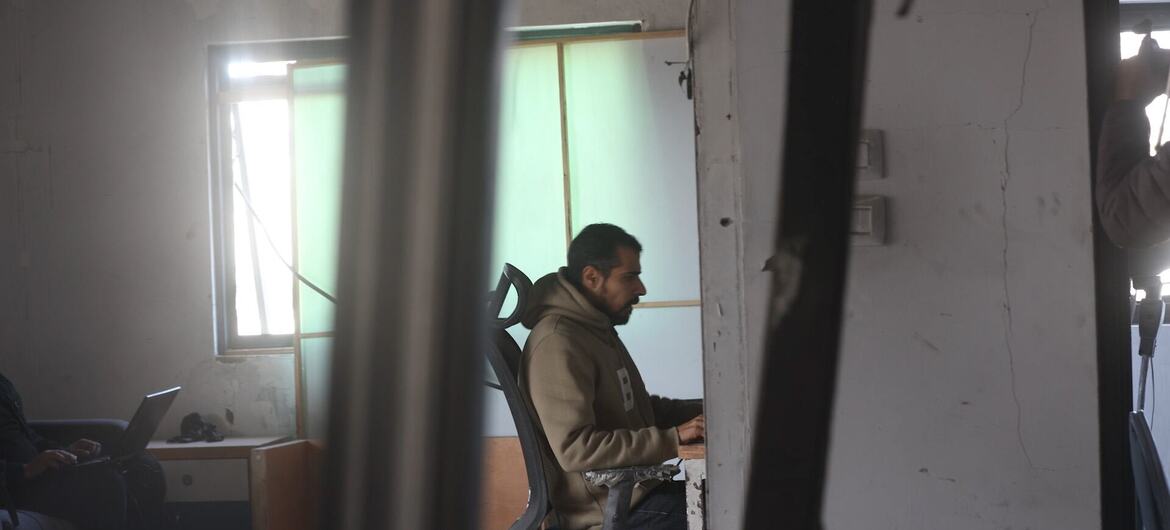
Gaza radio station re-opens, bringing voices from the rubble
A small radio station called Zaman FM is broadcasting again in Gaza. Broadcaster Rami Al-Sharafi works from a damaged building, returning to the airwaves after two years of war. The reopening means listeners can once again hear local voices and news. In places affected by conflict, keeping communication alive is a form of hope and resistance.

One in two people facing cataract blindness need access to life-changing surgery
The World Health Organization is calling on countries to help people with cataracts access simple, sight-restoring surgery. Cataract blindness is avoidable, and the surgery to fix it is both highly effective and affordable. Yet about half of people living with cataracts globally cannot access this routine procedure. The WHO says accelerating these efforts is one of the best ways to prevent unnecessary blindness worldwide.
UN social policy commission closes with calls to turn pledges into action
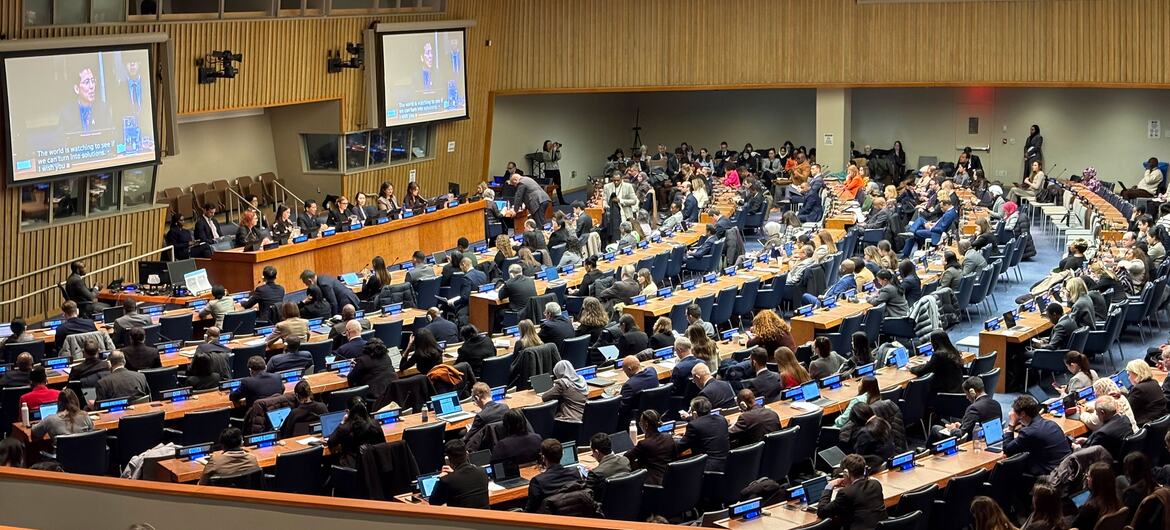
The UN's main social policy forum concluded its annual session on Tuesday with a renewed push to convert global social justice commitments into concrete action. The forum brought together delegates to address deepening inequality and declining trust in public institutions. While the session highlighted the urgency of the issues, the focus remained on planning rather than announcing specific wins or measurable progress. The UN expressed commitment to continue working toward social justice goals.
In Bahrain; work, dignity and the quiet rise of home-grown enterprise
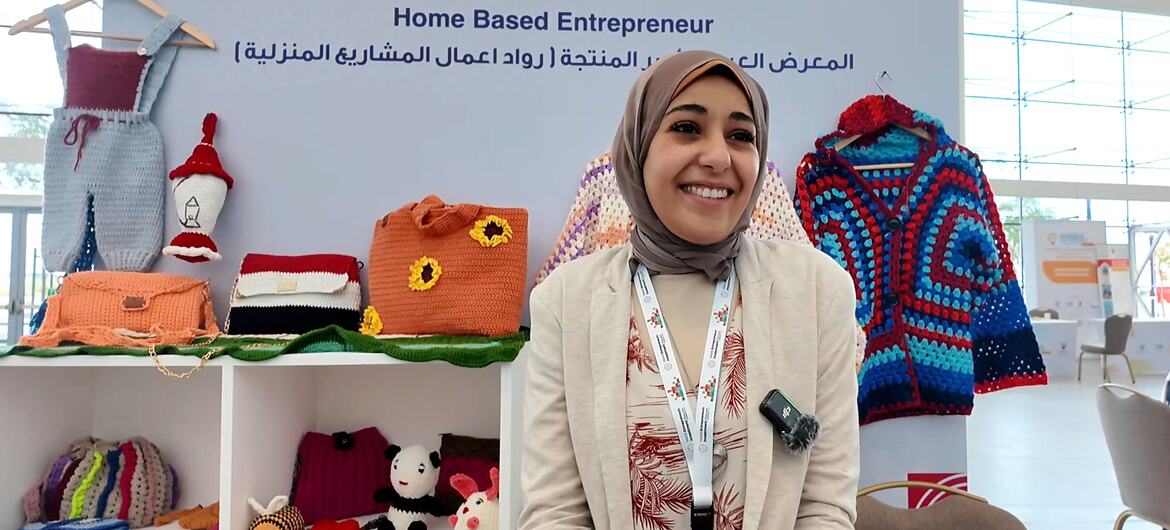
Women entrepreneurs in Bahrain are proving that creativity and persistence can build real livelihoods. The story highlights how targeted support helps women turn skills like crochet into income through digital marketplaces that cross borders. For many, home-based enterprise offers dignity when formal employment remains out of reach. The quiet rise of these businesses shows how economic alternatives can empower women in the region.

French flagship “libre evolution” rewilding initiative joins the European Rewilding Network
The PRELE initiative, based in Normandy, France, is breathing new life into forests, wetlands, and farmland by letting nature take the lead. Called "Libre Evolution" (free evolution), the project allows ecosystems to recover naturally rather than being heavily managed. It has become a flagship French rewilding project and was recently welcomed into the European Rewilding Network.
From rural margins to media trailblazers: India’s women journalists are rewriting the news
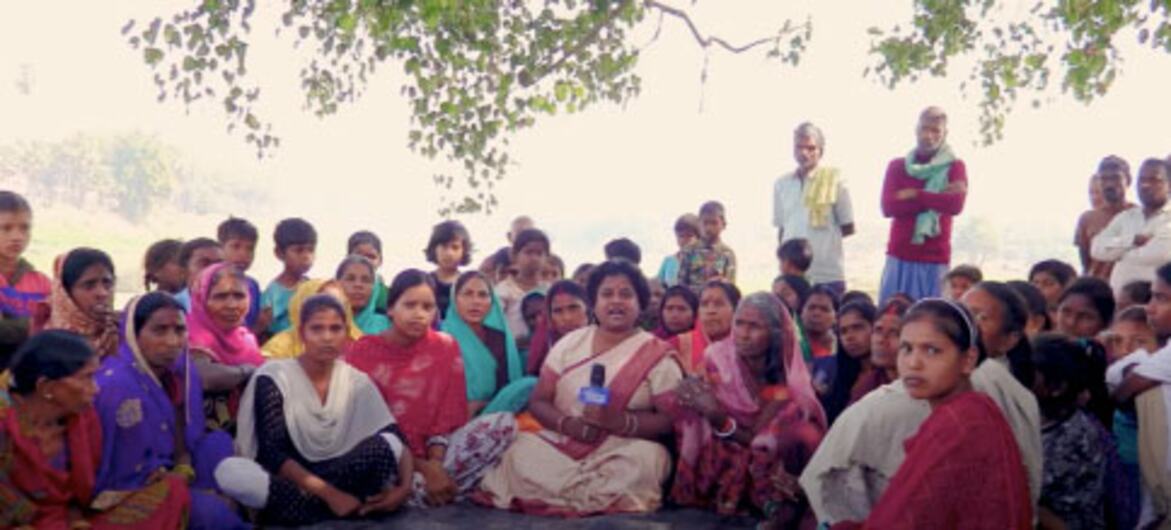
For over 20 years, women journalists in rural India have been building a radically different model of journalism far from global newsrooms and editorial boardrooms. These trailblazers are empowering themselves and their communities by telling stories that matter to them, on their own terms. This grassroots movement challenges traditional media hierarchies and puts local voices at the center of news coverage. The initiative shows how journalism can be transformed when women take the lead in underserved regions.
'I've been flying through the air without skis on - that is a weird feeling'
This BBC Sport feature profiles a Winter Olympics athlete who survived an alarming fall of 40 feet onto hard-packed snow during competition. The article explores the unique physical challenges of freestyle skiing and snowboarding, where athletes regularly perform maneuvers that push the boundaries of human capability. Rather than celebrating a medal or victory, the piece offers an experiential look at what it feels like to fall from significant heights and get back up.

Preventive cholera vaccination resumes as global supply reaches critical milestone
The World Health Organization announced the first preventive cholera vaccination campaign in over three years is underway in Mozambique. Additional campaigns are planned for Bangladesh and the Democratic Republic of the Congo. A global shortage of cholera vaccines had forced countries to limit vaccinations to outbreak responses only. The new preventive approach aims to stop cholera before outbreaks begin.
Invisible highways: The vast network of undersea cables powering our connectivity
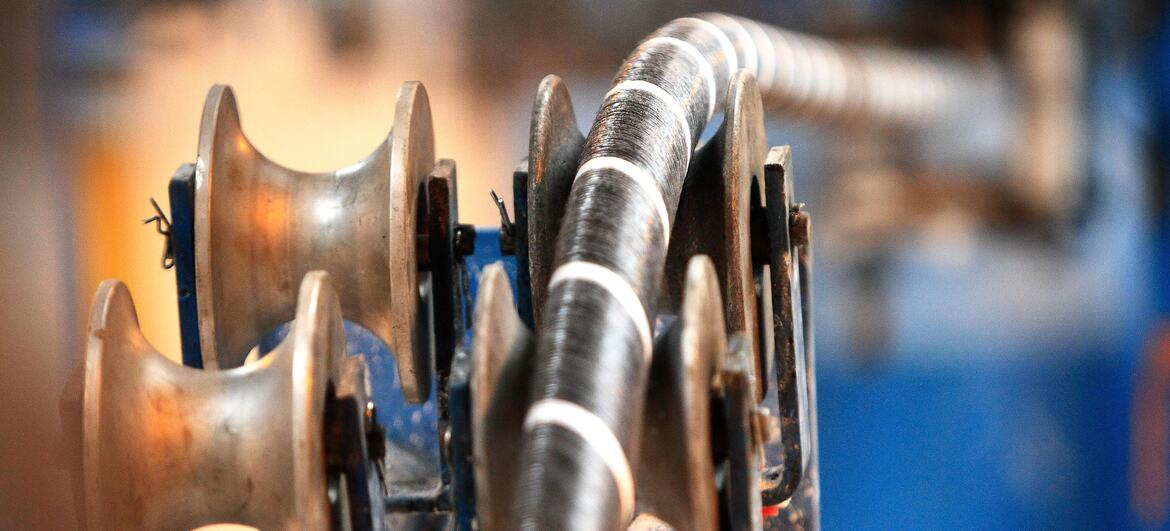
The internet we use every day relies on an invisible network buried deep beneath the oceans. These fiber optic cables stretch for millions of kilometers across the seabed, connecting continents and carrying nearly all international data. Over 400 active cables currently serve our connected world. The UN story highlights how this physical infrastructure powers everything from email to video calls and online banking, mostly unseen by the public.
Happy tennis, serious name - how history-maker Alcaraz clinched career Grand Slam
Carlos Alcaraz from Murcia, Spain, has become the youngest male player ever to win a career Grand Slam in tennis. He won all four major tournaments: Australian Open, French Open, Wimbledon, and US Open. At just 21 years old, he surpassed all previous records to achieve this rare milestone. His journey from 'Carlitos' to tennis history-maker marks a new chapter in the sport.

From Cape Town to London, Deo Kato runs to challenge racism and reclaim the migration narrative
Deo Kato, a Ugandan British runner and campaigner, has completed an incredible journey by becoming the first person to run from Cape Town to London. The 1.5-year journey covered thousands of miles across Africa and Europe. Kato undertook this challenge specifically to confront racism and shift the often-negative public narrative around migration into a story of human resilience and connection.
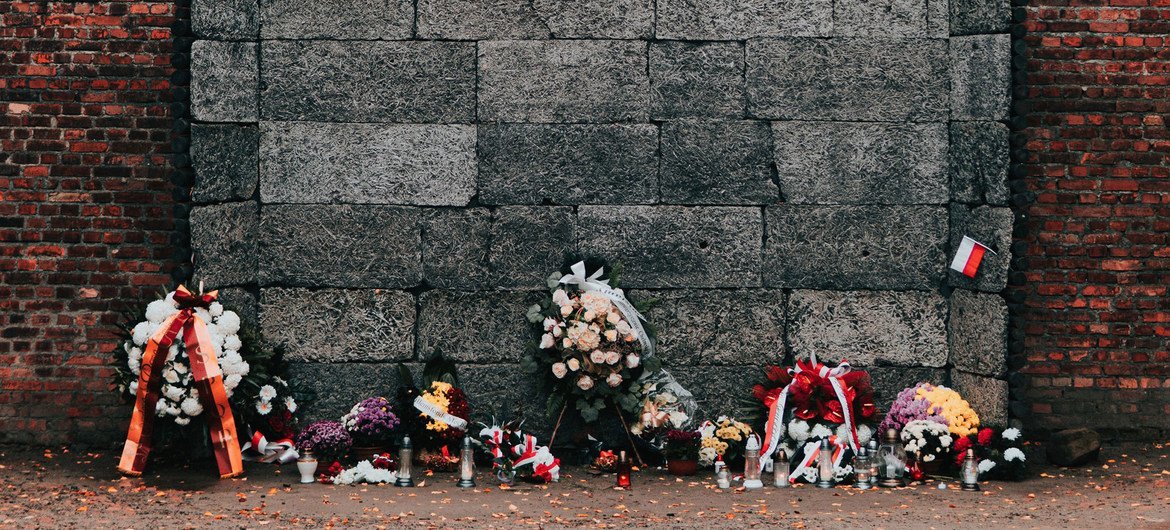
‘We must stand up for our shared humanity - each and every day’: UN human rights chief
On the eve of International Holocaust Remembrance Day, UN High Commissioner for Human Rights Volker Türk delivered a message calling for global reflection and action. He asked people to look at the past, reflect on the present, and work to safeguard the future. The statement emphasized that protecting human rights requires daily effort from everyone. This annual day commemorates the six million Jews murdered during the Holocaust and honors all victims of Nazi persecution.
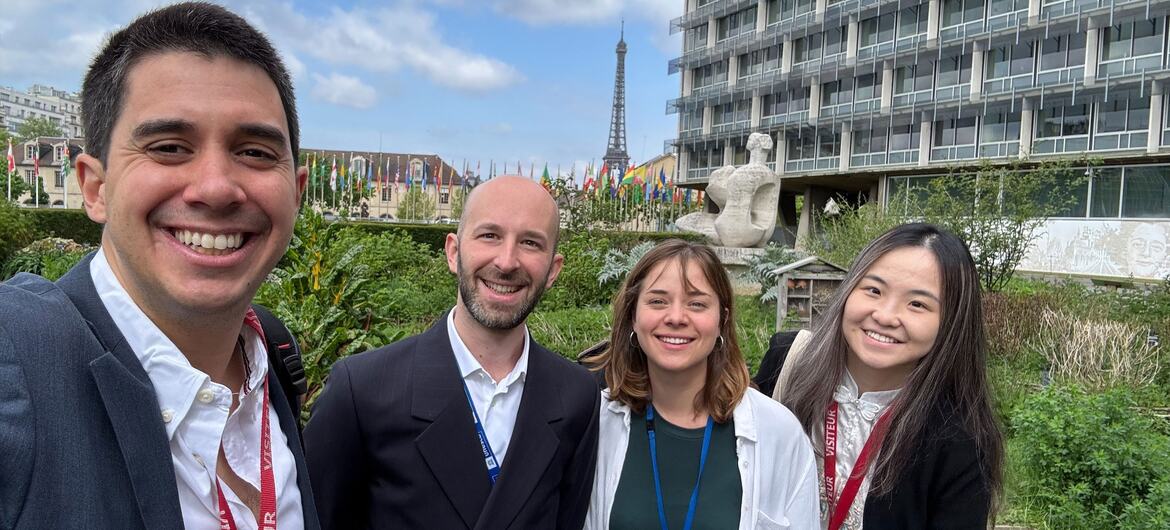
Young people must be ‘truly involved’ in transforming education
With over 272 million children and youth out of school worldwide, young people are demanding to be truly involved in education decision-making. Youth under 30 make up more than half of the global population, yet their voices are often missing from education policy conversations. The UN is calling for young people to have real seats at the table when education systems are designed and reformed. This push for youth participation comes as education gaps continue to widen across regions.
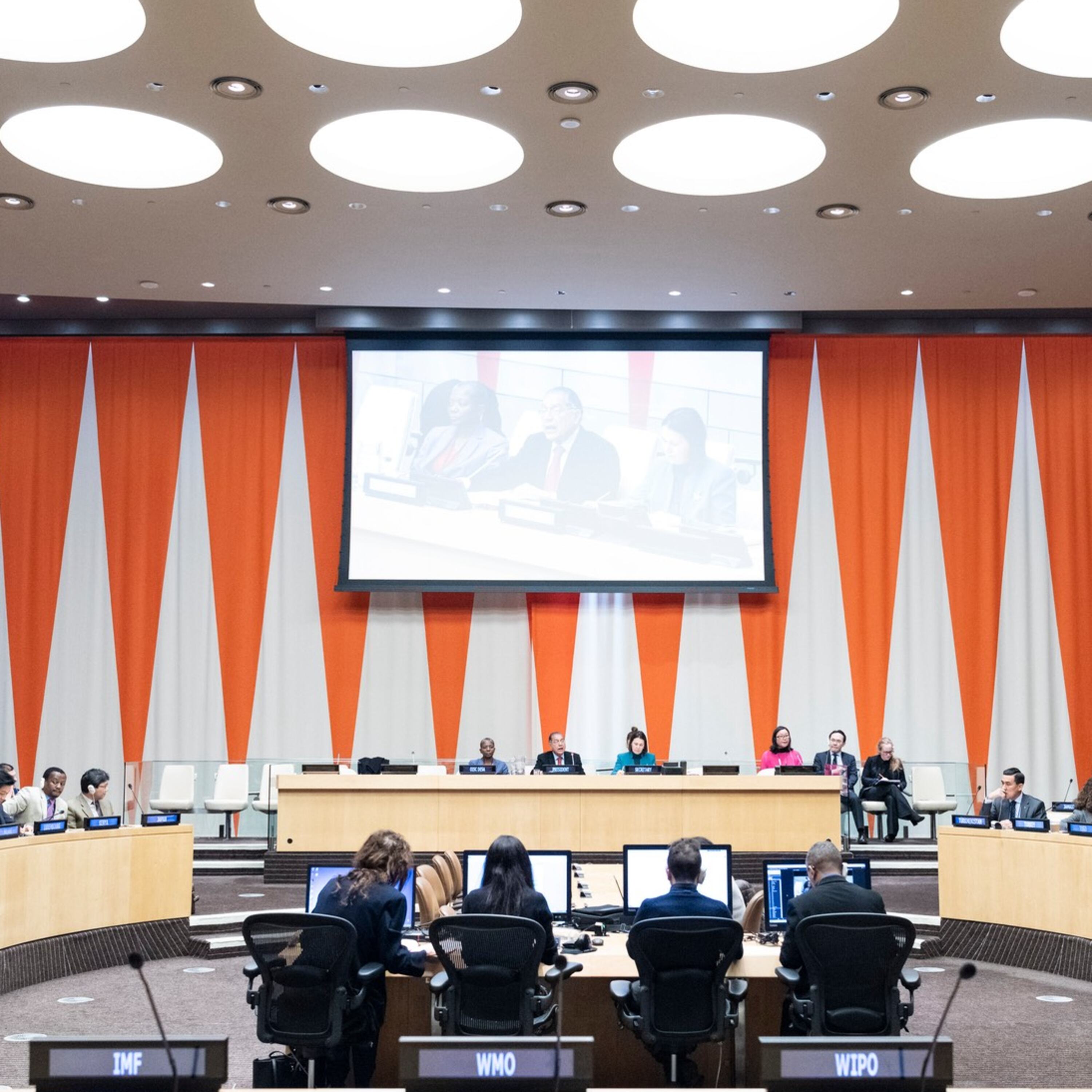
Eighty years at the heart of global development
The United Nations is celebrating its 80th anniversary, marking eight decades since its founding in 1946. The celebration recognizes decades of work addressing global challenges from humanitarian crises and youth unemployment to climate resilience. The milestone underscores the body's long-standing role in development financing and multilateral cooperation. This retrospective highlights the UN's continued relevance in tackling today's complex global issues.

10 Surprising Hamster Facts
Treehugger has published a list of 10 surprising hamster facts. One standout detail is that some hamsters can actually swim by inflating their cheek pouches with air. These pouch-filled swimmers use the technique to stay afloat in water. The article celebrates the surprising abilities of these small, adorable mammals.

Will AI kickstart a new age of nuclear power?
Artificial intelligence is spreading fast worldwide, and all those computers need huge amounts of electricity. Power grids are feeling the strain. Many energy experts now say nuclear power could be the answer. Unlike coal or gas plants, nuclear reactors produce almost no carbon pollution. That makes them appealing for countries that want clean energy but also need lots of power for AI systems. The discussion around nuclear revival is gaining momentum as climate concerns grow.