Latest News
Positive stories from around the world · Good news by country
Showing 37249–37272 of 37342 articles

How to Save Money on Groceries: 9 Sustainable Tips
Simple swaps and habits can help shoppers spend less on groceries while preventing food waste. Planning meals in advance cuts impulse buys, while choosing imperfect produce costs less and keeps it from the landfill. The guide shows how small changes add up to big savings for families and the environment.
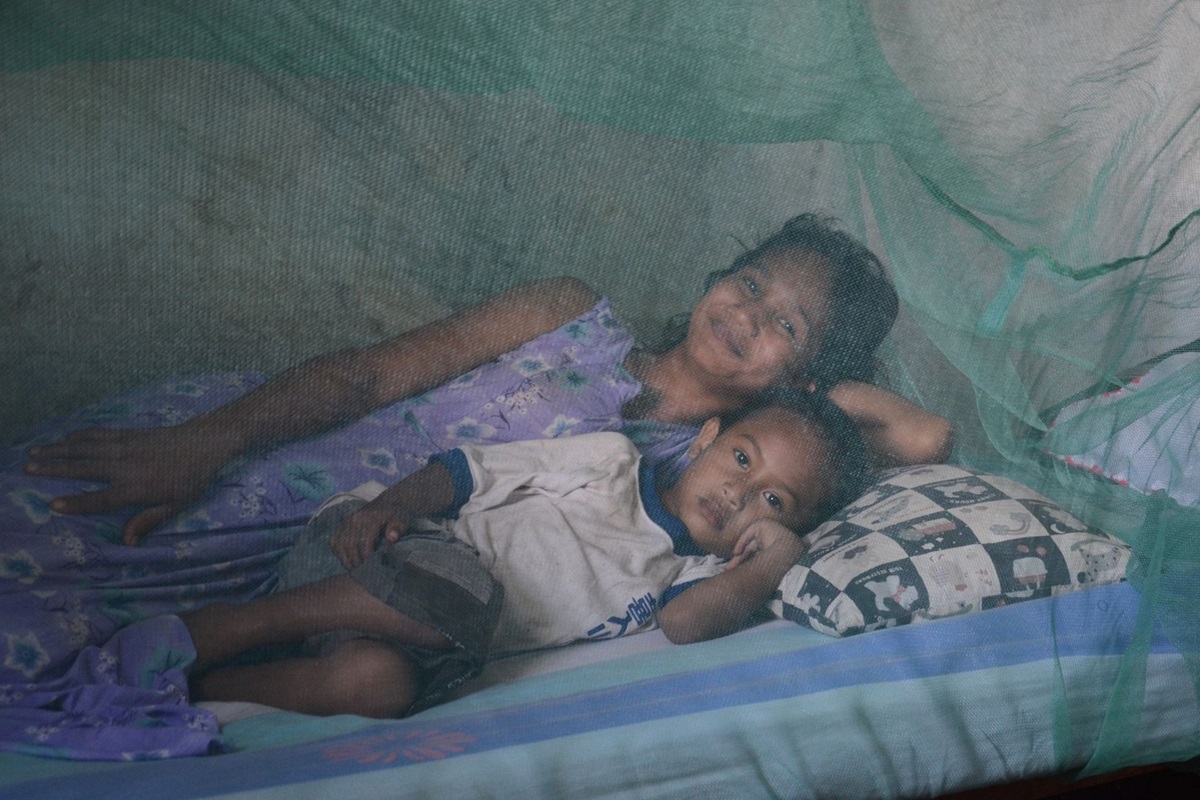
Timor-Leste certified malaria-free by WHO
Timor-Leste is now officially malaria-free, certified by the World Health Organization. The country went from over 223,000 diagnosed cases in 2006 to zero indigenous cases from 2021 onwards. After gaining independence in 2002, the government quickly established a National Malaria Programme and invested heavily in healthcare access. With support from the Global Fund and WHO, the nation distributed free insecticide-treated nets, expanded rapid diagnostic testing, and ensured free healthcare for all citizens.
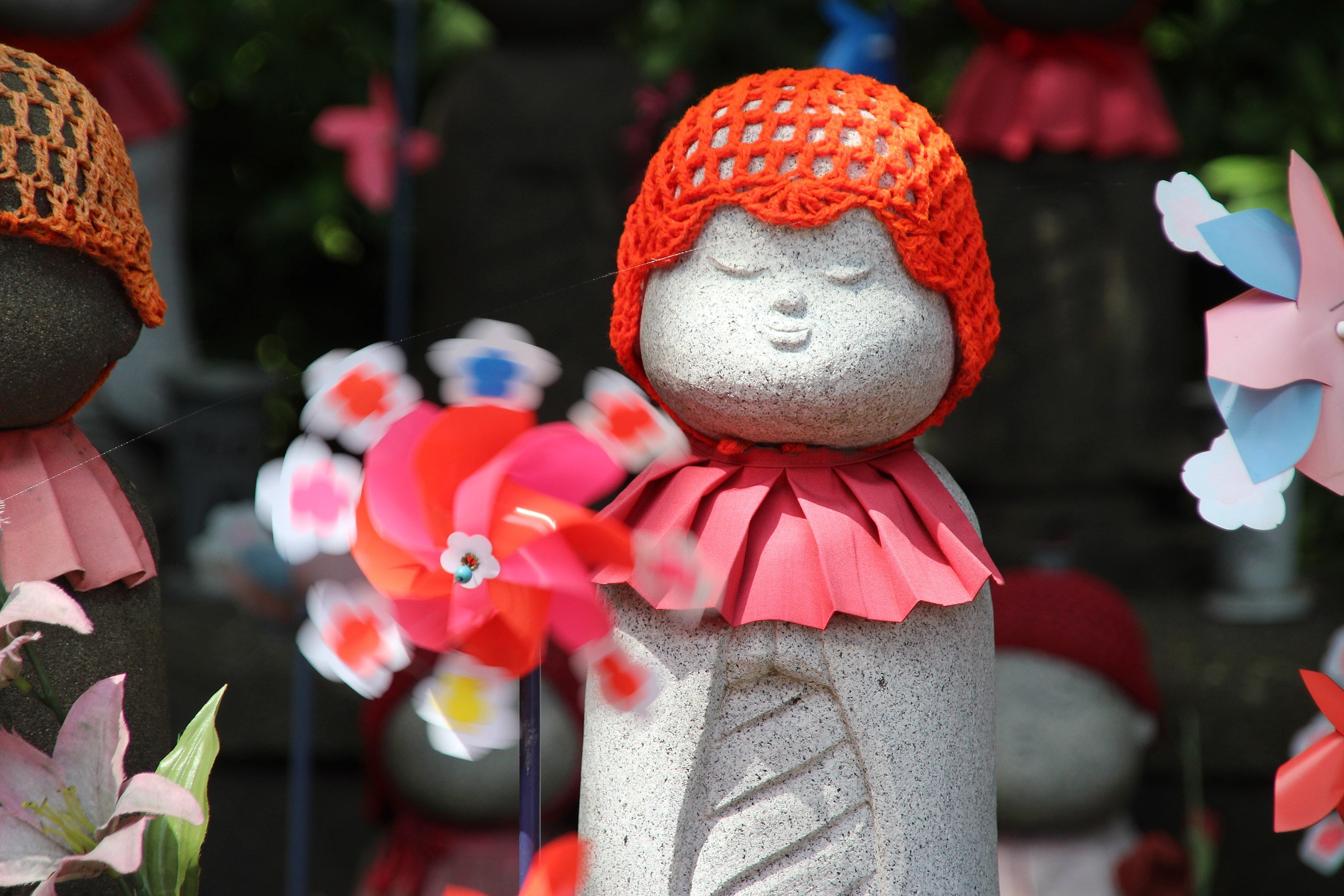
Lessons From the Māori and Japanese Peoples on Grieving Pregnancy Loss
A defunct abortion clinic in Chattanooga, Tennessee, was replaced by the National Memorial for the Unborn in 1994. The memorial features a 50-foot granite wall with plaques for unborn children, but critics say it stigmatizes abortions and those who have them. The article examines how Indigenous Māori and Japanese cultural practices offer healthier, less stigmatizing approaches to grieving pregnancy loss. These traditions provide communities with more supportive ways to process grief and find healing.
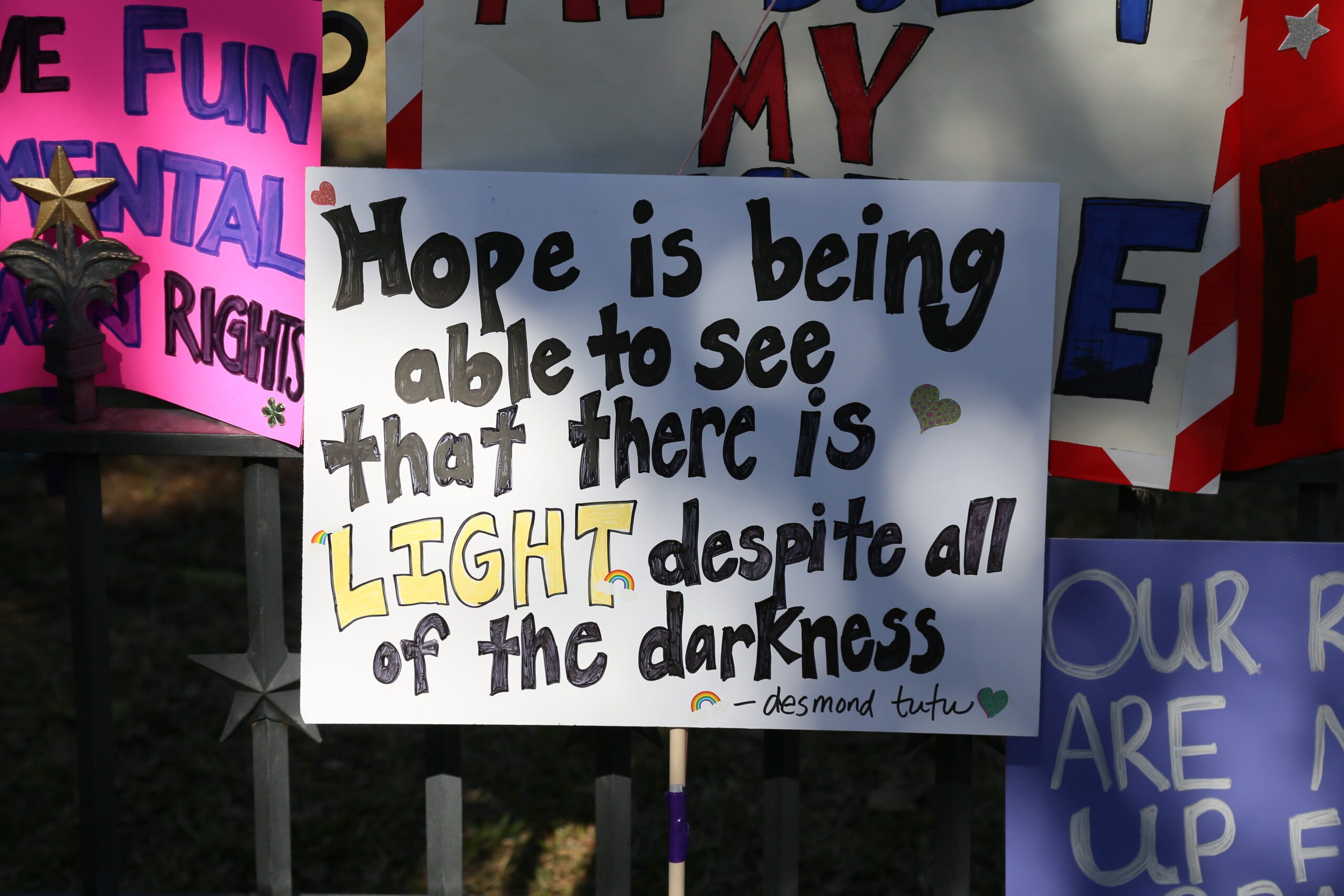
Messages of Fierce Hope From the Global South
This article features letters from grassroots organizers across the Global South to people in the United States. The writers say they understand fear because they have lived with it. Their message is not simple optimism, but a fierce, active kind of hope. They say this hope is powerful enough to face suffering and fight against unfair systems. The writers call for solidarity across borders in times of trouble.
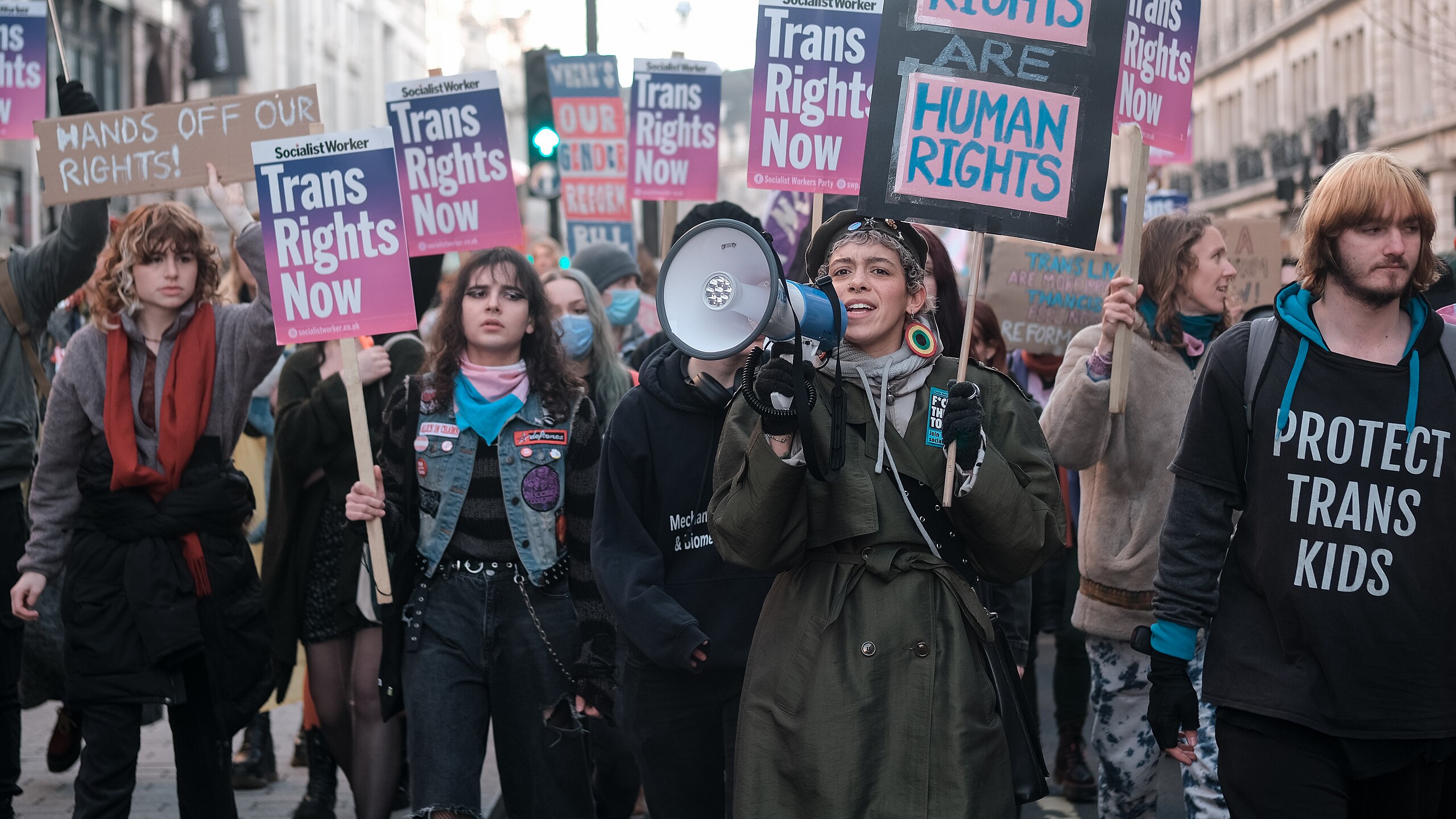
Boycotts Are Back: Queer Travelers Fight Bigotry With Their Wallets
LGBTQ+ travelers are using economic boycotts as a tool to fight discrimination and push back against policies that harm queer and trans people. This approach draws on a long history of LGBTQ+ collective action, from fights for legal rights to resistance against police violence. Queer communities are channeling their anger into strategic action, using their wallets to support businesses that respect them and boycott those that don't. The strategy turns economic power into a force for change and community empowerment.

Recovering Lost Stories From Trans History
The narrative that we are in the first generation of trans children is false, say historians. They are working to recover trans histories that have been erased or overlooked. A 1939 story from Great Yarmouth, England, about two brothers shows that trans people have existed for decades. Their stories were buried, not born — and historians are now uncovering them.

St. Louis Says “Not Another Nickel” to Human Rights Violators
A diverse coalition in St. Louis, Missouri launched a campaign called "Not Another Nickel" in March 2025. The group wants the city to end tax exemptions for weapons manufacturers. They argue these companies cost the city money that could fund schools and roads. The coalition also claims the companies contribute to pollution and foreign conflicts. The campaign targets firms accused of making weapons used in ongoing conflicts.

The Freedom to Choose Hysterectomy
An essay makes the case for people to freely access hysterectomy — the surgical removal of the uterus — without barriers. It reframes hysterectomy as an act of bodily autonomy and self-determination, rather than only a medical failure or tragedy. The author argues that one in five people born with a uterus will have it removed by age 50, yet cultural narratives rarely frame voluntary hysterectomy as a positive choice.

African Union and World Health Organization renew strategic partnership to drive impact and strengthen health systems in Africa
WHO and the African Union Commission signed a new Memorandum of Understanding at the 78th World Health Assembly in Geneva. The agreement renews their partnership to strengthen health systems across Africa, covering five key areas: health systems strengthening, reproductive and maternal health, disease prevention and control, nutrition and food security, and emergency preparedness. The deal aims to help African nations move toward health sovereignty and reduce dependence on foreign aid.

Beyond the Rainbow
This piece is a personal memoir excerpt describing the author's childhood trips from Ann Arbor, Michigan to Ohio to visit family. The author recounts being drawn to her aunt and uncle's extensive collection of Black art — busts, sculptures, and paintings adorning their Cincinnati home. While the essay warmly celebrates Black cultural heritage and art appreciation, it is a reflective personal narrative rather than a news article reporting current events or developments.

Colombian Activists Destigmatize Drug Use—and Make It Safer
In Bogotá, Colombia, activists are opening drug-checking sites where people can test substances like LSD before using them. A mural in one site reads "End the War on Drugs." The service helps prevent overdoses and removes the shame around drug use. A school teacher named Esteban Pinzon recently used the site to test LSD he had saved for a vacation. These harm reduction services represent a growing shift from criminalizing drug use to treating it as a public health issue.

WHO’s strategic engagement with philanthropies: advancing global health and resilient health systems
WHO Director-General Dr. Tedros addressed the Asia Philanthropy Summit in Singapore on May 5–7, 2025. He thanked Singapore and the Temasek Foundation for being among the first to pledge support to WHO's Investment Round. The Investment Round aims to expand WHO's donor base and strengthen partnerships with philanthropies worldwide. Dr. Tedros said these collaborations help countries build stronger health systems and make progress toward universal health coverage — health as a right for everyone.

Indigenous Stewards Reclaim Prison Land
A group of Indigenous women in eastern Kentucky just won a major battle against the federal government. The Appalachian Rekindling Project bought part of a 500-acre site in Roxana that the Bureau of Prisons had approved for a $500 million medium-security prison. The purchase, announced in January, forced the federal agency to go back to the drawing board on its prison plans. The community group says it bought the land to protect it from development and restore it for community use.

Murmurations: Puerto Rico’s Resilient History Mirrors the Mangrove
An essay explores Puerto Rico's mangrove forests as living symbols of cultural and environmental resilience. A popular saying among community organizers — "They wanted to bury us, but they didn't know we were seeds" — anchors the piece. The Science Museum of Puerto Rico describes mangroves as forests growing between water and land, adapted to floods from tides, low air circulation, sandy soil, and high salt levels. The article treats these coastal trees as mirrors for Puerto Rican history, thriving where conditions seem impossible.

Renters With Pets Organize After Climate Disasters
Renters with pets who lost homes in the January 2025 Los Angeles wildfires are forming grassroots organizations to address their housing needs. Katie Clark lost her 15-year home in the Eaton fire, one of two blazes that burned 37,000 acres and destroyed nearly 17,000 structures. These displaced renters are finding the housing market 'unbelievably hostile,' especially for pet owners, and are responding by organizing collectively.

My Ancestors Knew That a Revolution Must Be Fed
This opinion essay examines how Asian American food has been framed as strange, revolting, or impure through colonial and imperial storytelling. The author argues this narrative renders Asian food—and by extension, Asian people—as "Other." The piece calls for reclaiming ancestral food traditions as an act of resistance and cultural reclamation. However, this is an analytical essay rather than reporting on a specific positive development or event.
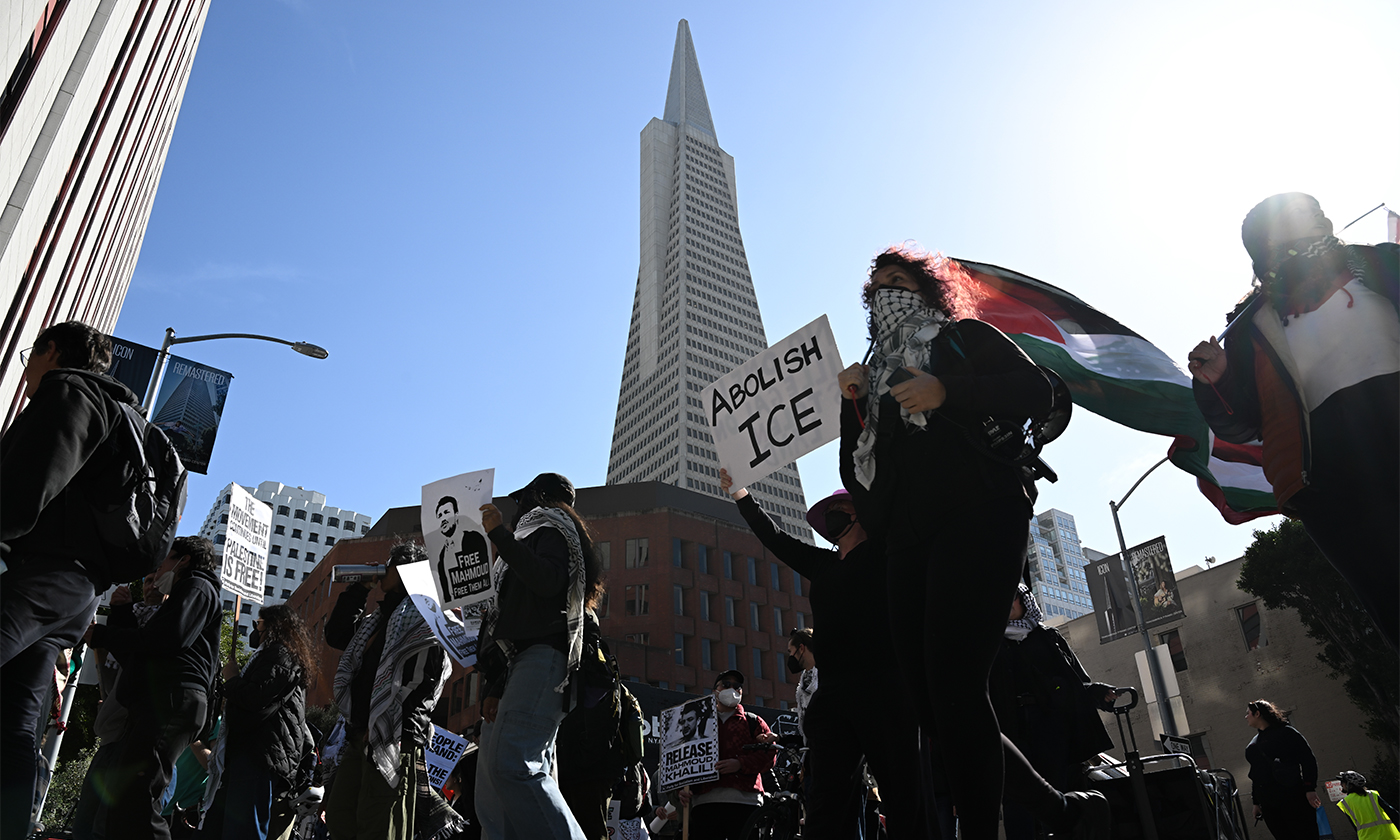
When ICE Comes, the Bay Area Protects Their Own
Ulises Peña Lopez, a father of a 4-year-old, was allegedly arrested by ICE agents outside his Sunnyvale, California home on February 21, 2025. According to reports, agents used force that resulted in his hospitalization. During the arrest, Peña Lopez invoked his Fourth Amendment rights to remain silent, request a lawyer, and review any warrant—rights that reportedly were not respected.
Apocalypse Chow: Street Food Vendors Are Connoisseurs, Not Criminals
This opinion piece defends street food vendors as cultural treasures, not criminals. The author shares memories of beloved street meals from Tijuana, Guatemala, New Delhi, Istanbul, and Paris. The article notes street food has existed since ancient Mesopotamia, with city dwellers relying on vendors for affordable, accessible food for 4,000 years. It makes a case for recognizing vendors as skilled connoisseurs rather than criminals.

Artists Deserve Cash With No Strings Attached
US cities and philanthropic groups are running basic income experiments that give artists and families regular cash payments with no strings attached. These "hopeful" programs offer unconditional income to help people cover basic needs without work requirements. The article highlights how unconditional cash transfers could support creative workers and reduce financial stress. It references government programs like stimulus checks and the expanded child tax credit as successful precedents for this approach.
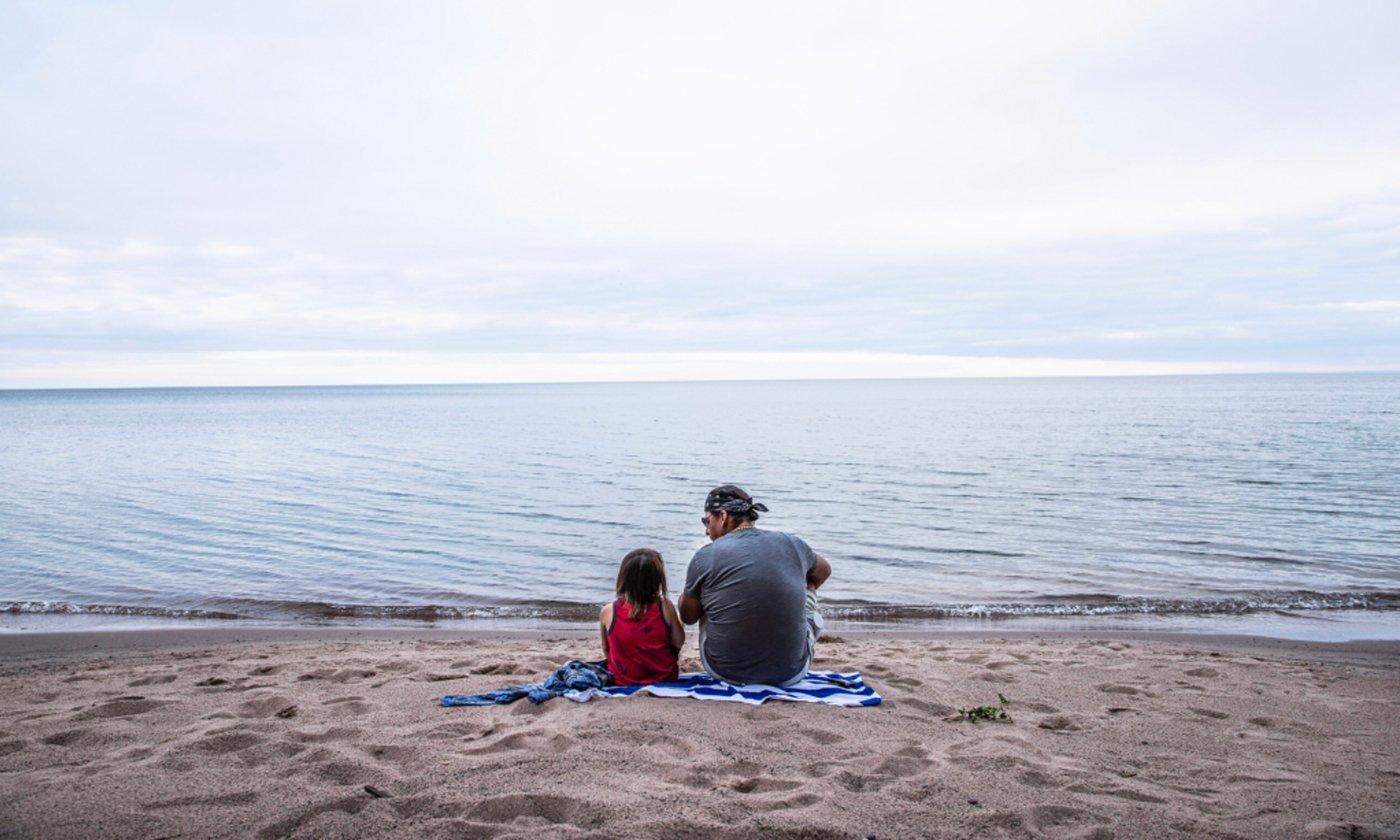
A Victory at Bad River
The Mashkiigong-ziibiing people have secured a major victory protecting their ancestral river in northern Wisconsin. For over 500 years, the Chippewa, Ojibwe, and Anishinabe have lived along the Bad River, which flows north to Lake Superior. The area is rich with wild rice (manoomin in Ojibwe), as well as walleye, wolves, and medicinal plants. This win guards both the cultural heritage and natural ecosystem that have sustained Indigenous communities for centuries.

The Screenings Saving Lives in Rural Guatemala
In Guatemala's remote Chimaltenango highlands, a mobile cervical cancer screening clinic is reaching women in villages where healthcare rarely arrives. One woman, Juliaticia, walked from her hilltop home to get screened in Candelaria. Cervical cancer is the leading cause of cancer death for women in Guatemala, but early detection through screening can catch the disease before it spreads. The program brings essential healthcare directly to underserved rural communities.
Learning from Pochettino & aiding Okocha - how PSG loan shaped Arteta
At 18 years old, Mikel Arteta left Barcelona for Paris St-Germain on an 18-month loan in January 2001. Despite barely speaking French, he quickly settled thanks to Spanish-speaking teammates. Manager Luis Fernandez gave him the role of orchestrating play from a deep-lying midfield position, providing a platform for creative talents like Jay-Jay Okocha. Teammate Mauricio Pochettino, 10 years his senior, took Arteta under his wing and described him as having 'the football brain' even back then.

Murmurations: An Ode to Collective Organizing
In the Kurdish region of Rojava, northern Syria, communities have built a self-governing system called DAANES. This administration emerged after the Syrian state collapsed. It centers three ideas: women's liberation, rights for ethnic minorities, and restoring ecological balance. An opinion piece celebrates this model of collective organizing as a pathway to freedom.

LGBTQ Elders Share Wisdom for Survival
LGBTQ+ elders are passing down hard-won wisdom from past struggles. Karla Jay was on the streets during Stonewall in 1969 when LGBTQ+ people refused to return to normal—a normal that meant police raids and hiding their identities. Those protests sparked a movement demanding radical change. Now, these veterans share strategies for survival and organizing with younger generations facing new threats. Their message: organize together, refuse invisibility, and remember that collective action creates lasting transformation.