Latest News
Positive stories from around the world · Good news by country
Showing 121–144 of 37342 articles

DCC and EIB announce €119 million housing partnership | Irish Building Magazine.ie | Ireland's Leading Construction News & Information Portal
Dublin City Council and the European Investment Bank (EIB), a public lender owned by EU countries, agreed a €119 million loan. The money will help deliver 578 new homes in Dublin. Housing is a big need in the city, so this deal adds real support for families.
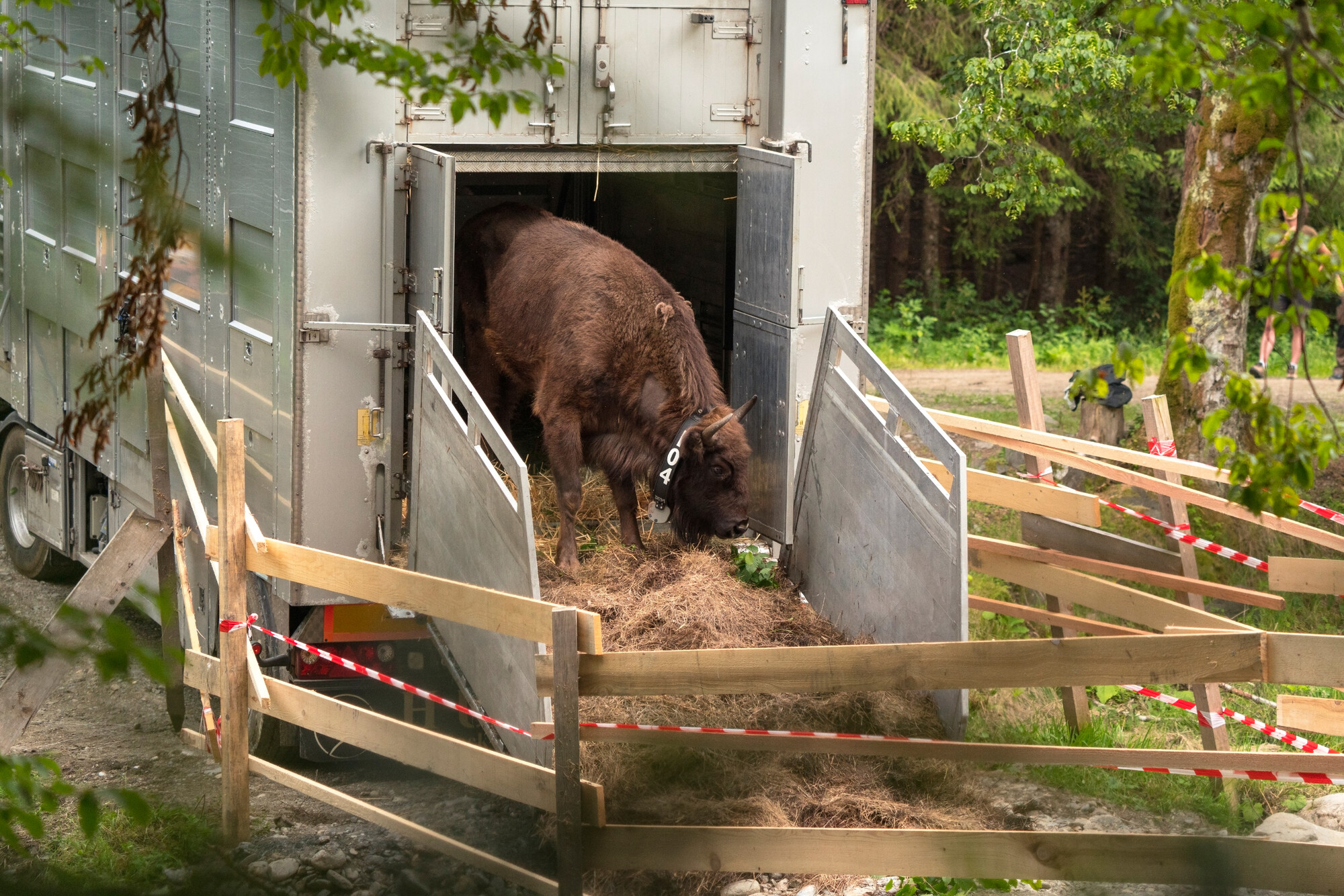
Protected: Return of bison to the Southern Carpathians offers lessons for future wildlife reintroductions
European bison have been brought back to the Southern Carpathian mountains in Romania. The article shares what the project teaches about returning wild animals to their homes. Lessons from this work can guide future wildlife reintroductions across Europe.
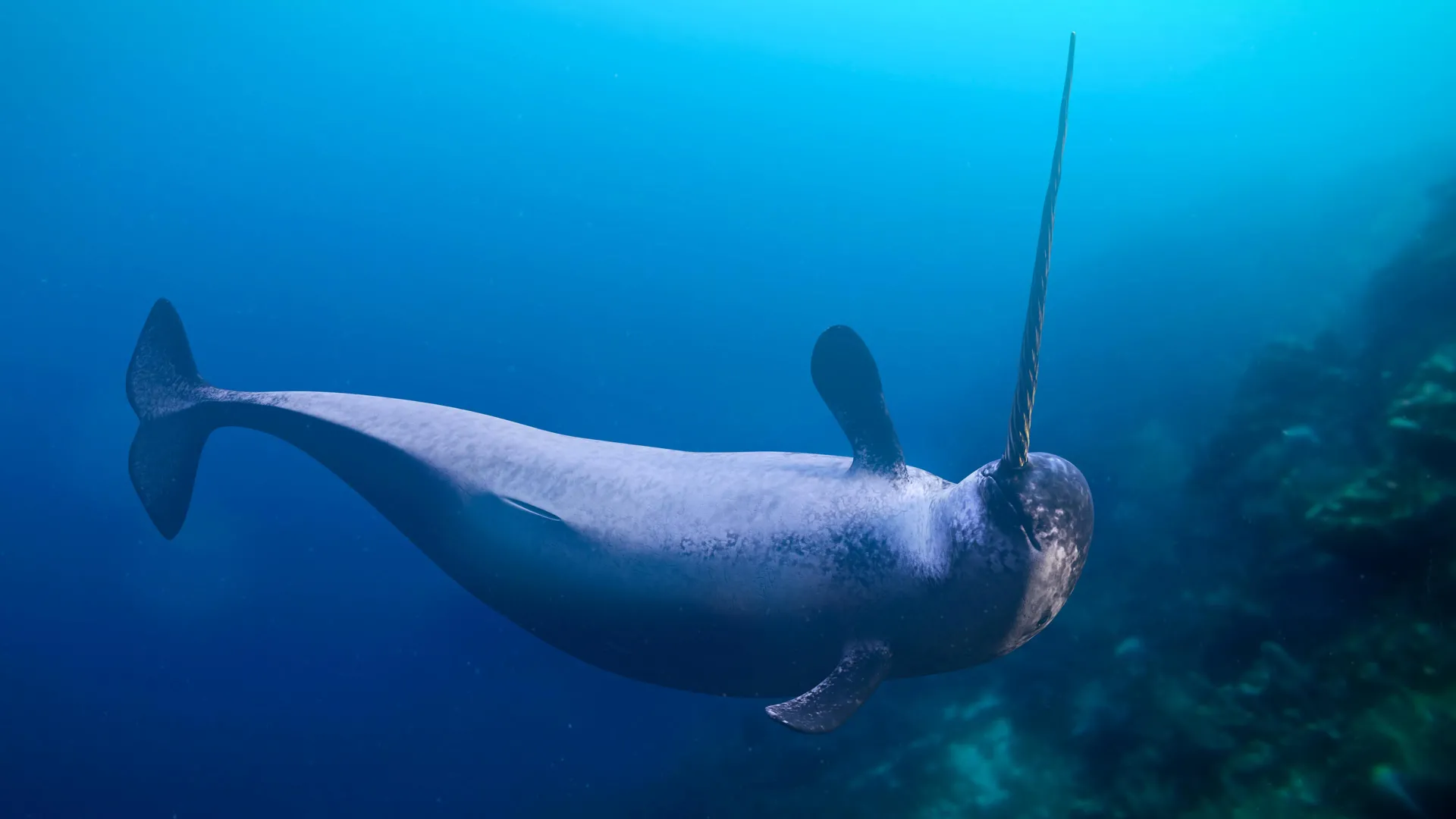
The narwhal’s legendary “unicorn horn” holds a remarkable engineering secret
Scientists used advanced X-ray technology to look inside the narwhal's famous spiral tusk. The tusk was once sold in Europe as a unicorn horn. The team found two tiny spirals inside it that twist in opposite directions. This twisting design helps the tusk stay strong and flexible.
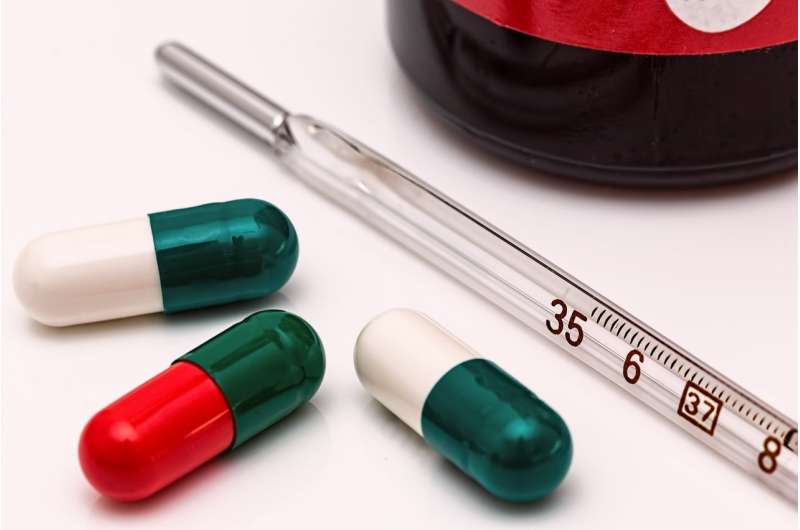
Engineering antibiotics could expand the pool of new drug candidates
Many dangerous bacteria now resist existing antibiotics, so new medicines are urgently needed. MIT researchers found a way to greatly improve the safety of drugs that kill bacteria but were previously dropped. This could widen the pool of possible new antibiotics. The work is an early step toward more treatment options.

New atlas unites nearly 3,500 laser surveys to map forests across 56 countries
Researchers led by the University of Bristol in the U.K. released the Global Canopy Atlas. It is the largest collection of high-resolution 3D maps of forests, woodlands and savannas ever built. The atlas combines nearly 3,500 laser surveys from airplanes, helicopters and drones. Scientists can use it to track forest carbon and guide conservation and restoration.
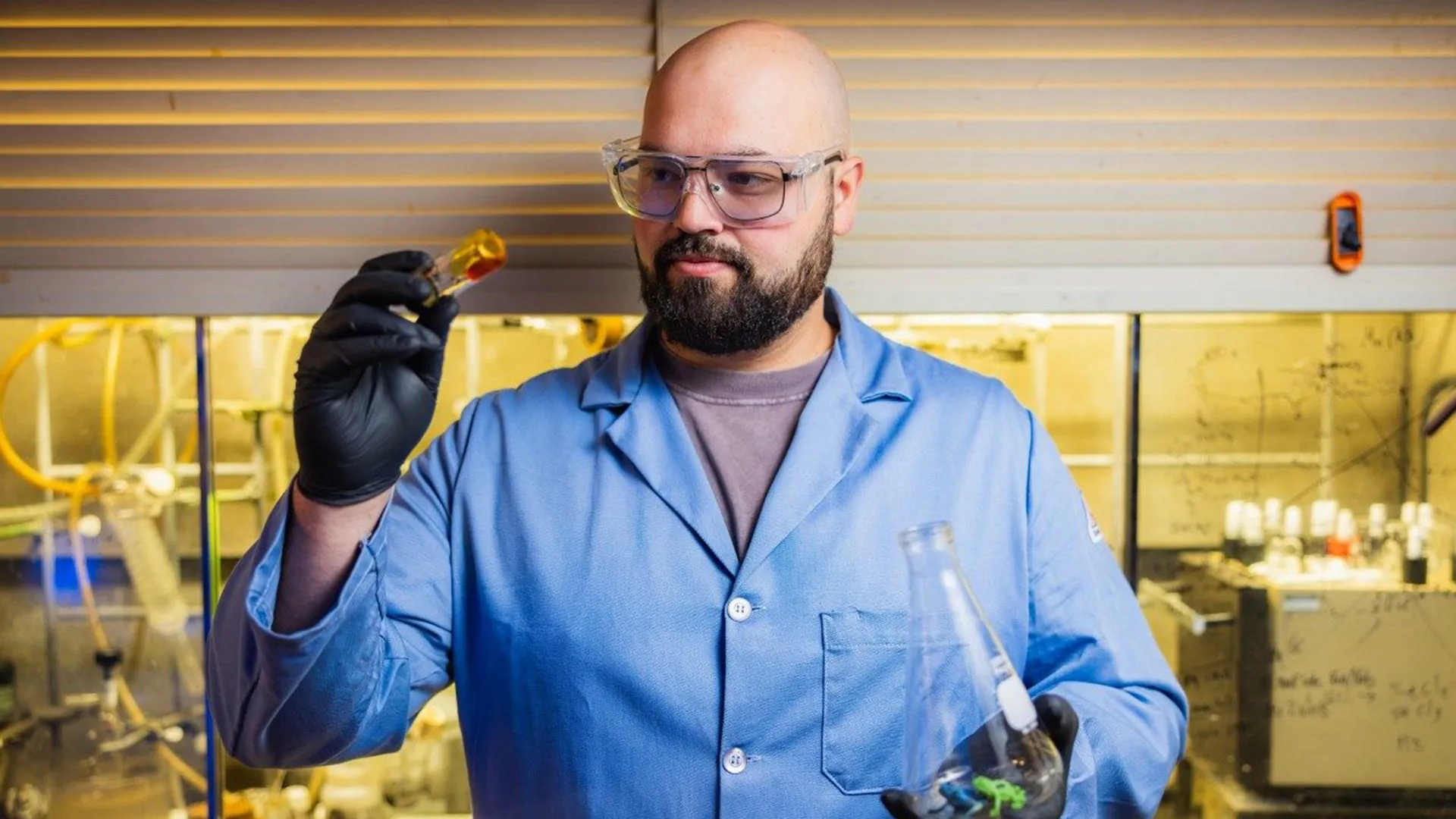
Scientists turn one of the world’s hardest-to-recycle plastics into high-performance lubricating oil
Virginia Tech scientists found a way to turn PVC, one of the hardest plastics to recycle, into a useful lubricant. PVC is a common plastic used in pipes and packaging. The new process takes just three hours. It could turn a big source of plastic pollution into a valuable industrial resource.

Making Peace With a Himalayan ‘Ghost’
Herders in Ladakh, in the Himalayas, long saw snow leopards as enemies because the cats killed livestock. The Snow Leopard Conservancy – India Trust now works with 45 villages to make coexistence possible. Families build predator-proof corrals and earn income from homestays and handmade felt toys. Villagers are starting to value the rare cats that keep the mountain ecosystem healthy.

Meet the few Liberian women rangers in a race to protect wildlife and forests
Grace Kotee-Zansi grew up hearing about hunting and farming in the forest. Now she is a biologist ranger in Liberia, patrolling the East Nimba Nature Reserve. Her job is to stop hunters from killing protected animals and to stop trees from being cut down. The reserve covers 13,500 hectares (33,400 acres) and is proposed as an extension to a UNESCO World Heritage Site.
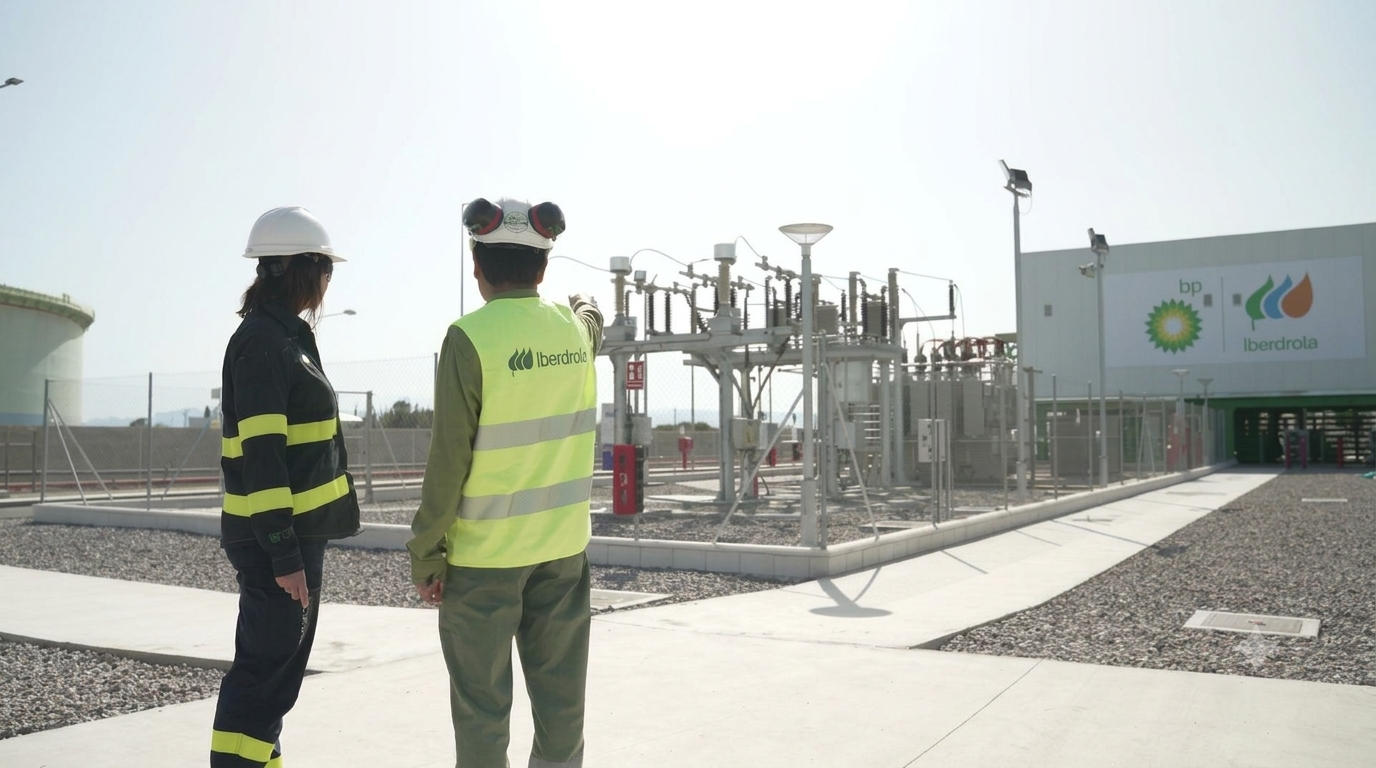
bp And Iberdrola Start Operations At Spain’s Largest 25 MW Green Hydrogen Plant - SolarQuarter
bp and Iberdrola have started operating Spain's largest green hydrogen plant, which has a capacity of 25 megawatts. Green hydrogen is a clean fuel made using electricity from renewable sources like wind and solar. The plant is expected to produce 2,800 tonnes of hydrogen each year. This should save about 23,000 tonnes of carbon dioxide, a gas that warms the planet.
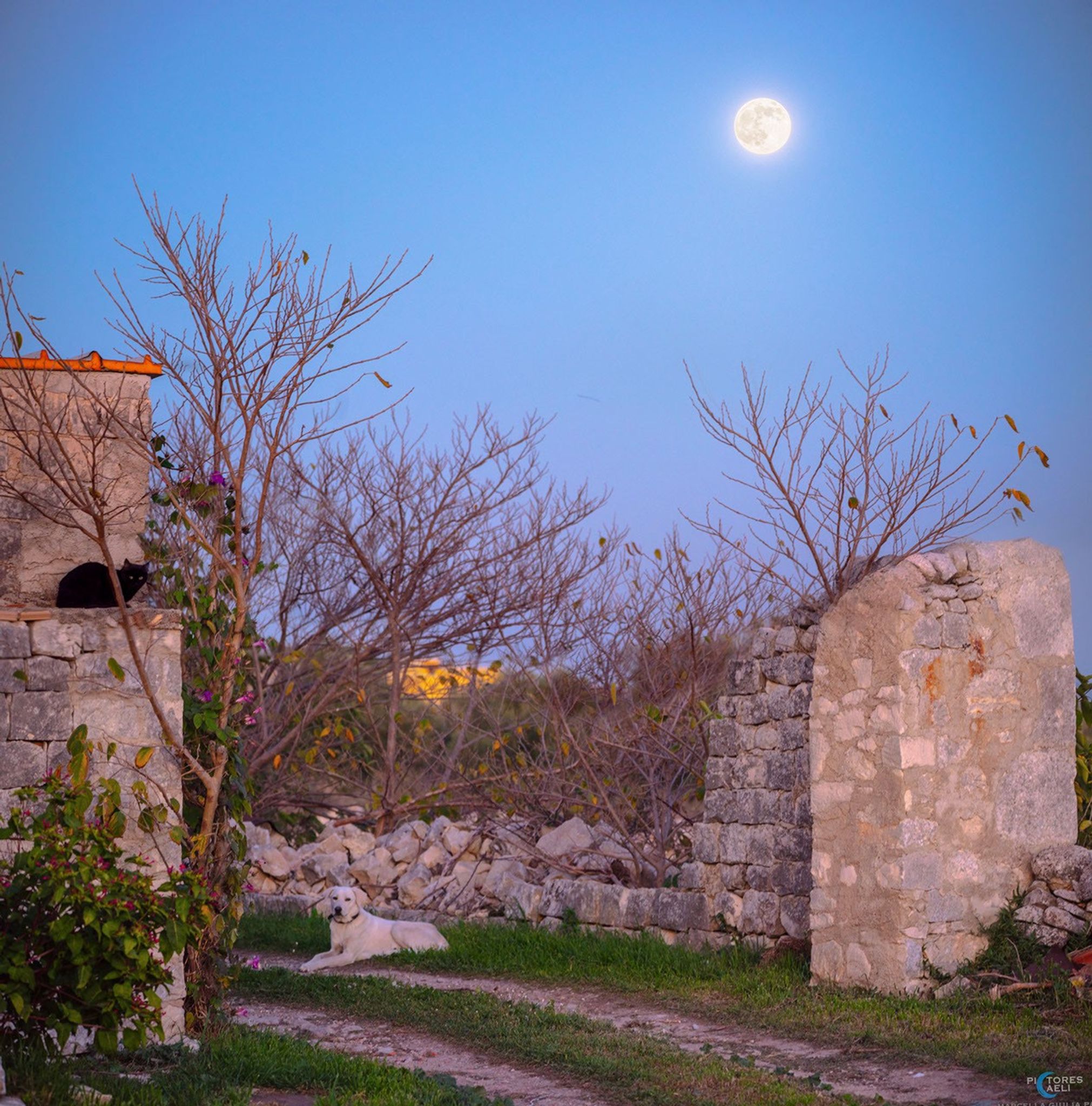
APOD: 2026 November 27 – The Moon Watchers
NASA's Astronomy Picture of the Day features a sky view from November 24, 2026. On that evening, the Moon rose just as the Sun set on opposite sides of the sky. People all over Earth could spot it in the twilight. The picture shows the Moon as an easy-to-see sight for skywatchers.

Free Education Is Key to Ending Child Marriage
Every year, 12 million girls are married before age 18. Free schooling can help stop this, because girls who stay in school are less likely to marry young. Sierra Leone guarantees 13 years of free education, from pre-primary through secondary, and banned child marriage in 2024. The country is now leading a UN treaty effort to make free education a binding international commitment.
A fat-burning molecule has an unexpected benefit for your muscles
Scientists discovered that a natural molecule released during exercise helps muscles become stronger, resist tiring, and withstand damage. The molecule is already sold as a dietary supplement. It could lead to new treatments for muscle loss linked to type 2 diabetes.
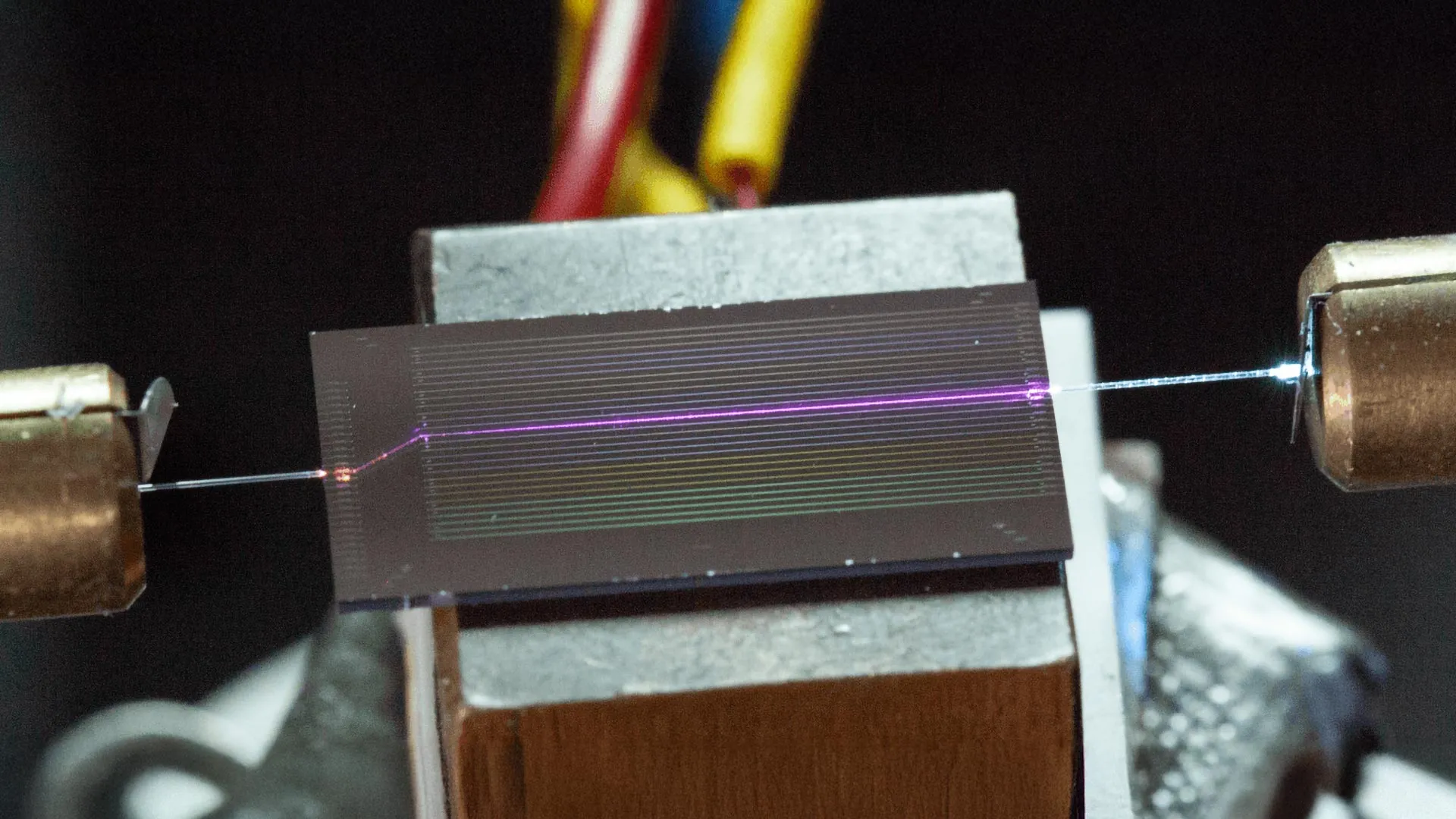
Harvard’s tiny UV light chip could help shrink quantum computers
Harvard-led researchers built a microscopic device that makes ultraviolet (UV) light. UV light is invisible light with very short waves. The chip makes 120 times more UV light than earlier similar tools by turning red light into UV. This could help make smaller quantum computers, very precise atomic clocks, and compact environmental sensors.
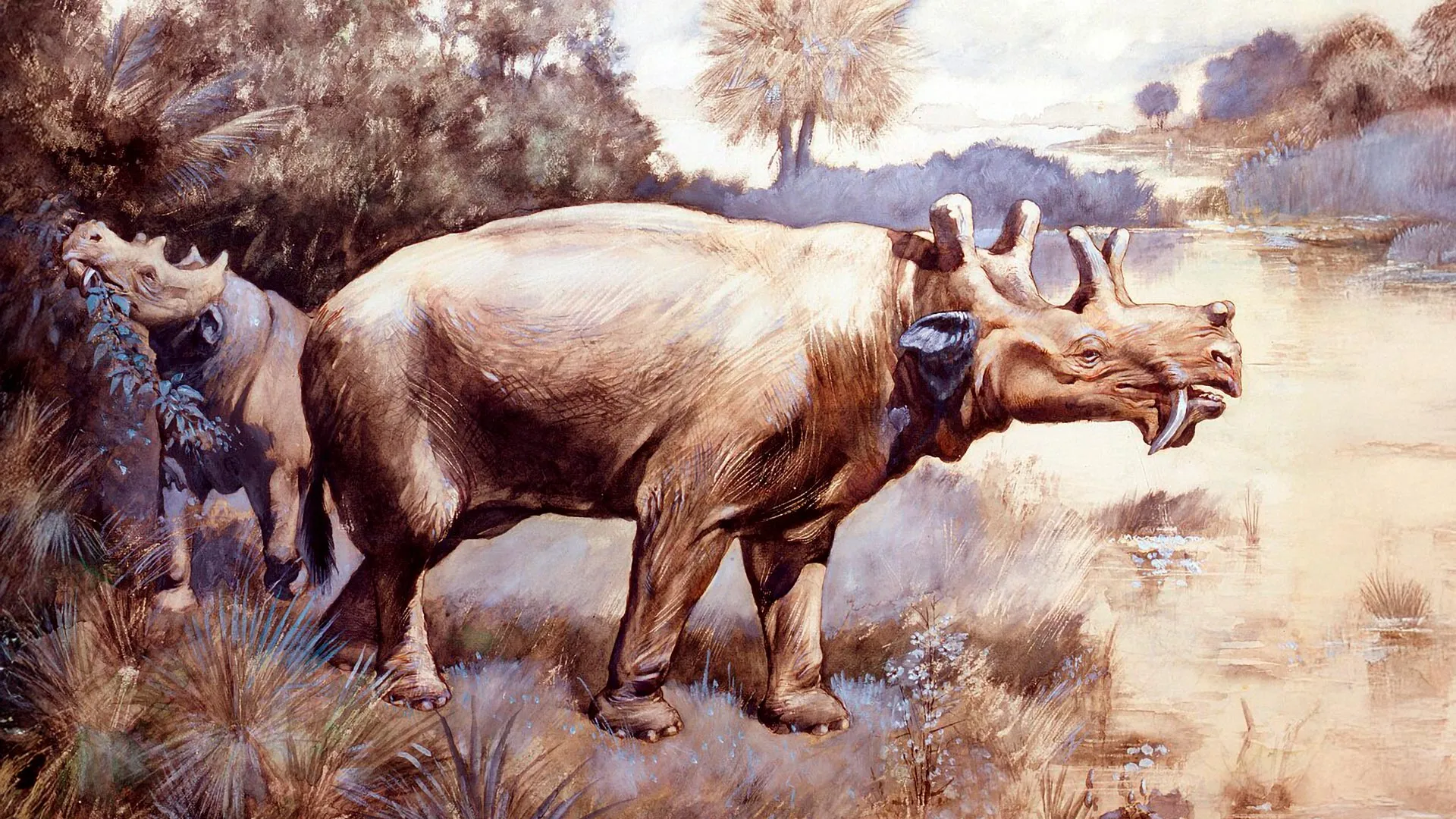
These bizarre prehistoric mammals may have been misunderstood for 150 years
Giant horned mammals appeared soon after the dinosaurs died out. For about 150 years, scientists believed males and females looked very different. A new study suggests the two sexes had far fewer physical differences than once thought. The finding also shows how old biases can shape what we learn about extinct animals.

Digital access to early music
Renaissance lute music from about 500 years ago was written in a special code called German lute tablature. Few people could read it, and many works were nearly forgotten. A team of researchers built a free digital platform, run through the Austrian National Library, that turns these scores into modern notation and audio. Funding for further research has also been approved.
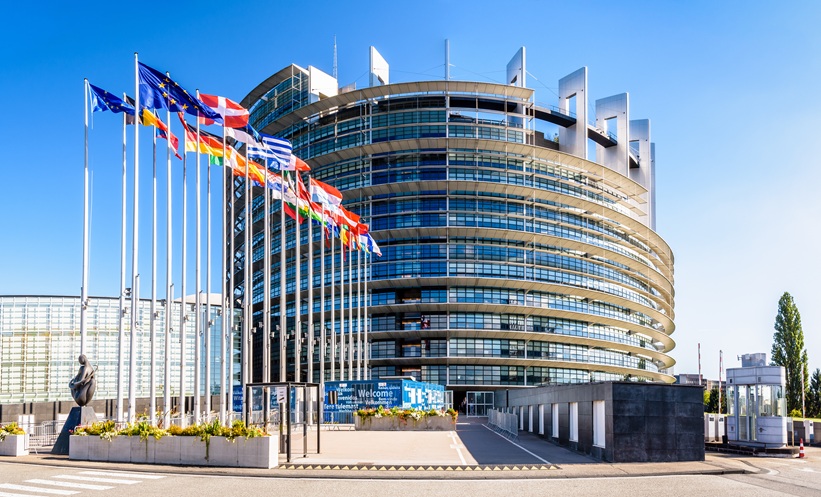
Overhaul of EU Medicine Rules Approved by European Parliament
The European Parliament has approved new rules for medicines across EU countries. They aim to prevent shortages and help more people get the medicines they need. After two years of talks, the update replaces laws that are more than 20 years old. The rules also aim to bring new treatments for rare diseases and fight antibiotic resistance, when germs stop responding to drugs.
Brain area’s mysterious role in speech decoded at last
Wernicke's area is a part of the brain known for helping us understand spoken words. New brain recordings show it also makes a key contribution to a related thinking task. The finding helps explain a puzzle about how speech works in the brain.
Life-saving cancer drug pumped out by a plant
Scientists have engineered a tobacco-related plant to produce paclitaxel, a chemotherapy drug used to treat cancer. Paclitaxel is usually taken from yew trees, which are slow to grow. Making it in plants could give a steadier and cheaper supply. This is a proof-of-concept study, which means it shows the idea can work but is not yet a finished product.
Want your research cited in patents? Publishing open access increases your chances
Researchers found that scientific studies are more likely to be cited in patents when they are freely available. Some of this free access is legal and some is not. The finding suggests that open access helps new inventions build on existing research.
This dietary supplement may have an unexpected benefit for the brain
A natural supplement called urolithin A may help the brain get more oxygen and nutrients when it works hardest. In a randomized clinical trial, researchers gave the supplement or a placebo to 50 middle-aged adults with obesity. After four weeks of daily use, blood flow to the brain rose during a challenging memory task. The boost was strongest in an area used for working memory.

Why molecular cage catalysts show enormous differences in performance
Chemists have developed a new way to find and understand highly effective artificial enzyme-like catalysts. These catalysts are built from tiny hollow structures called molecular cages. The cages act like miniature reaction chambers that trap molecules and speed up chemical reactions. The best cages were more than 10,000 times more active than the weakest ones.
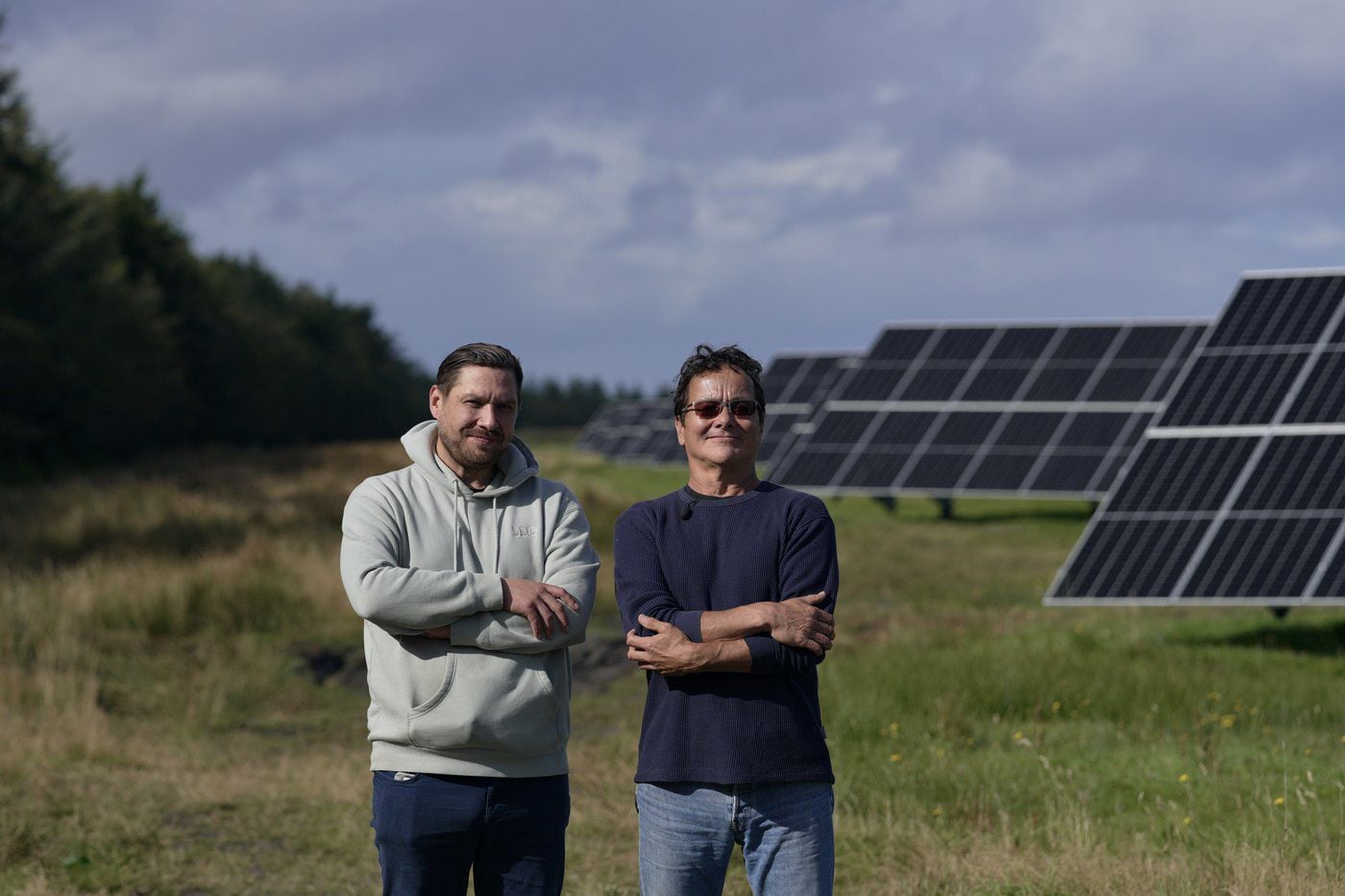
The Haida Nation Is Building Canada’s Largest Off-Grid Solar Farm - THE SKEENA
The Haida Nation is building what is described as Canada's largest off-grid solar farm. An off-grid system makes its own power and does not connect to the main electricity network. Since December 2025, the project has displaced an estimated 168,000 litres of diesel fuel that would otherwise have been burned for electricity. If the Haida could eliminate all their diesel power, it would cut more than half the diesel electricity emissions of BC's remote communities.

Genomic work helps find treatment for rare blood disorder
Two adult sisters in the West Midlands, UK, are the first patients to receive a repurposed drug for a rare blood condition called SRC-related thrombocytopenia. The condition causes very low platelets, which are cells that help blood clot. Doctors used genetic sequencing to find that dasatinib, a blood cancer drug, can calm the faulty protein behind the disease. One sister now needs no blood transfusions and feels less tired.
Bournemouth 'allowed to dream' as fans book Europa League final hotels
Bournemouth won a Europa League match at Celta Vigo despite playing with 10 men for most of the game. Their 2-1 win, scored in the second half, made it a club record 10 wins in a row. The club is only the third side to win its first five European matches, and it now tops the league table. Some fans have already booked hotels for the final in Frankfurt on 26 May.