Latest News
Positive stories from around the world · Good news by country
Showing 169–192 of 37342 articles

A forgotten organ sheds new light on the origins of the ovary
Researchers at the University of Geneva studied a small structure in the ovary called the rete ovarii. It had been mostly overlooked for years. Their work shows that the cells that surround and protect egg cells come from two different origins. This helps explain how ovaries develop and may guide future research on fertility and gynecological cancers.

Learning facts out of interest may take less mental effort than learning them for money
Researchers at Sorbonne University in France tested how people memorize facts. Participants learned facts about kings and celebrities while rating their interest and seeing money offers. Both interest and money improved memory. But learning for fun took less mental effort than learning for a reward.
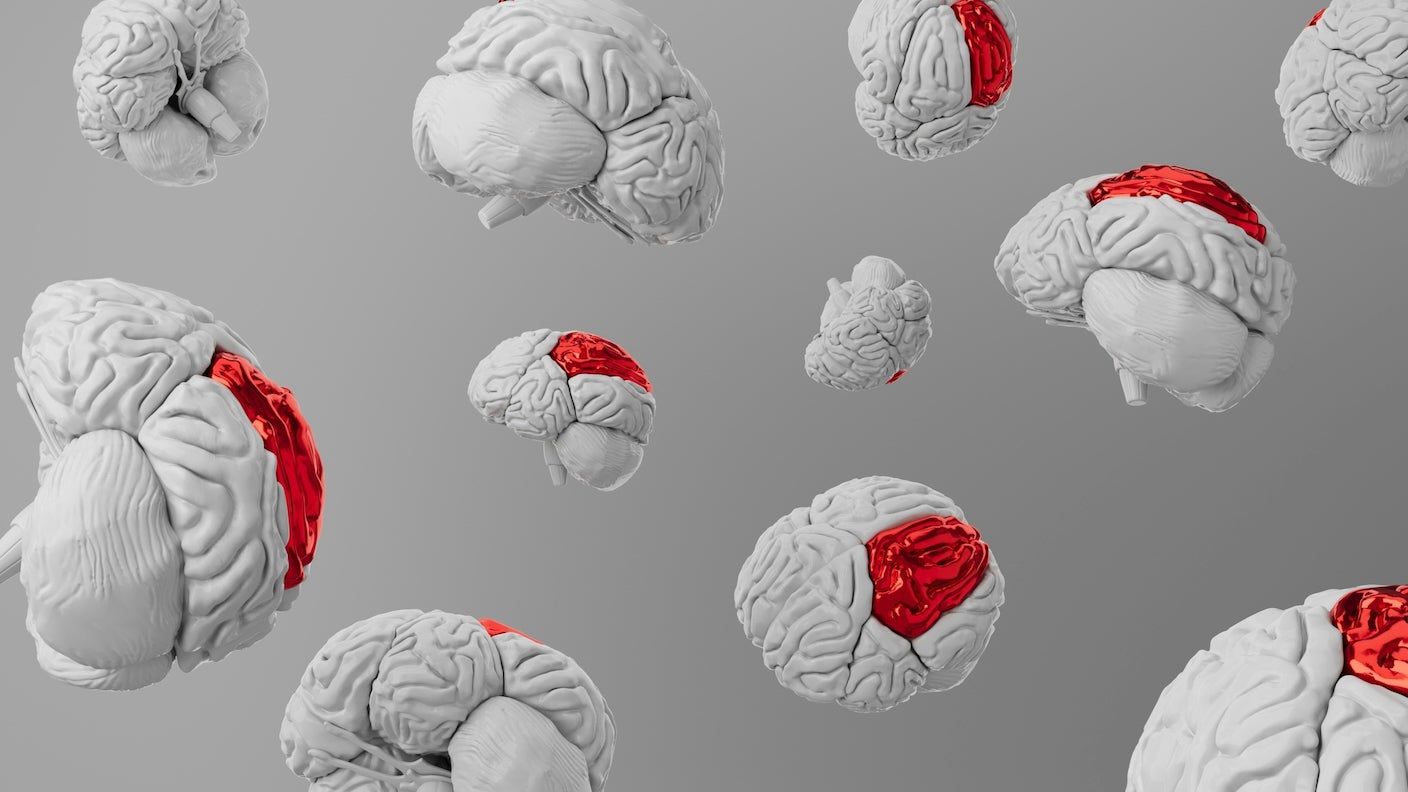
Scientists Gave AI a ‘Stroke’ to Map Its Language Circuits
Scientists at the University of South Carolina deliberately damaged large language models, the AI systems behind chatbots. The damaged AI made speech mistakes that looked like those seen in stroke patients who struggle to talk. By comparing these errors, the team could predict patterns of brain damage linked to language problems. The method may help people understand why AI fails the way it does.
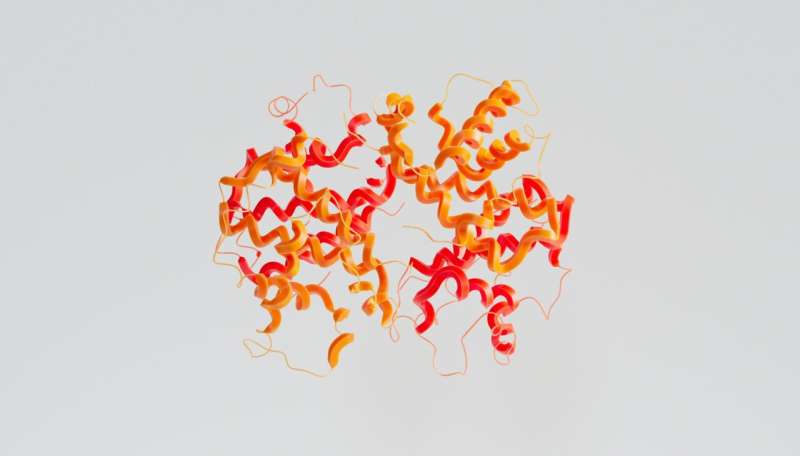
Two mechanisms of amino acid transport in a rare disease-associated protein revealed
Scientists in Barcelona, Spain, explained how a protein called y+LAT1/CD98hc moves amino acids across cell membranes. The transporter can work in two ways, and the team now knows why sodium helps some amino acids but not others. The protein is linked to lysinuric protein intolerance, a rare inherited disease. Understanding it may help explain why patients show different symptoms.
Speech by Commissioner Marta Kos at the Albanian National Council for European Integration
EU Commissioner Marta Kos gave a speech in Tirana, Albania, to the National Council for European Integration. The council brings together members of parliament and civil society groups. The speech focused on Albania's path toward joining the European Union. The text provided is only a short opening, so the details are limited.
A Chinese man's enduring dedication to forest | Borneo Post Online
A man named Xie has spent almost three decades walking the ridges of a forest farm in China. The forest lies mostly in a core protection zone in the Qinling Mountains. It is home to rare animals, including giant pandas, golden monkeys and crested ibises. Xie has seen the forest recover and has watched how protection work has changed over that time.

Scientists discover quasar formed within a mere 630 million years of the Big Bang, setting a record
Scientists have discovered the most distant quasar found so far. A quasar is the bright core of a galaxy, powered by a black hole that pulls in gas and dust. This one formed only about 630 million years after the Big Bang, when the universe was very young. The find sets a new record for how far back astronomers can see.
The American manager with a maths degree making history in La Liga
Pellegrino Matarazzo, an American, is the first American manager to lead a team in Spain's top football league, La Liga. He coaches Real Sociedad, a club based in San Sebastián. His team faces Crystal Palace in the Europa League on Thursday. Matarazzo also has a maths degree.

Hainan gibbons rebound to 44 with Hong Kong's help
Hainan gibbons were once down to fewer than 10 animals. Now there are 44, making them the only gibbon species in the world with steady population growth. Hong Kong conservationists helped by planting young trees and stringing canopy bridges, which are rope paths that let the apes move safely through treetops.

Early Stone Age rock carvings in Scandinavia may have been signposts for hunting grounds
Between about 9,000 and 4,000 B.C., artists in Scandinavia carved large animal images into rock faces near water. A new study in World Archaeology suggests these carvings worked like road signs for hunters. They marked natural river crossings and dangerous rapids where animals could be caught. Researchers studied four sites in Sweden and Norway to reach this idea.
Five wins in a row for LA Rams as they beat Green Bay Packers
The LA Rams beat the Green Bay Packers 26-13 in an NFL football game. Running back Blake Corum played a key role in the win. It is the team's fifth win in a row, which keeps them in the race for the NFC playoffs.

Watch live: Gaia releases its largest-ever goldmine of cosmic data
The European Space Agency is set to unveil Gaia Data Release 4 on Wednesday, 2 December. Gaia is a space telescope that maps the positions and movements of stars in our galaxy. This is the mission's first principal data release, opening its star catalogue to scientists and the public. The livestream will feature agency and mission experts.

Many buyers willing to pay more to know where their food comes from
A new study from Curtin University in Australia surveyed more than 400 people about meat packaging. Many shoppers said they would pay more when they could trace where their food came from and how animals were treated. On average, people shown traceable lamb were willing to pay $2.34 more per kilogram, a 12% increase. Animal welfare was the biggest reason people trusted the product more.
African Development Bank and EBRD Launch EnterpRise Africa to Finance Fast Growing Small Businesses – QNC News
The African Development Bank and the European Bank for Reconstruction and Development (EBRD) launched EnterpRise Africa in November 2026. The program pairs a private credit fund with an advisory platform. It is aimed at fast-growing companies that want to expand but struggle to get suitable loans. The launch took place at the Africa SME Business Day 2026 in Africa, attended by about 200 leaders from banks, investors and businesses.

Stronger molecular grip optimizes anticancer drug release
Researchers at Osaka Metropolitan University in Japan changed a protein that occurs naturally in the body. The new version holds an anticancer drug more firmly. This may keep the drug from being released too early, before it reaches its target.
Is China on Its Way to Becoming the World's Next International Space Agency? | Extremetech
China's space agency sent Pakistani astronaut Muhammad Zeeshan Ali into orbit this week. It is a big step for both countries' space programs. The article asks whether China could become a leading international space agency for other nations. Few details beyond the launch are given in the source text.

‘Come right now’: How a crisis centre in Samarkand helps women escape violence
A crisis centre in Samarkand, Uzbekistan, helps women who face violence at home. Women like Irina can call for urgent help when a partner becomes dangerous. The centre offers a safe place to go and support to leave. The story shows how such services can save lives.

Common supplements rival antibiotics in treating severe gum disease
A mix of omega-3 and low-dose aspirin was tested with standard gum treatment for severe gum disease. It worked about as well as antibiotics. Patients kept the benefits even after they stopped taking the supplements. This could give some patients another option and use fewer antibiotics.
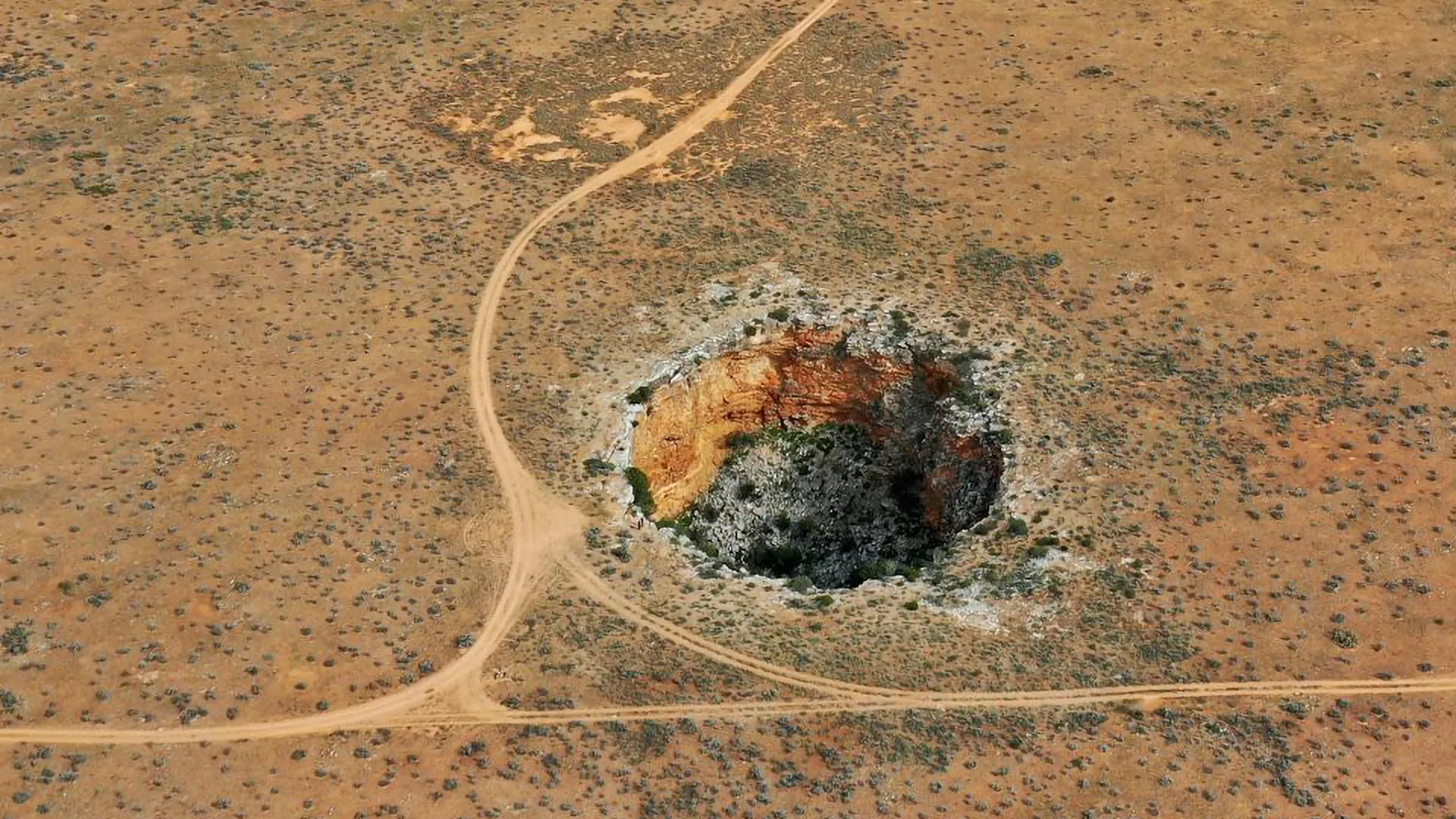
Deep beneath Australia, hidden caves could unlock the secrets of alien worlds
Scientists have solved the mystery of long trenches across Australia's Nullarbor Plain. The trenches form when deep cave systems slowly collapse upward over millions of years. This shows a large hidden world under the surface. The find could help researchers locate unexplored caves with old environmental records and unusual life forms.

Risk for disease flare low for women with IBD undergoing assisted reproductive technology
Women with inflammatory bowel disease (IBD), a condition that causes long-term gut inflammation, often worry about fertility treatment. A study led by Rohit Khanna at Kaiser Permanente in San Francisco followed 49 women through 149 treatment cycles. Only 3.4% had a disease flare, and none flared during egg retrieval. Live birth rates were comparable to those in the general population.
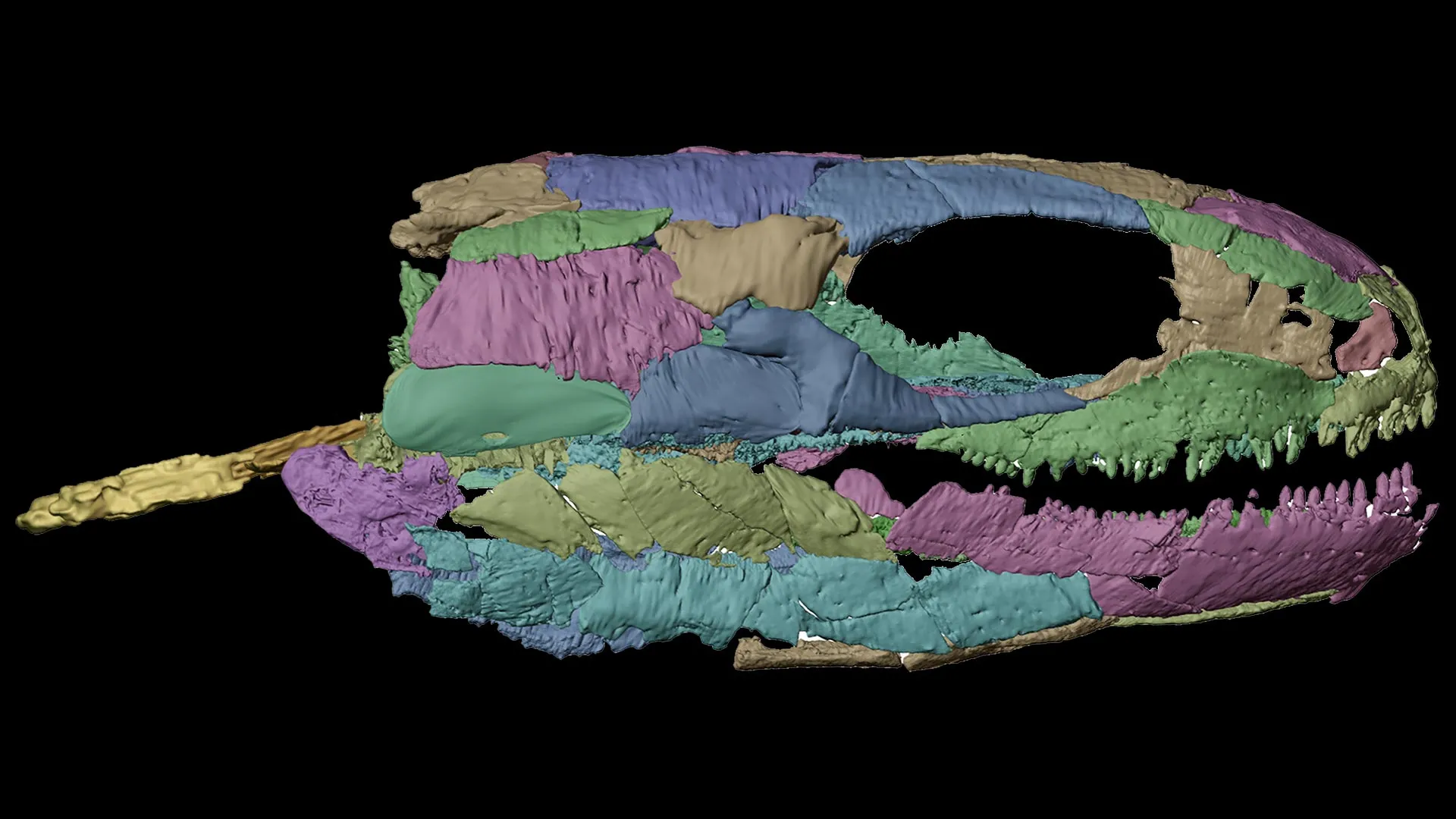
This 345-million-year-old fossil had scientists fooled for decades
A famous fossil, about 345 million years old, has been re-examined for decades. Scientists long thought it was an early reptile. Advanced X-ray imaging revealed hidden gills and thousands of tiny teeth. The creature was likely water-dwelling or amphibious, and it shows that some land-life traits first appeared in animals that still needed water.
Temu commits to complying with EU consumer protection rules following action by national authorities
The European Commission and the Consumer Protection Cooperation Network worked together on this case. Temu, an online shopping site, has promised to change several of its business practices. The network accepted Temu's promises on November 26, 2026. The changes aim to protect shoppers across the European Union.

Some miniature Cas12m proteins can cut DNA after all
Researchers at the University of Tokyo found that some Cas12m proteins can cut DNA. Until now, no member of this protein group was known to do this. The proteins are small, so they may be easier to pack and deliver into cells. The team also found the key differences between active and inactive versions, which could help build compact gene-editing tools.
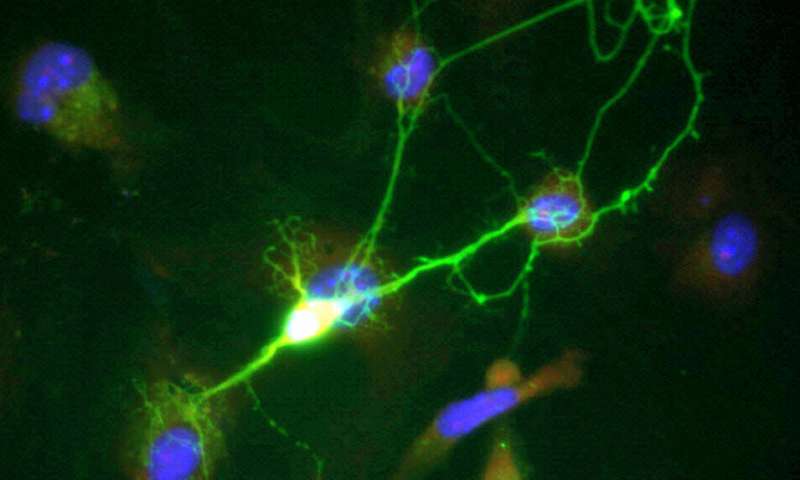
The same gene that helps define neuron identity may also balance developing brain circuits
Scientists at King's College London studied the developing brains of mice. They found that a gene helps set a neuron's identity and how many signals it receives from other neurons. The molecules neurons use to connect depend on the job the cell will do as an adult. Electrical activity during development also shapes these connections.