Latest News
Positive stories from around the world · Good news by country
Showing 1897–1920 of 37354 articles
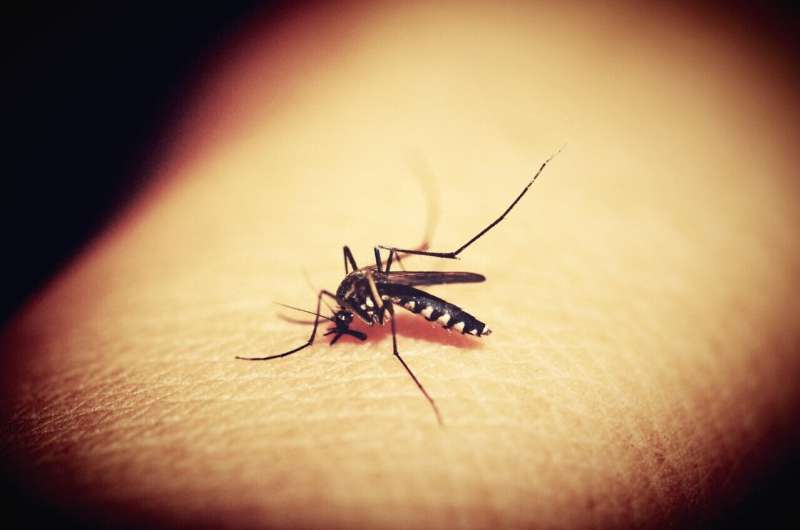
Scientists breed a 'pan-African' malaria parasite to build a better whole-parasite malaria vaccine
Researchers built a new malaria parasite by mixing two strains. One strain is easy to make into vaccines, and the other was found recently in East Africa. The new parasite infects the liver much better, which could help make st

Mongabay shark meat investigation shortlisted for two journalism awards in Brazil
Mongabay, an environmental news outlet, investigated government purchases of shark meat in Brazil. The team, working with the Pulitzer Center, tracked 1,012 public purchases made since 2004. The buys totaled more than 5,400 metric tons, worth at least 112 million reais ($20.1 million). The report is now a finalist for two Brazilian journalism awards.
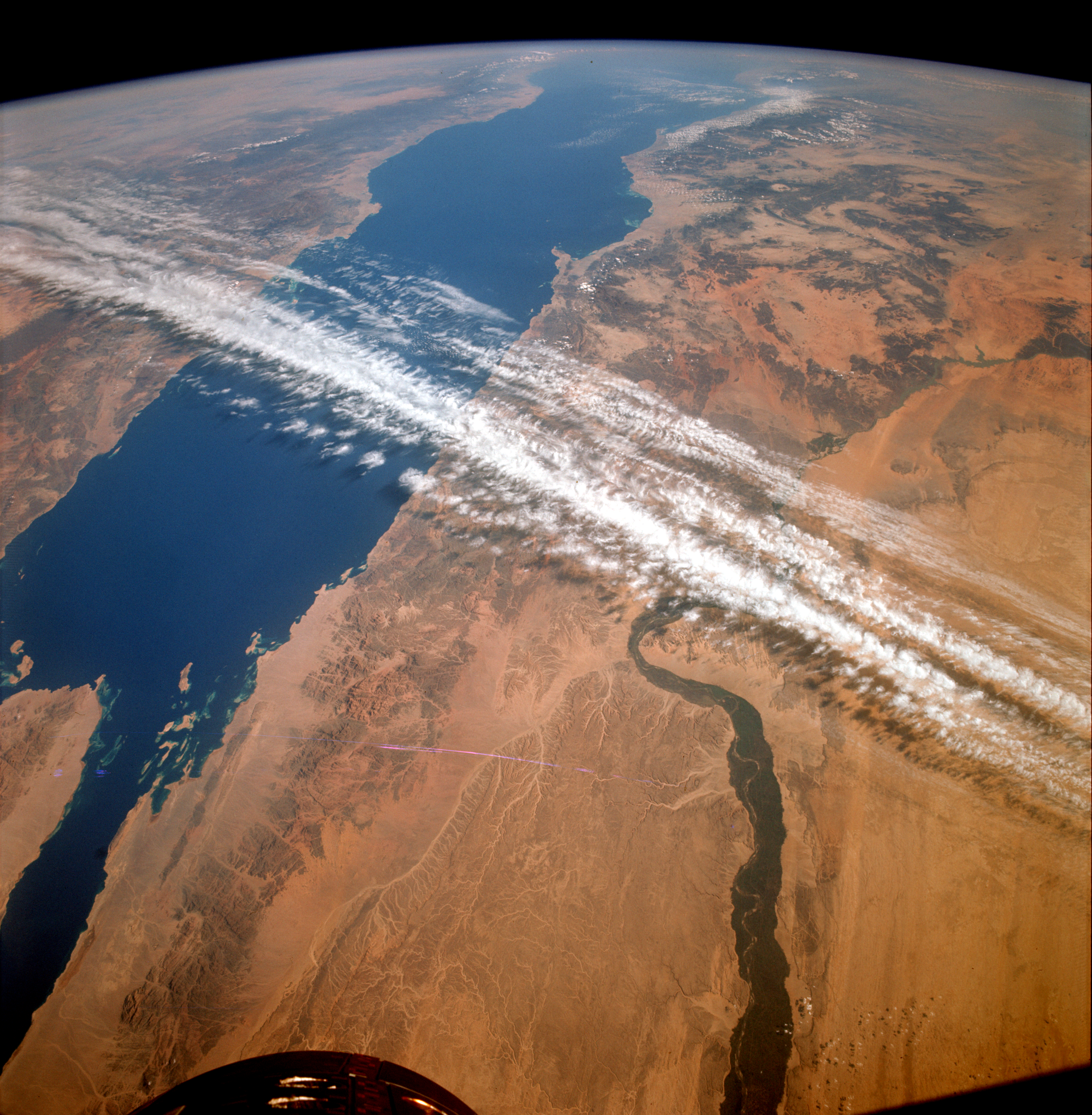
Gemini Astronaut Photos Inspired Early Earth Observation Program
In November 1966, NASA astronauts James Lovell and Buzz Aldrin orbited Earth on Gemini XII, the last flight of NASA's Gemini program. They took photos of the Red Sea and the Nile River valley from space. These pictures helped inspire early programs that watch Earth from above.
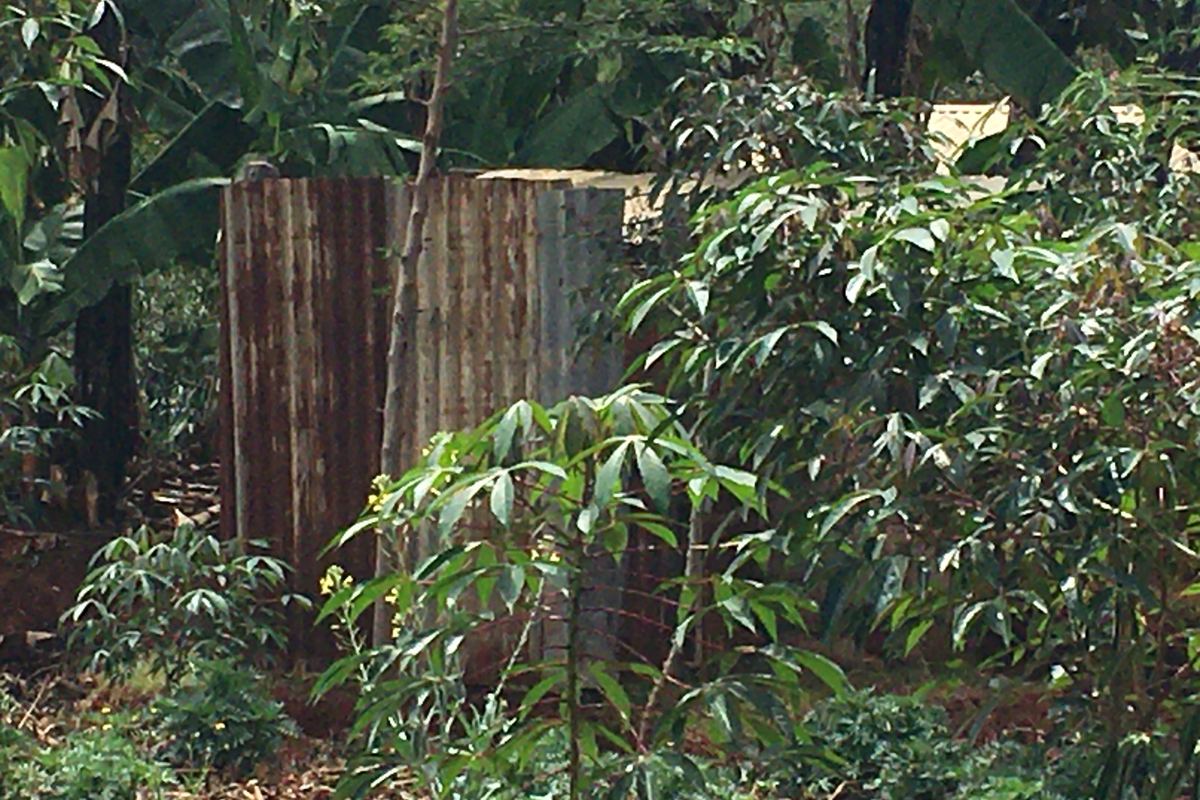
Rural Kenya is digging its way to safety from diarrhoeal disease
Households in rural Kenya started digging pit latrines and setting up hand-washing containers in early June 2026. Local area chiefs helped lead the effort. The goal is to protect families from diarrhoeal disease, which spreads through dirty water and waste.

Direct observation of a submarine landslide reveals seafloor processes
Underwater landslides are sudden falls of sediment on the seafloor. They are hard to study because they are unpredictable. A team led by Newcastle University's Dr. Sanem Acikalin, with collaborators from 10 institutions, recorded one directly for the first time. The findings help explain seafloor processes that matter for ocean life and undersea infrastructure.

Study reveals mechanisms to sustain stable crop yields under long-term drip irrigation in arid regions
A new study looked at farms in the dry regions of northwestern China. Drip irrigation waters crops through thin tubes during the growing season. Adding watering in autumn or winter helps flush out salt that builds up in the soil. This combination keeps soil healthier and helps crops yield well year after year.

The ‘hell chicken’ dinosaur was a real terror — to fruit
Scientists studied Infernogallus, a dinosaur nicknamed the "hell chicken." Its body was shaped for a diet heavy in fruit. This may be the first evidence that non-bird dinosaurs adapted to eat fruit. The finding changes how we picture these ancient animals.
Sharks, ladders and a four-year plan - how England won World Cup
England beat France 50-38 in the Wheelchair Rugby League World Cup final in Wollongong, Australia. Coach Tom Coyd pushed his players to play with an attacking, hunter's mindset instead of just defending their title. The win makes England the first nation to win the World Cup three times. It is a strong result for the team after four years of work.

WheatAI could speed wheat breeding and help farmers assess crops
Researchers at South Dakota State University are perfecting a new web app called WheatAI. It uses artificial intelligence, or AI, which is computer software that learns patterns from data. Wheat breeders, who develop better wheat plants, can use it to work faster. Farmers can also use it to make more accurate decisions about their crops.

Hamster hibernation study offers clues to Alzheimer's disease
Researchers at VIB and KU Leuven in Belgium studied golden hamsters across their hibernation cycle. They found that gene activity in the brain changes in ways that partly match patterns linked to Alzheimer's disease. Alzheimer's is a brain illness that causes memory loss. The findings may help scientists understand how the brain protects itself.

Fruit bats emerge as unlikely allies in the Atlantic Forest restoration
Fruit-eating bats spread seeds from more than 140 plant species in Brazil's Atlantic Forest. Researchers in Paraná state have found that artificial fruit scents can lure these bats into damaged areas. The bats can drop between 600 and 25,930 seeds per hectare each day, even in degraded land. Experts say this natural method could work alongside regular forest restoration.

AI analysis of heart ultrasounds may help flag long-term cardiovascular or dementia-related death risk
Researchers used artificial intelligence to estimate a person's "heart age" from ultrasound images. A heart that looks older than the person's real age was linked to worse long-term outcomes. These included death from heart disease or dementia. The results were presented at the ESC Digital and AI Summit 2026, which focuses on new technology in heart care.

Young green turtles find refuge in man-made lagoon in protected UAE wetland
A protected wetland in the United Arab Emirates has become a safe home for young green sea turtles. Researchers tracked nine juvenile turtles, each under 60 cm long, in the Al Qurm Wa Lehhfaiiah Protected Area. The turtles were "highly resident," spending over 80% of their time in the area. The findings show the lagoon gives young turtles a good place to live and grow.

Optical system maps multiple infrared fields onto one small detector
Scientists at the Changchun Institute of Optics, Fine Mechanics and Physics in China built a new optical system. It sends light from several fields of view onto one small infrared detector. The system reads the shape of each light spot to tell which field a target came from. In tests, it picked the right field about 89% of the time.

Baby corals go house-hunting, gaining swimming skills as they grow
Young corals were found to swim and search for a good place to settle. This is new information about how baby corals start their lives. Reefs matter for people and for many sea animals. Learning how corals settle can help protect them.
Speech by Commissioner Kos at the opening of 30 Years of Transparency International Switzerland
European Commissioner Kos gave a speech in Brussels marking 30 years of Transparency International Switzerland. The talk argues that the EU accession process helps societies become more open and fair. He pointed to his June trip to Moldova and Ukraine as an example of this work.

Double axes and coarse pottery reveal connections across the Rhine 5,000 years ago
Archaeologists long believed the Rhine River divided people in Europe 5,000 years ago. A new study by Sebastian Schultrich of Kiel University challenges that idea. It links simple pottery, double axes and shared burial graves found on both sides of the river. The finds show people across Europe were connected, sharing ideas and moving freely.

Why exercise has become a key part of cancer treatment
A large clinical trial called CHALLENGE, led by scientists in Canada, found that colon cancer patients who exercise after treatment have better survival. They are also less likely to see their cancer come back. Earlier studies in other cancers, such as breast and prostate cancer, showed similar hints. Doctors now treat exercise as part of ongoing cancer care, not just a way to feel better.
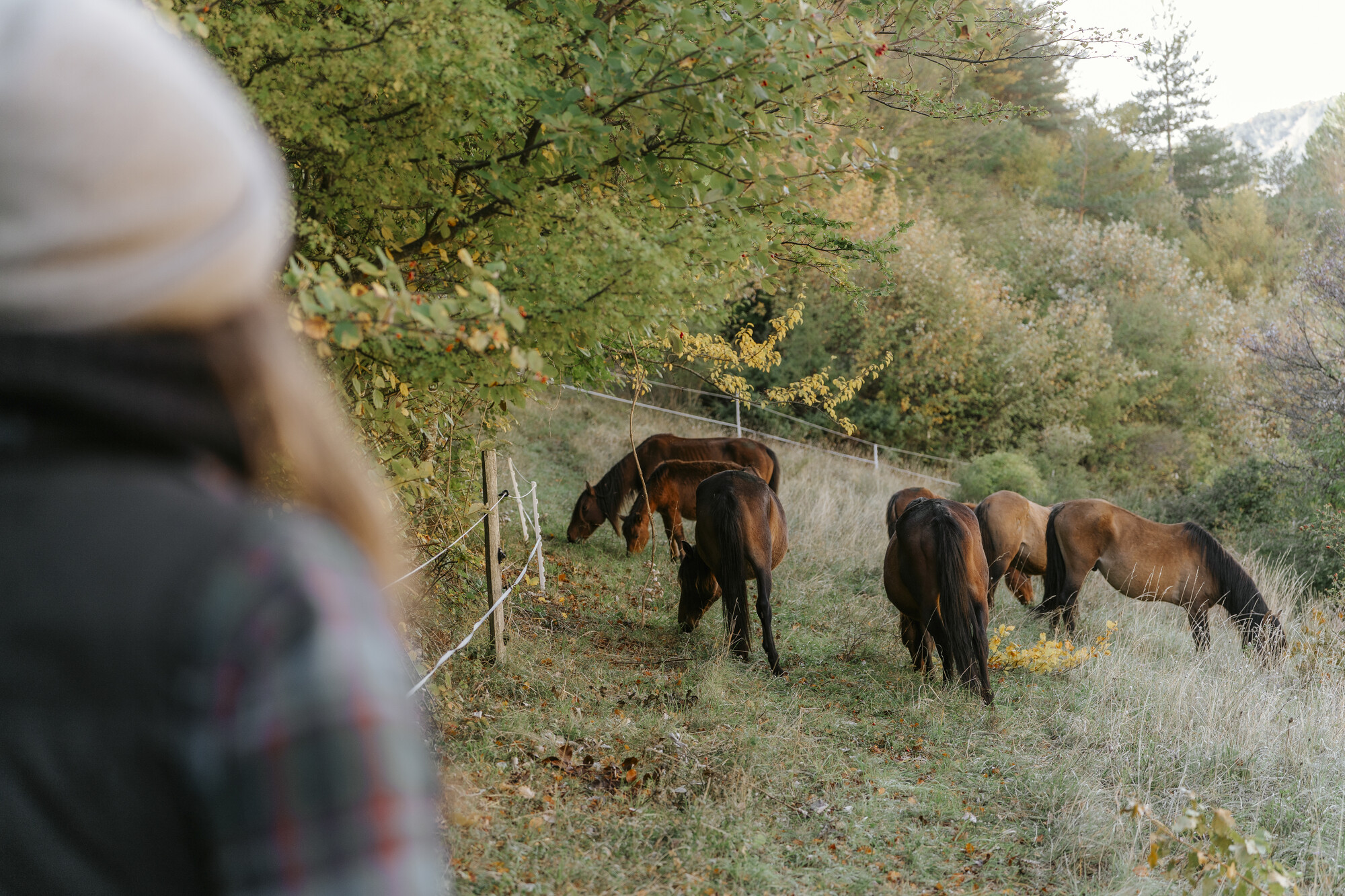
Protected: A new chapter for natural grazing in the Dauphiné Alps
Natural grazing is getting a new start in the Dauphiné Alps in France. Grazing animals such as cattle, sheep, and goats eat plants and keep mountain meadows open. This helps wildlife and supports a healthy mountain landscape. The article is a Rewilding Europe update, but the full text is protected, so details are limited.

Women's health research highlights the role of molecular testing in precision medicine
Two new studies on women's health show how molecular tests, which read the genetic material in samples, can give doctors better information. One study tested 121,966 vaginal swabs and found that 41.5% of the Mycoplasma genitalium infections it checked resisted a common antibiotic class. Another study looked at 219 endometrial tumors and found DNA patterns that can separate low-risk cases from higher-risk ones. Both studies were presented at the AMP 2026 meeting in Seattle.

Microscopic solar panels could help shape 3D-printed biological tissue
Penn State engineers placed tiny solar cells on computer chips. When light shines on them, they make small electric currents that guide cells. The cells line up into set patterns, which could help grow tissue in 3D printers. The method works without wires, so it is less invasive.

GPs are now 'prescribing' time in nature. Is it likely to improve your health?
Some family doctors now suggest that patients spend more time outdoors as a form of treatment. The approach targets both physical and mental health problems. Researchers are studying whether regular time in nature really improves health. The article asks how likely these benefits are.

Label-free imaging tracks lipid storage in living liver organoids
Fat buildup in liver cells is linked to several metabolic diseases. Until now, watching it happen in living tissue was hard. Fluorescent dyes can damage cells or only show snapshots in time. Researchers reported a label-free imaging method that follows lipid storage in 3D mouse liver organoids, which are small lab-grown models of liver tissue.

Sustained clinical responses seen with neuroimmune modulation for rheumatoid arthritis
Patients with rheumatoid arthritis, a painful disease that swells and damages joints, saw their symptoms stay better over time. Data after 24 months showed the benefits lasted for two full years. The study was presented at the American College of Rheumatology annual meeting in Orlando, Florida, from November 6 to 11.