The World Is Wiring Itself for Clean Energy—Fast
Last August, Zambia's grid collapsed under the weight of climate change. Droughts had drained the reservoirs that powered most of the nation, and citizens endured up to 20 hours a day without electricity. The crisis was stark, immediate, and deeply unfair. But fast-forward to today, and Zambia is now racing to install solar capacity that would have seemed impossible years ago—building out renewables at a pace that matches its desperation.
The country's journey captures something happening across the entire planet: a simultaneous, multi-front sprint toward clean energy that's being driven by crisis, ambition, and increasingly, cold hard economics.
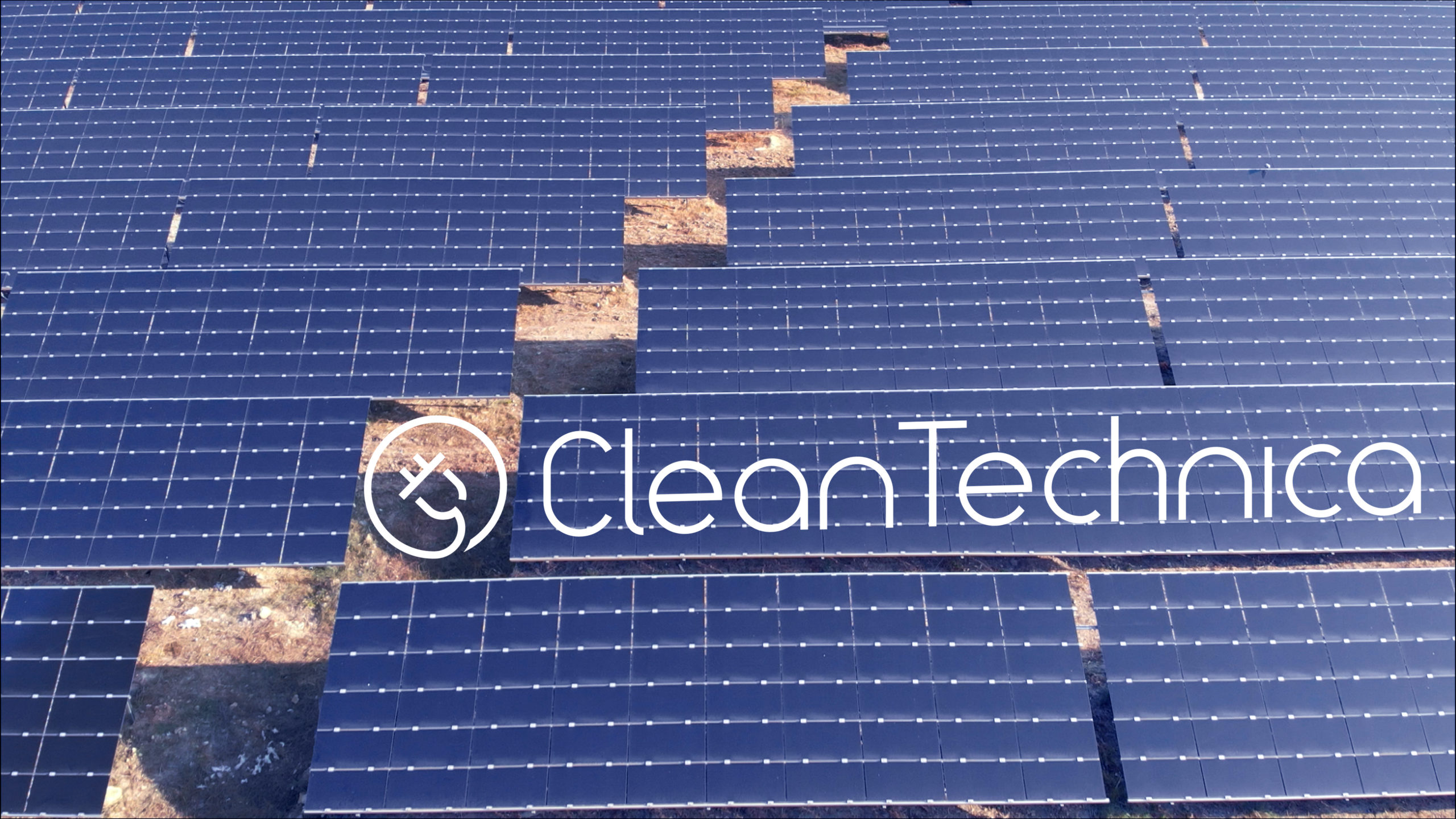
China just published its 15th Five-Year Plan for renewable energy, and the numbers are almost difficult to process. The country aims to add at least 370 gigawatts of wind and solar across seven major bases—from Xinjiang to the Songliao Basin—in just the next five years. That's more generation capacity than most countries have in total. The plan integrates desert photovoltaic development with ecological restoration and green power transmission across provinces, weaving environmental repair into industrial scale.
Meanwhile, in Arizona's desert, construction is underway on Project Sterling, a hybrid solar-plus-battery facility that will churn out 1 terawatt-hour of renewable energy annually—enough to power hundreds of thousands of homes. Tesla signed a long-term agreement to purchase roughly 90% of the plant's output, marking one of the largest corporate power purchase agreements for solar-plus-storage in U.S. history. The plant combines 450 megawatts of solar with 360 megawatts of battery storage, capable of delivering power well after sunset.
The financing is following the opportunity. The Emerging Africa and Asia Infrastructure Fund just committed up to $50 million in debt financing to Ukko Renewable, supporting development of over 2 gigawatts of wind, solar, and hydro projects across Vietnam, the Philippines, and Southeast Asia—part of a broader portfolio exceeding 3 gigawatts.
It's not just electricity that's electrifying. At the 33rd GAIKINDO Indonesia International Auto Show in Jakarta, pure electric vehicle brands commanded the show floor. Chinese and Korean manufacturers led volume growth while Honda staged the ASEAN debut of its Super-One electric hot hatch, promising 95 horsepower with a steering-wheel Boost Mode for drivers who still want fun behind the wheel.
Europe is pushing electrification even harder. The EU Commission's new Electrification Action Plan puts direct electrification of transport front and center, treating electric vehicles not just as clean cars but as "batteries on wheels" capable of stabilizing grids when wind and solar output dips. Vehicle-to-grid technology gets a bold policy framework for the first time.
And in Portland, Oregon and Green Bay, Wisconsin, college students just competed for prizes in the Department of Energy's hydropower and marine energy competitions. The University of Southern California claimed the marine energy crown while Cal Poly took the hydropower prize. Next year, 45 teams will compete—a record—proving that the next generation of water power engineers is already being trained.
Even aviation, the hardest sector to decarbonize, is seeing fresh research. Scientists at the National Laboratory of the Rockies evaluated five alternative fuels—sustainable aviation fuel, liquid hydrogen, LNG, liquefied ethane, and Jet X—as the world prepares for jet fuel demand to nearly double by 2050.
The picture that emerges isn't a single victory lap. It's something messier and more interesting: thousands of parallel efforts, each solving different problems with different tools, in countries at vastly different stages of development. Zambia is building solar because its rivers ran dry. China is building wind and solar because it can. Indonesia is buying Chinese EVs. Europe is turning cars into grid batteries. And American students are dreaming up new ways to harness the ocean's power.
None of this means the climate crisis is solved. But it suggests that the world is building things—fast, messy, and imperfectly—at a scale that would have seemed delusional a decade ago. The question now isn't whether clean energy will dominate. It's whether it will arrive fast enough.
Sign in to join the conversation.
Comments (0)
No comments yet. Be the first to share your thoughts.