At St Williams School in Akwa Ibom State, pupils now spend part of each week learning to code with Scratch Junior. The lessons are one sign of a wider shift in 22 public primary schools, where a teacher-training program has helped 12,400 pupils reach scores of 80 percent or higher in mathematics and science assessments.
The work matters because early lessons in math and science can shape how children understand the subjects later on. Before the intervention, baseline tests found weak foundations among pupils. The program set out to make learning more practical, replacing lessons focused largely on memorization with activities that let children explore ideas through experiments and projects.
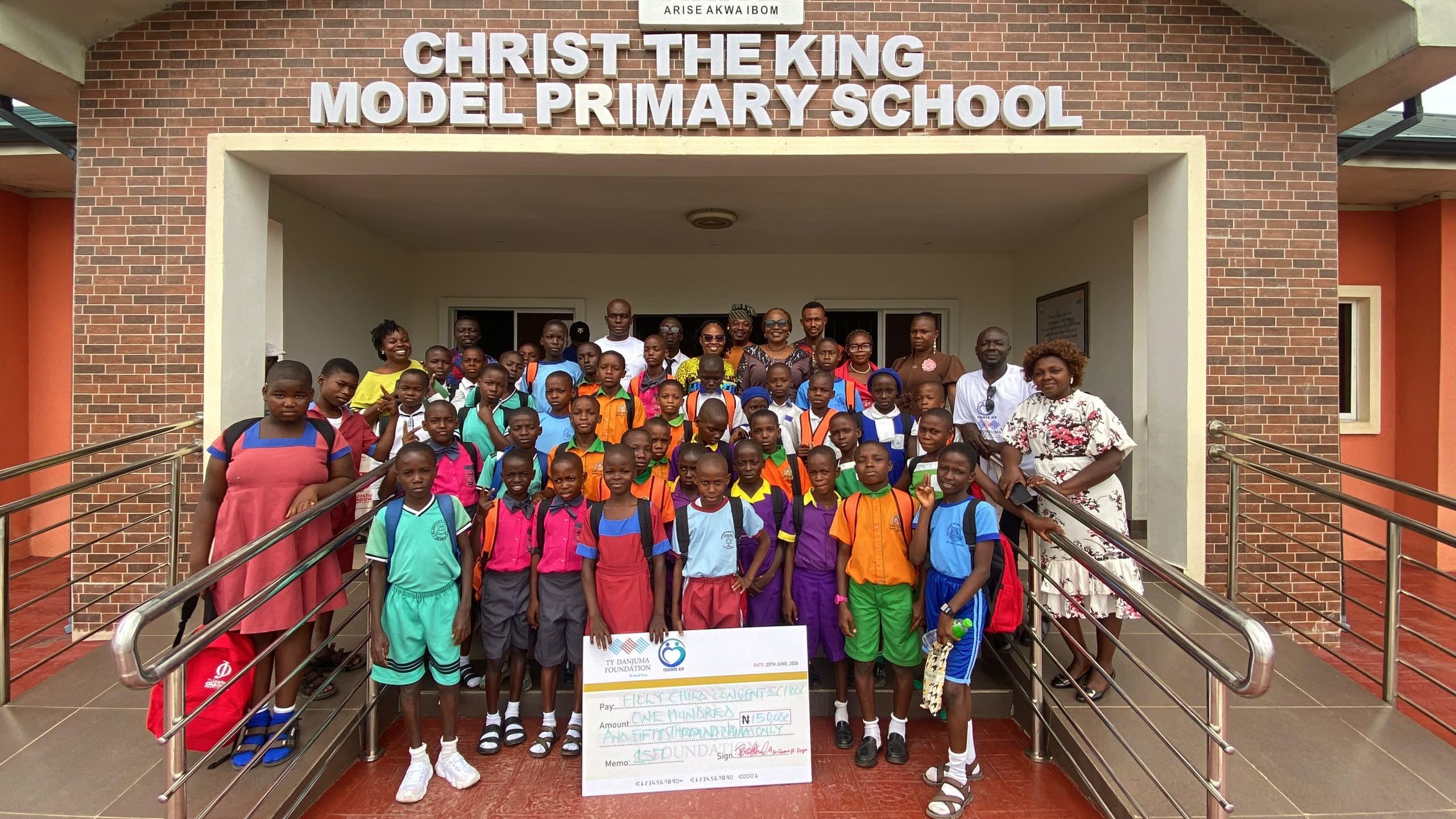
Funded by the TY Danjuma Foundation, the intervention was run by the Teacher Aid Initiative, or TAI, in partnership with the Akwa Ibom State Universal Basic Education Board, known as AKSUBEB. It reached schools in Ikot Ekpene and Uyo and included the STEM Teachers Fellowship Programme. STEM stands for science, technology, engineering and mathematics; the program also brought arts into its broader STEAM approach.
At the start, 120 classroom teachers took part in intensive training alongside head teachers and education officers. They learned how to teach the math and science curriculum with creative activities and inexpensive materials available locally. Organisers say the training was followed by continuing classroom visits and support, helping teachers build confidence and use practical learning across subjects.
Post-training assessments showed pupils scoring 80 percent and above in both mathematics and science, according to the organisers. The program also graduated 83 teachers who completed the fellowship. The figures point to a change in classrooms as well as test results: pupils have taken part in STEM competitions where they work together, build projects and show what they have learned.
Interest in technology has led St Williams School to start weekly Scratch Junior coding lessons. STEAM clubs are also continuing in participating schools, with designated mentors supporting teachers and pupils as they keep up hands-on activities. These efforts aim to make practical learning part of regular school life rather than a short-term project.
AKSUBEB Executive Chairman Rt Hon. Anietie Etuk said giving children a strong educational foundation was a basic responsibility, and praised the foundation for choosing Akwa Ibom as a beneficiary. Tersoo Akula, representing the TY Danjuma Foundation, said the program showed how supporting teachers could help turn classrooms into places of creativity and innovation.
TAI is exploring partnerships and seeking more support to extend the fellowship to other local government areas in Akwa Ibom. If that expansion moves ahead, more teachers and pupils could gain access to practical STEM learning. For now, the clubs, teacher mentors and coding lessons offer a way for the participating schools to keep building on the progress reported in the assessments.