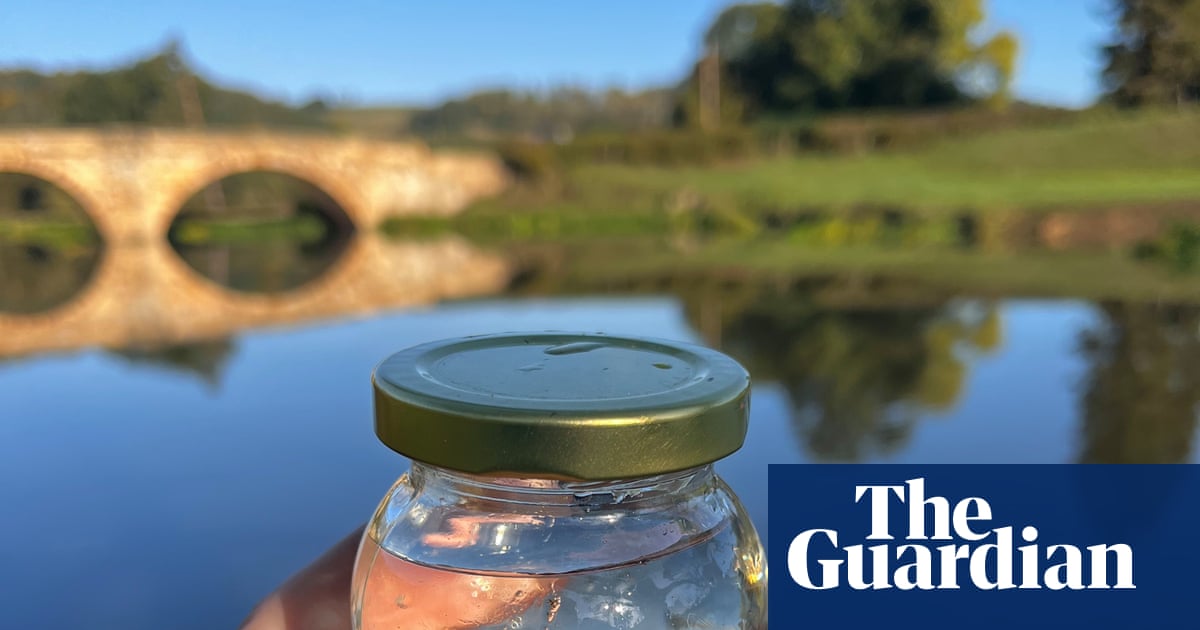
At the Gypsey Race, a small stream in Yorkshire, water wells from the ground and catches the sunlight in flashes of colour. Writer Amy-Jane Beer visits the spring to gather a little of it for a project with a larger purpose: a regional charter that will set out people’s responsibilities to rivers.
Beer has been helping organise a gathering of river advocates to write the charter together. Their plan is to blend water gathered from waterways across Yorkshire and use it to make the ink in which their words will be written. The ceremony turns a practical task—setting down shared duties towards rivers—into a moment of care and attention to the places those duties concern.
Before collecting water from the Gypsey Race, Beer pauses to ask, in effect, for permission. The stream has a striking past in local stories. Its course runs near a concentration of prehistoric barrows, cursuses and henges, as well as England’s tallest standing stone. Folklore says the stream’s changeable flow can foretell the future. Beer addresses her request to two trees rooted in the water, a willow and a sallow, then circles the spring.
After barely ten steps, clouds part and sunlight catches spider silk across freshly tilled soil. Beer takes the sight as a hopeful sign, though she remains unsure how the invited guests will respond to the ceremony. The signs continue on the day itself. Before the gathering, Beer and her collaborators swim where the River Ouse and the Foss meet. On the slipway, they find a small lost brooch decorated with an enamel kingfisher. Soon afterwards, a young boy passes carrying a net with a large pike, its green, gold and russet scales catching the eye.
These encounters are personal omens, not proof of anything supernatural. But they help show why a ceremony built around local waters can mean more than a symbolic gesture. Rivers shape daily life and local memory, while people’s choices affect the places they flow through. A charter focused on responsibilities asks participants to consider that relationship directly, rather than treating waterways as scenery or resources alone.
The first offering at the gathering helps Beer feel that the idea has landed: a woman brings a vial she says contains water not only from local rivers, but also from sacred springs around the world. The moment suggests that the ceremony can bring different beliefs and experiences into one shared act. The charter’s words are still to be drafted, but the gathering begins with a clear intention: to listen to rivers and make human duties towards them explicit. Its ink will carry water from across Yorkshire into the document, linking the finished words to the streams, becks and springs they are meant to serve.