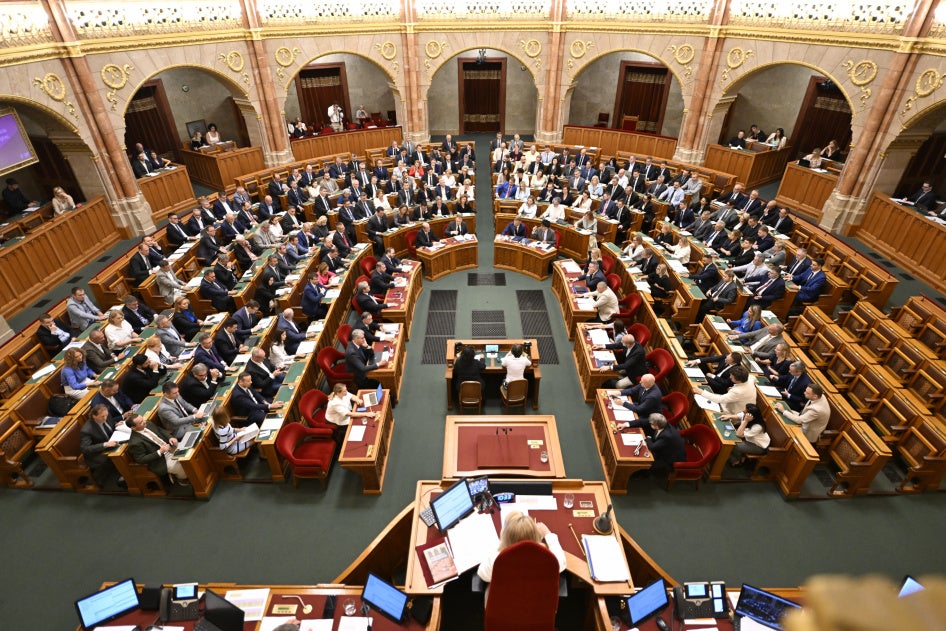
On July 28, Hungary's parliament approved a powerful new agency designed to investigate misuse of public money and recover assets that may have been lost illegally. The National Asset Recovery and Protection Office, known by its Hungarian initials NVVH, will have broad authority to look into suspected mismanagement of government funds and, where appropriate, take civil action to get stolen or mishandled assets back. Parliament is expected to choose the office's leader and two deputies by the end of August.
The story behind this vote, however, is just as noteworthy as the office itself. When the government first published the draft law for public comment in June, civil rights organizations spotted a serious problem: the proposal gave the new agency enormous investigative powers but included almost no safeguards to prevent those powers from being misused. Specifically, the draft contained no requirement for a judge to review the office's most intrusive actions and no independent process for people to challenge the agency if they believed their rights had been violated. Experts warned this could leave ordinary citizens with no real way to fight back if the office overstepped its authority.
What happened next illustrates something important about how good laws get made. Rather than dismissing the criticism, the Hungarian government and parliament listened. The final version of the legislation added judicial oversight, meaning a court must review measures that restrict individual rights. The law also creates a human rights officer inside the agency. That officer cannot reverse decisions, but can receive complaints, investigate how the office operates, and publish findings and recommendations for the public to see.
These changes matter because institutions designed to fight corruption are most effective when they themselves follow clear rules and respect people's rights. An agency that catches financial wrongdoing while treating everyone fairly earns public trust. One that acts without check or accountability risks becoming the very problem it was meant to solve.
As Hungary begins putting the new rules into practice, observers will be watching to see whether the oversight mechanisms work as intended and whether the office publishes clear, honest reports about its activities. The hope is that this office will help restore money owed to the public without becoming a tool for political score-settling. The fact that civil society concerns shaped the final law offers a small but real reason for optimism.