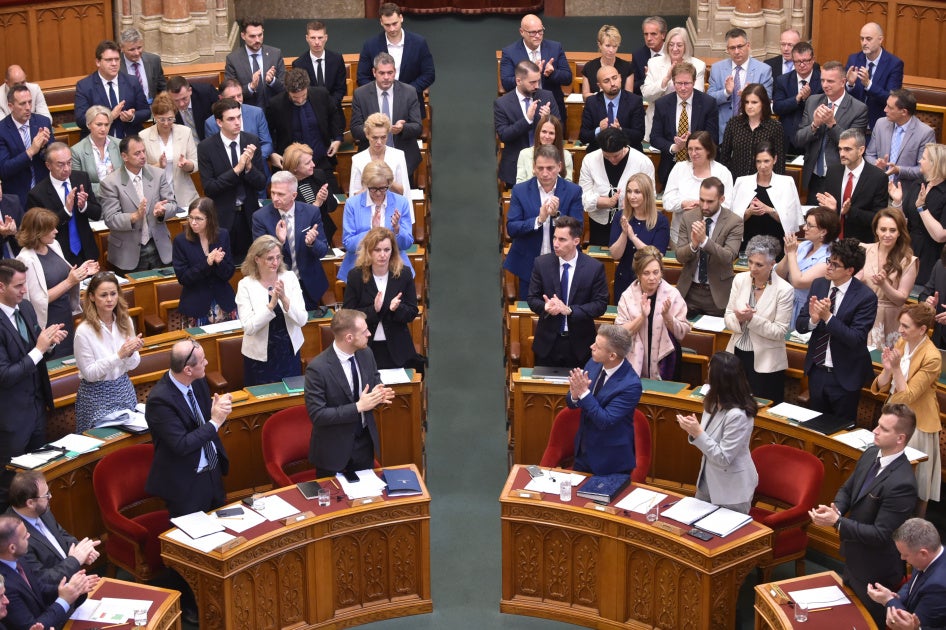
On June 30, Hungary's parliament voted overwhelmingly to abolish the Sovereignty Protection Office — a government body that had spent years investigating journalists, watchdog groups, and academics simply because they received funding from abroad. The vote was a victory for the independent press and civil society groups that had long called it a tool for silencing dissent.
The office, created under a 2023 law, investigated people and organizations the previous Fidesz government claimed were acting on behalf of foreign interests. It operated with little oversight and targeted groups like Transparency International Hungary — which works to fight corruption — and Átlátszó, an investigative journalism outlet. The European Commission agreed the office was problematic and had actually taken Hungary to the EU's Court of Justice over it, arguing the law broke European rules.
In February, an advisor to the EU court published their opinion on the case. They found that the office's powers went too far and made people afraid to speak freely. The advisor wrote that the investigations "have a chilling effect and may lead to self-censorship by journalists and/or publishers and press organisations." Human Rights Watch, a global human rights organization, had joined other European groups in warning about the dangers of the office back in May 2024.
The move to abolish the office comes from Hungary's new government, which has been rolling back policies from the years of former Prime Minister Viktor Orbán's rule. Just a week earlier, on June 22, parliament had passed another significant change: the ownership and oversight of public media — the broadcast channels meant to serve everyone — was transferred to an independent board. That board includes members appointed by the government, opposition parties, and media professionals, giving more people a say in how news reaches the public.
Lawmakers also banned giant political billboards, political ads filled with hate speech, smear campaigns, and political advertising outside of official campaign periods — tactics that had become common tools in Hungarian politics under the previous government.
The changes don't fix everything at once, but they mark a real shift. Ending a body designed to intimidate journalists, putting public media under broader oversight, and reducing toxic political advertising are all steps that give Hungarians a healthier information environment and more space to debate ideas freely — without fear of being investigated for speaking up.