Latest News
Positive stories from around the world · Good news by country
Showing 2521–2544 of 37367 articles

Amazon Report Reveals South Africa's Small Businesses Have Gone Digital: Operational Support is Now Their Biggest Barrier to Growth - Lifestyle & Tech
Amazon surveyed urban, digitally active small businesses in South Africa. It found that 99.6% use the internet for business and 86% make sales online. The report says operational support is now their biggest barrier to growth. The results point to strong digital adoption, alongside a need for practical business help.

Student team develops innovative 'Trojan horse' in the fight against the Asian hornet
A student team at Vrije Universiteit Brussel built a system to target Asian hornets. An AI trap identifies them with over 99% accuracy, then places a sticker carrying a natural fungus on each hornet. The released hornet can carry the fungus back to its nest. The approach aims to limit harm to bees and other insects, unlike broad chemical pesticides.
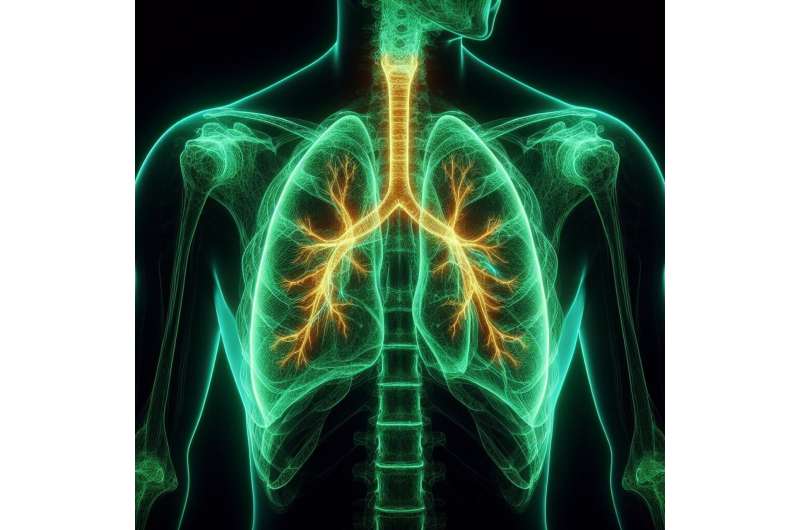
What causes pulmonary fibrosis on a cellular level?
Researchers at UCLA Health found that excess cholesterol in lung immune cells may help start pulmonary fibrosis, not just follow it. In mice, the imbalance appeared before major scarring and sent signals that activated scar-making cells. Restoring the protein ABCG1, which helps control cholesterol, left mice almost completely protected. The findings point to possible ways to prevent or treat the disease, but they are not yet a proven human therapy.

A pillowcase that tracks sleep
A team led by Columbia Engineering's Xia Zhou built PillowSense, a sleep monitor sewn into a pillowcase. Soft fabric sensors read signals through natural contact with a sleeper's neck. In home tests across 151 nights, it recognized seven sleep positions with an 88% F1 score, a measure of classification performance. It could gather sleep data without requiring people to wear a device overnight.

KNH Makes Global Medical Breakthrough With Two Pioneering Nerve Reconstruction Surgeries - Nairobi News
Kenyatta National Hospital (KNH) in Nairobi performed two pioneering nerve reconstruction surgeries. One involved targeted sensory reinnervation, a technique that redirects nerves to restore sensation. The patient is reported to be the youngest known recipient of the procedure. The short report gives no further patient or outcome details.

Researchers identify DNA marker that could predict treatment response in myelodysplastic syndromes
Researchers at the University of Miami studied 98 people with myelodysplastic syndromes, or MDS. They found that DNA methylation patterns may help predict who responds to azacitidine, a cancer drug. In one group, 71% of patients responded. More research is needed before this method can guide routine care.
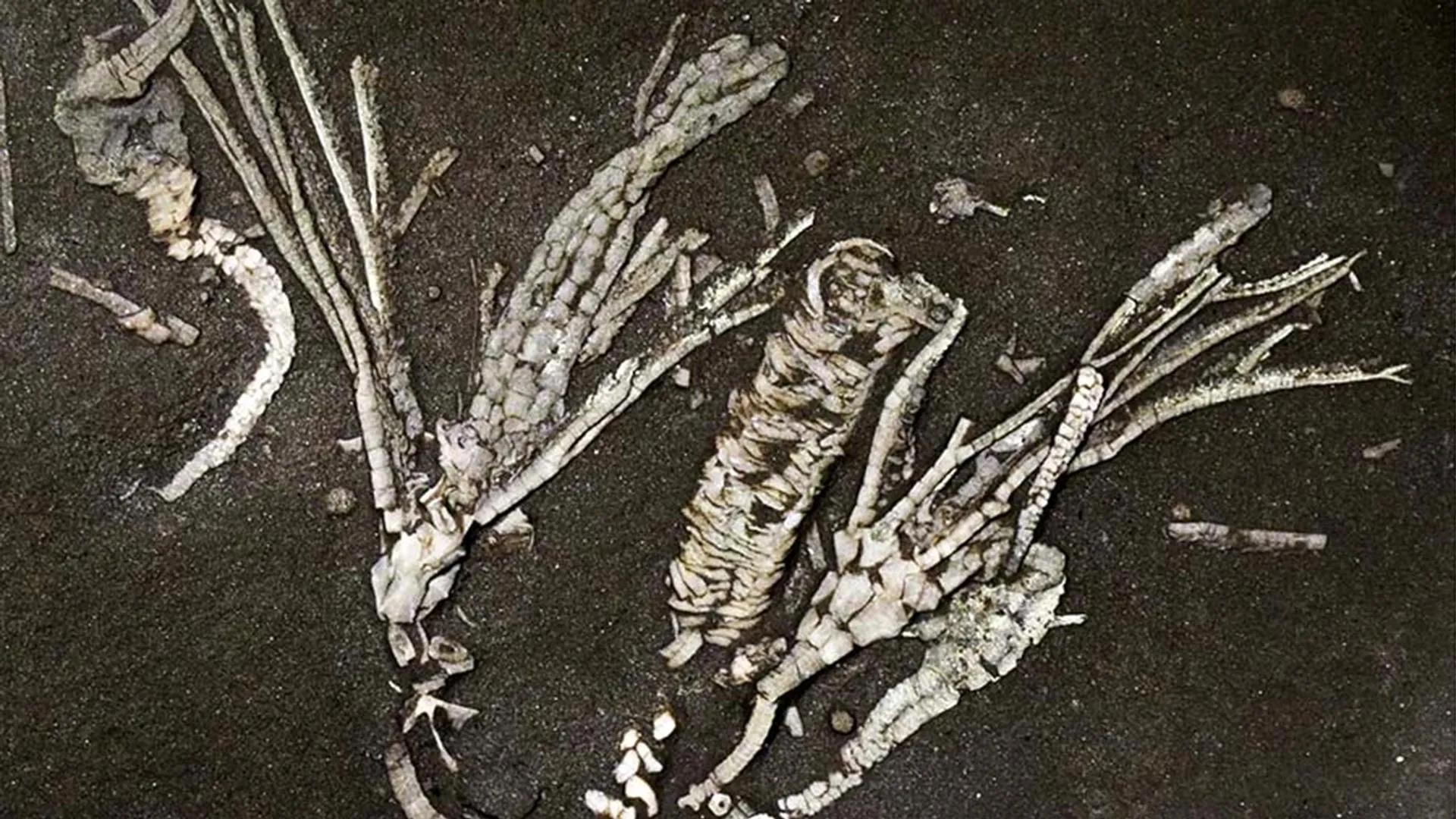
Paleontologists discover “one-in-a-million” fossil with 450-million-year-old soft tissue
Scientists found a remarkably preserved fossil in a museum collection. It contains soft tissues from a starfish relative that lived 450 million years ago. The rare specimen offers clues about how early reef animals fed, survived, and evolved. Its age places it more than 200 million years before dinosaurs.
COP31: Energy transition takes centre stage as countries map path beyond fossil fuels
Brazil presented a voluntary roadmap at COP31 in Antalya to help countries plan a transition away from fossil fuels. It covers fuel demand, production and supply, and the economic effects of the shift. Türkiye also promoted a pledge to raise electricity's share of global energy use from just over 20% to 35% by 2035. The article notes that weak power grids and costly funding could slow progress.

New FAO guide shows how to grow more with fewer resources
The Food and Agriculture Organization (FAO) has released a guide on producing more with fewer resources. It focuses on ways to make farming more efficient and sustainable. The short article provided does not list specific methods or results. The guide aims to help farmers use resources wisely.
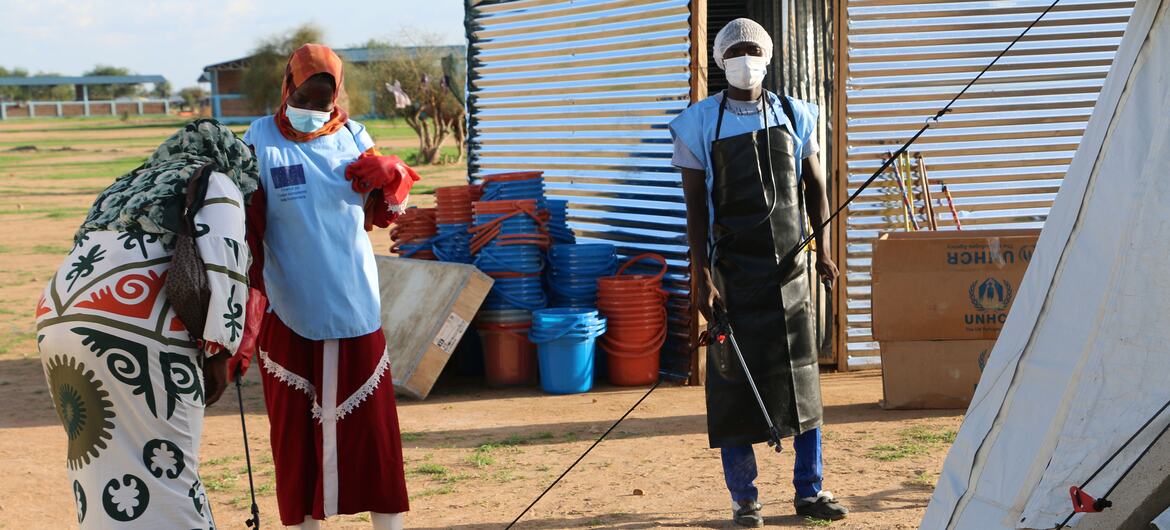
World News in Brief: Ending cholera by 2030 ‘within reach’, Haiti displacement and hunger, US human rights review rescheduled
The World Health Organization says cholera could stop being a major public health threat by 2030. It says existing tools can prevent every cholera death. The brief article does not detail the steps or give figures for current cases and deaths.
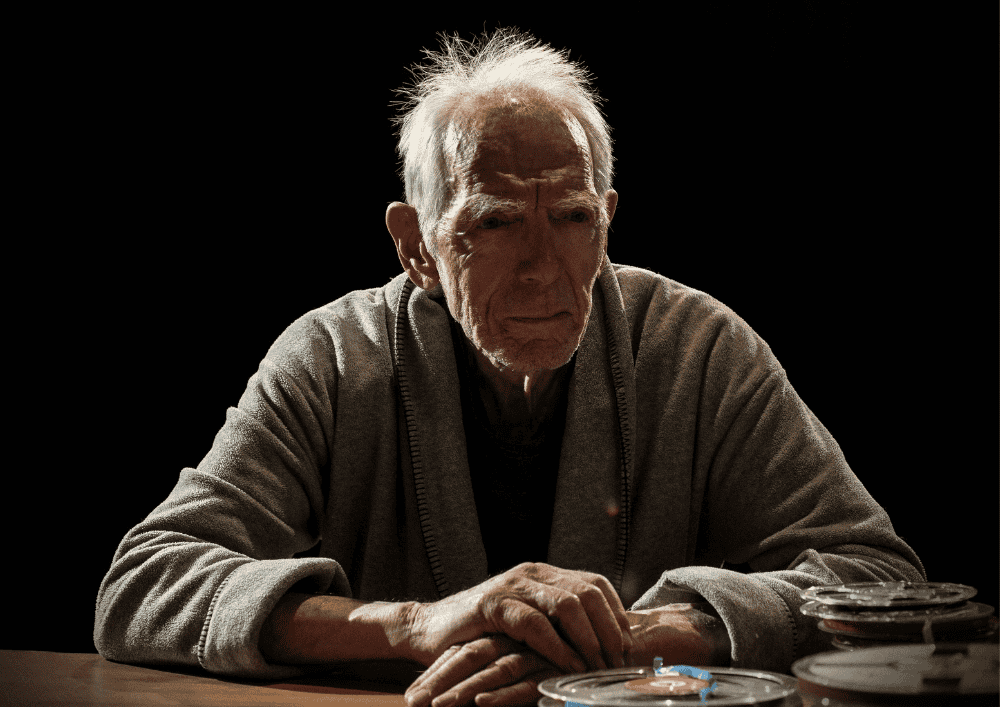
Actor, 85, takes to the stage despite Alzheimer’s diagnosis
An 85-year-old actor has taken to the stage despite an Alzheimer’s diagnosis. This is a story of continuing to perform while living with the disease. The supplied text does not name the actor, the production, or the location.
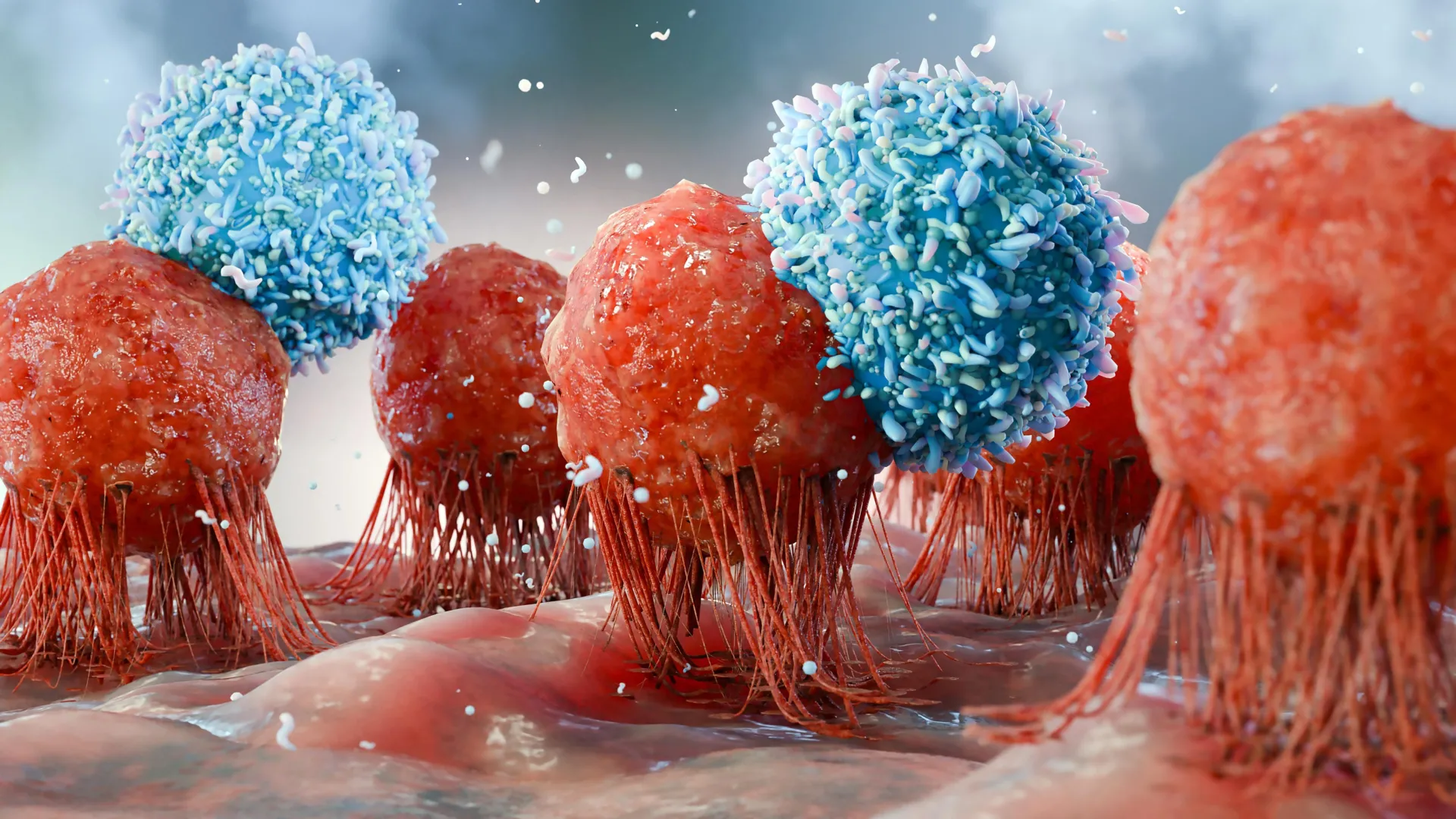
Cancer uses antioxidants to disarm the immune system, scientists discover
Tumors can release natural antioxidants that weaken immune cells meant to destroy cancer. Scientists blocked this process in mice, restoring immune activity and improving responses to immunotherapy. The finding points to a possible new way to make cancer treatment work better, but it has not yet been shown to help people.
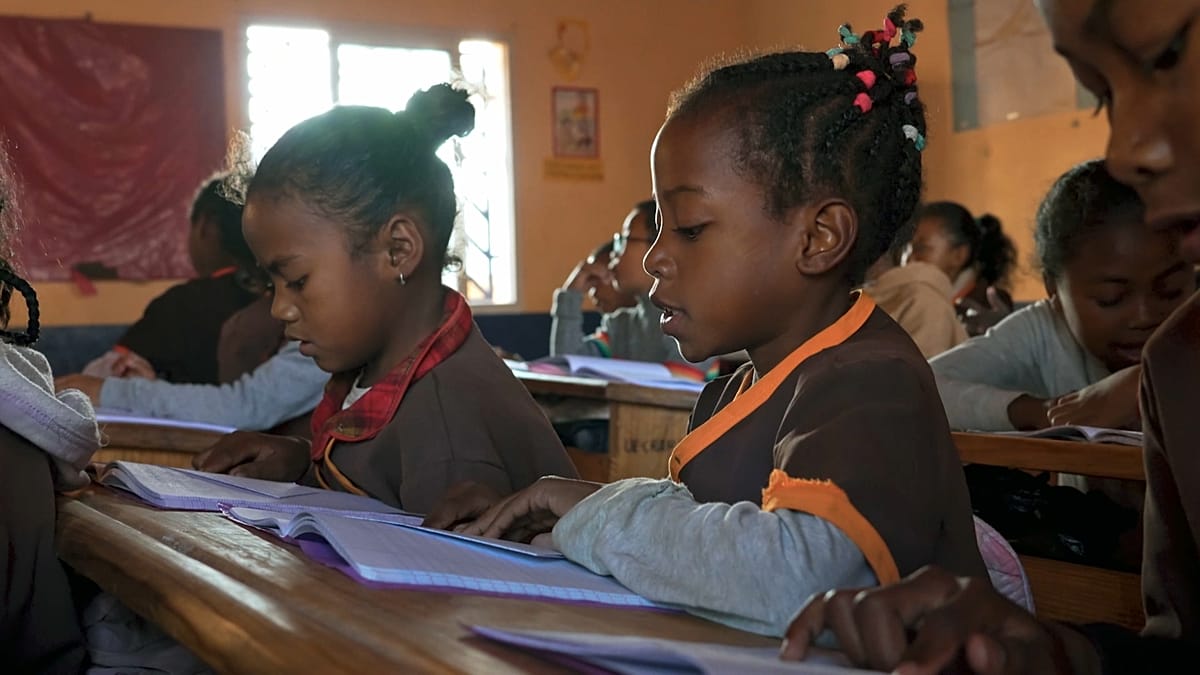
Inside the Japanese programme using school committees and remedial classes to improve learning in Madagascar | Euronews
A Japanese aid programme is working to raise reading and writing skills in Madagascar. It is run by the Japan International Cooperation Agency (JICA). The programme lets parents and local communities help run schools, and it offers extra lessons to students who fall behind. The goal is to keep children in school and help them learn.
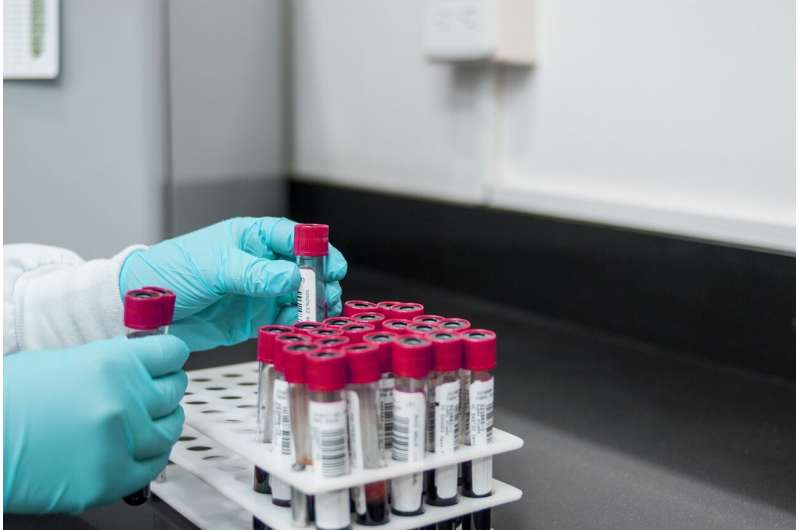
Blood RNA signal may reveal ovarian cancer precursors before invasive disease develops
Researchers at Hoag Family Cancer Institute found that blood levels of an RNA molecule called Tu-Stroma may reveal STIC, a precancerous stage linked to ovarian cancer. In a validation group, the test detected 92.3% of women with STIC and correctly identified 98.2% of healthy women. The test still needs larger prospective studies before it can guide care.

Severe premenstrual mood disorder has three subtypes, symptom diaries suggest
Researchers studied symptom diaries from 90 women with PMDD and 40 healthy controls over two months. They found three patterns: severe symptoms starting early, severe symptoms starting later, and moderate symptoms starting later. The study cannot explain why the patterns differ, but may support more tailored care.

Making metal–organic frameworks easier to shape for electronic devices
A Tokyo University of Science team filled the pores of metal–organic frameworks with ionic liquids. The liquid made the fragile materials harder and helped protect them from damage during ion-beam etching. The team made patterns as small as 130 nanometers wide at room temperature. This could help bring these porous materials into sensors and electronic devices.

Immune proteins offer new clues to how prostate cancer could be prevented
Researchers at Oxford Population Health studied blood samples from thousands of men. Higher levels of the immune protein IL-15 were linked to a 14% lower risk of prostate cancer diagnosed more than seven years later. The link was 26% lower for advanced cancer in one group. The findings point to possible prevention targets, but do not prove that these proteins prevent cancer.

California’s Wolf Divide
Gray wolves are recolonizing California after nearly a century’s absence. Conservationists welcome their return, while ranchers worry about livestock losses. Some residents and wildlife managers are working to help people and wolves share the landscape. The series explores this closely watched recovery and its challenges.

Single-tick experiments uncover shifting immune defenses during earliest stages of bacterial infection
Researchers at the University of South Alabama used one infected Gulf Coast tick to study natural transmission of Rickettsia parkeri. They found the bacteria could enter a host within one hour, then spread to lymph nodes and internal tissues. Infected skin showed a distinct immune response later in feeding. The model may help guide future research on preventing tick-borne disease.
'I wanted to prove that motherhood is not the finish line' - ultrarunner Stephanie Case
Stephanie Case, an ultrarunner and mother, says she wanted to show that motherhood does not end a woman's ambitions. She became the first woman to run 100 miles in Antarctica. Case hopes mothers everywhere will feel encouraged to dream big and take on adventures.
Updated Action Plan brings a total of 30 actions in one year under the Pact for the Mediterranean
One year after the Pact for the Mediterranean began, the European Commission says it is creating benefits for citizens, businesses, and communities. An updated action plan brings the total number of actions to 30. The pact covers communities around the Mediterranean Sea, but the release excerpt gives few details about the actions or their results.
Statement on today's meeting in Abu Dhabi between the EU, France, Germany, Italy, United Kingdom, Ukraine, United States and NATO
Representatives from the European Union, France, Germany, Italy, the United Kingdom, Ukraine, the United States, and NATO met in Abu Dhabi. The meeting took place before planned three-way discussions with Russia. The statement says the partners continued close coordination, but the provided text does not give further details or report an agreement.
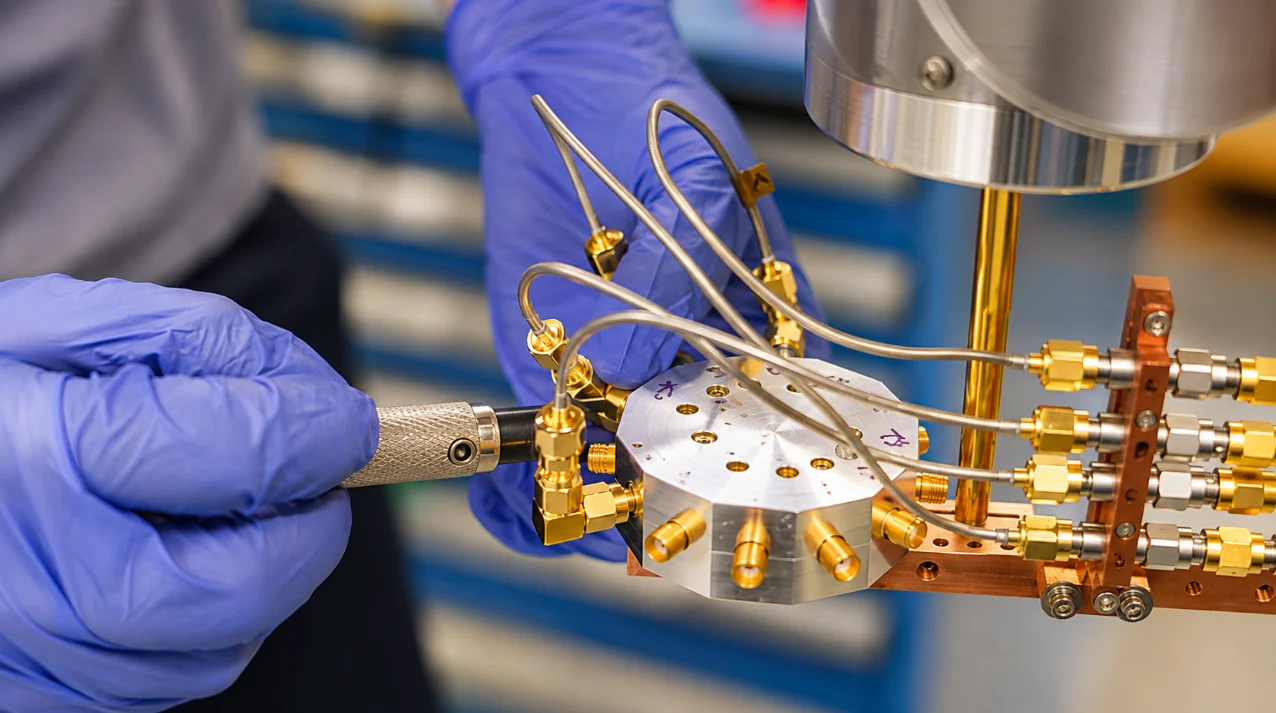
University of Chicago and Tohoku University Establish Quantum Research Partnership
The University of Chicago and Tohoku University have launched a five-year partnership in quantum research. Two dedicated labs will open at Tohoku in Sendai. The universities will support student and faculty exchanges, shared research, and access to research facilities. They also plan to help quantum startups grow.
Vote for your greatest all-British boxing fight
The BBC looks back at five all-British boxing contests. They include bitter rivalries, disputed decisions and dramatic knockouts. Readers are invited to choose the greatest fight. The short description does not name the boxers or venues.