Latest News
Positive stories from around the world · Good news by country
Showing 34993–35016 of 37359 articles

Irish bog plant revives ancient remedy as a new weapon vs superbugs
Researchers in Ireland have found promising evidence that a traditional healing plant called tormentil may help fight antibiotic-resistant bacteria. The team tested extracts from over 70 plant species collected from Irish bogs. They discovered tormentil not only killed bacteria but also helped existing antibiotics work better at low doses. The plant contains compounds called ellagic acid and agrimoniin, which work by stealing iron from bacteria—starving them to death.

Astronomers find evidence for three subpopulations of merging black holes
Scientists using the LIGO-Virgo-KAGRA detectors found that black holes that merge in space come in three clear types. The biggest group, making up 79% of all mergers, involves pairs of lighter black holes with aligned spins that likely formed from aging star pairs. A smaller group at 14.5% features medium-weight black holes with mixed spin patterns, possibly born in crowded star clusters. The rarest group at just 2.5% has heavier, unevenly matched black holes with complex wobbling, suggesting they grew through repeated mergers.
'She kicked me in the head' - Moloney-MacDonald's on facing each other for the first time
Claudia and Cliodhna Moloney-MacDonald, a married couple, faced each other as opponents for the first time in the Women's Six Nations. England defeated Ireland 33-12 in the match held at Allianz Stadium in London. The game attracted a record crowd for a Women's Six Nations match, highlighting the growing popularity of women's rugby. The couple shared an emotional moment on the field, celebrating their unique sporting milestone together.

Antidepressant unable to prevent chemotherapy-associated nerve damage
Researchers tested whether duloxetine, already used to treat nerve pain from chemotherapy, could prevent that pain before it starts. The trial divided 199 colorectal cancer patients into three groups: those taking 30mg duloxetine, 60mg duloxetine, or a placebo. All participants received oxaliplatin chemotherapy and were tracked for 17 weeks. Neither drug dose prevented neuropathy better than placebo, confirming the drug works for treatment but not prevention.

New biological marker of early-stage Alzheimer's disease uncovered
Scientists in China have found a new way to spot Alzheimer's disease early by looking at the brain's smell circuits. Researchers at Shenzhen MSU-BIT University and Children's Hospital of Chongqing Medical University discovered that connections between two brain regions weaken during early Alzheimer's. These regions handle processing smells and forming memories. The experiments on mice showed that stimulating these brain circuits with light could restore smell memory.
Grand National 2026 result: Where your horse finished
I Am Maximus claimed victory at the 2026 Grand National held at Aintree Racecourse near Liverpool. Paul Townend rode the winning horse at odds of 9-2 favourite. Iroko finished second with jockey Jonjo O'Neill Jr, while Jordans took third place. The event is one of Britain's most-watched sporting occasions.
Coral Reefs News -- ScienceDaily
Scientists transplanted red coral colonies to the seabed of Spain's Medes Islands ten years ago. Those corals have survived and grown, looking very similar to natural coral communities. The project shows that human-assisted coral restoration can work over long periods. The Medes Islands marine reserve has become a proving ground for ocean conservation.

High-resolution imaging captures cavity-induced density waves in a quantum gas
Researchers developed a high-resolution microscope combining real-time photon detection with absorption imaging. They placed an ultracold unitary Fermi gas inside an optical cavity, where laser light causes atoms to self-organize into patterns called density waves. The team tracked the formation of these waves in real time, observing long-range spatial correlations and uniform patterns across the cloud. This breakthrough technique could enable new studies of quantum dynamics and photon-atom interactions.
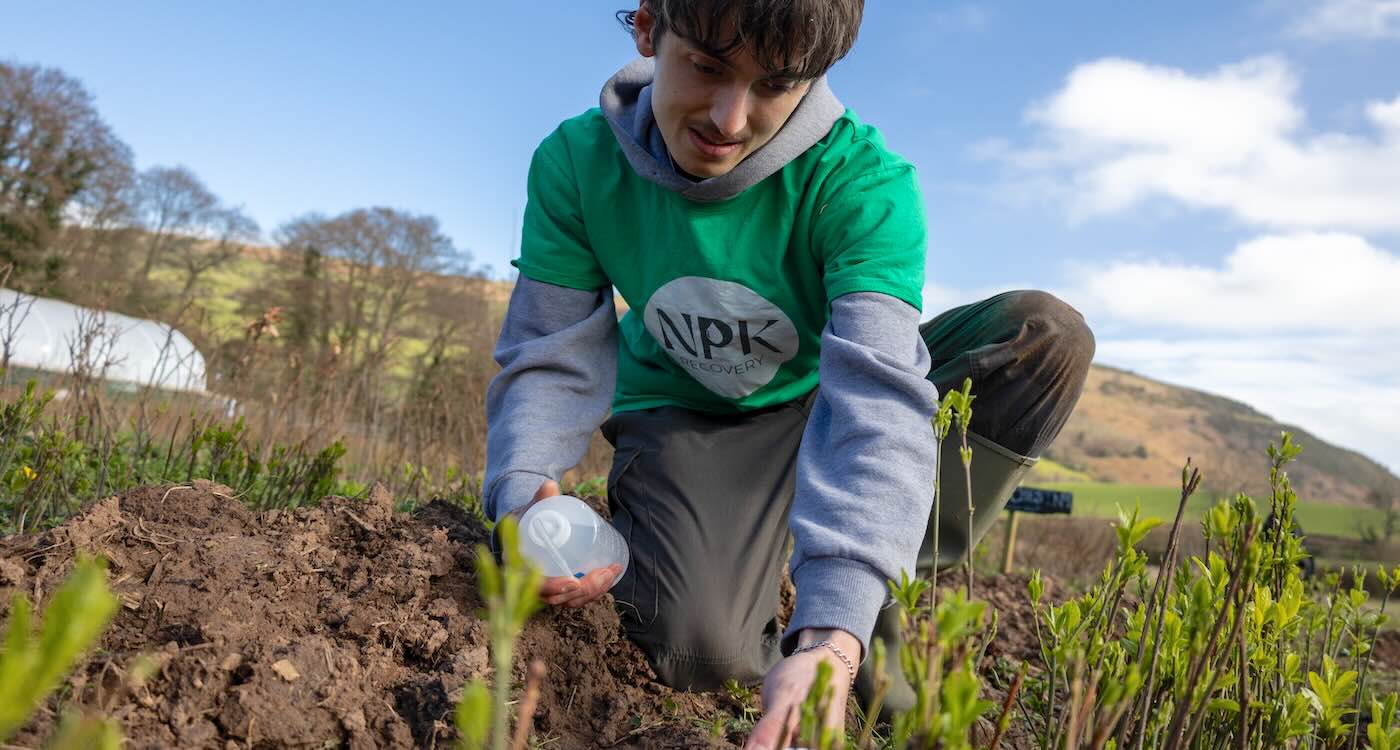
Urine From Music Festival Toilets is Fertilizing a New Biodiverse Forest With Odor-Free Nutrients
A new forest is growing in Wales thanks to an unexpected fertilizer—pee from music festivals. Bristol-based startup NPK Recovery collects urine from events like Boomtown, Bristol Pride, and the London Marathon. The company processes it on-site in a small mobile unit, turning the waste into odorless fertilizer using natural bacteria. The first tree, a Scots pine, was planted in February in Brecon Beacons National Park. Over three years, 4,500 native British trees like beech will grow here, supported by a UK government grant of nearly $500,000.
Endangered Animals News -- ScienceDaily
This roundup of endangered animal research showcases hopeful conservation stories alongside scientific discoveries. Koalas are bouncing back after a devastating population crash that left them with low genetic diversity, with their DNA now recovering. Humpback whale populations are recovering in ways that are changing paternity patterns among calves. DNA research is revealing that many animals once thought to be one species are actually several hidden species.
May hat-trick helps holders Hull KR thump York in cup
Hull Kingston Rovers comfortably beat York Knights to reach the Rugby League Challenge Cup semi-finals. The match was played at Craven Park in Hull. Tyrone May scored his first hat-trick in his 12-year senior career. Rovers scored six tries to York's two in a dominant performance.
England beat Ireland in front of record Women's Six Nations crowd
England defeated Ireland 52-0 in their Women's Six Nations title defence at a packed Allianz Stadium. A record 77,120 fans turned up — smashing the previous women's rugby mark of 58,498 set in 2023. The Red Roses extended their remarkable winning streak to 34 consecutive Test victories. England's dominant performance included tries from Amy Cokayne, Sarah Bern (2), Jess Breach, and Ellie Kildunne.
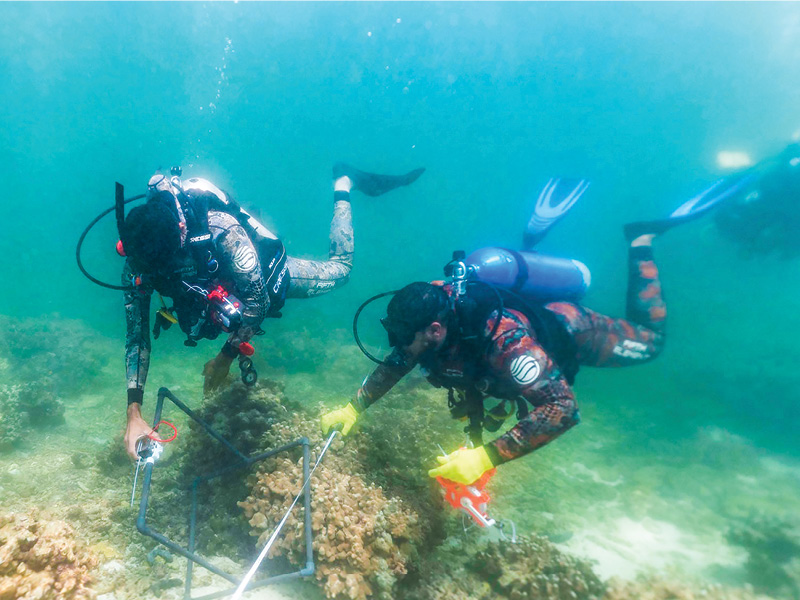
EA launches coral reef restoration project in Daymaniyat Islands
Oman's Environment Authority is working to bring coral reefs back to life in the Daymaniyat Islands Nature Reserve. They plan to plant 600 to 1,000 coral fragments using direct implantation techniques. The work responds to climate change and rising sea temperatures that damage reefs. Scientists from Sultan Qaboos University will monitor growth and survival rates, with results shared to guide future reef projects.
I Am Maximus is first horse since Red Rum to regain Grand National
I Am Maximus won the Grand National at Aintree for the second time, making history as the first horse since Red Rum in 1977 to regain the famous trophy. The 9-2 favourite finished ahead of Iroko, Jordans and Johnnywho to give trainer Willie Mullins his third consecutive victory in the race. Mullins became only the second trainer since Vincent O'Brien (1953-1955) to win three years in a row, and owner JP McManus now has four wins in the race's history.

Coffee's sweet spot may help mental health in the long run
Researchers at Fudan University tracked 461,586 people from the UK Biobank for an average of 13.4 years. They found that drinking two to three cups of coffee per day was linked to the lowest risk of mood and stress disorders. The pattern followed a J-shaped curve — benefits were highest at moderate levels and lower at both extremes. More than 18,000 new cases of mood disorders and 18,000 cases of stress disorders were recorded during the study, providing a rich dataset for analysis.

Pompeii, training internships aimed at Botticino School of Restoration kick off
Fourteen students from the Botticino School of Restoration in Italy will train at Pompeii Archaeological Park through a new internship program. The 7-week cycles involve 250 hours of practical work, with students learning maintenance of frescoes, mosaics, and decorated surfaces under expert guidance. The program, run in partnership with Ales S.p.A. and Valore Italia, treats the ancient site as an open-air classroom.

Study finds no increased risk of respiratory cancers from asbestos-free talc exposure
Scientists at Stony Brook University reviewed 28 studies on talc workers and found no link between asbestos-free talc and respiratory cancers. The research examined lung cancer, mesothelioma, and laryngeal cancer across miners, millers, and other industrial workers. All measured risk levels were close to normal, providing relief for occupational health concerns. The study recommends continued monitoring but confirms current evidence is reassuring for workers using pure talc.
Scott 'amazing' for months - Iraola
Bournemouth pulled off a major upset by beating Arsenal 2-1 at the Emirates Stadium. Alex Scott scored the decisive goal to hand the league leaders only their second defeat of the season. Manager Andoni Iraola described Scott as "amazing" in the aftermath of the victory. The win marks a memorable result for the mid-table Cherries against one of England's top clubs.

Microbial hockey: Scientists discover how bacteria rotate tiny pucks
Researchers at the Institute of Science and Technology Austria found that E. coli bacteria can spin micro-sized disks without touching them. When placed in water, the bacteria create dynamic currents called an 'active bath' that power clockwise rotation. The team used a 3D nanoprinter to create smooth, symmetrical disks to test their theory. This discovery contradicts earlier assumptions that only asymmetrical shapes could spin when exposed to swimming bacteria.

Researchers map prostate immune niches, showing T cells persist months in mice
Researchers have discovered that T cells travel to the prostate and remain there for months or even years, providing ongoing protection against infections. The scientists used advanced single-cell and spatial immunology techniques to chart exactly how these tissue-resident memory T cells behave in prostate tissue. The prostate acts as a barrier against pathogens entering through the urethra. More than 35,000 men in the United States die from prostate cancer each year, and this research points toward potential new immunotherapy treatments.

How to Build Better Digital Twins of the Human Brain
Scientists found that computer models of the brain need competition between regions, not just cooperation. Their study analyzed 14,000 brain scans and compared three species: humans, monkeys, and mice. Models that let brain regions compete for resources performed better at mimicking real brain activity. This discovery could help create better personalized brain twins for testing medical treatments without risking patients.
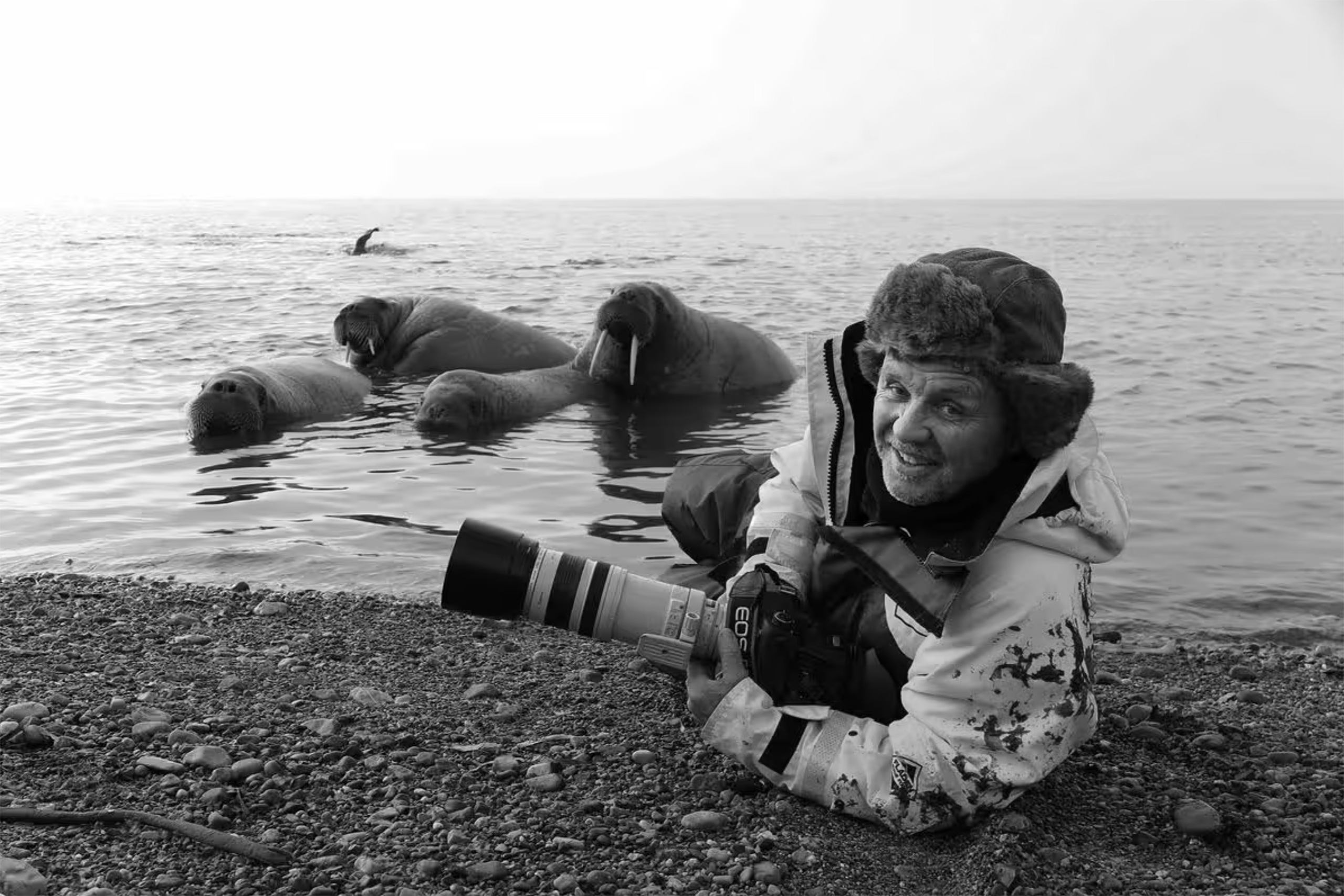
Doug Allan, wildlife cameraman who filmed animals in extreme environments
Doug Allan, a Scottish wildlife cameraman who spent decades filming in Antarctica and polar regions, has died at age 74. Trained as a marine biologist and diver, he was redirected into filmmaking after a chance meeting with David Attenborough in Antarctica in the early 1980s. He became a principal cameraman on landmark BBC series including The Blue Planet, Planet Earth, and Frozen Planet.

Study suggests decriminalization could improve safety for independent sex workers under Bill C-36
A study from Université de Montréal in Canada examined 13 independent sex workers and found that current laws under Bill C-36 make them more vulnerable to violence and stigma. Ten of the 13 participants held university degrees, and most viewed themselves as entrepreneurs managing their own businesses. The researchers argue that decriminalization—rather than criminalization—would reduce harm by allowing workers to access support services and report abuse without fear of legal consequences. The study was published in the journal Criminologie.

Two simple eating habits linked to lower weight, study finds
Scientists at the Barcelona Institute for Global Health studied over 7,000 adults aged 40-65 for five years to understand how meal timing affects weight. They found that extending the overnight fasting period and eating breakfast early were linked to lower body mass index (BMI) over time. The team believes this works because eating earlier in the day matches the body's internal clock, improving how the body burns calories and regulates hunger.