Latest News
Positive stories from around the world · Good news by country
Showing 35257–35280 of 37356 articles

Senator John Hoffman Leads Senate Passage of Bill Renaming Community Solar Garden Program in Honor of Melissa Hortman | Minnesota Senate DFL
Minnesota has renamed its Community Solar Garden Program after Melissa Hortman, the former Speaker Emerita who helped start the program in 2013. The state Senate voted 59-7 to approve the change, honoring her work that helped make Minnesota a national leader in clean energy. Senator Hoffman praised her legacy, saying the program became a model for other states.

Liquid-like histone H1 'glues' nucleosomes, reshaping how DNA compacts
Your body's DNA is incredibly long—about 2 meters if stretched out—but it somehow fits inside cell nuclei only 10 micrometers wide. Scientists used to think a protein called histone H1 locked DNA into stiff fibers to compact it. New research from Japan and the UK shows H1 actually acts like a liquid glue, gently holding DNA strands together while keeping everything flexible. This dynamic packaging lets cells read their DNA instructions even while everything is packed tightly.
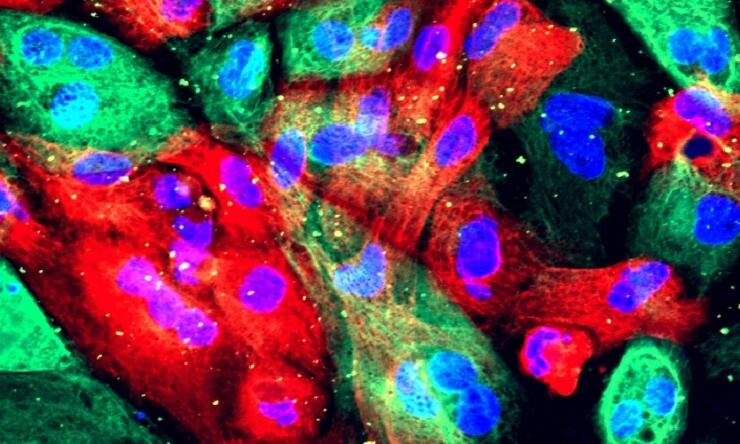
Long non-coding RNA may be a promising therapeutic target for cancer
Researchers at Northwestern University discovered a molecule called IGF1R-AS1 that helps prostate and lung cancers grow. This long non-coding RNA activates the MYC oncogene through a special genetic interaction, driving tumor growth. The key finding: this RNA only appears in tumors, not in healthy tissue. Scientists hope targeting this RNA could provide a new way to treat cancers that have been difficult to drug until now.

The good life requires two things, self‑knowledge and friends. You can't have one without the other
A philosopher argues that good friends are essential for knowing yourself. Drawing on Aristotle's ideas from over 2,000 years ago, the author suggests that happiness requires both self-knowledge and true friendship. The story of two lifelong friends, Cindy and Ann, illustrates how comparing friendship styles can spark personal growth. Aristotle taught that the highest form of friendship—based on virtue—can last a lifetime and is key to living well.

New method provides clearer view of how genome functions in cancer
Researchers at the University of Minnesota Medical School created PARTAGE, new lab method that studies how the genome works in cancer cells. Normally scientists must run separate tests to three different features of DNA: when it gets copied, changes in gene count, and gene activity. PARTAGE puts all three tests together in one experiment, This makes it easier to see how these processes connect and influence each other. The team showed the method works just as well as current gold-standard methods.
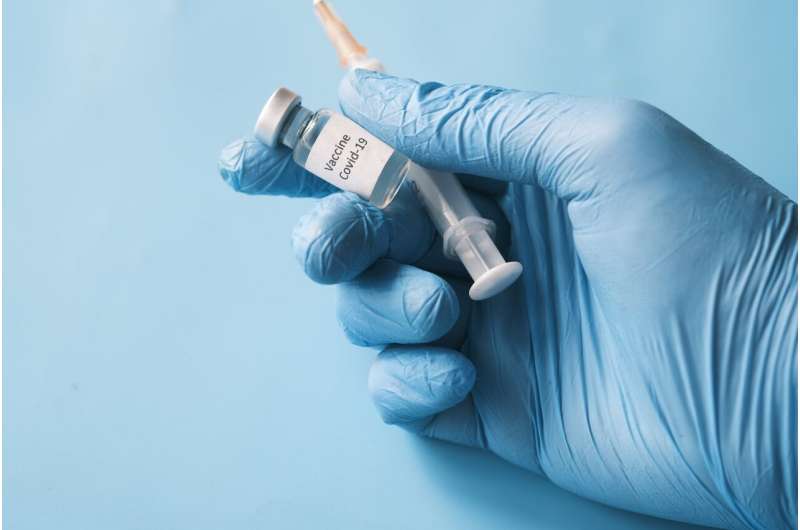
Who should get the vaccine first? Lessons from the pandemic
Researchers at Wageningen University & Research found that considering social inequality in vaccine distribution could have saved more lives during COVID-19. Their study, published in Social Science & Medicine, used computer modeling on English data over 600 pandemic days. They propose a "threshold policy" prioritizing people in vulnerable areas within each age group, reaching 70% coverage before moving to less vulnerable groups.
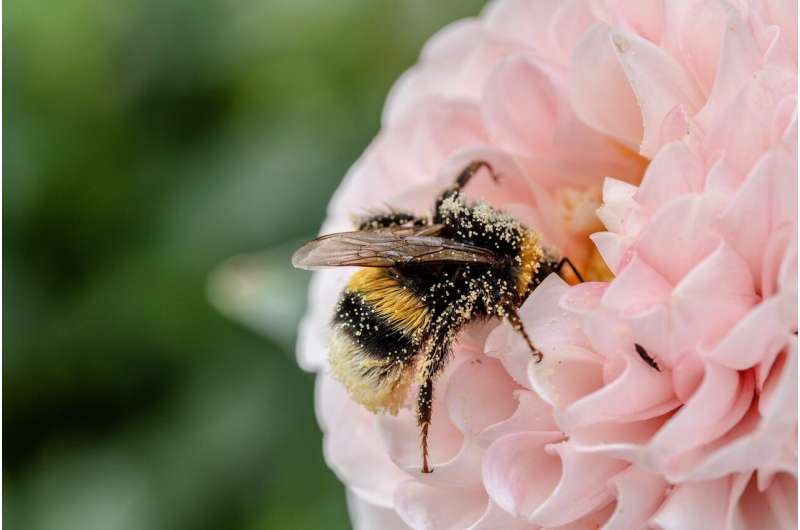
It's OK to love all the bees (the honey bees, too)
Scientists are reassuring bee lovers that honey bees aren't to blame for declining native bee populations. Research from 116 studies found that only 15% showed measurable negative effects from honey bee competition for food and resources. North American bees face real threats from habitat loss, disease, and climate change, but these challenges affect all pollinators. Bees contribute an estimated $34 billion yearly to the US economy by pollinating crops, supporting 75% of agricultural plants.

Hydroxyl radicals in UV-exposed water reveal surprising reaction pathway
Scientists in Germany have uncovered a surprising mechanism in how hydroxyl radicals form and react in sunlit water. These radicals are harmful molecules found in rivers, lakes, and even human cells, where they cause damage and aging. Using BESSY II's powerful X-rays and a clever chemical "trick," researchers tracked the radical reactions in real time. They discovered the reactions happen through electron transfer—not the intermediate state scientists expected.
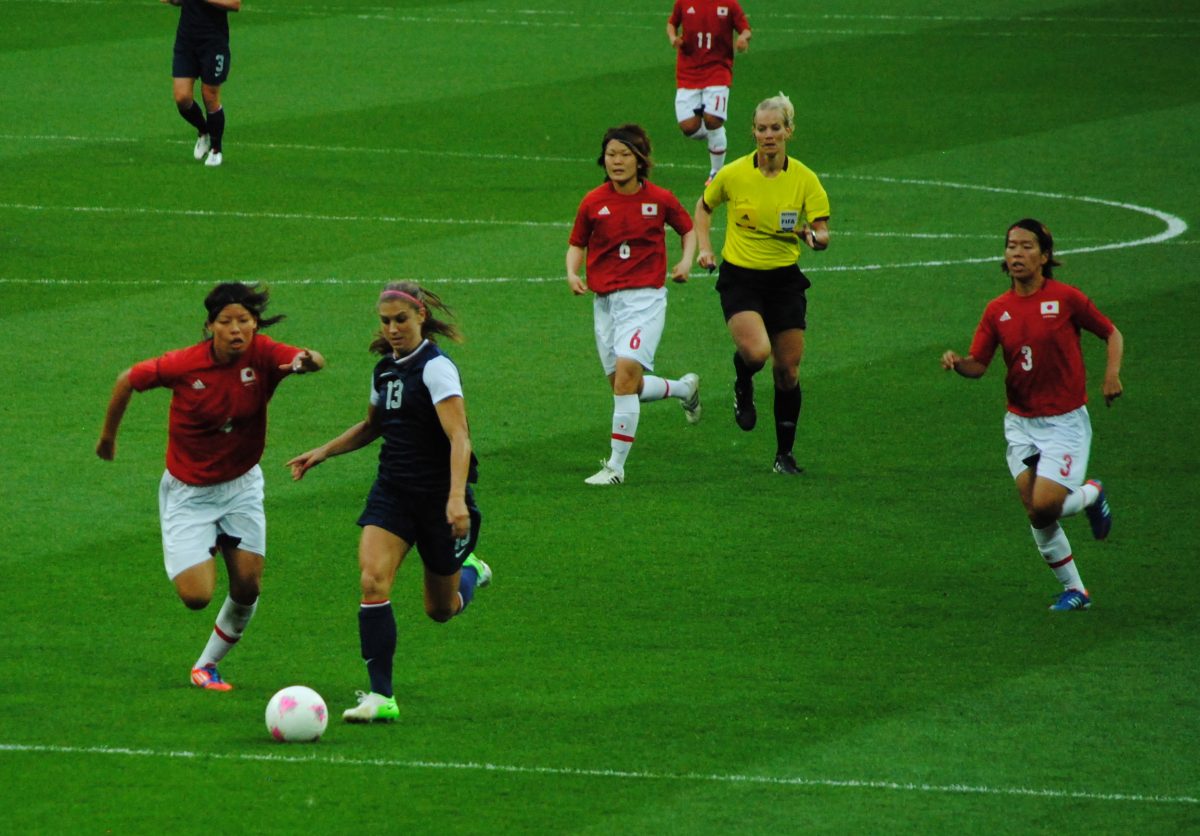
Women’s Sports Are About to Hit $3 Billion—Here’s What’s Driving It
Women's elite sports are on track to hit $3 billion in global revenue by 2026, a huge 25% jump from 2025. The industry has exploded with 340% growth since 2022. North America leads the way, bringing in $1.64 billion in 2025, while Europe added $434 million. Basketball and soccer drove most of the $2.4 billion earned in 2025. Experts say reaching $3 billion would cement women's sports firmly in the spotlight.
McIlroy hits three birdies in a row to move into joint lead
Rory McIlroy got off to a flying start at The Masters on Thursday. The Northern Irish golfer made three birdies in a row during his opening round at Augusta National. This strong stretch of play put him in a share of the lead after day one. The Masters is the first major championship of the golfing year.

Why fatty liver results can mislead: RNA changes often fail to predict proteins
Researchers at IRB Barcelona and Clinic-IDIBAPS have made a breakthrough in understanding fatty liver disease. They found that regulation controlling how genetic messages become proteins affects 70% of genes involved in the liver's response to excess fat. Previously, scientists focused on RNA levels, but this study shows protein production is where the real action happens. The team also identified CPEB4, a protein that acts as a central regulator allowing liver cells to adapt under stress.

People use the same neurons to see and imagine objects, study shows
Researchers at Cedars-Sinai found that the same brain neurons fire when we see something and when we imagine it later. In the study, 16 patients viewed and then imagined images while scientists recorded their brain activity. About 40% of the neurons that responded to seeing objects also reactivated during imagination. The research reveals a 'code' the brain uses to recreate visual memories, and scientists say it could lead to new therapies for mental health conditions like PTSD and OCD that involve unwanted vivid imagery.

AI model links mental health to type 2 diabetes
A UK research team built a new AI tool called a "digital twin" that simulates how lifestyle factors affect long-term diabetes risk. Analyzing 19,774 adults over 17 years, they found that loneliness, insomnia and poor mental health each raised diabetes risk by 35 percentage points individually. When all three combined, the risk jumped by 78 percentage points — more than diet alone. Since the model needs no blood tests, researchers say it could help health services spot high-risk people cheaply and design early prevention programs.

A smarter way to build vaccines: Scientists harness AI to target emerging alphaviruses
Scientists at The University of Texas Medical Branch built an AI pipeline to speed up vaccine development against mosquito-borne viruses called alphavirus. Lab tests confirmed the vaccine candidates trigger human immune cells. The pipeline identifies small protein fragments that can train the immune system to recognize and fight these viruses. Researchers validated dozens of epitopes using mouse and human immune cells.

Gut bacteria linked to levels of latent HIV
Researchers at Karolinska Institutet in Sweden studied 30 people living with HIV who were on antiretroviral treatment. They found that the mix of bacteria in participants' guts seemed to connect to how much dormant HIV remained in their blood. Certain gut bacteria, including Faecalibacterium prausnitzii, were more common in people with smaller viral reservoirs. Other bacteria, like Prevotella copri (linked to inflammation), showed up more often in people with larger reservoirs.

How the blood-brain barrier opens: Two proteins may guide future drug delivery
Researchers led by Jiefu Li at Janelia Research Campus developed a new method to study proteins on the inner surface of brain blood vessels. They identified two proteins involved in opening and closing the blood-brain barrier — the protective wall that blocks most medicines from entering the brain. This breakthrough could help scientists deliver drugs to treat neurological diseases like Alzheimer's and Parkinson's. The study was published in the journal Science.
Study rethinks the dropout-crime connection
Researchers from the University at Buffalo have released a study challenging the blanket view that dropping out of school leads to crime. The study, published in Emerging Adulthood, used data from 6,700 young people followed from ages 12 to 27. It found that students pushed out of school through suspension or feeling unwelcome had higher criminal involvement than those who left for family or economic reasons. The research suggests schools could improve outcomes by addressing why students leave and providing better support.

Decoy molecules trick soil bacteria into attacking persistent pollutants without genetic engineering
Researchers at Nagoya University in Japan discovered a clever way to clean polluted soil using natural bacteria. They found that adding "decoy molecules" fools bacteria into breaking down toxic chemicals like dioxins and benzene—substances the bacteria normally cannot digest. The decoys mimic the bacteria's natural food, binding to enzymes and creating a tight space where pollutants can be processed. In tests, one bacterium called Bacillus subtilis completely broke down dioxin-like compounds in just 2 hours.
Scheffler shows intent with eagle at second
Scottie Scheffler, the world's number one golfer, rolled in an eagle at the second hole during a recent round at Augusta National Golf Course in Georgia. An eagle means he completed the par-five hole in just three strokes — two under the expected score. His 18-foot putt dropped into the cup to complete the shot. Scheffler is currently ranked first in the Official World Golf Ranking.
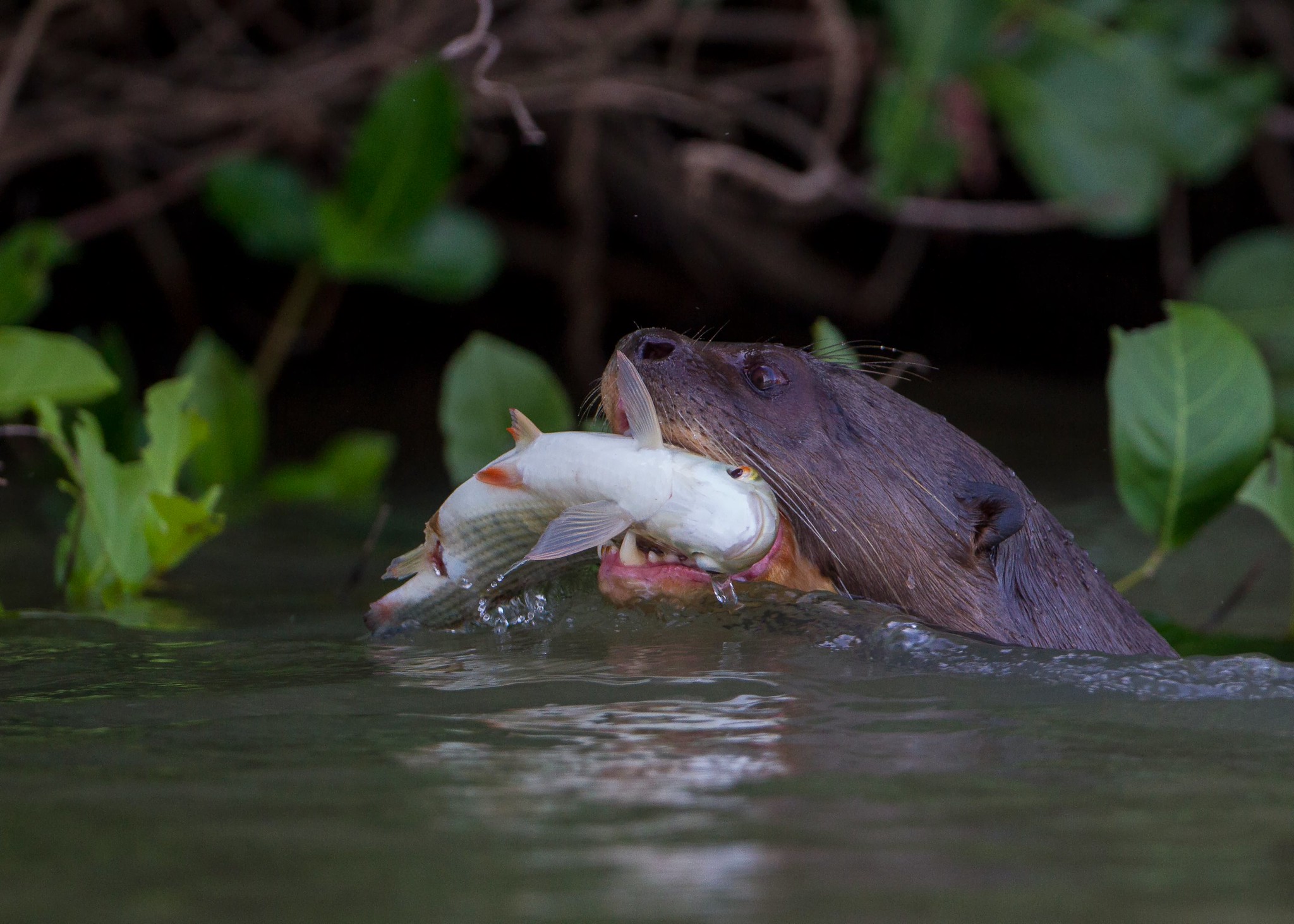
Giant otters, river sentinels, now listed as threatened migratory species
Giant otters, the world's largest otter species, have been listed for international protection under a United Nations treaty. Delegates at the CMS meeting in Brazil's Campo Grande added the species to its appendices in March 2026. The listing requires countries to coordinate conservation efforts across South America. The otters, once found from Venezuela to Argentina, have lost half their population in just 25 years. Their habitats span the Amazon and Pantanal wetlands, where they serve as crucial indicators of river ecosystem health.
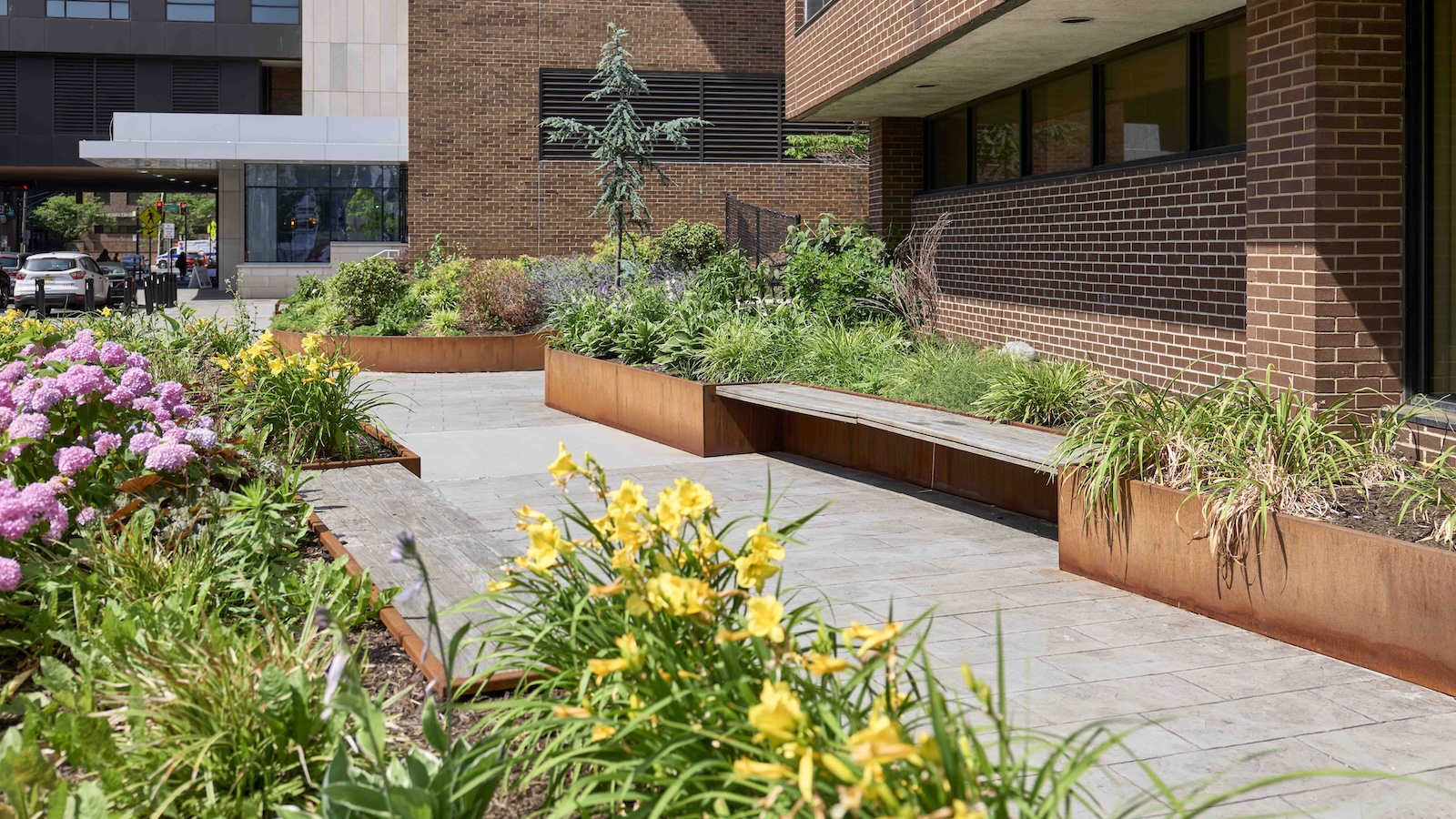
Pocket gardens: The tiny urban oases with surprisingly big benefits | Grist
Pocket gardens are small green spaces engineered into cities that punch above their weight. They cool scorching streets by releasing water vapor, scrub harmful pollution from the air, and absorb heavy rainfall before it overwhelms sewers. Native plants attract pollinators and need less water to thrive. Though tiny, these oases bring people together, encouraging a shift from cars to pedestrian spaces where neighbors can connect.

This giant virus just gave up its atomic blueprint
Scientists have mapped the detailed structure of Melbournevirus for the first time ever. Using cryo-electron microscopy (cryo-EM), they achieved a resolution of 4.4 Å—extremely detailed for this type of virus. Melbournevirus is an icosahedral giant virus with a capsid about 250 nm wide, making it roughly 25 times larger than typical viruses. The breakthrough, led by researchers in Japan, Sweden, and France, could advance our understanding of viral evolution, infection mechanisms, and even help design better drug delivery systems.

AI-powered portable sensor enables rapid and multiplexed cardiac biomarker testing
Heart attacks kill nearly 20 million people yearly. Now UCLA scientists built a device that finds 3 key heart markers fast, using just a tiny drop of blood. The tool combines two types of light detection and AI to spot heart damage proteins accurately. Instead of waiting days in a hospital lab, doctors could get answers in minutes at the bedside.

Plant-inspired water membrane filters CO₂ with constant selectivity and adjustable permeance
Scientists have created a new type of membrane that separates carbon dioxide from gases like nitrogen and methane. Inspired by how plant leaves absorb CO₂ through tiny water-filled channels, the membrane uses liquid water trapped in nanometer-scale pores. The design solves a long-standing problem where making membranes let more gas through usually meant losing the ability to filter precisely. The membrane stays stable under high pressure and could offer a greener, cheaper way to capture carbon emissions.