Latest News
Positive stories from around the world · Good news by country
Showing 35809–35832 of 37354 articles

Novel treatment protocol targets the deadliest cases of C. difficile infection
Scientists at the University of Minnesota Medical School have shown that fecal microbiota transplantation (FMT) can save lives in the most severe C. difficile infections. The study focused on fulminant C. diff—a deadly form that causes a sepsis-like state throughout the body. FMT works by restoring healthy gut bacteria to fight off the infection. Published in Clinical Gastroenterology and Hepatology, the findings offer new hope for patients facing this dangerous condition.

'Switch' behind flash drought in Puerto Rico uncovered
Puerto Rico is known for heavy rain and hurricanes, but drought here can strike fast—sometimes in just days. New research from Virginia Tech has uncovered the weather mechanism behind these "flash droughts." The quick onset can catch communities off guard, leaving reservoirs dropping and water restrictions in place before anyone can react. Scientists hope this understanding will help the island prepare better for future droughts.

Stitching precise patterns—with lasers
Engineers at the University of Pittsburgh have invented a new way to make flexible graphene sensors using lasers and polymers. Graphene is an ultrathin carbon material that conducts electricity well, making it ideal for sensors. By applying iron-oxide ink before laser processing, the team can now control exactly where and how thick the graphene forms. This could lead to better brain sensors and implantable medical devices, all without expensive manufacturing steps.

Recent Medicaid expansions sharply increased access to treatment for opioid use disorder, researchers find
Medicaid insurance expansions between 2017 and 2023 have yielded significant increases in access to medication-based treatment for opioid use disorder, according to research from Rutgers Health published in JAMA Network Open. The study demonstrates that expanded Medicaid coverage led to meaningful population-level increases in the use of buprenorphine, a proven medication for treating opioid use disorder. This expansion represents an important policy intervention during a period when fatal overdoses continued to rise, helping more people access potentially life-saving treatment options.

ER screening tool accurately predicts firearm violence risk among young adults
A study published in a medical journal found that the SaFETY score can meaningfully predict the risk of interpersonal firearm violence among young adults within 12 months. The tool assesses four key factors: recent serious fighting, whether friends carry weapons, neighborhood environment, and exposure to firearm threats. Emergency departments can now use this simple screening to identify at-risk patients early and connect them with preventive support services.

Body size, lifespan and mobility can help predict which species are most threatened as planet changes
A groundbreaking study from Yokohama National University reveals that simple biological traits can unlock predictions about species vulnerability to climate and environmental change. By analyzing body size, lifespan, and mobility across species, researchers have developed a powerful framework for identifying which animals face the greatest extinction risk. This discovery, published in Nature Communications, could revolutionize conservation strategies by allowing scientists to proactively protect the most threatened species before they face crisis. The findings suggest that understanding these key traits enables better anticipation of biodiversity loss patterns, offering hope for more effective and targeted environmental protection efforts globally.

First-in-class molecules dial down inflammation without compromising immunity
Scientists at Scripps Research in California have developed ENDOtollins, a new class of drug compounds that reduce harmful inflammation without compromising the body's ability to fight infections. The compounds work by interrupting a molecular handshake between two proteins inside immune cells. This approach could lead to more targeted treatments for autoimmune diseases like lupus and rheumatoid arthritis. The research was published in the journal Nature Chemical Biology.

Mechanical inputs boost diamond quantum sensor states as Q factor tops one million
UC Santa Barbara physicists have developed diamond quantum sensors with a quality factor exceeding one million. Physicist Ania Bleszynski Jayich leads the research at the UC Quantum Foundry, where diamonds are grown specifically for these experiments. Diamond sensors are more practical than other quantum technologies because they require far fewer quantum bits to function effectively.

New therapeutic target identified for neuroendocrine tumors in the gastrointestinal tract
Scientists have discovered a new therapeutic target for neuroendocrine tumors in the gastrointestinal tract. These tumors are rare and slow-growing, arising from special cells that function as both nerve cells and hormone-producing cells. These unique cells are found throughout the body, including in the stomach, intestines, pancreas, and lungs. The discovery could lead to new treatment approaches for these uncommon cancers.

Analysis finds geometric thinking may come from wandering, not a human-only math module
Scientists have long believed that only humans have an innate sense of geometry, a view dating back to Plato. However, a new analysis by Moira Dillon, a psychology professor at New York University, challenges this assumption. The research finds that animals ranging from rats to chickens to fish also demonstrate geometric thinking abilities. This discovery suggests that the foundations of geometry may have evolved far earlier than previously thought and are shared across many species.

Setting standards of care for brain injuries in first responders
Sports concussion care has come a long way in 25 years. Once seen as a minor issue requiring little rest, a severe knock to the head is now treated as a potential traumatic brain injury. When confirmed, it requires a proper recovery plan and athletes must wait an average of 13 days before returning to play. This shift reflects better medical understanding and safer standards for protecting brain health.
McKibbin savouring 'surreal' first Masters week
Tom McKibbin, a professional golfer from Holywood in Northern Ireland, is experiencing a career milestone this week as he prepares to compete in his first ever Masters Tournament at Augusta National Golf Club in Georgia. The 26-year-old described the moment of driving down Magnolia Lane, the iconic entrance to the famous course, as "surreal." The Masters is one of golf's four major championships, and McKibbin has earned his place among the world's best players at this prestigious event.

How to eat an elephant: Fossil find in Tanzania shows oldest signs of butchering these giant mammals
A team of scientists has uncovered fossil evidence in Tanzania's Olduvai Gorge showing our ancient ancestors hunted and butchered giant prehistoric elephants nearly 2 million years ago. The species, Elephas recki, weighed up to 6,000 kg—roughly twice the size of modern African elephants. This find represents the oldest known example of humans actively hunting and consuming these enormous animals. Researchers say the discovery helps paint a clearer picture of early human survival strategies and diet.

Spring cold snaps harm nesting tree swallows, but some show resilience
A 40-year Cornell University study reveals tree swallows now nest up to two weeks earlier than in the 1970s due to climate-driven warming. Scientists found early spring cold snaps can still hurt or kill baby birds even as overall temperatures rise. The research, spanning four decades, documents both the challenge of climate timing mismatches and signs that some swallow populations show resilience to unpredictable spring weather.

Rating community resilience with a deep learning framework
A new deep learning framework offers a more sophisticated approach to assessing community resilience in the face of natural disasters. Unlike current assessment methods that evaluate factors like power grids and communications systems independently, this AI-driven framework considers how these systems interconnect and affect overall community vulnerability. The advance promises better protection for civilians and critical infrastructure during hurricanes, earthquakes, and other natural hazards by providing more accurate resilience ratings that account for cascading effects across multiple systems.

This is your brain on psychedelics: Neuroimaging study sheds light on cortical network effects
Scientists have conducted a major brain imaging study to understand how psychedelic drugs affect the brain. By combining data from multiple research centers, they hope to overcome inconsistencies found in earlier smaller studies. The research focuses on 'functional connectivity'—how different brain regions work together over time. This large-scale approach may finally reveal reliable patterns in how psychedelics influence the brain.
Irwin feels he has 'new lease of life' in BSB
Andrew Irwin from County Antrim, Northern Ireland, has revealed that losing his Honda Racing ride at the end of the 2025 British Superbike season caused him "sleepless nights." The motorcycle racer spoke about his career setback in a BBC Bikes Podcast interview. Despite the difficult period, Irwin says he now feels he has a "new lease of life." This marks a personal recovery story from adversity in professional motorsport.

Data platform unifies blood cancer 'omics' and clinical data to accelerate discovery
Scientists built a powerful new data platform at St. Jude Children's Research Hospital that puts blood cancer research data all in one place. The system combines genetic blueprints, gene activity measurements, and medical records from nearly 6,000 patients. Three major institutions collaborated on this project. The platform includes built-in analysis tools, making it easier for scientists to find patterns and accelerate new discoveries.

Detecting multiple cancers and other diseases from a single blood sample
UCLA researchers developed a new blood test that can detect multiple cancers, liver conditions, and organ problems from just one sample. The test works by analyzing tiny DNA fragments that float in the bloodstream. Early studies published in the journal PNAS show promising results. Scientists say this simple, affordable approach could change how we catch diseases early.

Origins of Earth's most powerful ocean current revealed
Scientists have revealed when and how Earth's most powerful ocean current began flowing. The Antarctic Circumpolar Current formed about 34 million years ago when Antarctica separated from South America. This massive current circles Antarctica completely, uninterrupted by land. It moves 100 times more water than all the world's rivers combined and plays a key role in regulating Earth's climate.
'Quiet and steady' - how Lincoln's promotion was 20 years in the making
Lincoln City FC has secured promotion to the Championship, marking the end of a remarkable 20-year journey. The club, once on the brink of disappearing, rebuilt itself through leadership changes from Keith Alexander through the Cowleys to the current setup. The story highlights how patience, steady progress, and community support transformed the Imps into a stable, successful club. Lincoln now joins the second tier of English football, a testament to long-term planning and perseverance.

Scientists identify potential new target for disrupting mosquito reproduction
Scientists have cracked a decades-old puzzle about how mosquitoes reproduce. They discovered that juvenile hormone, which is essential for mosquito reproduction, only needs one receptor to function—not two as experts once believed. This breakthrough could help researchers develop new ways to control mosquito populations. Fewer mosquitoes mean fewer diseases like malaria, dengue, and Zika spreading to people.
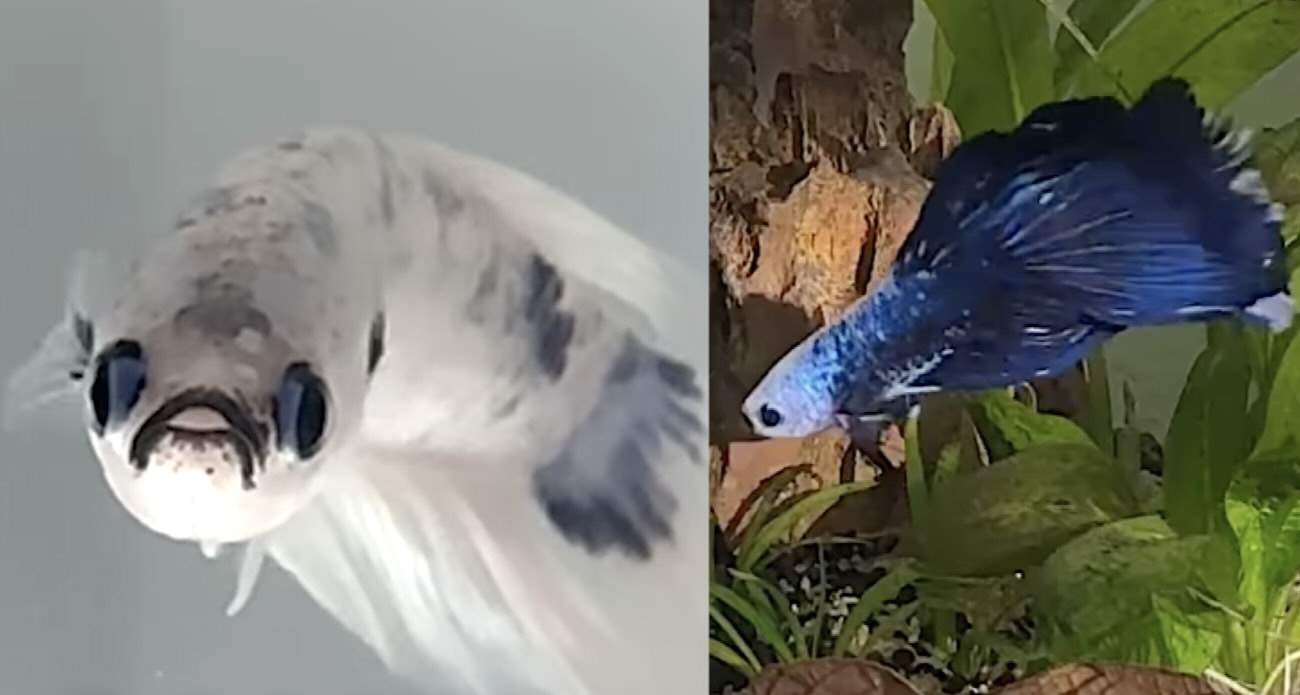
Betta Fish Turns Vivid Blue When Happy Again–After Moving From Pet Shop Jar to Caring Home (WATCH)
A woman who has spent 15 years raising beautiful betta fish rescued a depressed, dull-colored betta named Stevie from a pet shop cup. After giving him proper care and a loving home, Stevie transformed into a stunning electric blue color. The dramatic color change was captured on video, showing how animals can thrive when given the right conditions.

Why cats stop eating—it's not just fullness
Researchers say cats often leave food unfinished because they evolved from a solitary hunter. Their wild ancestor, the African wildcat, captured small prey throughout the day. This explains why domestic cats prefer multiple small meals rather than one big feeding. The behavior reflects their evolutionary history as independent hunters, not pickiness.