Latest News
Positive stories from around the world · Good news by country
Showing 35761–35784 of 37354 articles
Lawes 'out of England retirement' and joining Sale
Courtney Lawes, an England rugby legend, has announced he is "officially un-retiring from international duty." The 35-year-old lock forward previously announced his England retirement after the 2023 World Cup. He has now signed with Sale Sharks for the 2026-27 season, returning to professional club rugby after his initial retirement from international play. This marks a notable U-turn in the career of one of England's most capped locks.
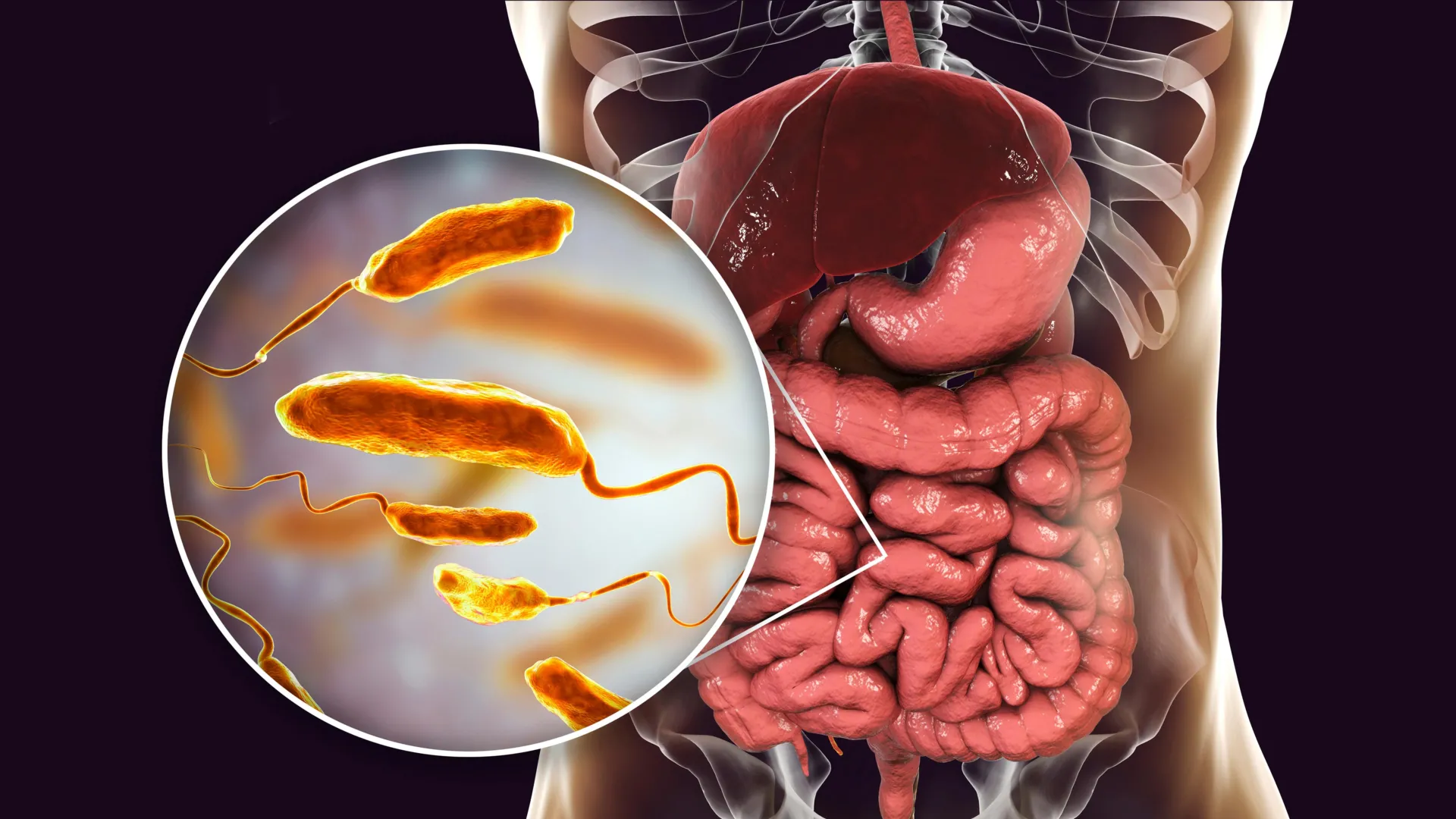
This diet could slash cholera infections by up to 100x
Researchers found that certain proteins in dairy and wheat can dramatically reduce cholera's ability to infect the gut. Casein and wheat gluten appear to block the bacteria's attack mechanism. In lab tests, infection levels dropped by up to 100 times. This finding could lead to new dietary ways to prevent cholera, a disease that sickens millions each year.
Ireland aim to heal World Cup pain in Six Nations
Ireland's women's rugby team is setting its sights on the 2026 Women's Six Nations as an opportunity to move past recent World Cup heartbreak. The squad enters the competition with renewed determination and clear goals for improvement. Their opening match comes against traditional rivals England on 11 April, a challenging start to what they hope will be a transformative tournament. The team aims to build momentum and confidence through strong performances across the competition.
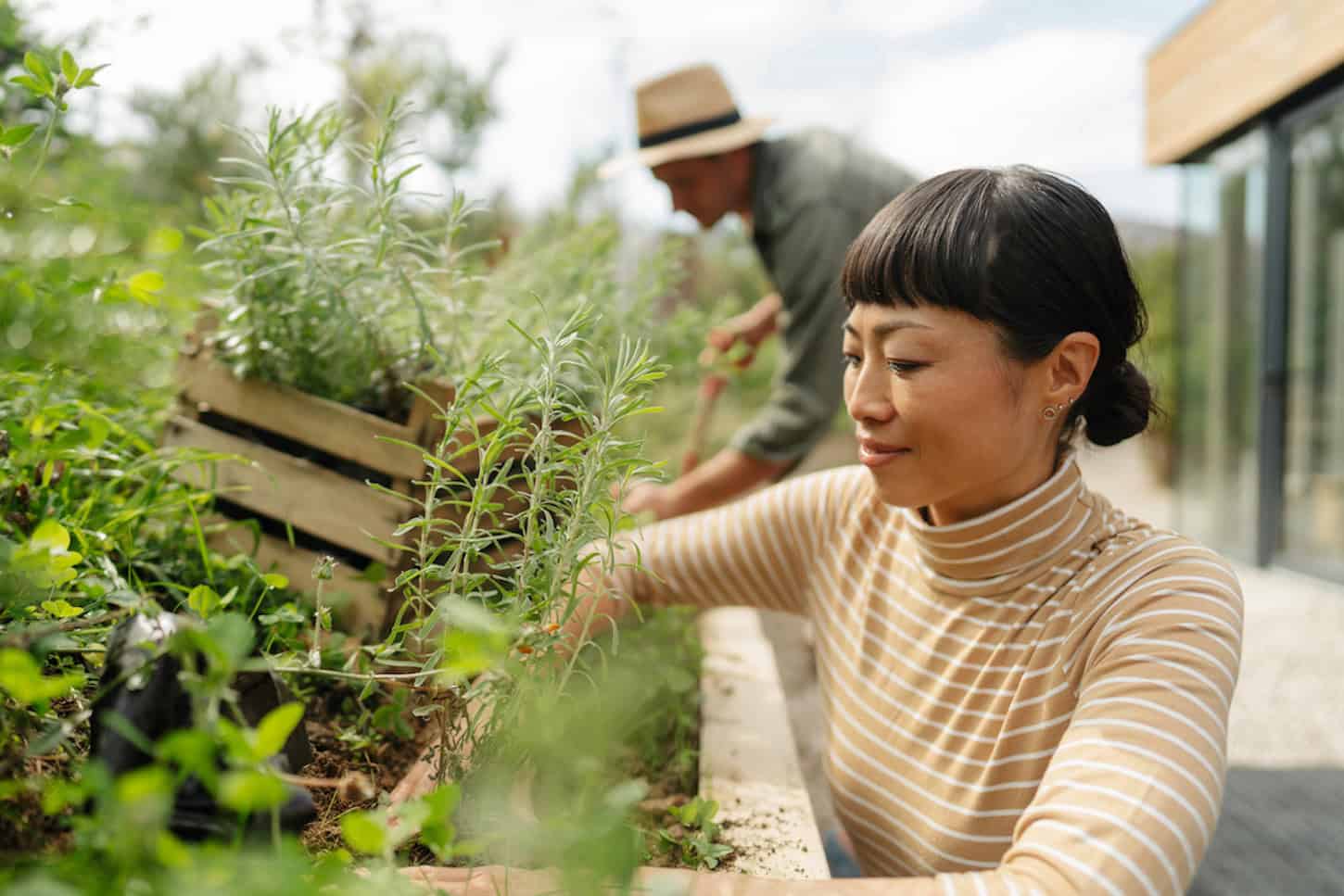
5 ways to design your way out of eco-anxiety
Many people feel overwhelmed by news about climate change, leading to a condition called eco-anxiety. A new guide explores how design thinking can help. By reframing problems and focusing on solutions, people can turn their environmental worries into creative energy. The article offers five practical strategies to make a difference.
Quiz: Name every European winner of the Masters
BBC Sport has published a quiz asking readers to name all 10 European players who have won the Masters at Augusta National. The interactive quiz tests golf knowledge about major tournament winners. European players have had notable success at the Masters, with players like Seve Ballesteros and Sandy Lyle among the winners. The quiz format engages readers with sports history.

This new chip survives 1300°F (700°C) and could change AI forever
Scientists have created a breakthrough memory device that keeps working at temperatures of 700°C (1300°F). That's hotter than molten lava and far beyond what today's computer chips can handle. The discovery, which came partly by accident, revealed a new mechanism that prevents electronic failure at the atomic level. This could unlock major advances in AI and other high-performance computing applications.
54 years, 48 leagues, 2,000 grounds - the ultimate football odyssey
A dedicated UK fan has completed an incredible 54-year journey visiting 2,000 football grounds across 48 leagues. BBC Sport followed this groundhopper to the final match of a remarkable odyssey celebrating football fandom and community. Groundhopping culture sees fans travel the country watching matches at all levels, from top-flight stadiums to humble village pitches. This journey represents the enduring magic of local football and the bonds it creates across communities.

A single enzyme keeps neuroblastoma alive—how to shut it off
Neuroblastoma is a cancer that starts in infancy, accounting for about 28% of cancers diagnosed in babies in Europe and the US. Scientists have identified a single enzyme that acts like a survival switch for these cancer cells, keeping them alive when they should die. In the most severe cases, this cancer spreads quickly and is difficult to treat. The new research shows exactly how to flip that switch off, potentially opening a new path for therapy.

A human rights center opens a path to justice for Indigenous Peoples in the Central African Republic
The Bayanga Human Rights Center, established in 2015, has become a lifeline for the Ba'aka people in the Central African Republic. It has handled 880 cases ranging from financial disputes to physical violence and sexual abuse. The center also helps residents obtain birth certificates and identity cards—documents that are rare in rural areas where 90% of the population lacks any form of identification.

Second primary invasive melanoma rate in Queensland reaches plateau after decades-long rise
A major study tracking 101,035 Queenslanders over four decades has found that the risk of developing a second primary melanoma has stopped rising and is now stabilizing. The peak risk of 8% within 10 years of a first diagnosis (seen between 2002-2011) has now dropped slightly to just over 7%. Researchers credit Australia's sun safety campaigns launched in the 1980s, which taught people to protect their skin from harmful UV rays, combined with better skin cancer screening by doctors.
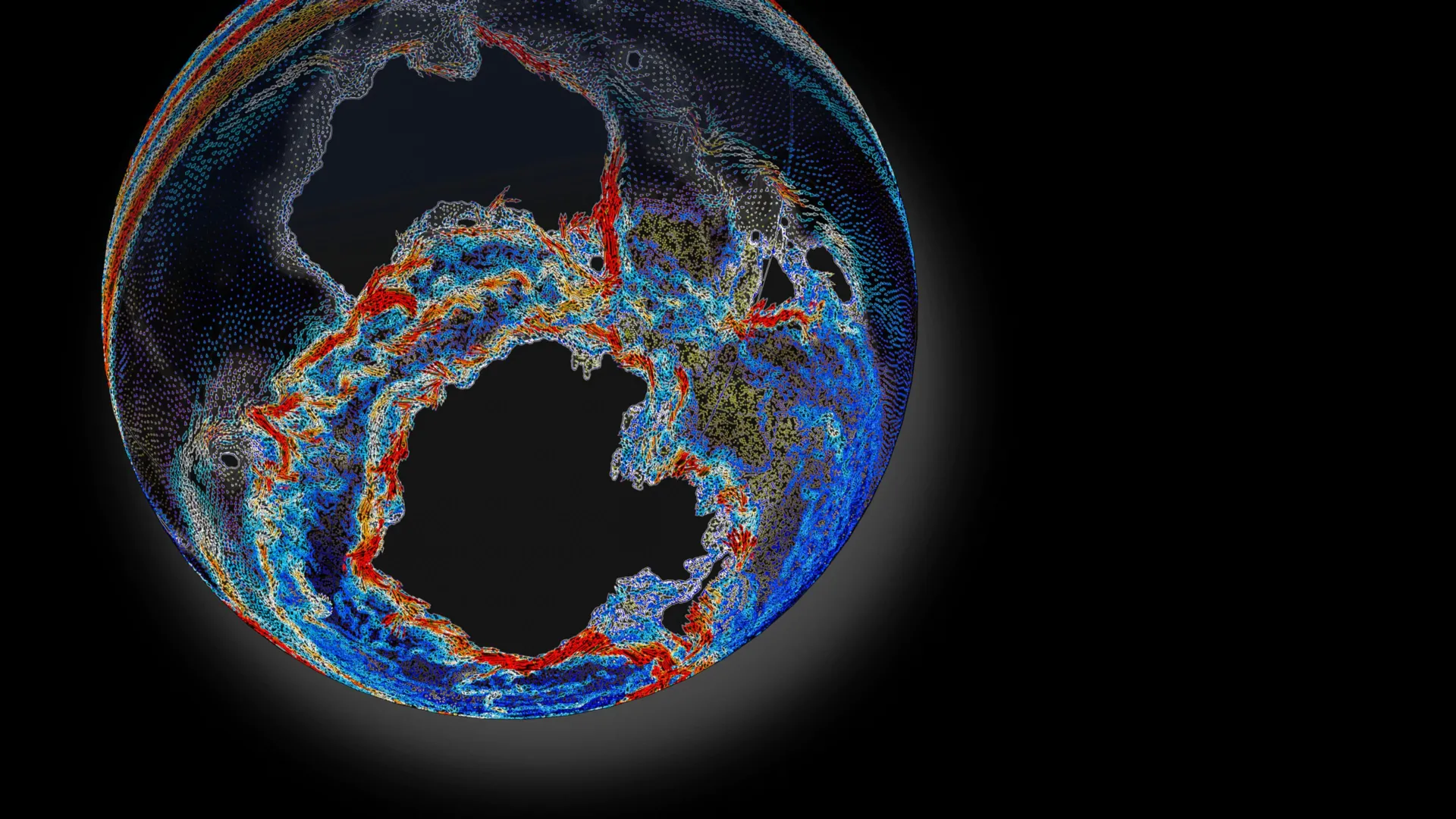
Earth’s most powerful ocean current didn’t form the way we thought
Scientists have discovered that the Antarctic Circumpolar Current—the strongest ocean current on Earth—was not created by a single cause as previously believed. Instead, the current required three factors to align: opening ocean gateways, shifting continents, and powerful winds working together. This complex formation process helped pull carbon dioxide from the atmosphere, driving a major cooling event that transformed Earth into the icy planet we know today.
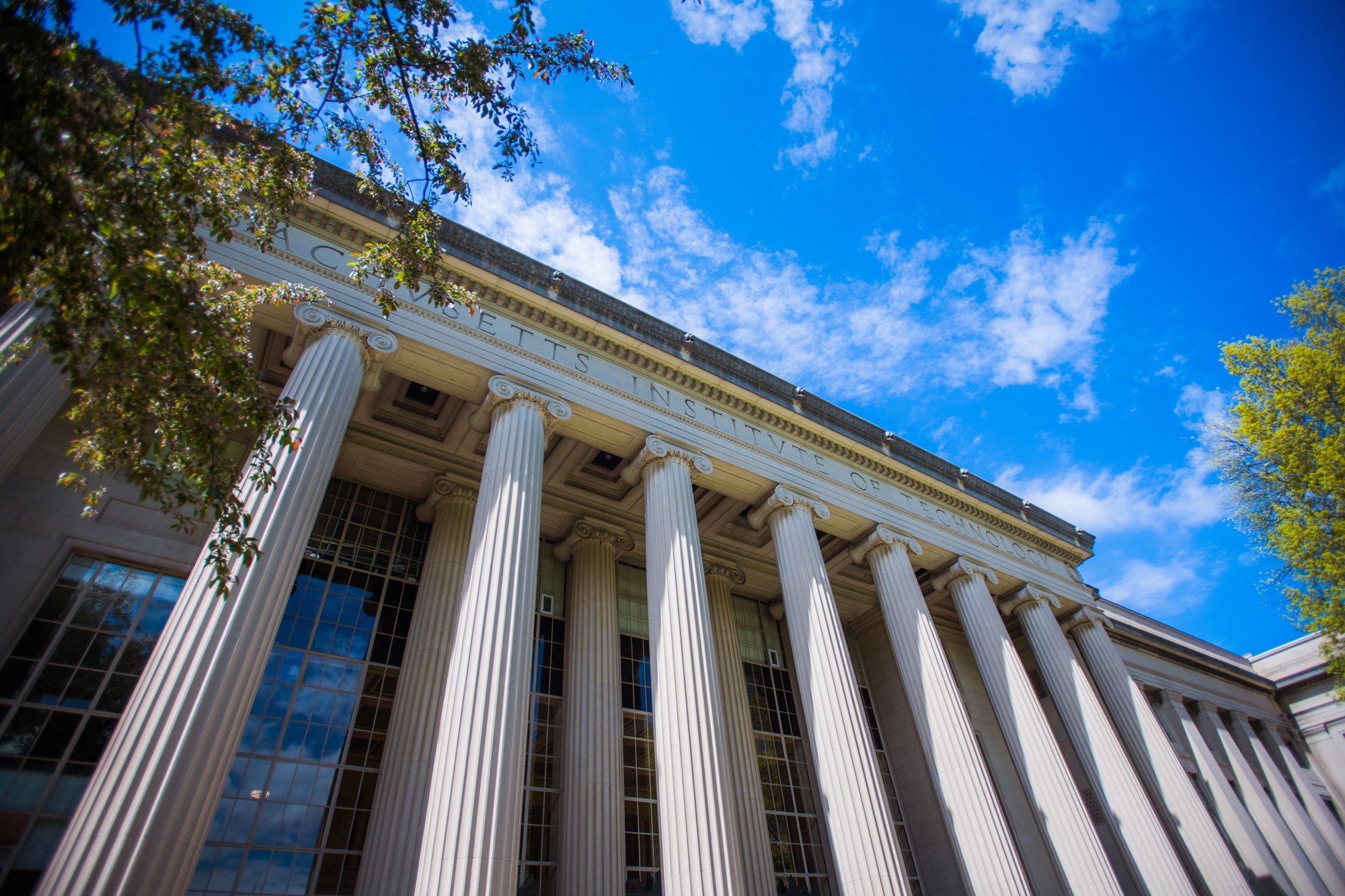
MIT graduate engineering and business programs ranked highly by U.S. News for 2026-27
MIT's graduate engineering program once again topped the U.S. News rankings for 2026-27. The school has held the No. 1 spot every year since the magazine first ranked such programs in 1990 — that's 37 years straight. MIT's Sloan School of Management also placed highly at No. 6 among business schools. Six individual engineering disciplines at MIT ranked first, including aerospace and chemical engineering.

Helping data centers deliver higher performance with less hardware
MIT researchers created a software system that nearly doubles data center performance by managing storage devices more efficiently. The system, called Sandook, tackles three common sources of slowdowns in pooled storage: device differences, read-write conflicts, and background cleanup tasks. By combining a central planner with local rerouting, it adapts in real time to workload changes. Tests showed speedups of nearly 2x for AI model training and image compression without needing any new hardware.
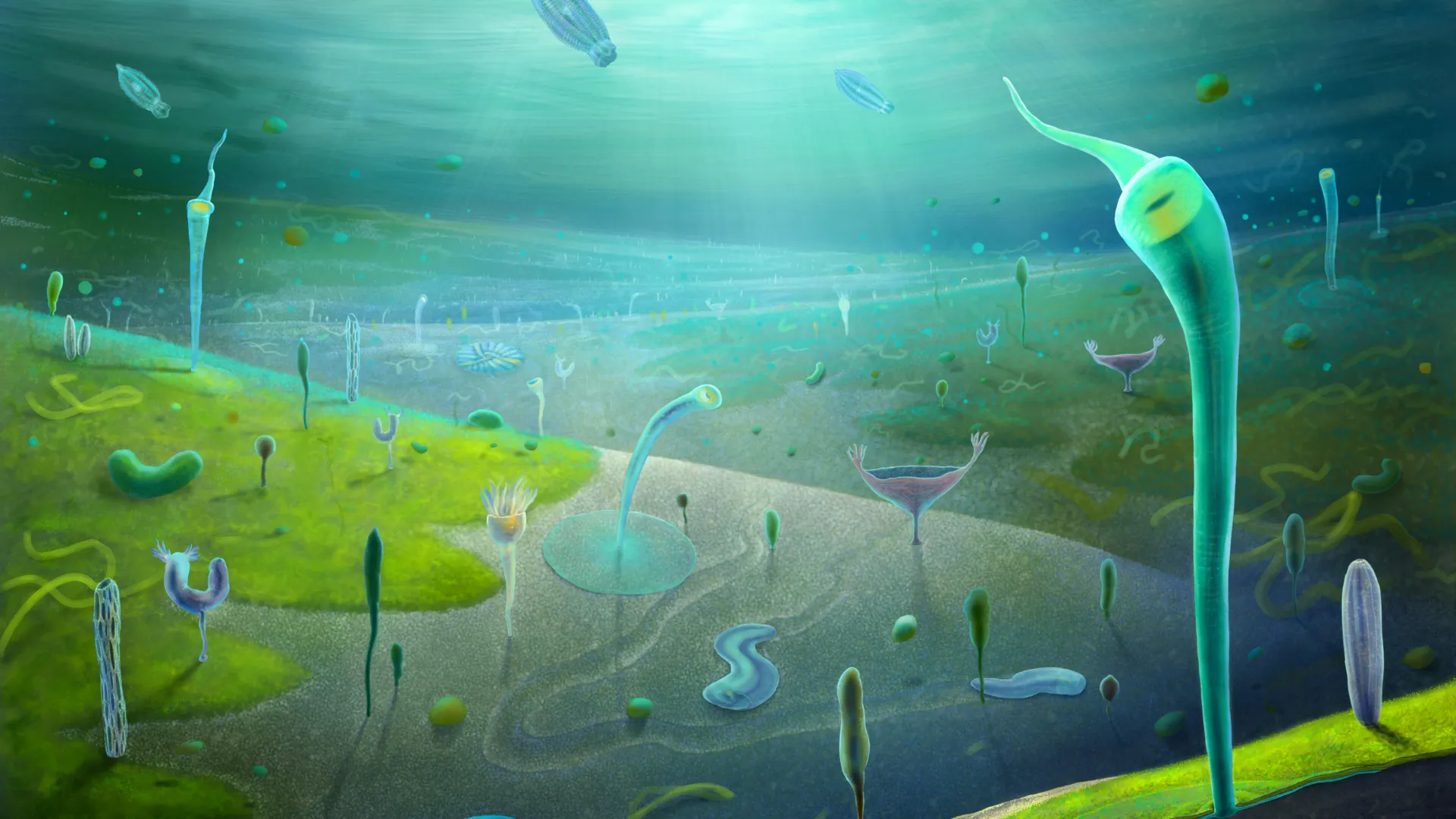
Scientists found a “lost world” of animals that shouldn’t exist yet
Scientists found a "lost world" of animal fossils in southwest China dating back over 540 million years. The fossils come from the late Ediacaran period — before the famous Cambrian explosion that was long thought to be the birth of complex animal life. Among the finds are early relatives of starfish, worm-like creatures, and ancestors of animals with backbones. This discovery suggests many key animal groups appeared millions of years earlier than scientists previously believed.

Scientists discover the “Goldilocks” secret behind life on Earth
Earth may have won a cosmic chemistry lottery. Researchers found that during the planet's earliest formation, oxygen had to be in an extremely narrow "Goldilocks zone" for two life-essential elements, phosphorus and nitrogen, to stay where life could use them. Too much or too little oxygen, and those ingredients could be lost or trapped deep inside the planet. This discovery challenges the idea that finding water on another planet means finding life. Scientists now think the precise balance of atmospheric gases might matter just as much.
Special feel to Wrexham v Southampton - Parkinson
Phil Parkinson, the manager of Wrexham, has spoken about the team's upcoming Championship fixture against Southampton. He described the match as having a special feel, particularly because Southampton has been resurgent under their current manager Tonda Eckert. Both teams are competing for play-off positions in the Championship, making the fixture significant. This is a routine football preview without broader societal implications.

This “forbidden” exoplanet has an atmosphere scientists can’t explain
Scientists using the James Webb Space Telescope have discovered a strange exoplanet that is puzzling the scientific community. TOI-5205 b is a Jupiter-sized world orbiting a small, cool star. What makes it unusual is that its atmosphere contains surprisingly few heavy elements—fewer even than its host star. This contradicts current theories about how giant planets like Jupiter form, suggesting planetary scientists may need to revise their models.

New method rapidly analyzes cell proteins and metabolites
Researchers at Cedars-Sinai in Los Angeles have created a fast new way to study cells. Their technique, called SMAD, can detect more than 1,300 proteins and 9,000 molecular features from a single sample in under five minutes. This is much faster than older methods. The study was published in the journal Angewandte Chemie.
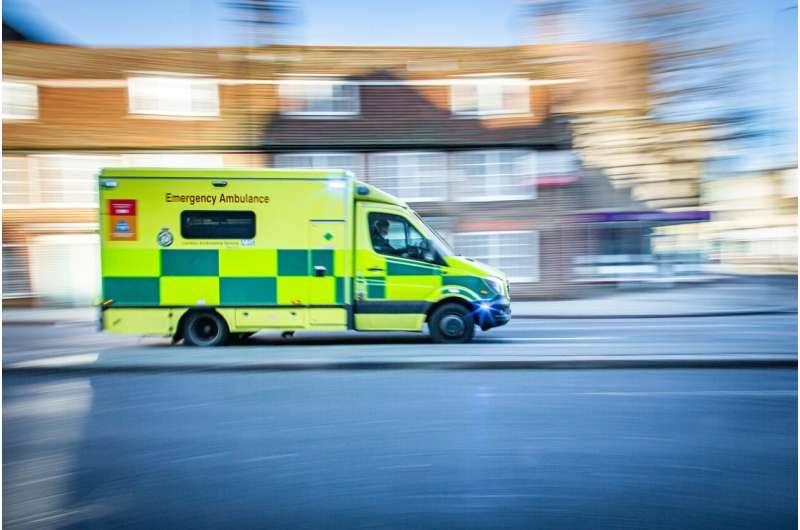
New study aims to help NHS turn ideas into action quicker
Researchers at the University of Aberdeen and NHS Grampian have developed a new practical method to help NHS Health Boards implement innovation more quickly. The approach is designed specifically to help health boards cope with increasing pressures on time, workforce, and finances. NHS boards often struggle to turn good ideas into real patient benefits because of these challenges. This new method gives NHS leaders a clearer roadmap for bringing innovations to patients faster.

New business skills, new hope: Returning Timorese migrants transform their lives
Timor-Leste migrants who worked abroad are now returning home with new skills to start businesses and farms. The ILO-supported program teaches participants finance literacy, agribusiness, and other vocational skills. Many migrants struggled to find work after returning until the training gave them new opportunities. The program aims to reduce poverty by helping returnees build sustainable livelihoods.

How an eye physician who translated classical Greek medicine into Arabic helped form Western medical thought
A medieval eye doctor in the 800s CE translated major Greek medical works into Arabic. The works of physicians Galen and Hippocrates, plus philosopher Plato, were preserved through these translations. Scholars say this translation work helped bridge Greek, Arabic, and later Western medical knowledge. This medieval physician played a key role in forming the medical knowledge we still use today.

Sun safety ad balancing visuals and messaging gets young people to listen
A US skin cancer prevention campaign called "If You Could See UV" discovered that showing UV radiation as a visible, ever-present danger motivated young adults to protect their skin. Researchers found that a fear-evoking visual metaphor helped change how young people think about everyday sun exposure. The goal was to get 18-25 year olds to take practical protective steps like wearing sunscreen and seeking shade. The campaign worked because it made an invisible threat feel immediate and real.

Train transfer hub linked to reduced health care spending
Japan is tackling super-aging society challenges with smart urban planning. The government promotes living near public transit so residents rely less on cars. This helps seniors get around easily, stay active, and avoid health problems from sitting too much. Cities designed this way can also reduce spending on health care for their aging populations.

By age 7, most children quickly spot individuals' social biases toward social groups, study finds
Researchers have discovered that elementary school-aged children possess a remarkable cognitive ability: they can detect social biases—discrimination or differential treatment based on group membership—nearly as effectively as adults. The study, titled "Children's and adults' detection of social biases" and published in the journal Child Development, highlights children's emerging capacity to recognize and reason about social bias. This finding suggests that young children have a more sophisticated understanding of social dynamics and fairness than previously thought, potentially opening new avenues for early education about equality and bias recognition.