Latest News
Positive stories from around the world · Good news by country
Showing 36625–36648 of 37346 articles

Armenia evaluates pathways regarding ILO Convention No. 102
Armenia is exploring how to meet international standards for social security. The country is working with the International Labour Organization (ILO) through workshops and consultations to study Convention No. 102. This 1952 convention sets minimum rules for 9 types of social protection, from medical care to unemployment benefits. The workshops bring together government, employers, and workers to discuss next steps.

Towards smarter agriculture: Durable nanofilm electrodes for monitoring leaf health
Scientists at Institute of Science Tokyo created very thin nanofilm electrodes that can sense electrical signals from plants. These signals reveal when a plant is stressed before visible damage appears. Because the electrodes are incredibly thin, leaf hairs naturally push through them, creating good electrical contact without hurting the plant. Farmers could use this technology to catch crop problems early and take action before losing their harvest.

Two new gecko species discovered in Vietnam
Researchers have discovered two new gecko species living in Vietnam. The species belong to the half leaf-fingered gecko genus, which already includes more than 70 known species. These geckos are spread across a vast area, from southern India and Sri Lanka through Southeast Asia to the western Pacific. Scientists used modern methods combining DNA analysis and physical features to confirm these species had never been documented before.

Cow manure digesters really do cut methane—unless they leak
Scientists studied dairy digesters—special systems that capture methane from cow manure. Methane is a powerful greenhouse gas, so turning it into a usable energy source helps the climate. The good news: digesters work when they function properly. The concerning finding: rare but large leaks can release enough methane to wipe out all the previous gains. The study suggests better monitoring and maintenance are needed to prevent these failures.

How time and space become one inside your brain—and what it means for Alzheimer's
Scientists at the University of Oslo have made a discovery about how the brain works. They found that the brain processes time and space together, not as separate things. This is important because people with Alzheimer's often lose both their sense of time and their sense of place. About 55 million people worldwide currently live with dementia, and experts expect this number to triple by 2050. The research could help scientists better understand and potentially slow the disease.

Survival of the wittiest: Expert says linguistic cleverness aids human evolution
A scientist named Ljiljana Progovac has suggested that quick-wittedness—using and combining words in clever and funny ways—may have been actively selected for in humans from the dawn of language. This means being funny and clever could have actually helped our ancestors survive better than those who weren't. The research is published in the journal PNAS Nexus.
Scotland to host T20 tri-series before World Cup
Scotland's women's cricket team is set to play home matches again for the first time since 2022. The team will face Bangladesh and the Netherlands in a T20 tri-series across May and June. The fixtures give Scottish fans a chance to watch their team live. It also provides valuable preparation ahead of upcoming tournaments.

Mirror fragments intercept Alzheimer's-causing protein
Scientists at Kobe University in Japan have created a small "mirror protein" that can disable amyloid-beta, a protein known to cause Alzheimer's disease. The researchers studied how normal proteins interact with their mirror-image versions. By understanding this interaction, they designed a molecule that specifically targets and neutralizes the harmful amyloid-beta protein. This breakthrough could lead to new treatments that slow or prevent Alzheimer's progression.

Terraforming Mars: Modeling engineered aerosols to warm the planet
Mars is extremely cold, with surface temperatures around -55°C and an atmosphere almost entirely made of carbon dioxide. Scientists are now modeling whether engineered aerosols—tiny particles that act like greenhouse gases—could warm the planet. The research explores how these particles might be released into Mars' thin air to trap heat and make conditions less harsh. The study is still theoretical but offers a glimpse into how humans might eventually transform the Red Planet.

A new way to eavesdrop on ocean temperature in the Arctic
Scientists at UC San Diego's Scripps Institution of Oceanography have found a new way to measure ocean temperature in the Arctic. They use underwater sound waves that travel across the Arctic Ocean. The sound reveals precise temperature readings even under thick sea ice. This technique was originally developed by Walter Munk and Peter Worcester. It could help scientists monitor climate change in one of Earth's most remote and rapidly warming regions.

Indonesia reviews firms in river basins after latest floods affect 7% of Bornean province
Indonesia's government is still reviewing mining and plantation companies operating in river basins in South Kalimantan. This comes after devastating floods in December impacted more than 7% of the province's population. The environment ministry confirmed the audit is ongoing. South Kalimantan is part of the island of Borneo, which is shared with Brunei and Malaysia and known for its rich biodiversity.

Unlocking designer roots for future cereal crops
Researchers at the University of Queensland and Australian National University have discovered a gene that controls root growth in cereal crops. The gene, called CEPR1, has the same function across multiple grain crops including barley, wheat, and rice. This finding could help scientists breed future crops with improved root systems. However, initial tests in barley showed that modifying this gene reduced grain yield, so more research is needed before farmers could benefit.

AI creates quasi-atoms: A new approach to materials study
Scientists at Skoltech in Moscow built an AI tool that creates "quasi-atoms" to model how materials behave. Previously, supercomputers could not handle the massive number of real atoms needed to predict when metal cracks. The new method groups atoms together, making the math much faster while staying accurate. This could help engineers design safer buildings, bridges, and airplanes by better understanding material stress.

Stress and addiction: New research reveals what connects them
Scientists at Texas A&M University have found a direct connection inside the brain linking stress to addiction. The research shows how alcohol interferes with the brain's natural alarm system, called the stress-response. This disruption makes it harder for the brain to handle pressure and resist harmful habits. The findings give doctors a clearer picture of why stressful moments so often lead people toward drinking and other addictive behaviors.

Éducation financière pour les Tunisiens résidents à l’étranger et leurs familles – Livret de l'apprenant
The International Labour Organization (ILO) has published a financial education booklet for Tunisians living abroad and their families. The free resource teaches money management skills, including how to save, budget, and plan finances. The booklet is available in both Arabic and French to reach the widest audience. It aims to help diaspora communities build financial stability.

Aging Delivery Driver Gets Huge Tip After Conscientious Effort Goes Viral via Ring Video
An Idaho man got far more than expected when his Domino's delivery arrived. The driver, nearly 70 years old, had stopped at a grocery store along the way to grab extra items the customer needed. The man's Ring doorbell camera captured the kind act. When he shared the video online, it went viral and the customer rewarded the hardworking driver with a huge tip.

Prioritizing potentially cancer-causing mutations in real-world cancer genomics
Scientists at Hiroshima University in Japan have built a new framework to identify cancer-causing mutations in genetic testing. When patients get their tumors genetically scanned, there are often genetic variants that doctors cannot easily classify as dangerous or harmless. The new tool helps rank these unclear variants so doctors can focus on the most likely threats. This could make precision oncology more reliable and help patients get better-targeted treatments.
'I like surprises' - Wiegman calls up 17-year-old Parkinson
England manager Sarina Wiegman has called up 17-year-old Erica Meg Parkinson to the senior national team squad. The teenager was a surprise inclusion among 23 players named for upcoming internationals. Born in May 2007, Parkinson is now eligible to represent England at full level. The young midfielder's call-up represents a notable milestone in her early football career, with Wiegman commenting on her potential.

With high seas treaty in place, West African countries plan for protected area
The High Seas Treaty, a global agreement to protect ocean areas beyond national borders, took effect in January 2026. ECOWAS (Economic Community of West African States) is now taking the lead in designing a protected area proposal for waters off West Africa. This proposal will be reviewed at the first Conference of Parties for the treaty, scheduled within a year of the agreement taking effect. The treaty gives countries a framework to jointly manage and protect the high seas, which cover nearly half of Earth's ocean surface.

NASA is shooting for the moon. A guide to the Artemis II mission
NASA's Artemis II mission will send astronauts on a journey around the Moon. This marks the first time humans have flown to the Moon since the final Apollo mission in 1972. The Artemis program aims to return astronauts to the lunar surface and establish a sustainable human presence on the Moon. This mission represents a major step forward for human space exploration.

Grounding Labour Migration Interventions in Evidence
The International Labour Organization (ILO) hosted a stakeholder workshop in Addis Ababa, Ethiopia. The event validated baseline findings on labour migration patterns in the region. Researchers and policymakers gathered to review evidence on various migration types, including internal and international migration. The workshop aims to ground future labour migration interventions in solid data.
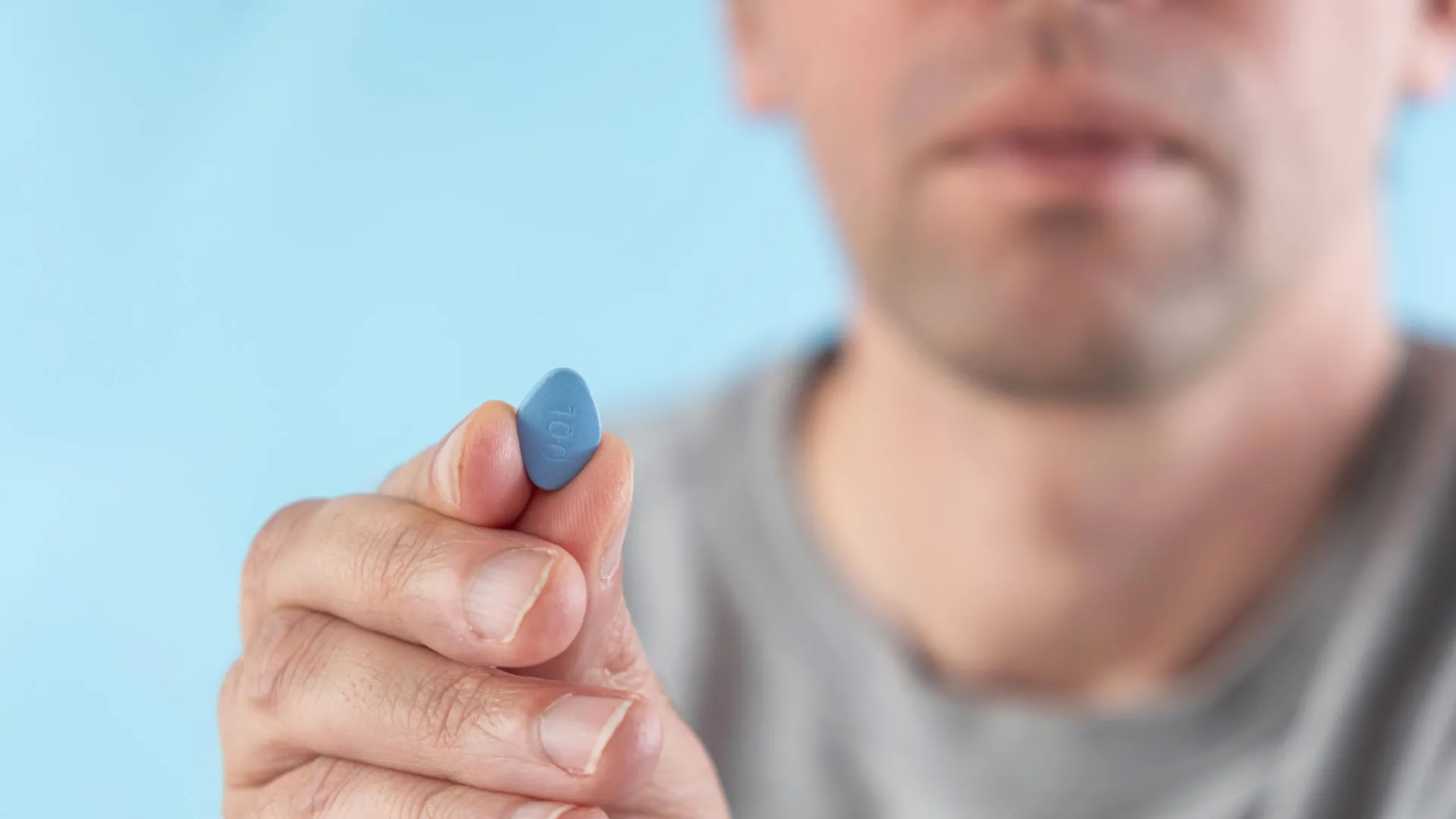
This Viagra ingredient just did something remarkable for a deadly childhood disease
A surprising medical breakthrough shows that sildenafil — the ingredient that makes Viagra work — could help children with Leigh syndrome. This rare disease attacks the brain and muscles, and is often deadly. Patients who took the drug showed stronger muscles, fewer seizures, and recovered better from dangerous metabolic crises. Some even experienced dramatic improvements in their ability to move and do everyday things.
Decision concerning the results of the ILO Action Plan for Gender Equality 2024–25 and proposed outline of the Action Plan 2026–29
The International Labour Organization (ILO) Governing Body has reviewed and approved the results of its 2024–25 Action Plan for Gender Equality. The body has also requested a proposed outline for the next Action Plan covering 2026–29. This decision reflects continued institutional commitment to advancing gender equality in global labour standards. The governing body session took place in April 2026.

ILO strengthens labour inspection in Ukraine through Open Source Intelligence training
The International Labour Organization (ILO) trained Ukrainian labour inspectors in Bratislava, Slovakia from March 30 to April 1, 2026. The training focused on Open Source Intelligence (OSINT) techniques — methods to find and analyze publicly available online information. This skill-building helps inspectors gather evidence of labour law violations more effectively. The course was delivered in cooperation with the European Labour Authority (ELA).