Latest News
Positive stories from around the world · Good news by country
Showing 36649–36672 of 37342 articles
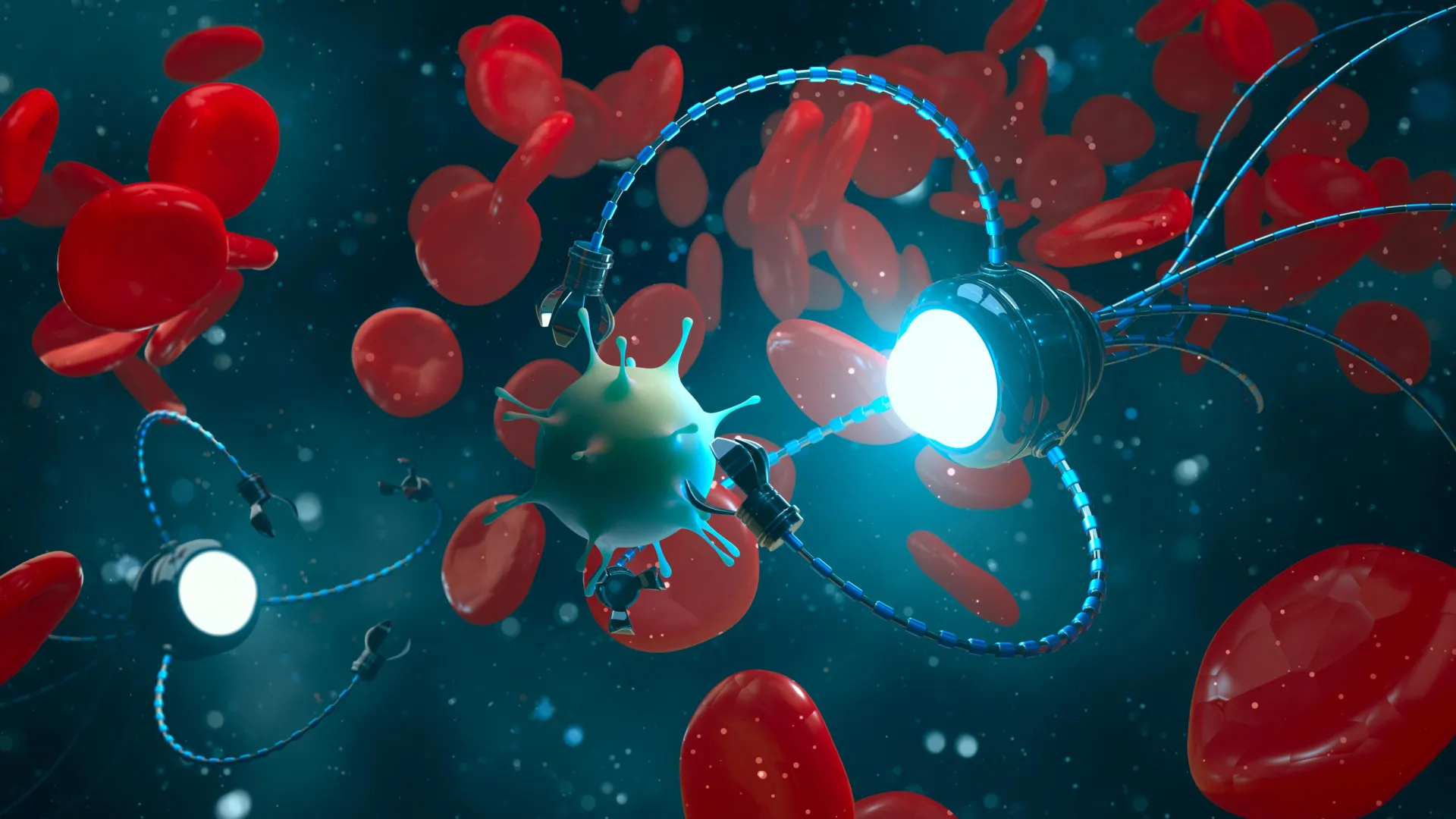
DNA robots could deliver drugs and hunt viruses inside your body
Scientists are developing DNA robots—tiny machines built from folded DNA strands that can move and perform tasks inside the human body. These robots work by combining ideas from traditional robotics with DNA folding techniques. They can be guided using chemical reactions or external signals like light and magnetic fields. The technology could one day deliver drugs directly to diseased cells or detect and neutralize viruses.

Sotatercept shows promise for a type of pulmonary hypertension linked to heart failure with preserved EF
Researchers tested sotatercept on patients with both heart failure with preserved ejection fraction (HFpEF) and pulmonary hypertension. This combination is particularly challenging to treat. The trial showed participants had significant improvements in blood pressure and vascular health. Results were shared at the American College of Cardiology's annual meeting and published in the journal Circulation.

Small S. Korea Town Welcomes First Newborn in 17 Years as Nation’s Fertility Rate Continues to Rise
A rural town in South Korea is celebrating a major milestone: the birth of the first child in 17 years. The town's only school also enrolled 4 new students, bringing its attendance to 17 — another sign of renewal for a community that has faced years of population decline. South Korea has seen its fertility rate rise for three consecutive quarters, offering hope for rural areas struggling with aging populations. The celebrations mark a hopeful turn for communities that have watched their numbers shrink for nearly two decades.
Vitek's viral moments & progress at Bristol City
Radek Vitek is a goalkeeper sharing his experiences at Bristol City after being previously associated with Manchester United. In this extensive interview, he discusses his approach to the game, including how he handles crosses and shares details about an extraordinary triple save during a match. The article provides insights into his development as a professional footballer and his thoughts on progressing in his career.

Into the fungal unknown: New tool maps fungal gene functions without reference genomes
Scientists have built a new computer tool that can determine what fungal genes do, even without a full genetic blueprint. Most existing software is designed to work across many species but lacks the precision needed for fungi's unique genetic makeup. Many fungi have never had their genomes fully mapped, leaving researchers stuck. This new tool fills that gap by focusing specifically on fungal genetics.

Romanian court victory confirms recognition of trans identities across the EU
The Bucharest Tribunal in Romania ordered authorities to issue a new birth certificate for Arian Mirzarafie-Ahi, recognizing his gender identity already legally established in the UK. This follows a landmark 2024 ruling by the Court of Justice of the European Union, which confirmed that all EU countries must accept gender identity documents from other member states. Romanian authorities had previously appealed the lower court's decision, but their appeals were rejected.
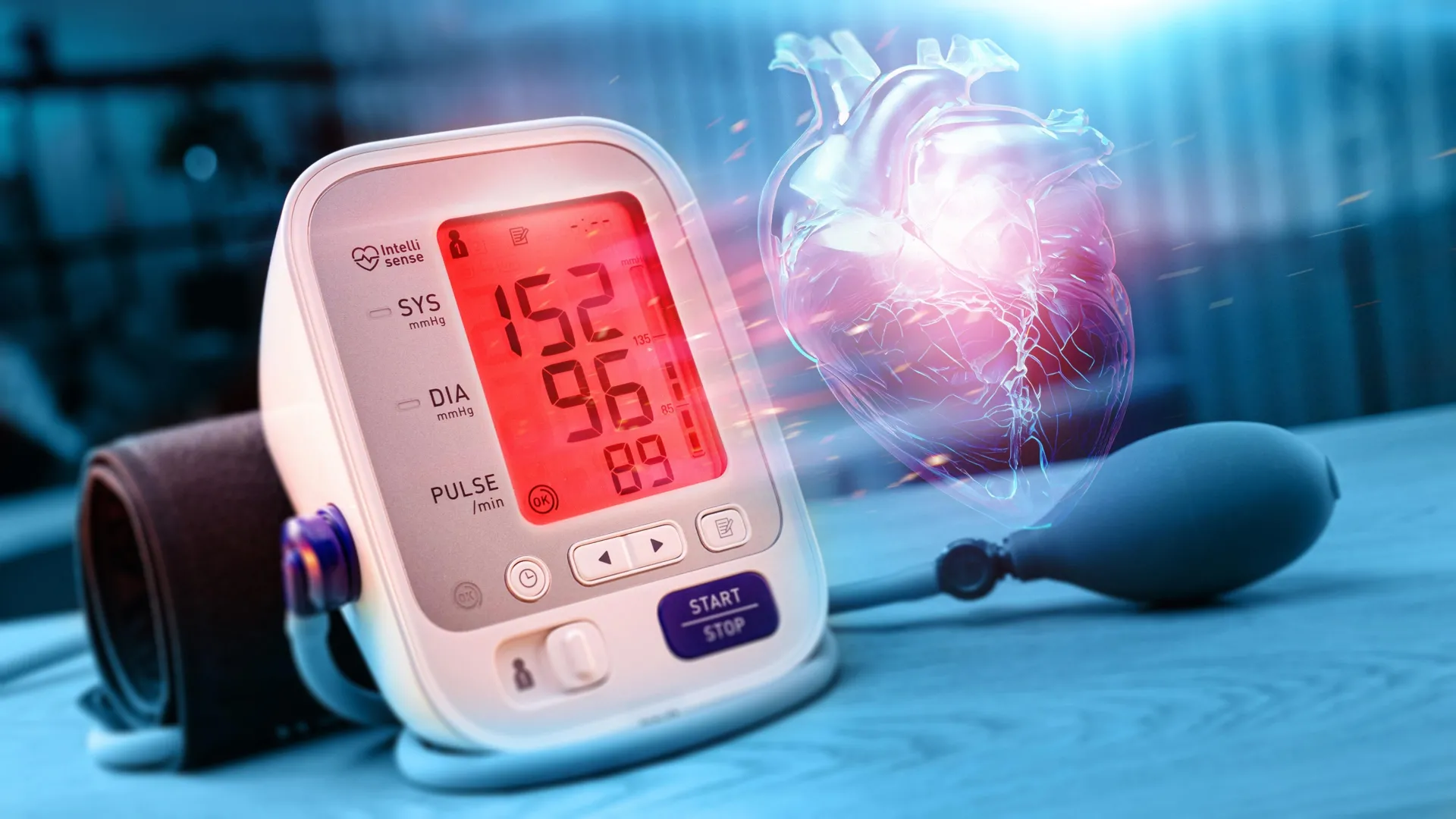
Hardly anyone uses this surprisingly simple blood pressure fix
Researchers found that salt substitute usage stayed very low in the United States over nearly two decades of tracking. These products replace sodium with potassium, which helps relax blood vessels and lowers pressure. Experts say this represents a major missed opportunity for preventing heart attacks and strokes. The study suggests better public education and easier access could help close this health gap.
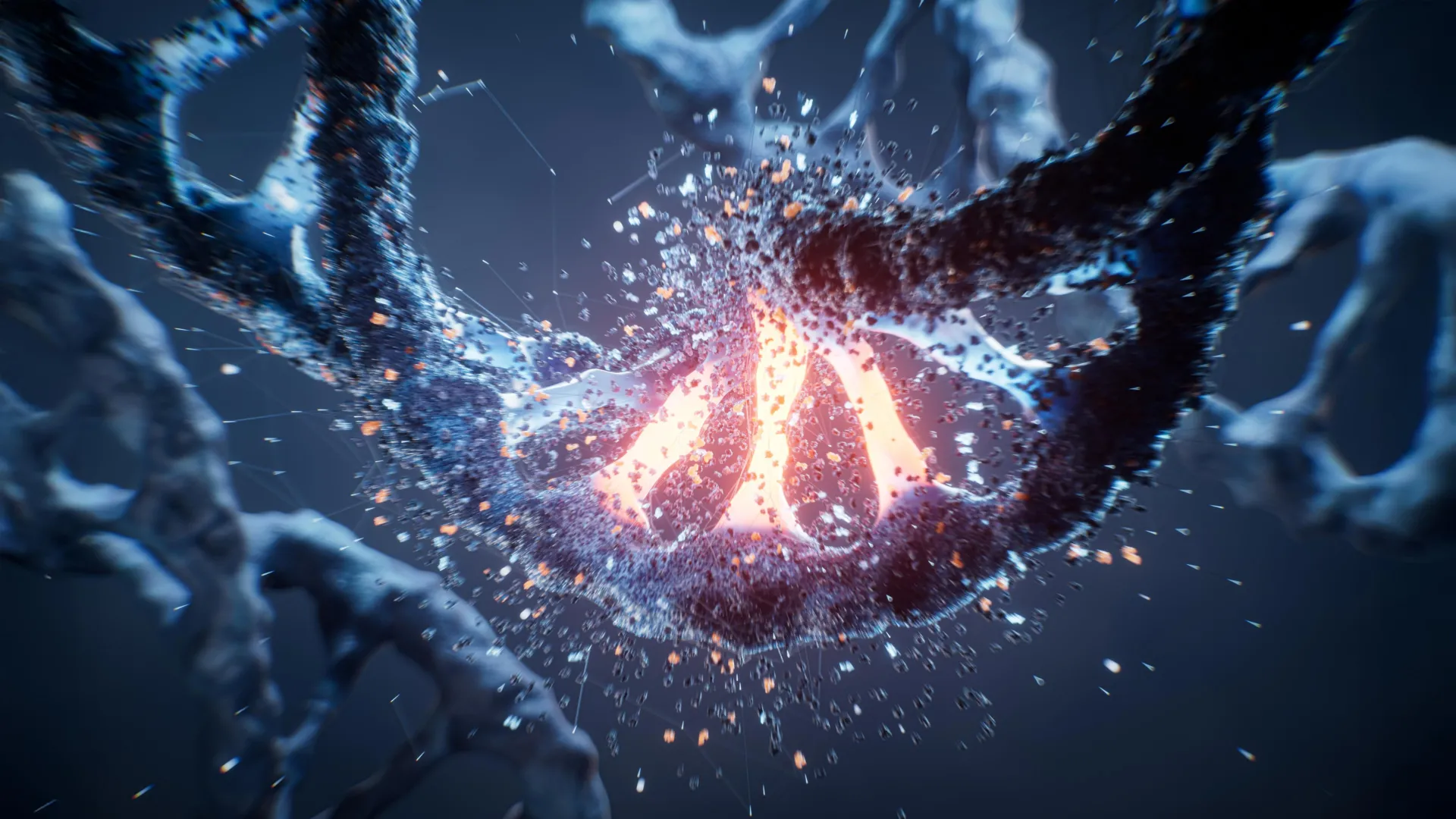
Your DNA is constantly moving—and it may explain cancer
Scientists at the Salk Institute in California have made a surprising discovery: DNA is not a fixed structure but constantly reshapes itself by looping and unlooping. The team found that different parts of the genome move at different speeds, with regions holding active genes moving fastest. This constant motion seems to help control how genes are switched on and off. The researchers believe this reshaped understanding of DNA movement could explain why some cells become cancerous.
Decision concerning the results of the ILO Action Plan for Gender Equality 2024–25 and proposed outline of the Action Plan 2026–29
The International Labour Organization (ILO) Governing Body has formally approved the results of its 2024–25 Gender Equality Action Plan. A new four-year action plan for 2026–29 was also outlined during the same session. The decision was taken at the 356th Governing Body Session in April 2026. The ILO, a United Nations agency based in Geneva, focuses on promoting fair labour standards globally.

De-alcoholization tech can help fix bushfire faults in wine
Bushfires have long been a problem for winemakers, as smoke can ruin entire harvests by giving wine an unpleasant ashy taste. Now, researchers have discovered that de-alcoholization technology can be paired with traditional remediation techniques to fix smoke-tainted wine. The technology works by removing alcohol while also filtering out smoke compounds that cause the bad flavor. This combination approach could save vineyards from total crop loss after bushfire seasons.
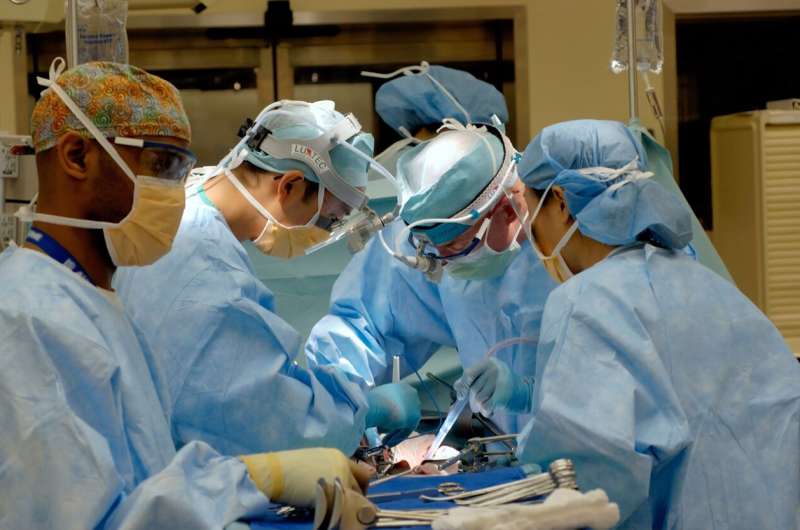
Mitral valve-in-valve procedure associated with lower risk of death, disabling strokes
For patients with failing artificial heart valves, a minimally invasive valve-in-valve procedure was linked to better outcomes than standard repeat surgery. Researchers compared the two approaches and found the newer technique resulted in lower rates of death and disabling strokes within one year. The findings were presented at the American College of Cardiology's Annual Scientific Session. This could change how doctors treat patients whose artificial heart valves stop working properly.

Baby octopus in Argentina: Photo of the week
A rare photo from Argentinian Patagonia captures Patagonian octopus (Octopus tehuelchus) eggs at an advanced developmental stage. The black dots visible inside each egg are the embryos' developing eyes, offering scientists a precious look into the species' early life. The species remains one of the more common octopuses in the region, though its global conservation status has never been formally assessed. Reported catches in Patagonia have declined over the past 50 years, leaving researchers uncertain about population trends.
Canberra to host Australia v Ireland pre-World Cup
Ireland's rugby team is set to play a World Cup warm-up match against Australia at GIO Stadium in Canberra on 18 September, 2027. This will be Ireland's first-ever test match in the Australian capital, marking a historic sporting occasion. The game is scheduled as preparation for the Rugby World Cup. Canberra rugby fans will finally get to see Ireland play live in their city.
Decision concerning the follow-up to the resolution concerning the measures recommended by the Governing Body under article 33 of the ILO Constitution on the subject of Myanmar
The International Labour Organization's Governing Body released a decision at its 356th Session (April 2026) concerning follow-up action on Myanmar. The decision relates to Article 33 of the ILO Constitution, a powerful tool used when countries ignore recommendations on core labor standards. Article 33 measures are rare and represent a significant escalation in international labor enforcement. This continues the ILO's efforts to hold Myanmar accountable for labor rights violations.

Down syndrome study suggests early RNA editing shifts may reshape fetal brain circuits
Scientists have uncovered a key biological process that may explain why brain development differs in people with Down syndrome. The research team from Mount Sinai and the Liber Institute identified early RNA editing shifts that could reshape how neural circuits form in the womb. This marks the first time this specific process has been linked to Down syndrome brain development. The findings could open new doors for understanding and potentially treating developmental differences associated with the condition.

Turning muscles into motors gives static organs new life
Researchers have created a technology that reconnects body parts to the brain by turning muscles into motors. The system helps people with spinal cord injuries or diseases like Crohn's, whose organs can no longer function normally. It works by creating artificial pathways between the brain and body parts that have lost communication. The technology can even send sensations like hunger or touch back to the brain, restoring two-way communication.

Following 9 key steps for a lifetime of eating well can support heart health, says the AHA
The American Heart Association has released nine key steps for healthy eating that can support heart health throughout life. The guidelines address a growing concern: over half of U.S. adults and roughly 60% of children currently have diets considered unhealthy by health experts. These poor diets contribute to conditions like high blood pressure and obesity, which can lead to serious health problems including deaths from heart disease. The AHA hopes the new guidance will help Americans make better food choices.

'A very big deal': Canadian astronaut reflects on historic moon mission
NASA is set to make space history by sending the first woman, first person of color, and first non-American on a voyage around the moon. The mission represents major progress for diversity in space travel. Canadian astronaut Jeremy Hansen, who will be part of the crew, has called the mission "a very big deal." The journey marks an important step for inclusive exploration beyond Earth.
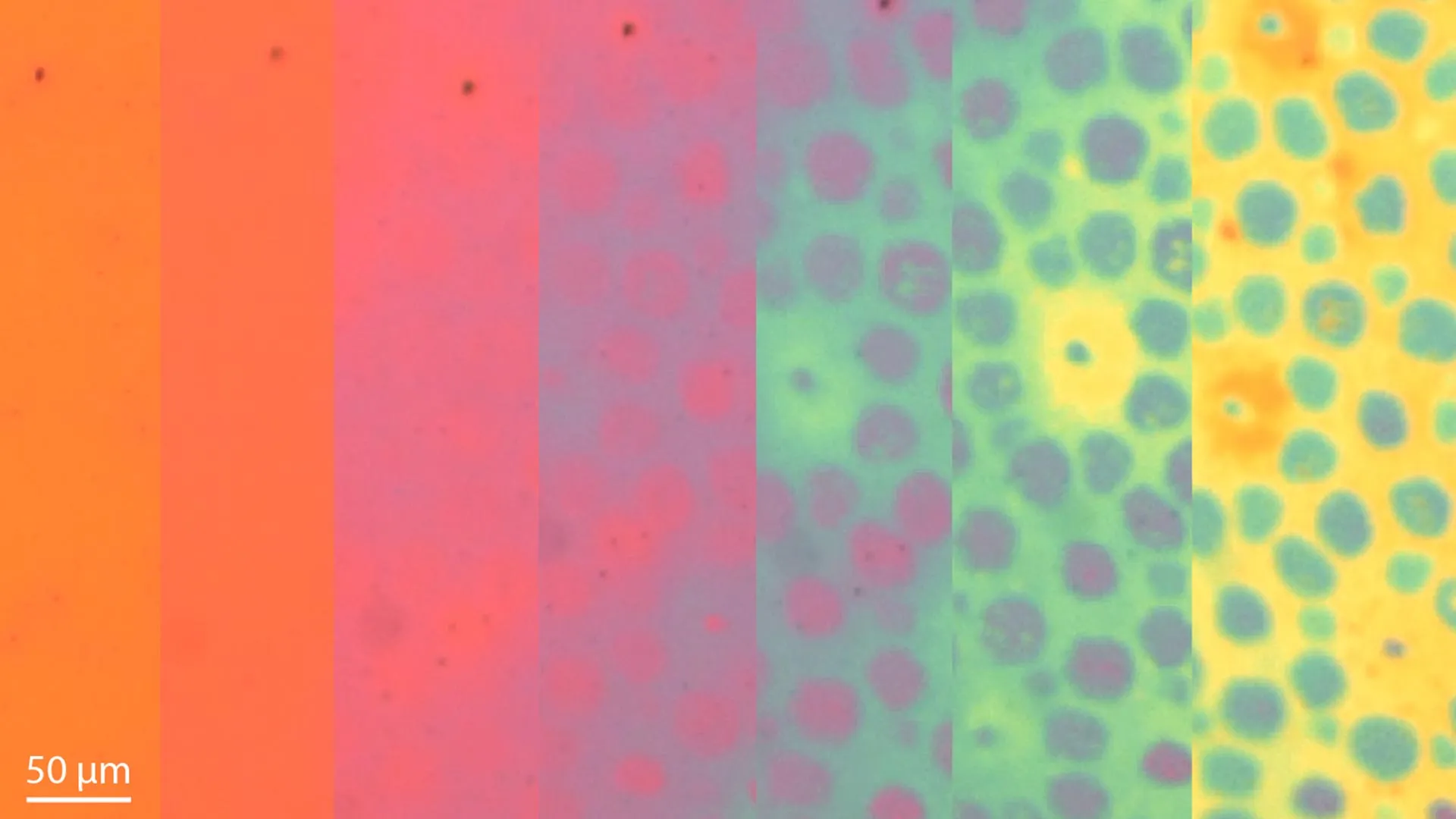
Stanford scientists create shape-shifting material that changes color and texture like an octopus
Researchers at Stanford University created a shape-shifting material inspired by octopus camouflage. The material uses a special polymer that swells when it absorbs water, allowing it to change color and texture in seconds. It can create detailed patterns at a tiny scale and adjust how it reflects light to mimic real surfaces. In the future, AI could help the material automatically match its surroundings.
Carter wants more Wales starts after ousting Lion
Ben Carter plays as a lock forward for Dragons, a professional rugby union team based in Wales. He recently started for Wales during the Six Nations, which is a major international rugby tournament involving England, France, Ireland, Italy, Scotland, and Wales. Carter is now hoping to earn more opportunities to play for Wales after showing his abilities on the big stage. This is a routine update about a player's career ambitions.

NASA begins the countdown for humanity's first launch to the moon in 53 years
NASA has begun the countdown for humanity's first launch to the moon in 53 years. The space agency is preparing for this historic mission, which will see astronauts travel to the lunar surface. This launch represents a major milestone in space exploration and marks the return of human spaceflight to the moon since the Apollo era.
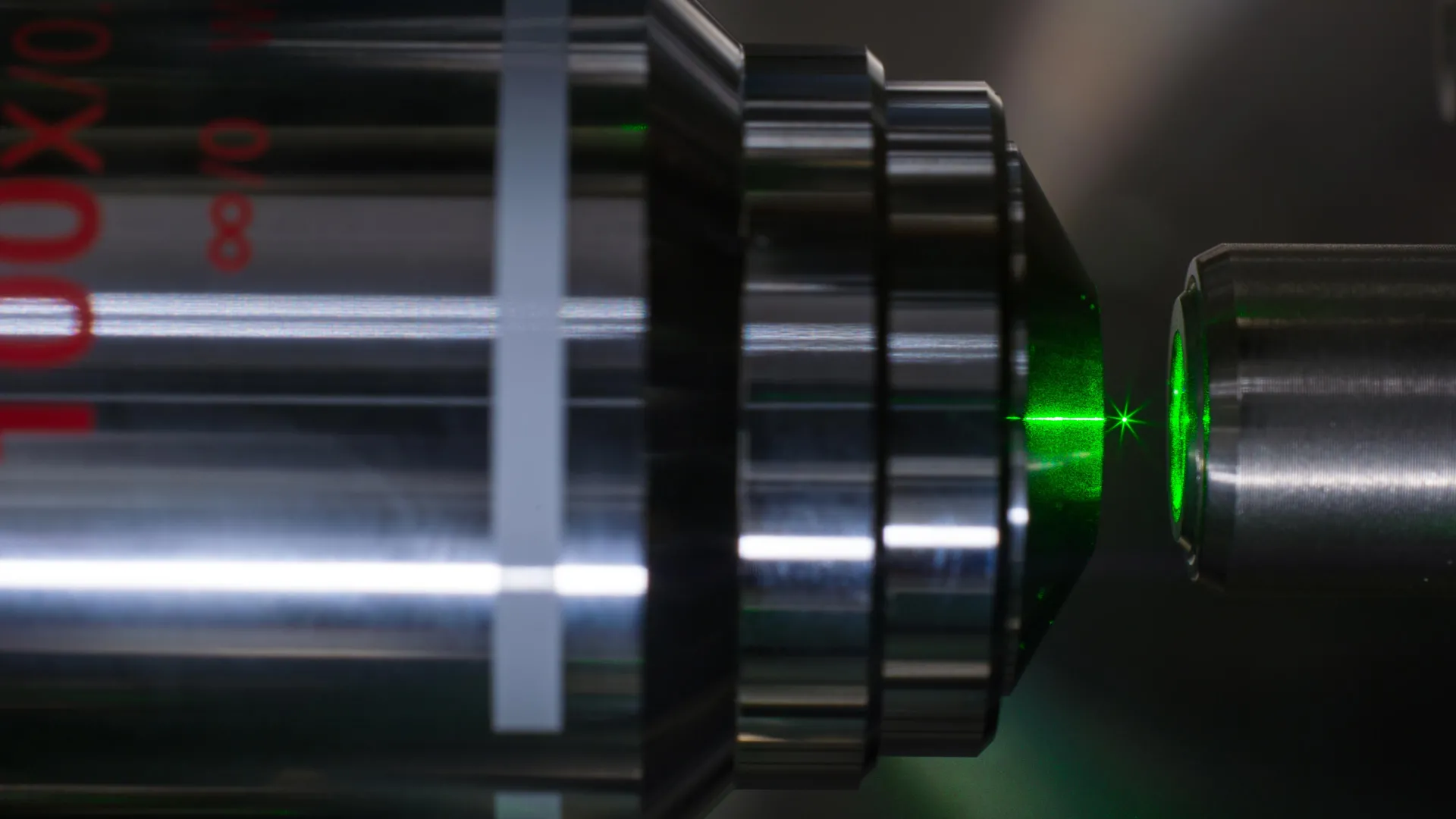
This new “phonon laser” could measure gravity more precisely than ever before
Scientists have created a breakthrough "phonon laser" that manipulates tiny sound vibrations at the quantum level. Unlike regular lasers that work with light, this device works with sound waves called phonons. By cutting down on unwanted noise, researchers can now measure motion and tiny forces with amazing precision. This could open new ways to study gravity, explore quantum physics, and build better navigation systems that do not need satellites.

Zambia advances preparations to join UN Global Accelerator on Jobs and Social Protection as a pathfinder
Zambia is moving toward joining the UN Global Accelerator on Jobs and Social Protection as a pathfinder country. Government officials from multiple ministries gathered in Kafue for a technical meeting to plan next steps. The pathfinder status means Zambia would help test and shape global approaches to social protection. The UN program aims to create jobs and expand welfare coverage for workers and families.
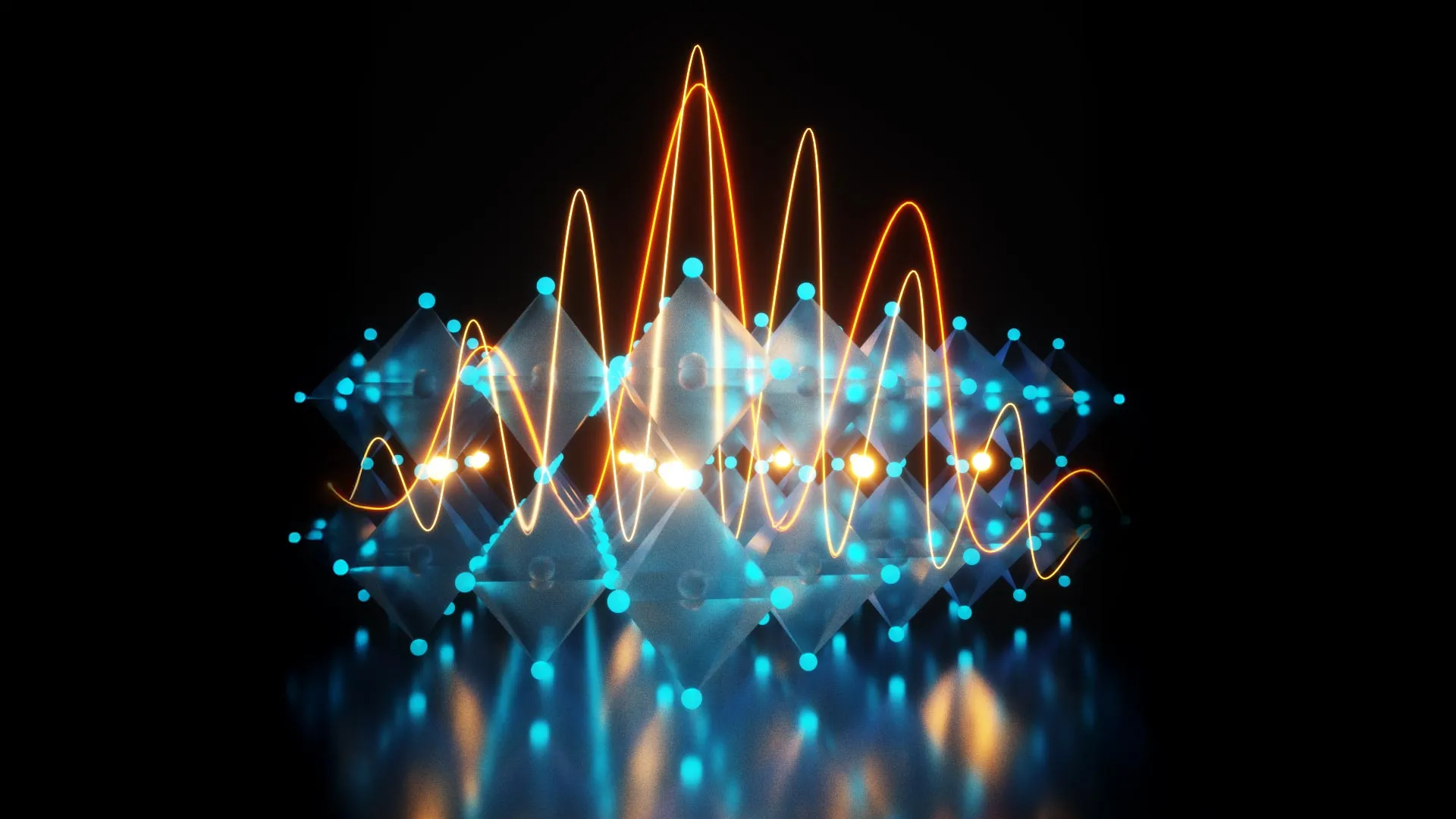
These “smart” crystals bend and snap back when hit with light
Scientists have found that perovskite crystals can dramatically change shape when exposed to light and then snap back to their original form. This property, called photostriction, differs from anything seen in traditional semiconductors. The effect can be adjusted by changing the light's intensity or color. Researchers say this opens the door to a new class of devices powered directly by light.