Latest News
Positive stories from around the world · Good news by country
Showing 37033–37056 of 37342 articles
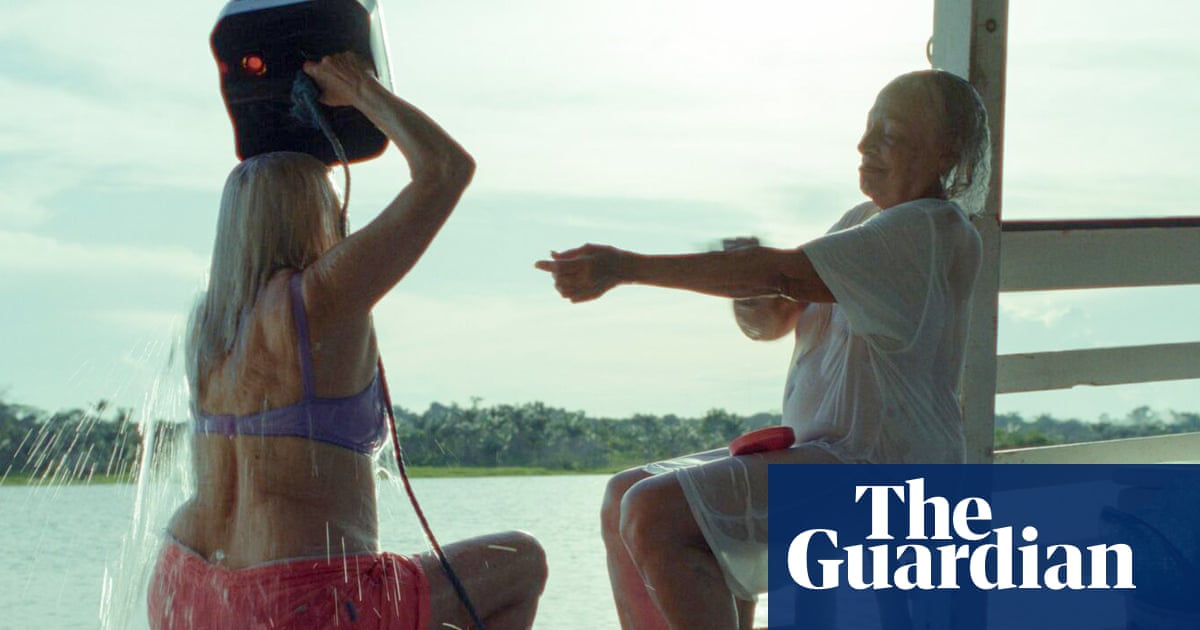
Dodging the ‘wrinkle wagon’: why a Brazilian film about ageing is inspiring older women
The Blue Trail (O Último Azul) is a new Brazilian film set in a near-future Brazil where elderly people face forced exile. The story follows a 77-year-old woman who rebels against this system. The film has resonated with real women in Brazil, including 80-year-old Gilda Olinto, who recently received a work award but felt it signaled she was no longer valued. The film is helping spark conversations about ageism and inspiring older women to reclaim their worth.

Encouraging progress in inclusive health policies for refugees and migrants
More than 60 countries now include refugees and migrants in their national health policies, according to a new WHO report drawing on data from 93 Member States. Over 1 billion people—1 in 8 globally—live as refugees or migrants, often facing barriers to healthcare, higher disease risks, and unsafe living conditions. Case studies from Thailand, Belgium, and Chile show how progress happens in practice, from expanded insurance coverage to community representatives in healthcare decisions.

Good News in History, March 26
On March 26, 1972, the Biological Weapons Convention (BWC) entered into force, becoming the first international treaty to ban an entire class of weapons of mass destruction. The landmark agreement has now been ratified by 153 countries worldwide. The treaty's preamble declares that using biological weapons would be 'repugnant to the conscience of mankind,' establishing a powerful moral standard. Perhaps most remarkably, no nation has used biological weapons since the convention took effect 51 years ago.

Vivid dreams may be the secret to deeper, more restful sleep
Scientists have found that vivid dreams might be doing more than just entertaining your mind at night. The research shows immersive dreaming can actually make sleep feel deeper and more refreshing, even when brain activity is high. Surprisingly, people reported their deepest sleep after intense dream experiences, not just during quiet, inactive periods. This suggests dreams may play a key role in helping us feel truly rested, challenging the idea that restful sleep means quiet brain activity.
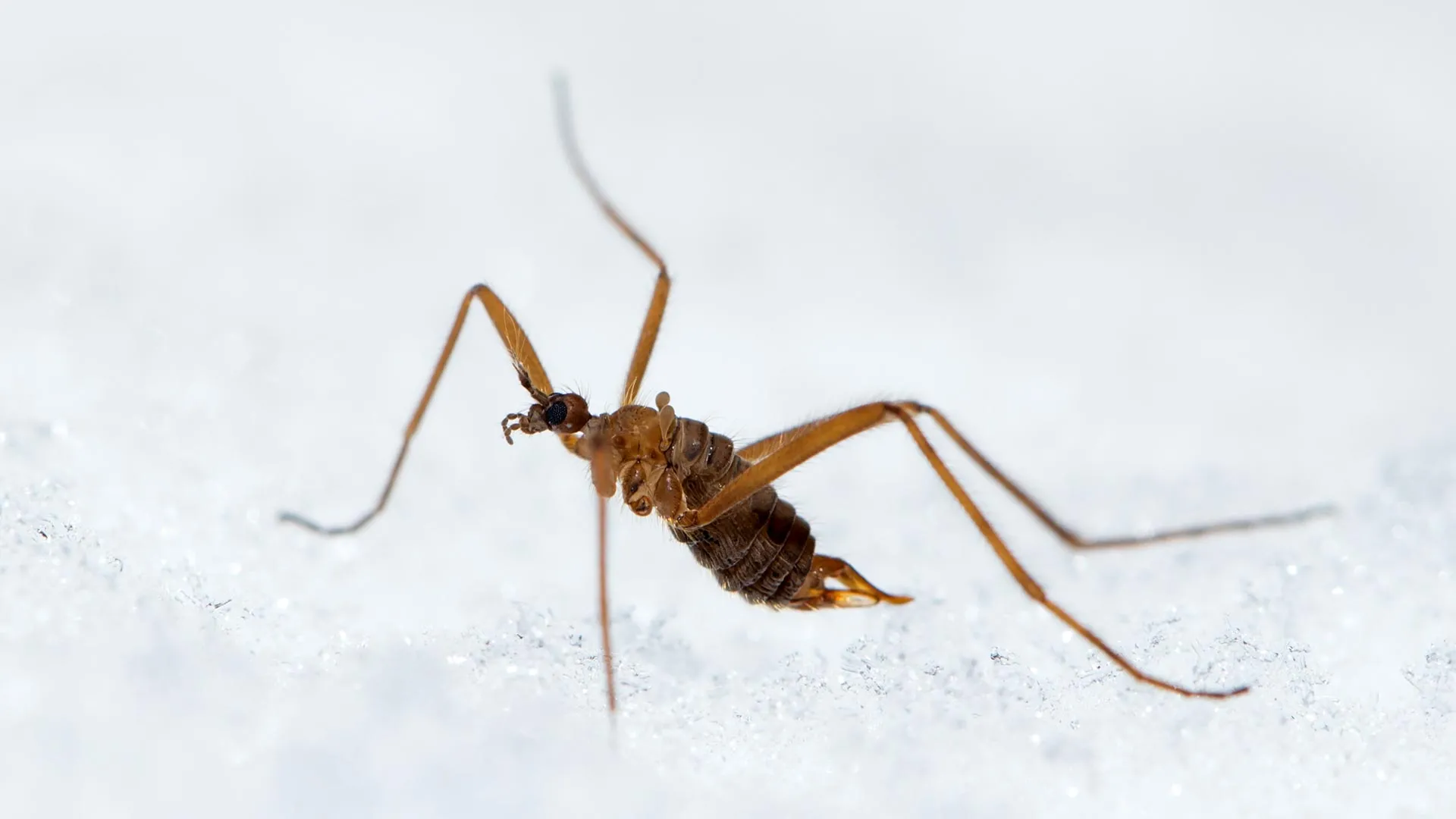
Scientists found a bug that generates its own heat in freezing cold
Scientists have discovered that snow flies have an unexpected way of surviving freezing temperatures. They produce antifreeze proteins to stop ice from forming inside their bodies. Even more surprisingly, they can generate their own heat. Researchers also found their genes are unusually unique, and they feel less cold-related pain than other insects. These combined traits let them stay active in conditions that would freeze most species.
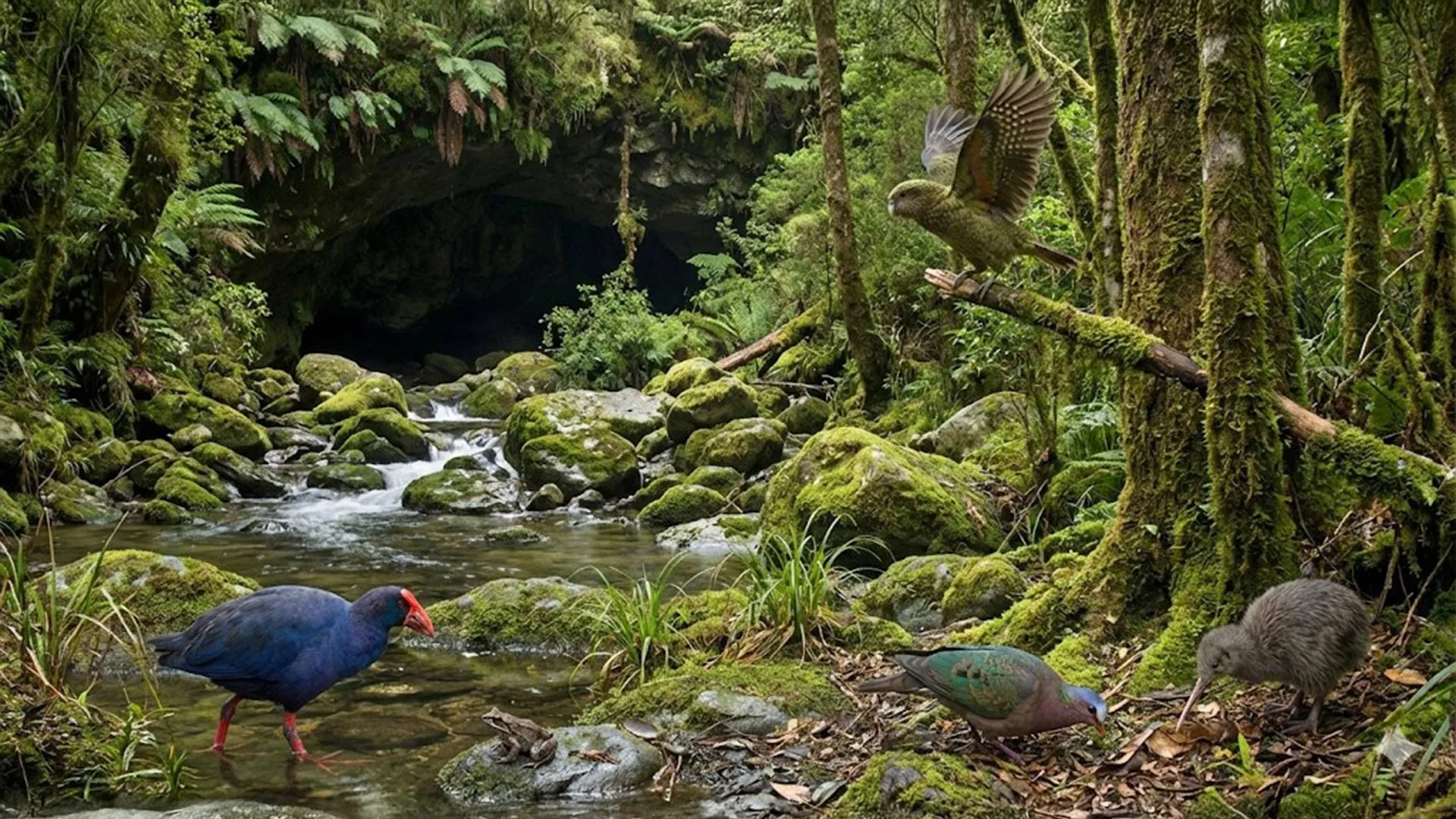
Scientists open a million-year-old time capsule beneath New Zealand
Deep inside a New Zealand cave, scientists uncovered fossils dating back roughly one million years. They identified remains from 16 different species, including a surprising discovery: an ancestor of the modern kākāpō that appears to have been able to fly. These fossils show that New Zealand's wildlife was repeatedly disrupted by volcanic eruptions and rapid climate changes. Scientists say this find opens a rare window into the islands' natural history before humans ever set foot there.

AI system learns to keep warehouse robot traffic running smoothly
MIT researchers partnered with the tech firm Symbotic to create an AI system for managing robot traffic in giant autonomous warehouses. The challenge: when hundreds of robots collect and deliver items, even small delays can cascade into major slowdowns. Their solution uses machine learning to decide which robots get priority at intersections, preventing jams before they start. The system could make online shopping logistics faster and more reliable.

Birutė Galdikas, primatologist who spent a lifetime studying & defending orangutans, has died at 79
Birutė Galdikas, a Lithuanian-Canadian primatologist, has died at 79. She was the third of the famous 'Trimates' — three women scientists chosen by Louis Leakey to study the great apes, alongside Jane Goodall and Dian Fossey. Galdikas spent nearly 50 years in the rainforests of Borneo and Sumatra, producing groundbreaking research on orangutans while establishing rehabilitation programs for orphaned and displaced apes. Her work helped turn the tide for a species once sliding toward extinction, inspiring conservation movements worldwide.

Most mass spectrometers handle a few molecules. This new prototype handles billions
Scientists have created a new mass spectrometry prototype that can analyze billions of molecules simultaneously, instead of just a few molecules one by one. The device boosts sensitivity dramatically, allowing researchers to detect rare molecules that were previously hidden. This could transform fields like drug discovery and single-cell biology, where finding needle-in-a-haystack molecules matters most.

Analysis: India’s CO2 emissions in 2025 grew at slowest rate in two decades
India's carbon dioxide emissions grew by only 0.7% in 2025, making it the slowest annual growth rate in more than 20 years. This is a dramatic drop from the 4-11% yearly growth seen between 2021 and 2024. The second half of 2025 alone saw emissions rise by just 0.5%, showing the slowdown is continuing. The data comes from official records on fuel use and industrial production across India's economy.

Brazil’s new law blames platform design for harming kids, not parents
Brazil has introduced a groundbreaking Digital Statute of Children and Adolescents that takes a unique approach to online safety. Unlike most regulations that focus on removing harmful content, this law targets the design features that make platforms addictive. It holds social media companies responsible for features that can harm young users, rather than placing the burden on parents. This represents a major shift in how governments approach child protection in the digital age.
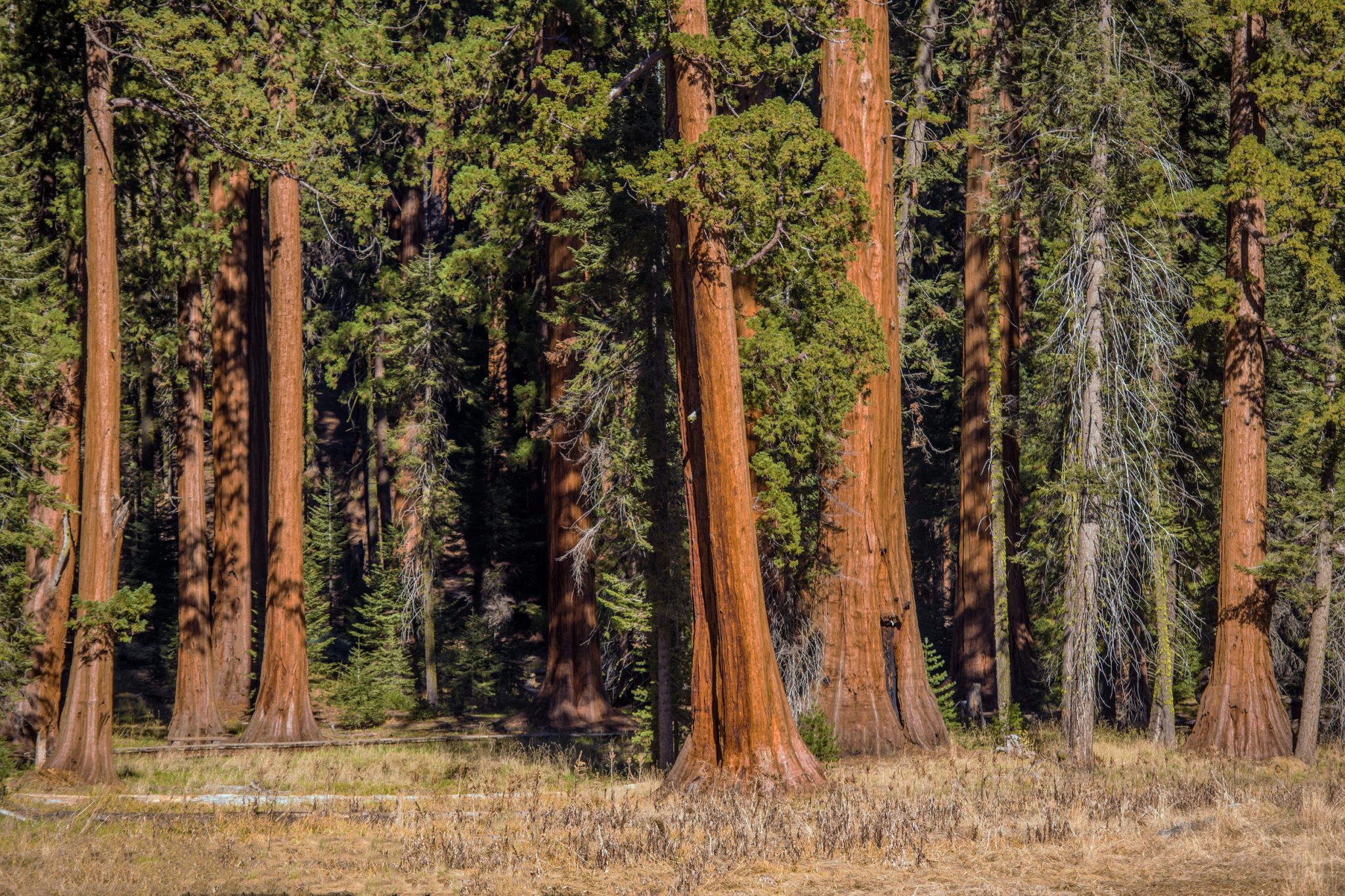
Giant sequoia clones from 3,000-year-old trees are taking root in Detroit
Giant sequoias are among the largest and longest-living organisms on Earth. These ancient trees can grow over 300 feet tall and live for more than 3,000 years. Now, volunteers with Archangel Ancient Tree Archive and Arboretum Detroit are planting clones of these ancient giants across Detroit neighborhoods. The saplings are being placed on vacant lots and underutilized land, bringing ancient forest genetics to an unexpected urban setting.
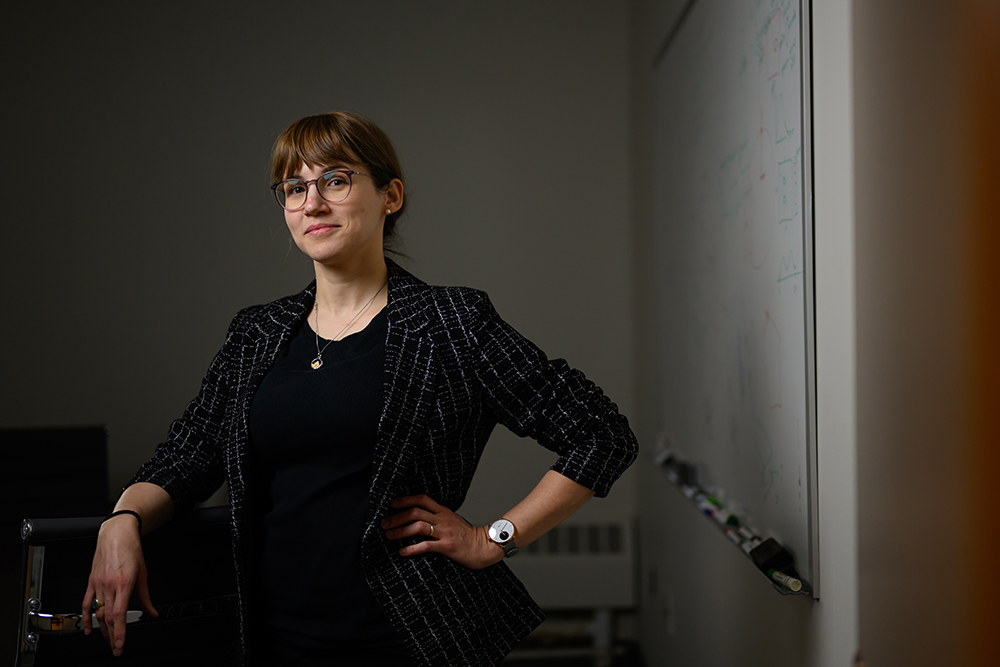
Championing fusion’s promising underdog
Sophia Henneberg grew up in a small town in central Germany, where she excelled at both math and physics. She almost didn't choose physics — deciding just one week before her college application was due. Now at MIT, she's championing stellarators, a promising type of fusion device that could one day deliver clean, abundant energy with almost no radioactive waste.
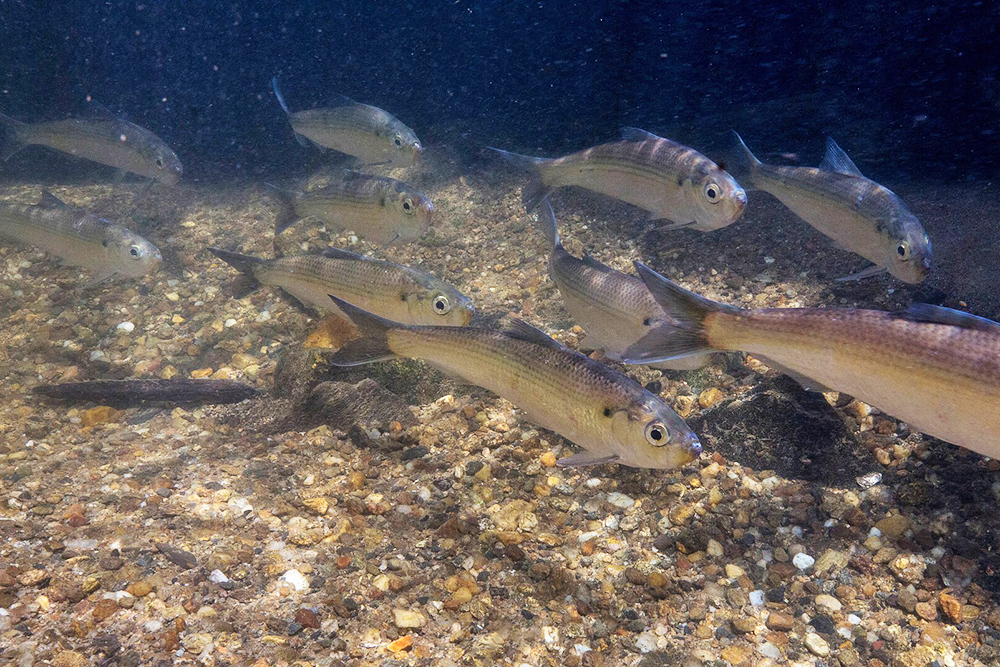
Augmenting citizen science with computer vision for fish monitoring
MIT researchers have developed a computer vision system to automatically count river herring during their annual migration along Massachusetts rivers. The AI technology uses cameras to track and count fish, replacing slower manual counting methods. River herring populations have declined sharply over decades, making accurate monitoring crucial for conservation. The system aims to provide more reliable data to help protect this important fish species.

Compost, racoons and sea turtle predation in Costa Rica
A new study from Guanacaste Province in Costa Rica reveals a surprising ecological chain reaction. When people throw vegetable and fruit peels in their backyards, raccoons are attracted to this easy food source. These raccoons then venture to nearby beaches where sea turtles nest, preying on their eggs and hatchlings. The researchers say proper composting — keeping organic waste sealed and contained — could break this harmful cycle and protect sea turtles.
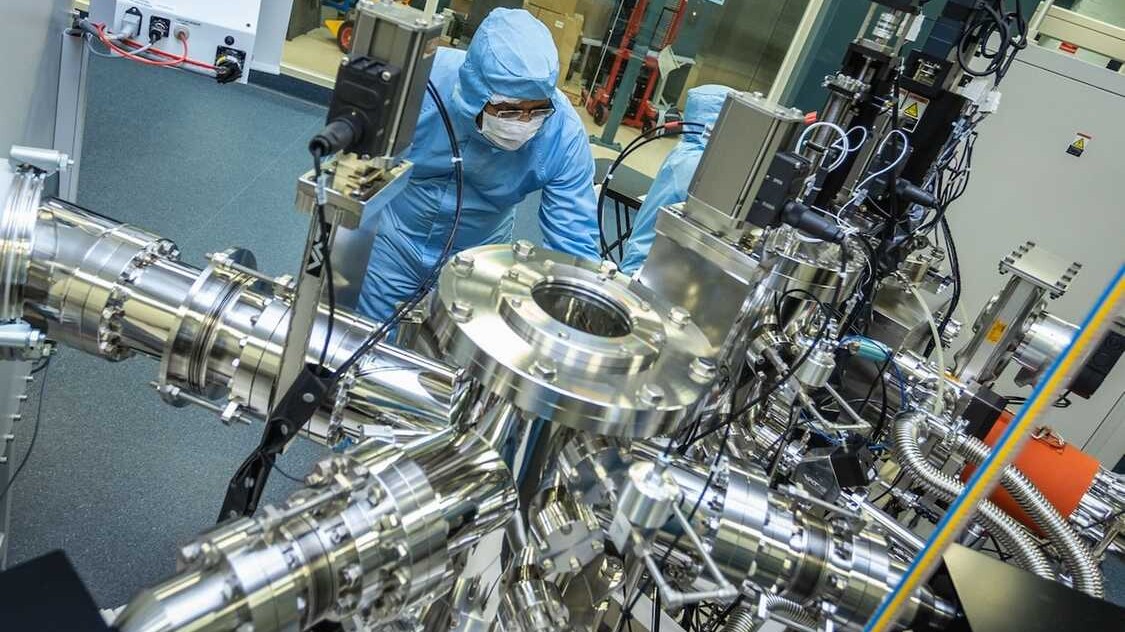
First Quantum Battery Prototype Marks Big Step for Technology Expected to Change the World
Scientists in Australia have created the world's first quantum battery prototype. This device was tested and charged wirelessly using a laser. The concept of quantum batteries has existed only in theory since 2013. While the prototype is far from ready to power electric cars or store energy for homes, the experiment shows important new directions for future research and development.
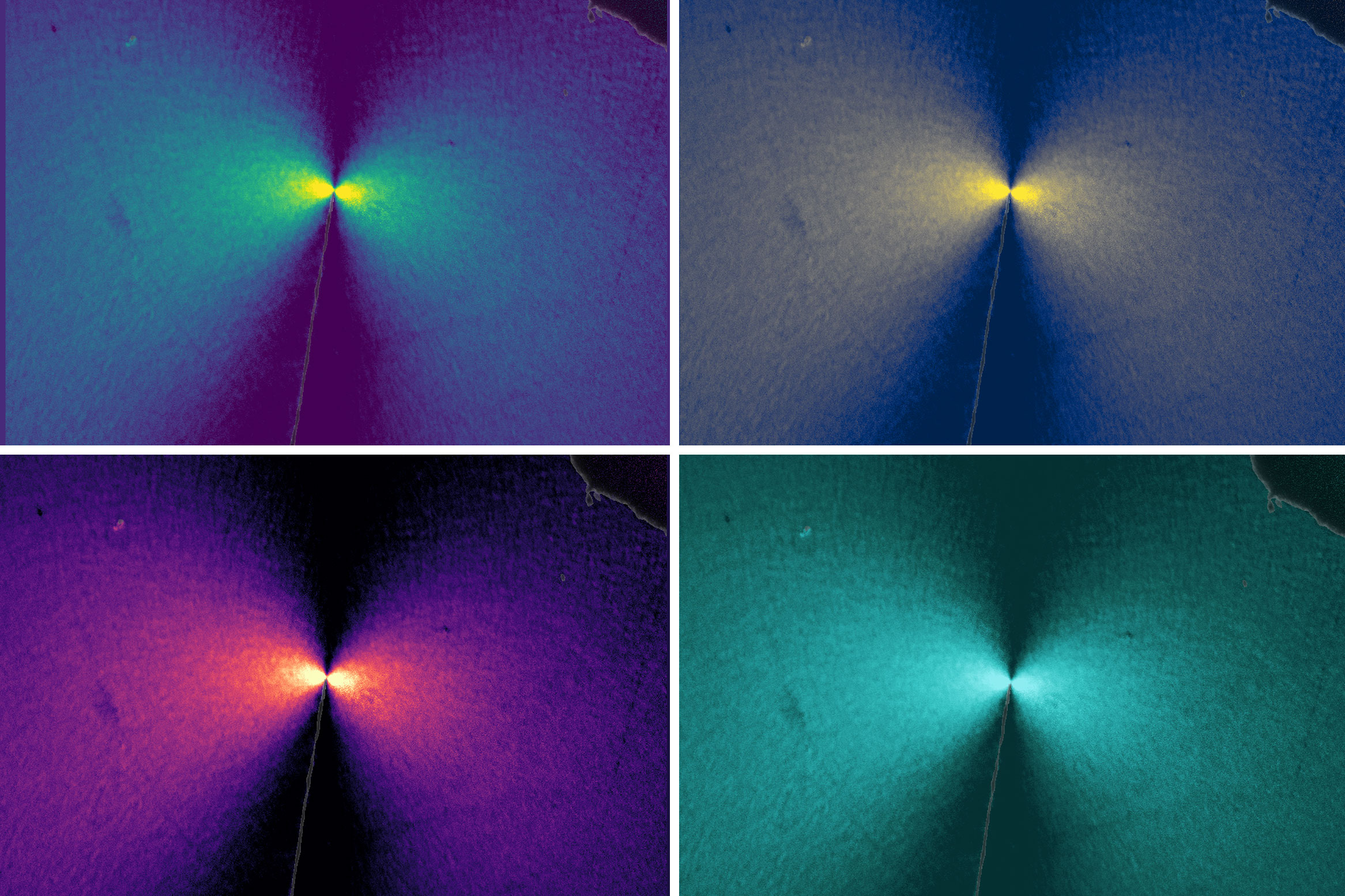
Why solid-state batteries keep short-circuiting
Solid-state batteries could be safer and store more energy than regular lithium-ion batteries. But they keep failing because tiny metallic cracks called dendrites grow inside them and cause short circuits. MIT researchers are now studying exactly how these cracks form, hoping to find a way to stop them. The goal is to make batteries that last longer and work better for everything from phones to cars.
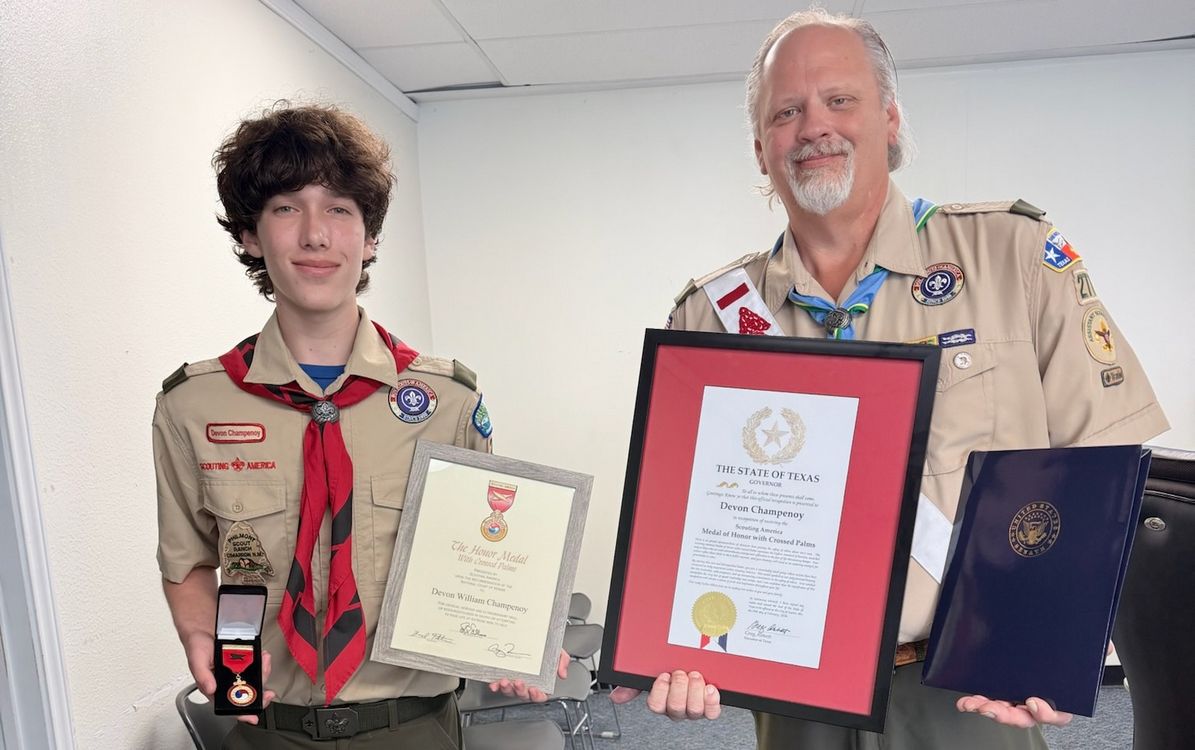
Teen Lifesaver Awarded One of Scouting’s Highest Honors After Harrowing Whitewater Rescue
Devon Champenoy, a teenager from Houston, Texas, became one of fewer than 300 people ever to receive a top Boy Scouts honor after saving his scout leader from drowning. The dramatic rescue happened on class 3 rapids at a summer camp nestled in Georgia's Blue Ridge Mountains. The commendation recognizes acts of unusual heroism where the person puts their own life at risk to save another. Scouting officials say such honors are extremely rare because the circumstances require genuine danger and extraordinary courage.
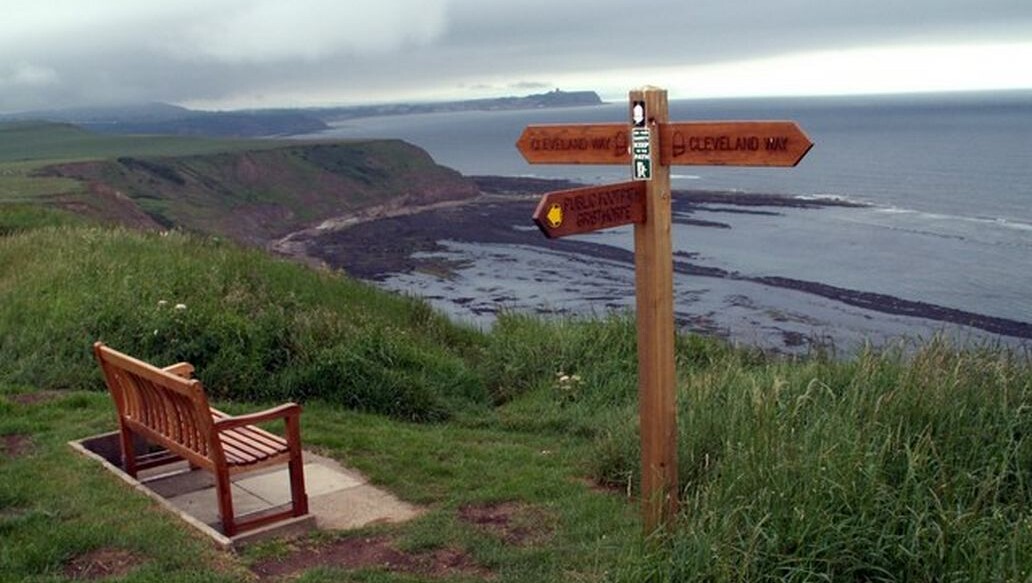
New Hiking Trail Traces the Entire Coastline of England–a 2,689-Mile Route Unlike Any in the World
England has completed the King Charles III England Coast Path, the world's longest continuous coastal hiking route. At 2,689 miles, the trail traces every inch of England's coastline, from the border with Scotland in the north down to Land's End in Cornwall. Hikers can now walk the entire English coast, passing through seaside villages, dramatic cliffs, and sandy beaches. The project fulfills a long-held dream of coastal access for the public, backed by Britain's 1949 law guaranteeing the right to walk along the coast.
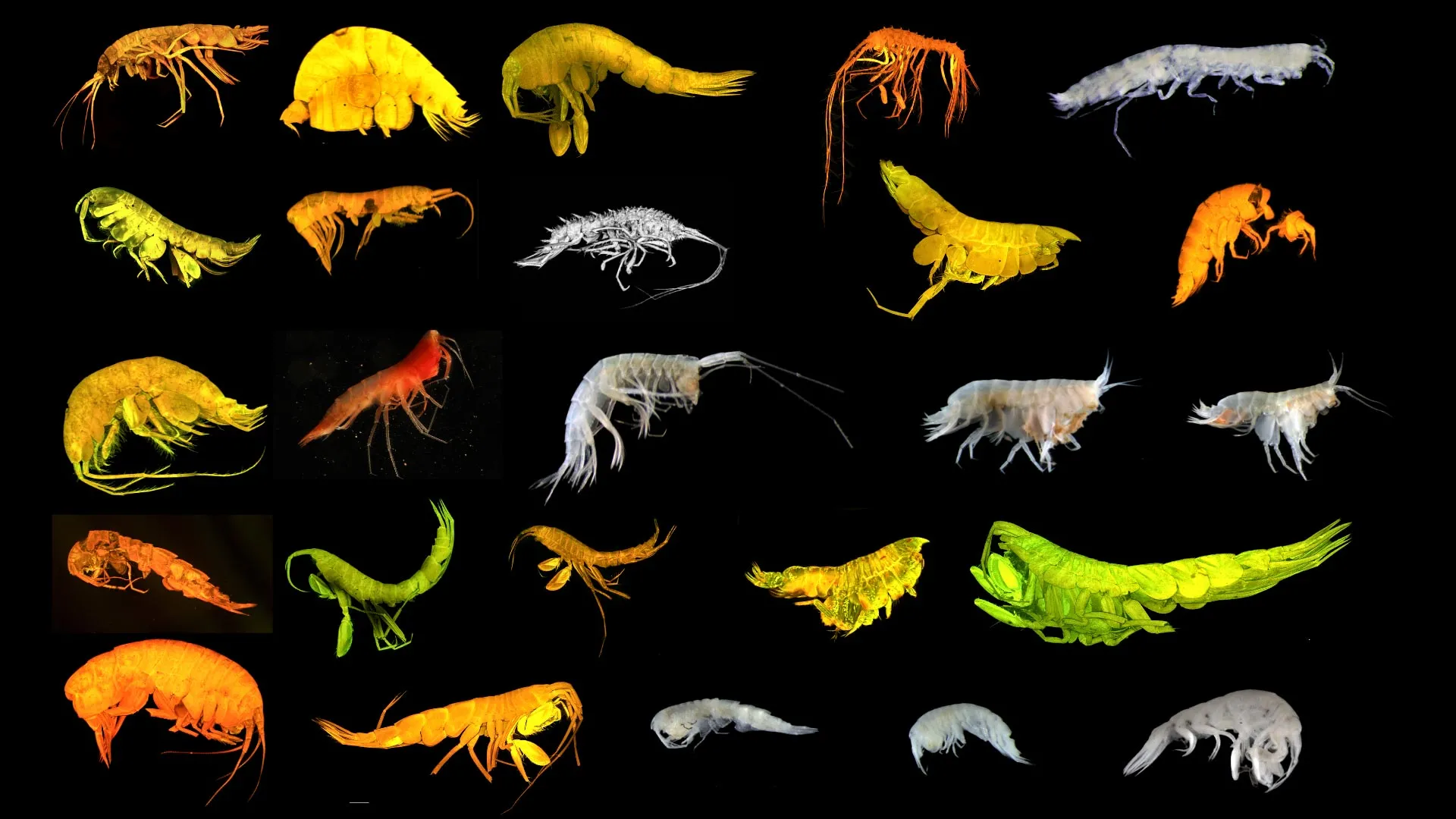
24 new deep-sea species found including a rare new branch of life
Researchers found 24 new species of tiny crustaceans called amphipods in the Pacific's Clarion-Clipperton Zone. One of these discoveries is a completely new superfamily—an entirely new branch of life that scientists rarely find. The creatures were living at extreme ocean depths, showing how much life exists that we have never seen. The findings push the limits of what we know about deep-sea biodiversity.
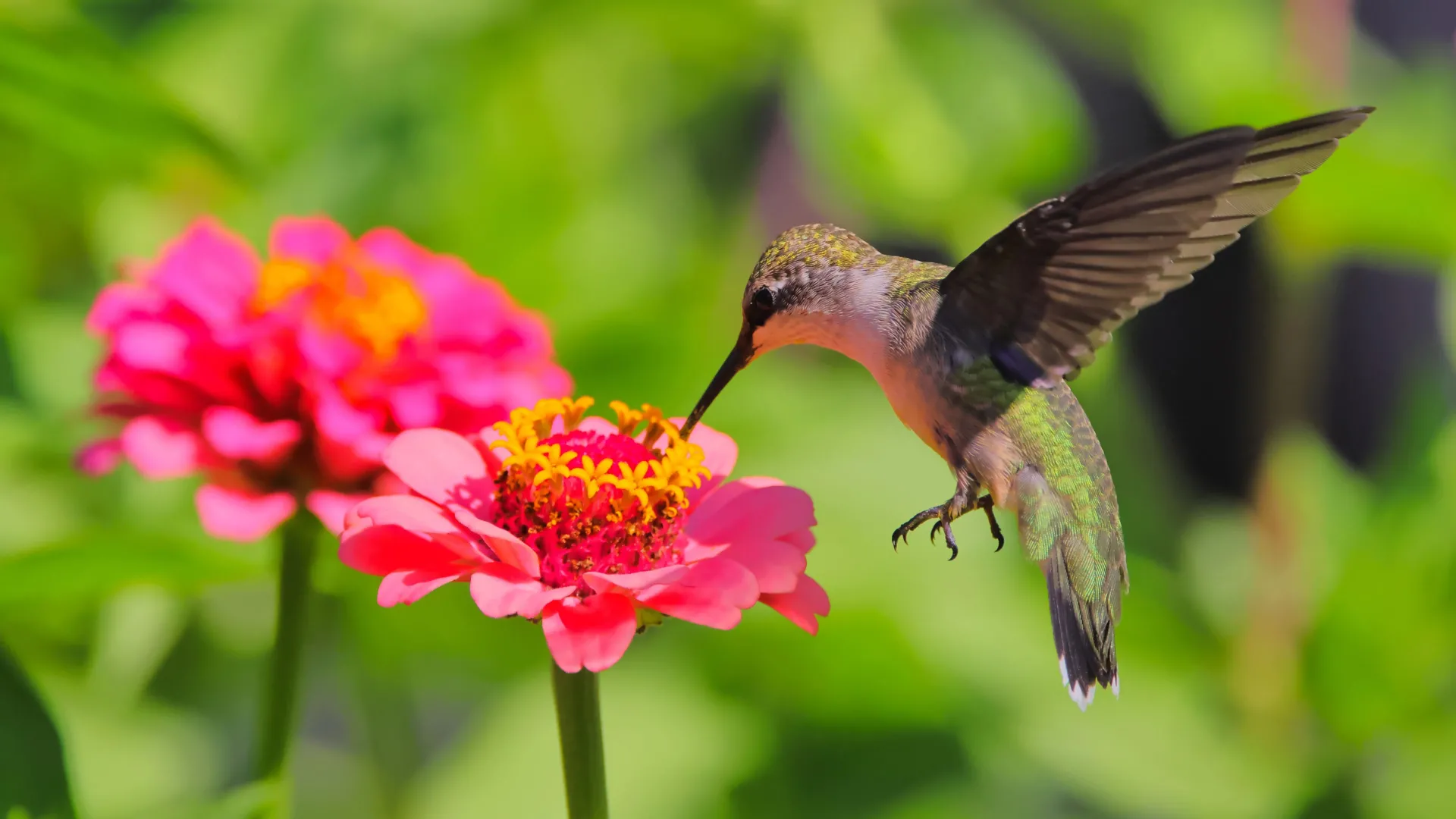
Scientists just discovered bees and hummingbirds are drinking alcohol
Flower nectar often contains tiny amounts of alcohol produced by fermenting yeasts. Bees and hummingbirds sip this boozy nectar all day long as they visit flowers. Despite consuming amounts that would make humans drunk, they never appear intoxicated. Scientists believe the pollinators have developed alcohol tolerance through evolution, possibly protecting them from the harmful effects of the ethanol in their daily food.
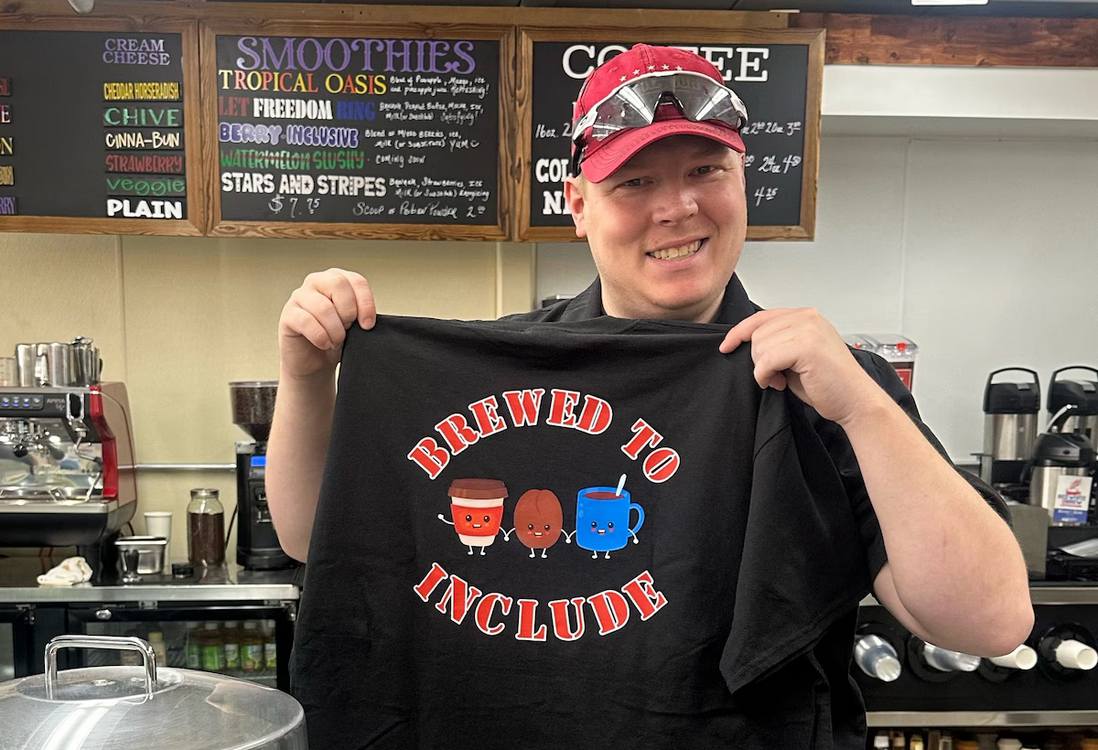
Community Rallies Around Local Autistic Barista After His Tip Jar Was Stolen
Michael Coyne, an autistic barista, was devastated when a thief stole his tip jar containing a day's worth of tips. The theft felt especially painful because he knows most of his regular customers by name. His community did not let him down — they rallied around him with messages of support and solidarity. The outpouring of kindness left the beloved barista completely speechless.
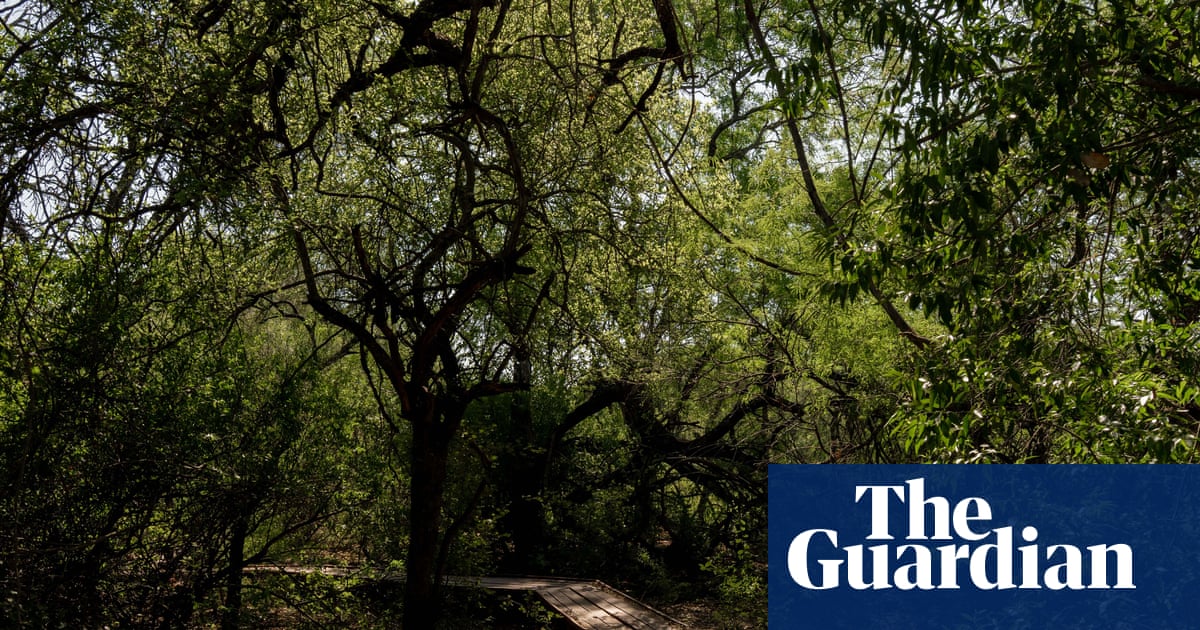
How weaving, glamping and kayak tours are helping to tackle deforestation in Argentina’s Gran Chaco
Small farmers and conservation groups in Argentina's Gran Chaco are protecting one of the world's largest semi-arid forests through eco-tourism. Local initiatives offer visitors experiences like traditional weaving, glamping, and kayak tours, providing income that doesn't require cutting trees. Farmer Jorge Luna, 55, chose conservation over logging, protecting his forest of molle, palo santo, and algarrobo trees.
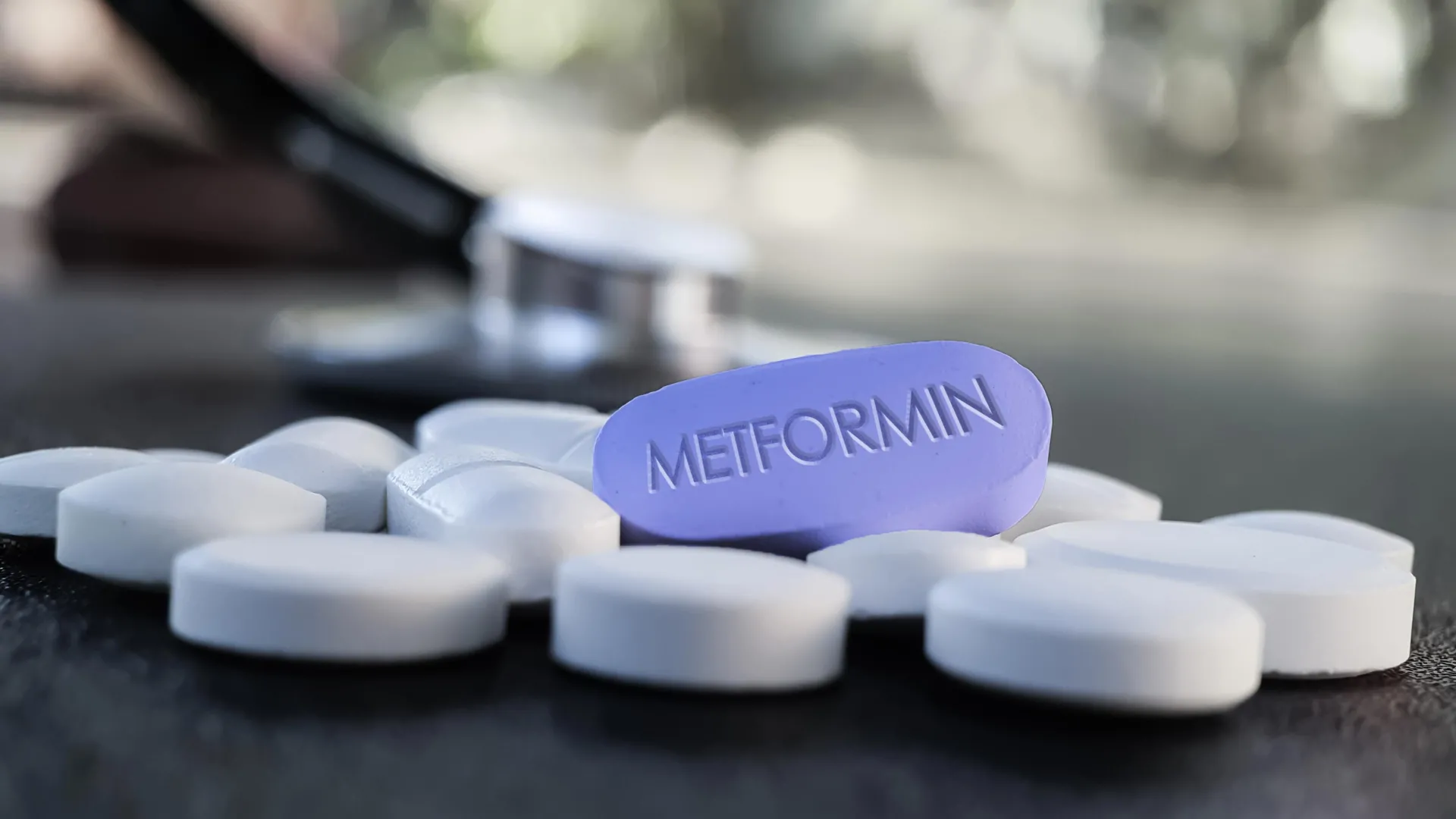
Metformin’s hidden brain pathway revealed after 60 years
Scientists made a major discovery about metformin, a drug used by millions for diabetes. They found that metformin works in the brain, not just the body as previously thought. The drug lowers blood sugar by switching off a key protein and activating specific neurons. This hidden pathway was unknown for 60 years and could lead to new and better diabetes treatments.