Latest News
Positive stories from around the world · Good news by country
Showing 3961–3984 of 37378 articles
EU-Canada Summit 2026: Leaders mark a historic moment in bilateral relations
European Commission President Ursula von der Leyen and European Council President António Costa took part in the EU-Canada Summit. The summit was hosted by Canada's prime minister. The article describes it as a historic moment in relations between the two sides. The supplied excerpt does not give details about any agreements or results.
Wales complete Japan double to end WXV on a high
Wales defeated Japan 29-5 in Kumagaya City, completing two wins over the Sakura Fifteen. Wales finished the WXV Global Series with three victories, after going nine Tests without a win before the tournament's South Africa game. Japan have yet to win since May.
Olsen-Baker named Women's World Player of the Year
Kaipo Olsen-Baker, a 24-year-old New Zealand flanker, was named World Rugby Women's Player of the Year. She beat three finalists from Canada and England. Teammate Elinor-Plum King won Breakthrough Player of the Year after scoring three tries in her first season. Both awards were presented before home supporters in Christchurch.

Five species can obey the rules—and still collapse into a cycle
Researchers built a five-species model that follows two proposed rules for long-term survival, yet is not stable. An interior balance point exists, but a repeating cycle near the model's boundary draws in some populations. The finding disproves a conjecture about these rules and applies to models with five or more species.

The atmosphere’s power budget may be hiding a whole extra watt
Researchers compared two ways to estimate power in Earth's atmosphere using data from three global weather reanalyses. The estimates differed, so one method cannot serve as an independent check on atmospheric power. The study estimates total atmospheric power at about 3.8–4.1 watts per square meter when rain's weight is included and assumes certain forces add power. It calls for more work to find the sources of atmospheric energy.
Why two networks with the same size can have different dimensions
The paper studies fractal dimensions, which describe patterns that repeat across scales, in complex networks. It uses q-energy and Rényi entropy to define and compare measures. The authors prove bounds and examine how the measures behave across graph families. The work is mathematical research, not a report of a real-world intervention.
A robot’s 17-second needle-planning problem shrinks to a third of a second
A research team created an Orientation-Based Reachability Map for a surgical robot used in liver ablation. The map stores where the robot can safely reach, so the system can look up options instead of solving the problem each time. Planning time fell from as much as 26.9 seconds to about 0.3 seconds per target. The work is a planning method, not a report of patient treatment results.
The same environmental swing can save a food web—or tip it into collapse
The study identifies a new kind of tipping point called frequency-induced tipping. Repeated environmental changes can destabilize a predator–prey model when they match its natural rhythm, even if each change stays below the usual threshold. Simulations show predators may disappear, or both predators and prey may go extinct. The work adds timed, repeating forces to the ways scientists explain sudden system collapse.
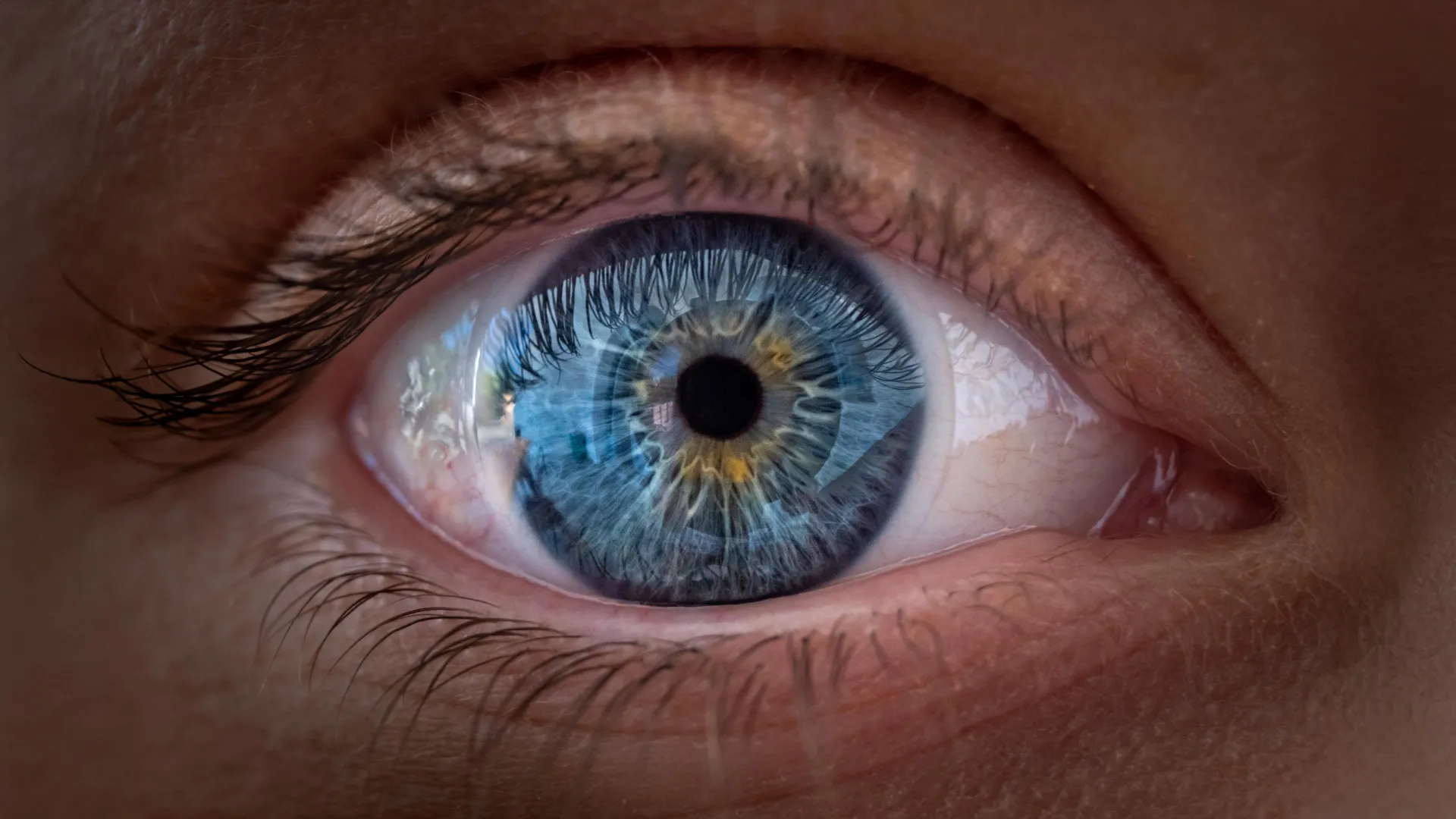
A surprising vitamin A discovery is changing what scientists know about vision
Researchers at Johns Hopkins University used tiny human retinas grown in a lab to study eye development. They found that a vitamin A derivative and thyroid hormones work together to shape the foveola, the small area that gives us our sharpest vision. The finding challenges past ideas about how the eye forms before birth. It may help scientists better understand vision development.
Federal funding available for strengthening food growth innovation
The Government of Canada announced a $750-million program for controlled-environment agriculture, such as growing food indoors. It aims to support steady access to fresh, affordable, high-quality food. The brief report does not say how the funding will be divided or when projects will begin.
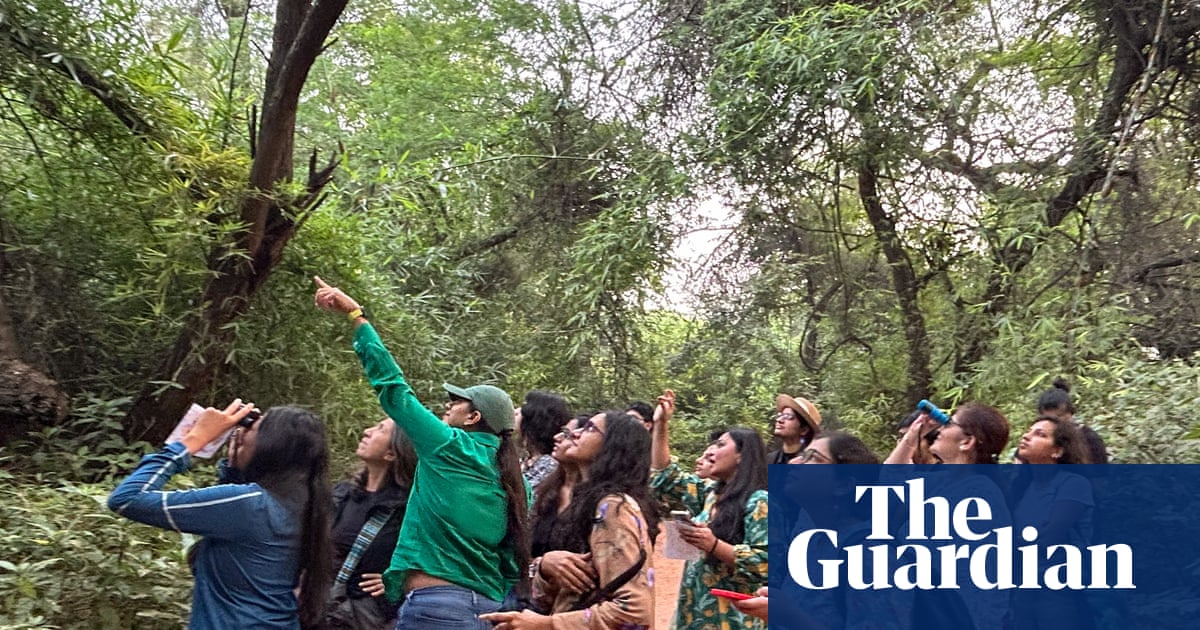
‘Don’t worry about the leopard. It’s a man you don’t want to run into’: Delhi women reclaim the outdoors
About 20 women gathered for a nature walk in Sanjay Van, a forest in Delhi. Many described being stalked, questioned, or threatened while exploring outdoors. After a teenager was raped in a public park, officials banned entry to parks after sunset. The women organize walks in groups and help each other get home safely.
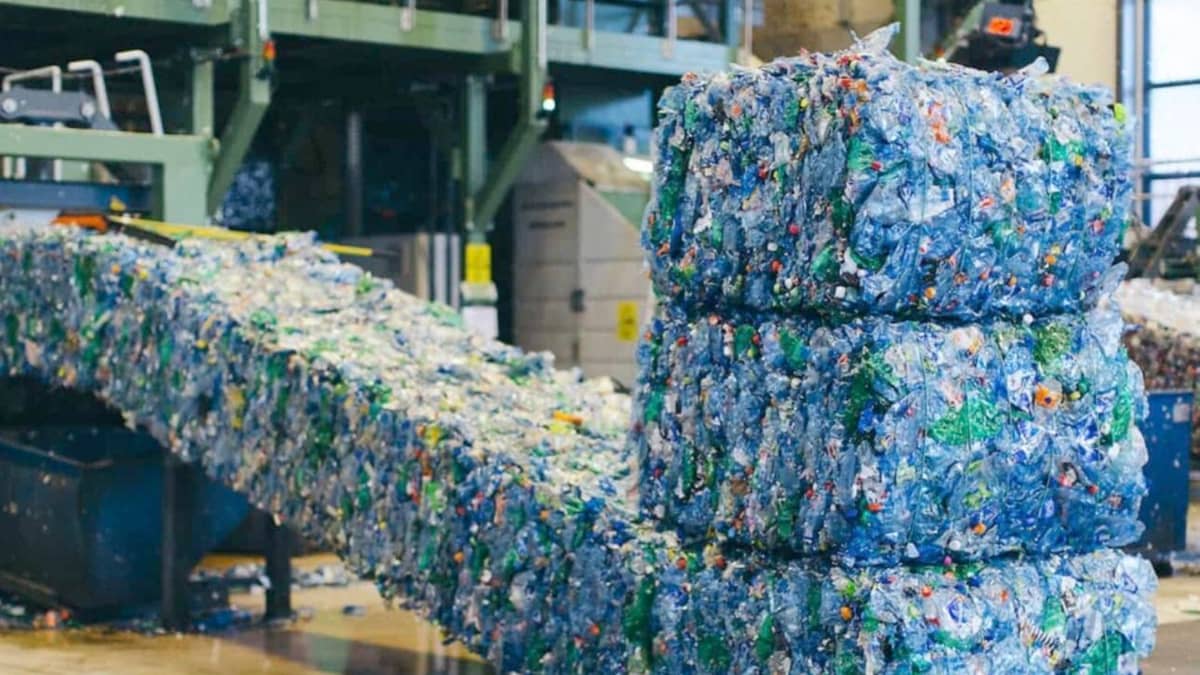
Green Trade to Create 9.5M Jobs Globally by 2030, ILO Study Reveals
An International Labour Organization study projects 9.5 million more jobs worldwide from green exports by 2030. China could gain 3.63 million jobs, while East Asia and the Pacific may add 2.37 million. Tariffs and trade barriers could erase about 530,000 potential jobs. The report also warns that manufacturing jobs may remain harder for women to access.

Personalized score uses ten blood markers to flag disease risk and assess healthy aging
European researchers have created a personalized score based on 10 blood markers. It measures chemicals linked to how the body works, offering a snapshot of metabolism. The tool aims to flag disease risk and support healthy aging. The article does not name a country or report test results.

Spatial mapping reveals how human urogenital organs codevelop during organogenesis
A new study mapped human urogenital development in its natural spatial setting. It shows how neighboring organs develop together during early growth. Cells communicate through molecular signals, helping coordinate this process. The map could help researchers better understand how these organs form.
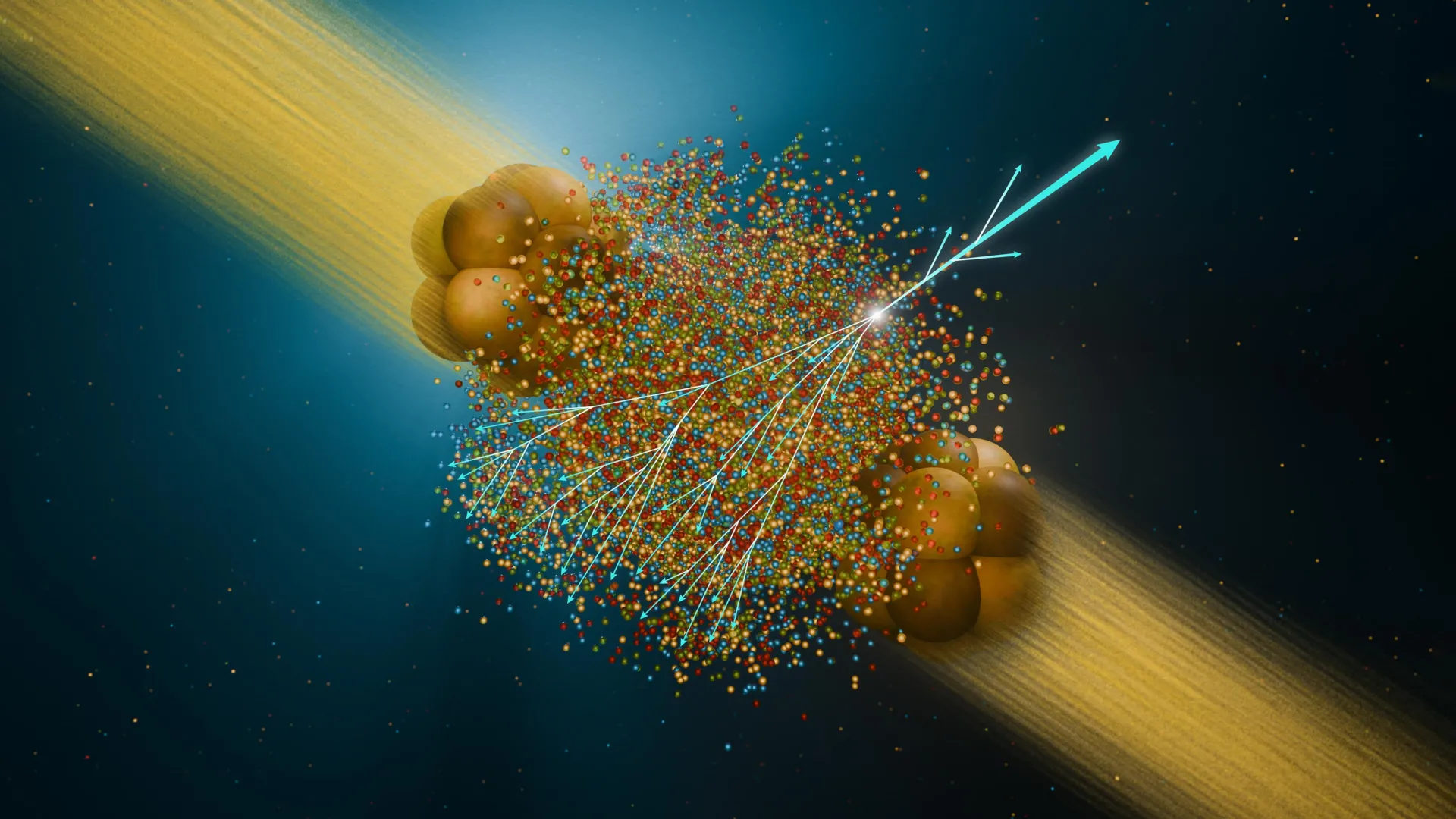
Scientists smash oxygen nuclei to recreate matter from the Big Bang
Scientists used collisions between oxygen nuclei to recreate a hot, dense state of matter from the early universe. This matter, called quark-gluon plasma, can form when tiny atomic cores smash together. The results show it can appear in smaller collisions than scientists had shown before. This could help researchers understand how matter behaved just after the Big Bang.

Scientists develop new system to boost prime editing in dicot plants
Researchers at the Chinese Academy of Sciences developed SmartPE to make prime editing work better in dicot plants. The system uses carefully placed DNA mismatches to help cells keep intended edits. It reached up to 20% efficiency in some tests and enabled edits in crops including tomato, soybean, and rapeseed. Soybean plants still need more testing because only mixed-cell edits were achieved so far.
US beats Canada 4-0 in 2nd of 2 exhibition games ahead of the women’s worlds | AP News
Gwyneth Philips stopped all 13 shots she faced as the United States beat Canada 4-0. The game was played at USA Hockey Arena in Plymouth, Michigan. It was the second of two exhibition games between the teams before the women’s world championship.
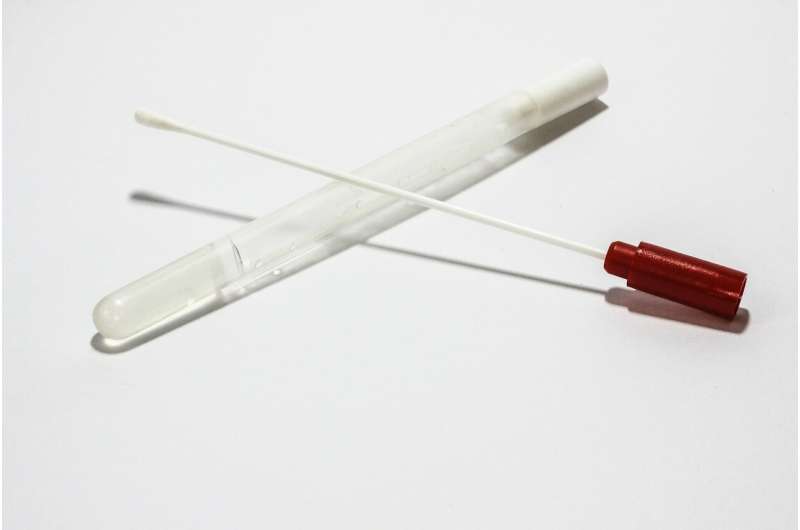
New swab test could spare some women a painful biopsy for endometrial cancer
PinkDx is testing a vaginal swab that looks for genetic material from dying cancer cells. The study is running at 16 U.S. sites and plans to enroll about 3,000 women. An early test found the cancer signal in swabs from 27 women, but larger studies must confirm the result. The company hopes the test could spare some women a biopsy by mid-2027.

A simple blood test could reveal Alzheimer’s risk 10 years before symptoms
An international study found that a blood test may predict Alzheimer’s-related cognitive decline years before symptoms appear. People at highest risk had a 38% chance of impairment within five years and an estimated 78% chance within 10 years. The test could help researchers plan earlier care and develop treatments to prevent symptoms.

Webb reveals stunning panorama of star formation
The James Webb Space Telescope captured one of its largest public images of IC 348, a nearby region where stars form. Researchers used it to search for brown dwarfs, objects too small to become stars. They found some with just twice the mass of Jupiter, extending study of these objects to a lower mass.

ESA welcomes new UK space and defence gateway
King Charles III visited the UK’s largest space cluster at Harwell, Oxfordshire, on 10 July. The visit marked the launch of a new space and defence initiative. Its goal is to help shape the future of the UK’s space and defence economy. The article does not name specific projects or funding.

First contracts kick off European Launcher Challenge
The European Space Agency (ESA) has signed the first contracts for its European Launcher Challenge. The initiative aims to expand Europe’s launch options by working with launch service providers. The supplied article text does not name the companies or contract values.

Watch the total solar eclipse with ESA in León
The European Space Agency is joining the City of León and the University of León for a total solar eclipse event. Visitors can explore the science behind the eclipse through daytime and evening activities in León, Spain. ESA also shares a guide for watching the eclipse live from home on 12 August.
Coral reefs: Scientists explore way to help bleached coral 'recover' - BBC Newsround
A study reported that bleached coral almost fully recovered after about two weeks beside healthy coral. The short article excerpt does not say where the researchers worked or explain how the coral was paired. The finding may point to a way to help damaged reefs recover, but more details are needed.