Latest News
Positive stories from around the world · Good news by country
Showing 481–504 of 37342 articles

Getting blood out of bone
Researchers found heme, a blood molecule, inside a fossilized dinosaur bone for the first time ever. The dinosaur, Aratasaurus museunacionali, lived in what is now Brazil about 115 million years ago. Tiny oval structures in the bone may be preserved red blood cells. The fossil also survived past mining blasts and a 2018 museum fire.

Researchers develop a novel scaffold HPK1 inhibitor for cancer immunotherapy
Researchers at the Hefei Institutes of Physical Science in China developed a new drug candidate called IHMT-HPK1-550. It is a small molecule that blocks a protein named HPK1. HPK1 can weaken the immune system's ability to fight cancer, so blocking it may help the body attack tumors. The work was led by professor Liu Qingsong and published in the Journal of Medicinal Chemistry.

New theoretical model allows for sustained entanglement between diamond qubits at greater separations
Physicists at the University of Delaware have proposed a new theory for diamond qubits. Qubits are tiny units that store information in quantum computers. Their model uses microwaves to keep the qubits linked, even when they sit far apart. The study is accepted in the journal Physical Review B and posted on arXiv.

Two new studies point to advances in personalized lung cancer treatment
Lung cancer is the leading cause of cancer death in the United States. For a growing number of patients, the outlook is getting better. Doctors are tailoring treatment to each patient, and two new studies support that approach. Marina Garassino, a lung cancer specialist at the University of Chicago Medicine, is helping lead the work.

Simple 'grow-and-repel' rule explains how brain immune cells organize themselves to protect nervous tissue
Microglia are the immune cells of the brain. During early development, they must spread across brain tissue to watch over it and fight threats. Researchers found that a simple "grow-and-repel" rule explains how they do this. Each cell only senses its immediate surroundings, yet the cells still cover the tissue without gaps.
Klopp advice and Iraola confidence boosts Wirtz
Florian Wirtz, a football player, says he feels the best he has since joining Liverpool. He gives credit to advice from Jurgen Klopp, a former coach, and to confidence from Arne Iraola. The article is a sports interview about his recent form.

Kenya leading in green skills and curriculum reform, report shows
A new report says Kenya is leading in green skills and curriculum reform. Kenyans spend about 8.3 years in school on average, while the African average is 7.1 years. Adjusted for literacy, Kenya's learning level is about 4.5 years, above the African average of 3.8. The report praises Kenya's move to competency-based education, which focuses on what students can actually do.

Ecuador’s bioeconomy plan vows sustainability, but faces a test of government priorities
Ecuador's government has approved a new 10-year plan called the National Bioeconomy Strategy. It runs through 2036 and supports business that uses the country's natural resources in a careful way. The plan covers farming, ecotourism, and other rural industries. It also aims to protect ecosystems and Indigenous communities.

Tiny tracker reveals the longest ever recorded hummingbird migration
Researchers used a very small tracker to follow a hummingbird on a long trip. The bird flew 6,526 kilometers (4,055 miles) from Alabama to Alaska. The trip took only 38 days, which is the longest hummingbird migration ever recorded.
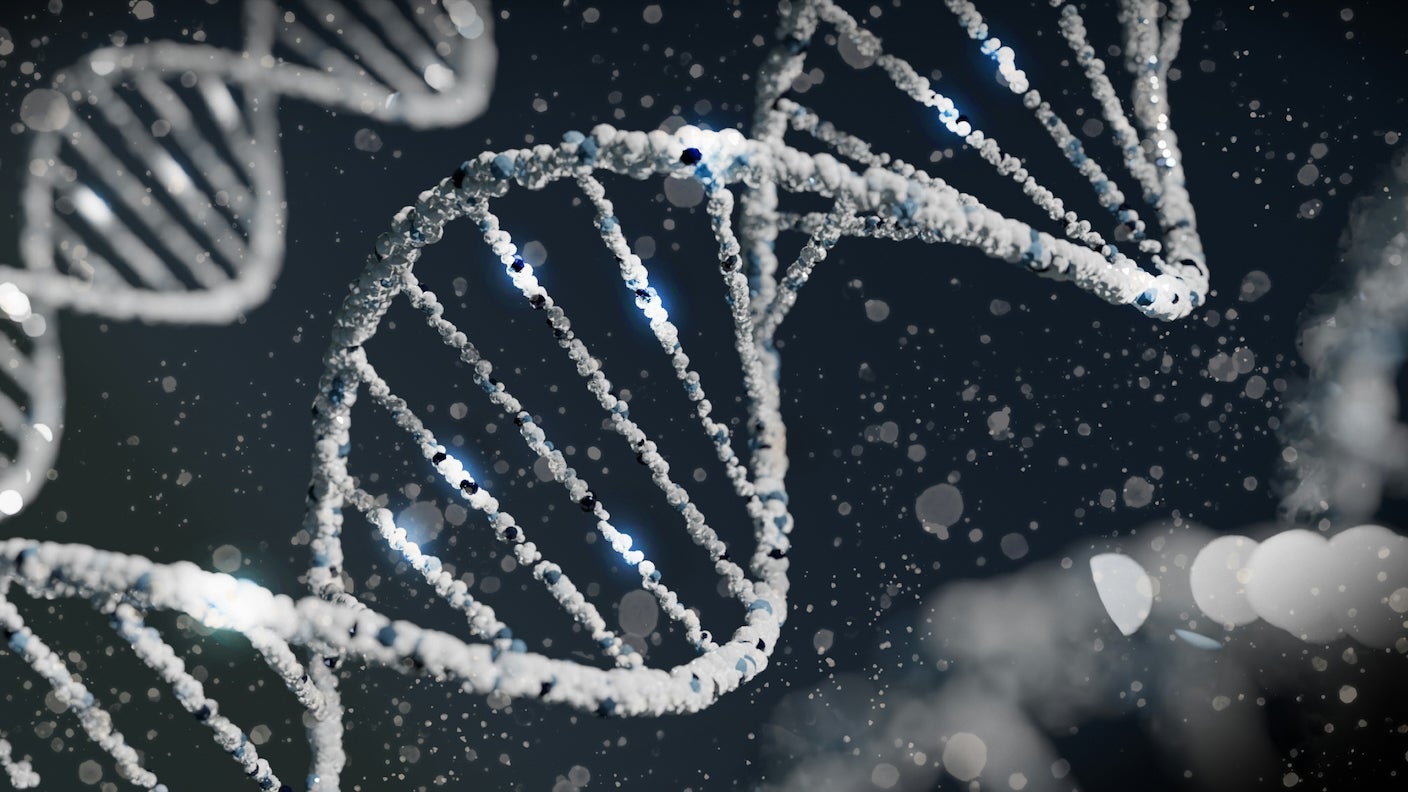
FDA Set to Approve First CRISPR Therapy That Edits Genes Inside the Body
The US Food and Drug Administration (FDA) is close to approving lonvo-z, a new gene editing treatment made by Intellia Therapeutics. It treats hereditary angioedema, a genetic disorder that causes painful and sometimes dangerous swelling. Unlike current CRISPR treatments, it edits genes directly inside the body, and the infusion takes about four hours. In trial results, attacks fell by 87 percent, and the benefit lasted four years with no serious safety events.
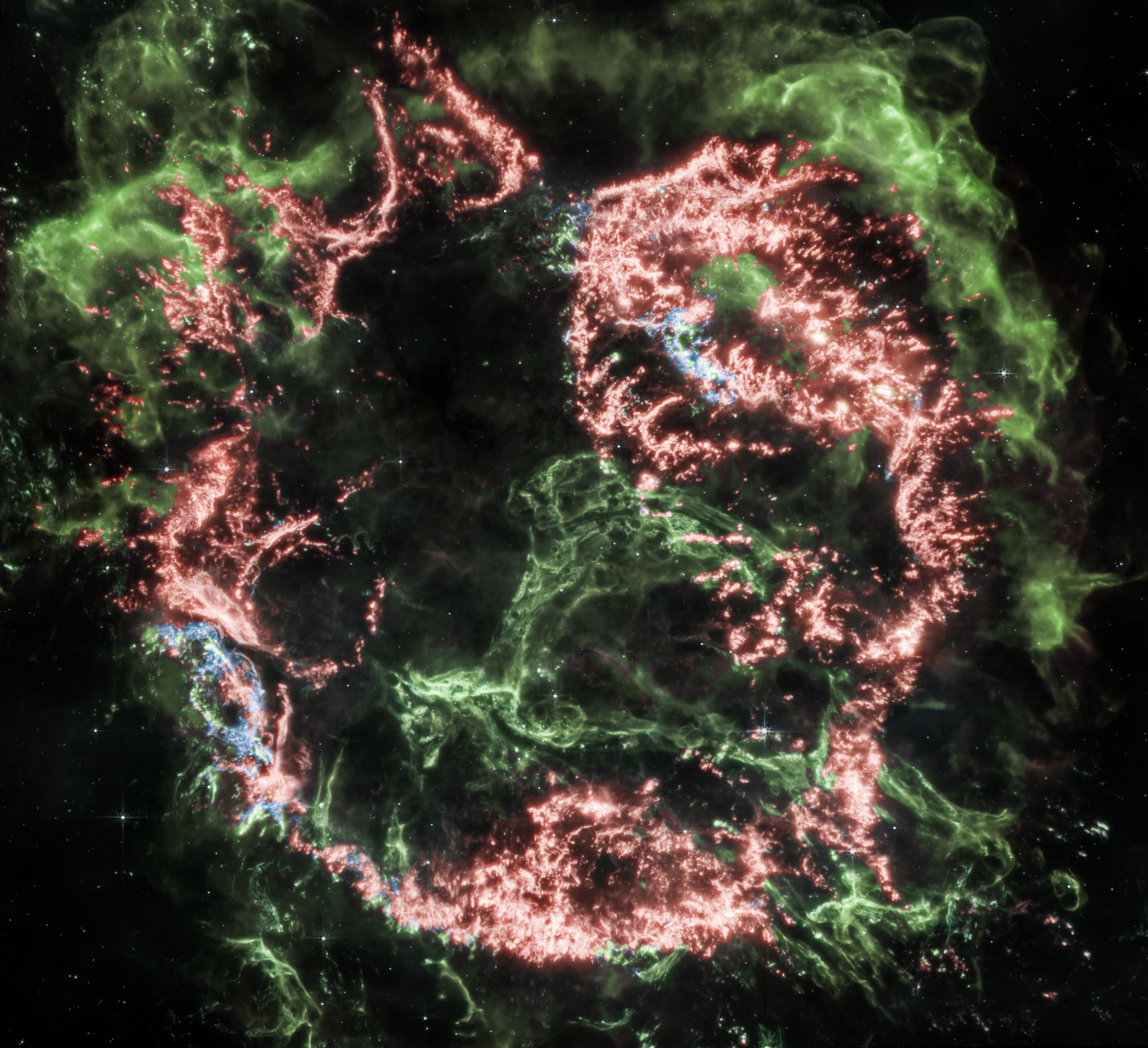
Webb Reveals New Details in Supernova Remnant
NASA's James Webb Space Telescope captured a new image of hot dust in Cassiopeia A, also called Cas A. This is the cloud of gas and dust left after a huge star exploded. The dust may help scientists learn how the star was built. The data suggests the star's inside changed sharply, possibly just hours before it blew up.

Ice near Antarctica's surface could unlock climate clues millions of years old
Some of the oldest clues about Earth's past climate are stored in ice close to Antarctica's surface. Researchers at Vrije Universiteit Brussel (VUB), a university in Belgium, are studying these ancient ice archives. The work comes with two new field trips to Antarctica. Scientists hope the ice will help them understand how the planet's climate has changed over millions of years.
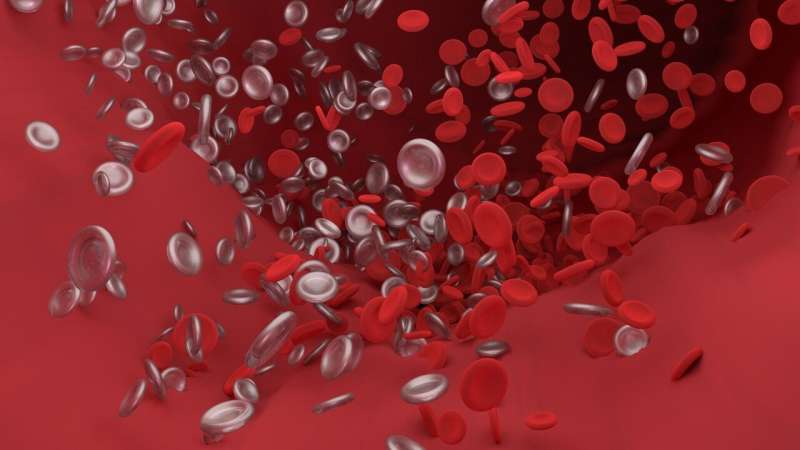
Large clinical trial clarifies clot prevention trade-offs after hip and knee replacement
A large trial with several research sites has given new answers about blood clot medicines. These medicines are often given after hip and knee replacement surgery. Researchers at the University of Maryland School of Medicine helped run the study. The results show the benefits and risks of each option more clearly.

Water signals could guide future efforts to image supermassive black hole shadows
University of Hawaiʻi at Mānoa researchers are exploring a new method to study supermassive black holes. These are huge objects that sit at the centers of galaxies. The team suggests that signals from water in space could help future telescopes capture images of black hole shadows.

Deep-sea clam discovered living inside the throat of a sea urchin
Scientists have discovered a new species of clam living inside the throat of a deep-sea sea urchin. The clam is named Vaticinaria gulicola. It was found on the ocean floor of the Great Australian Bight, about 4,000 to 5,000 meters deep. This is one of the most unusual partnerships known among clams.

Blood tests and new cancer models reveal how small cell lung cancer responds to and resists tarlatamab
Researchers at Dana-Farber Cancer Institute in the United States studied small cell lung cancer. They used a simple blood test and new lab models to follow how tumors respond to the drug tarlatamab. The study found a tumor subtype that benefits most from the treatment. It also revealed two ways the cancer can resist the drug, which could guide future treatments.
Rees-Zammit 2.0
Louis Rees-Zammit spent 18 months playing American football in the United States. He returned to rugby heavier and with a stronger leg drive. His coach says he is now a better winger and finisher. This season he scored five tries in five games for Bristol.

Programming cancer immunity with 3 mRNAs: Development of a modular mRNA cocktail
Researchers at Kanazawa University in Japan built a modular mRNA cocktail that carries three instructions for the immune system. The mix combines a cancer antigen, a signal booster called CD80, and a cytokine that stays on the cell surface. In mice, the number of cancer-attacking T cells more than doubled, tumors shrank, and the animals lived longer. The team says the platform could lead to vaccines tailored to each patient's cancer.

Designing and optimizing genetic circuits in biology
Genetic circuits are small systems built from DNA pieces that tell cells what to do. They are useful in health care and making products, but getting them to work well is hard. Dr. Qing Sun and colleagues wrote a review paper with a step-by-step guide. It includes a troubleshooting method to find and fix problems in these circuits.

Four radiation belts surrounded Earth for weeks after 2024 solar superstorm
Scientists saw Earth briefly develop four radiation belts after a strong solar storm in May 2024. Normally there are two belts of trapped energetic particles around Earth. The belts lasted more than four weeks before returning to the usual two. The team used data from ESA's PROBA-V satellite to make the first direct observation of this pattern.

A new drug treatment for head and neck cancer
The U.S. Food and Drug Administration approved amivantamab on November 5 to treat head and neck cancer. It is the first new option in seven years. The drug blocks two growth receptors at once, which makes it harder for cancer cells to adapt. Yale School of Medicine researchers led the clinical trials that supported the approval.
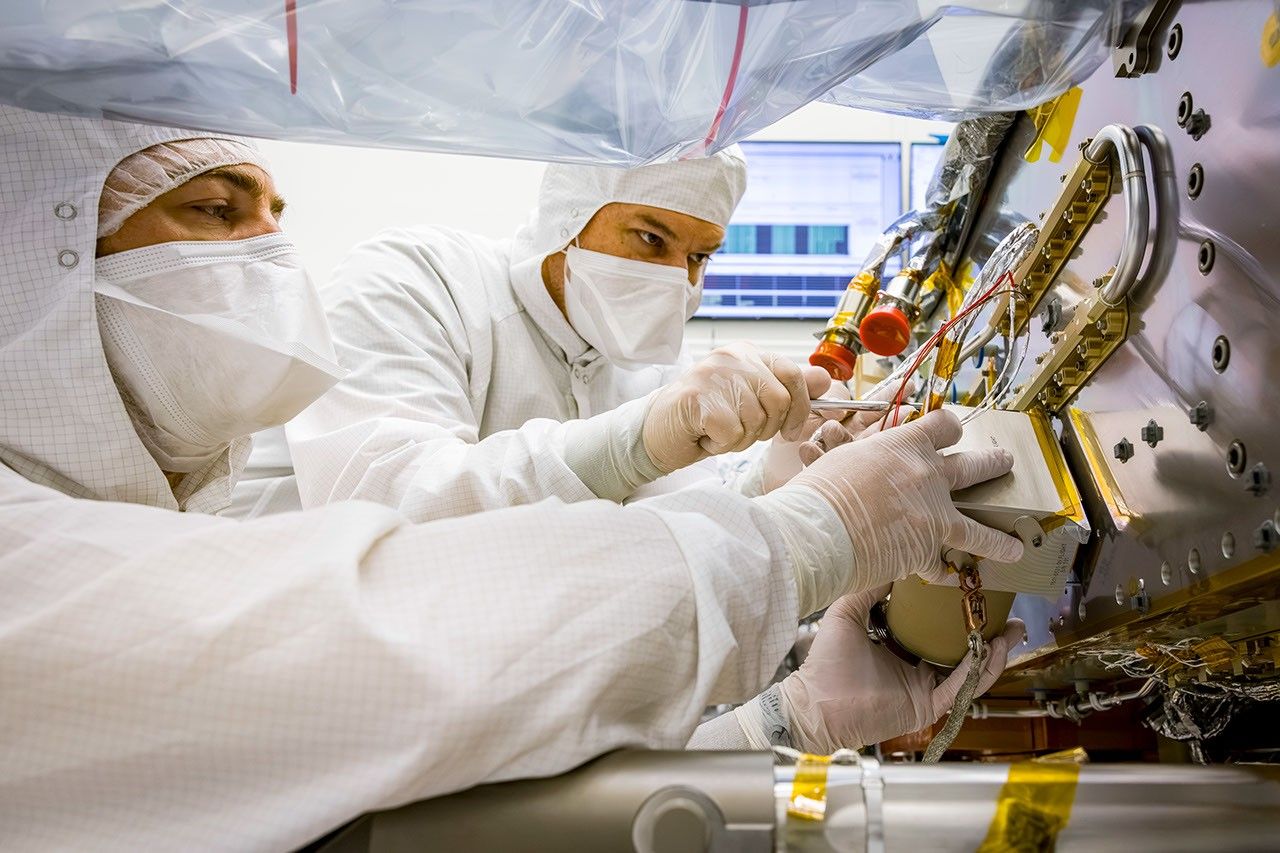
NASA’s Titan-Bound Dragonfly Rotorcraft Gets Its Eyes
NASA's Dragonfly is a car-sized flying robot being built at Johns Hopkins Applied Physics Laboratory in Maryland. Its seven DragonCam cameras have been installed and tested. The cameras will take pictures of Titan, Saturn's largest moon, both on the ground and during flight. Titan's night lasts nearly eight Earth days, and the cameras can also help find carbon-based molecules there.

Offshore wind turbine hum may make phytoplankton grow faster
Researchers at NTNU studied how the hum of offshore wind turbines affects phytoplankton, tiny single-celled plants that feed the ocean. They played a 22-hour recording of North Sea turbine sound through an underwater speaker in Hopavågen bay, Norway. A quiet sandy area nearby served as a control. Some phytoplankton grew faster with the noise, showing sound can change marine life.

Guinea baboons respond flexibly to changing environmental conditions
Researchers at the German Primate Center studied wild Guinea baboons in Senegal. In 2019, bushfires destroyed much of the Natal orange fruit these monkeys eat during the dry season. The baboons first looked for other food, then went back to their favorite trees when fruit returned in later years. The study suggests the baboons gather information about food and use it to make choices.