Latest News
Positive stories from around the world · Good news by country
Showing 1153–1176 of 37346 articles

Sugar made by gut bacterium may help the body burn visceral fat
Scientists found that a sugar made by bacteria in the gut can boost energy burning in visceral fat. Visceral fat is the harmful fat that builds up around the organs inside the belly. In the study, this sugar helped reduce weight gain and improved metabolic health, which is how well the body turns food into energy. The discovery could lead to a new way to tackle obesity.
Antibody-drug conjugate shows promising early results in Phase I trial in sarcoma patients
An antibody-drug conjugate is a drug that acts like a Trojan Horse. It is carried into cancer cells, where it can deliver its payload. In an early-stage Phase I trial, it showed promising results across several types of soft tissue sarcoma, a cancer of connective tissues. The findings were presented at a cancer research meeting in Barcelona, Spain.

Red crabs begin annual march to sea on Australia's Christmas Island
More than 100 million red crabs on Australia's Christmas Island have started their yearly march from the forest to the sea. Each year, the crabs travel to the ocean to lay their eggs. Conservationists say this huge migration shows the island's nature is doing well. The event is a rare natural wonder that draws visitors from around the world.
This 6-million-year-old whale may have had the most crooked face in mammal history
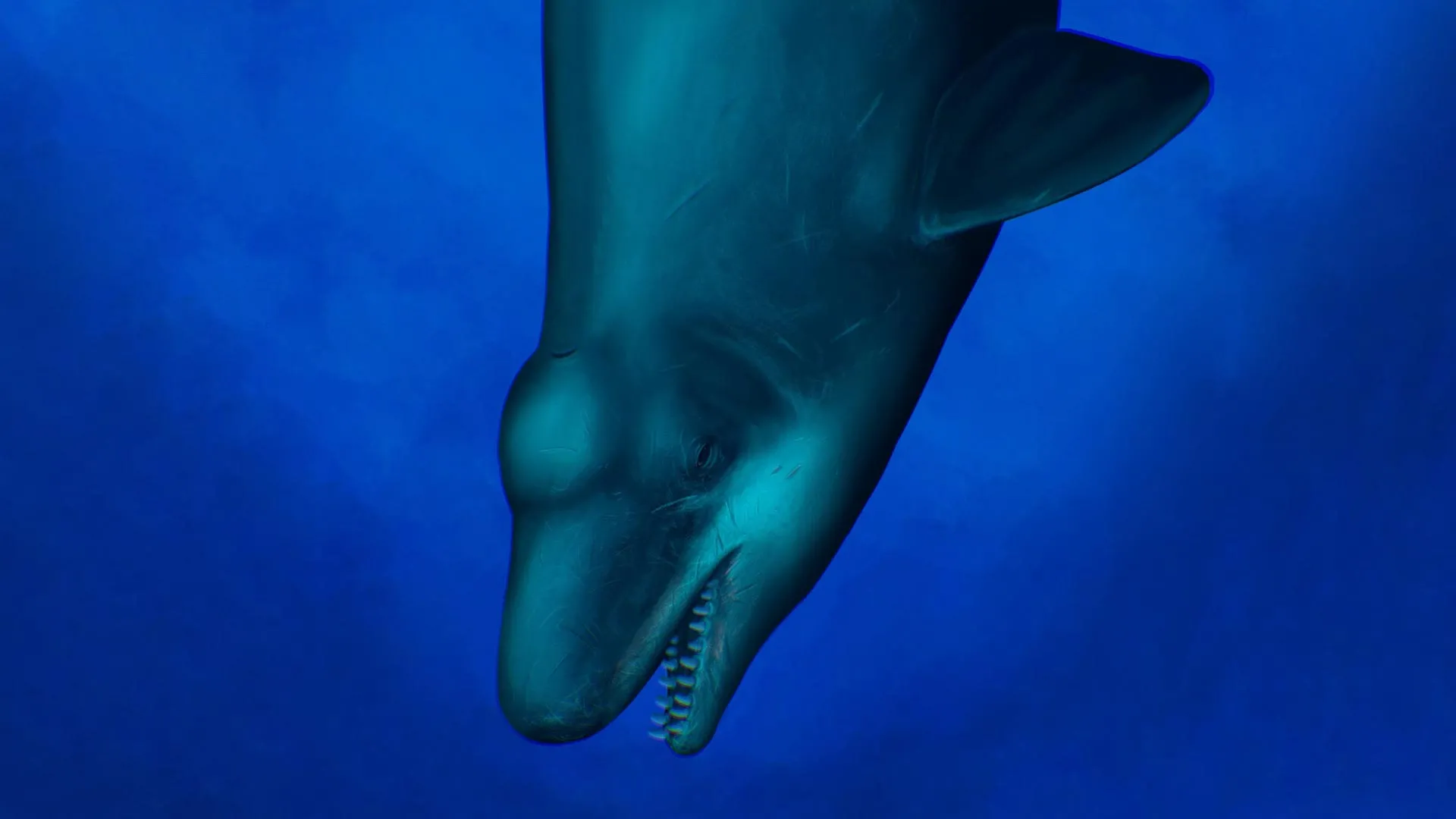
Scientists have studied a fossil of an extinct whale found in Peru. The whale, named Scaphokogia huachafo, lived about 6 million years ago. Its skull was so bent and uneven that researchers first thought it was damaged after death. The team now believes the odd shape helped it hunt along the seafloor.
Commissioner Roswall's address at the 2nd European Bioeconomy Conference
The European Commission held the second European Bioeconomy Conference in Brussels on 19 November 2026. Commissioner Roswall gave the opening address, marking one year since the first conference. The bioeconomy uses plants, crops and other living materials to make food, fuel and products. The speech focuses on the EU's progress in this area.

X-rays tear water apart before its electrons can relax
Scientists found that one X-ray particle can break both bonds in a water molecule. This happens in just a few femtoseconds, which is quadrillionths of a second. The water splits before its electrons have time to calm down. The team used synchrotron X-ray sources at DESY in Hamburg and MAX IV in Lund to see it.
Something strange is living beneath the skin of deep-sea pigs
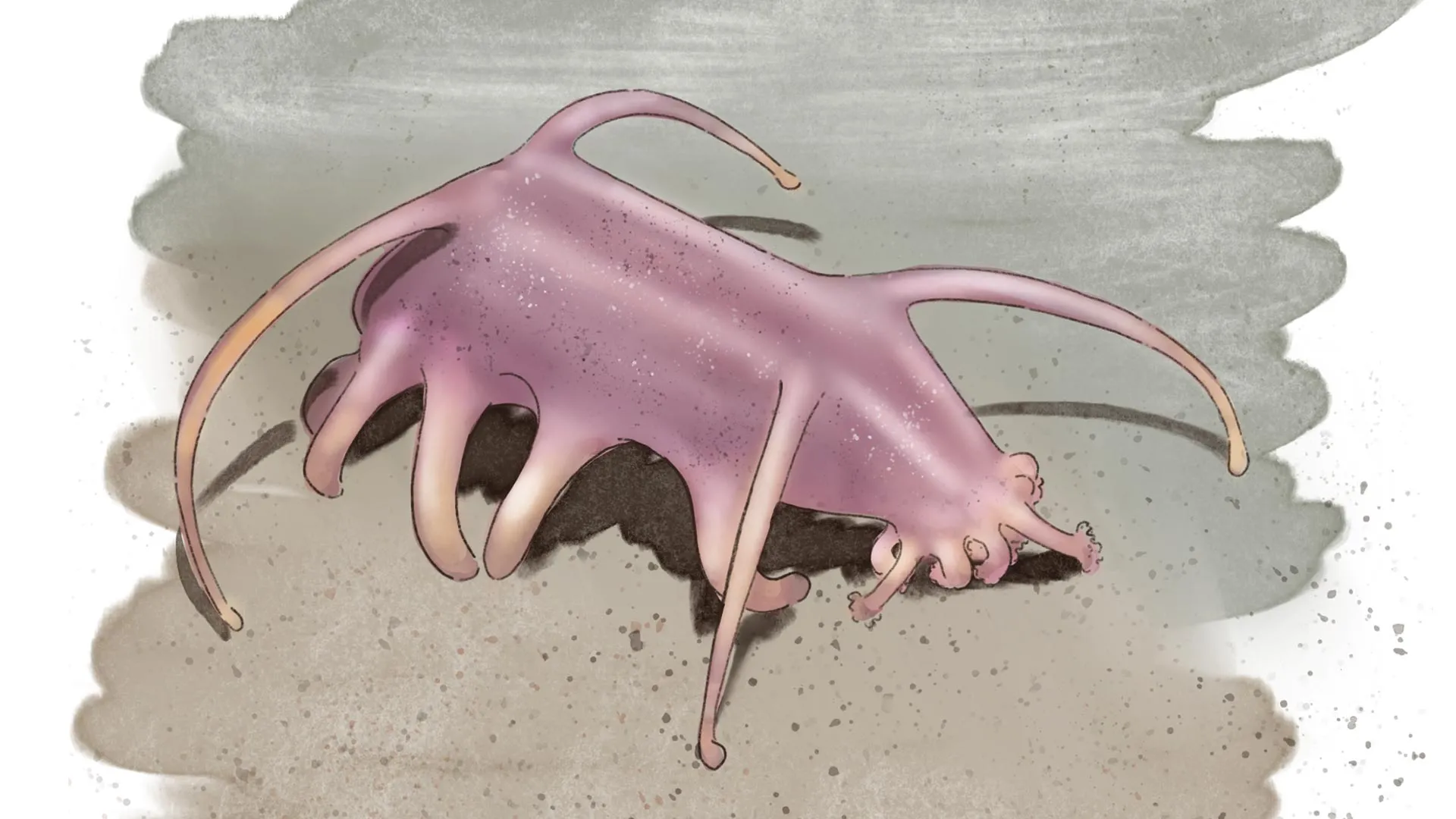
Scientists have discovered a strange bacterium living under the skin of deep-sea animals called sea pigs. The microbe has a very small genome, yet over a quarter of its DNA builds surface proteins, some of them very large. Researchers think it relies heavily on its host to survive. What the sea pigs gain in return is still a mystery.

Neurosteroid offers clues to brain changes linked to depression
UT Southwestern and UT Dallas researchers studied 29 women with mild to moderate depression. They tested pregnenolone, a hormone the body makes from cholesterol, against a placebo. At a 500 mg daily dose, the connection between the amygdala, which handles emotions, and the left frontal pole, which handles thinking control, became weaker. The team hopes this can lead to brain scans that show how depression treatments work.
Why hydrogen flames can glow orange, then turn nearly invisible
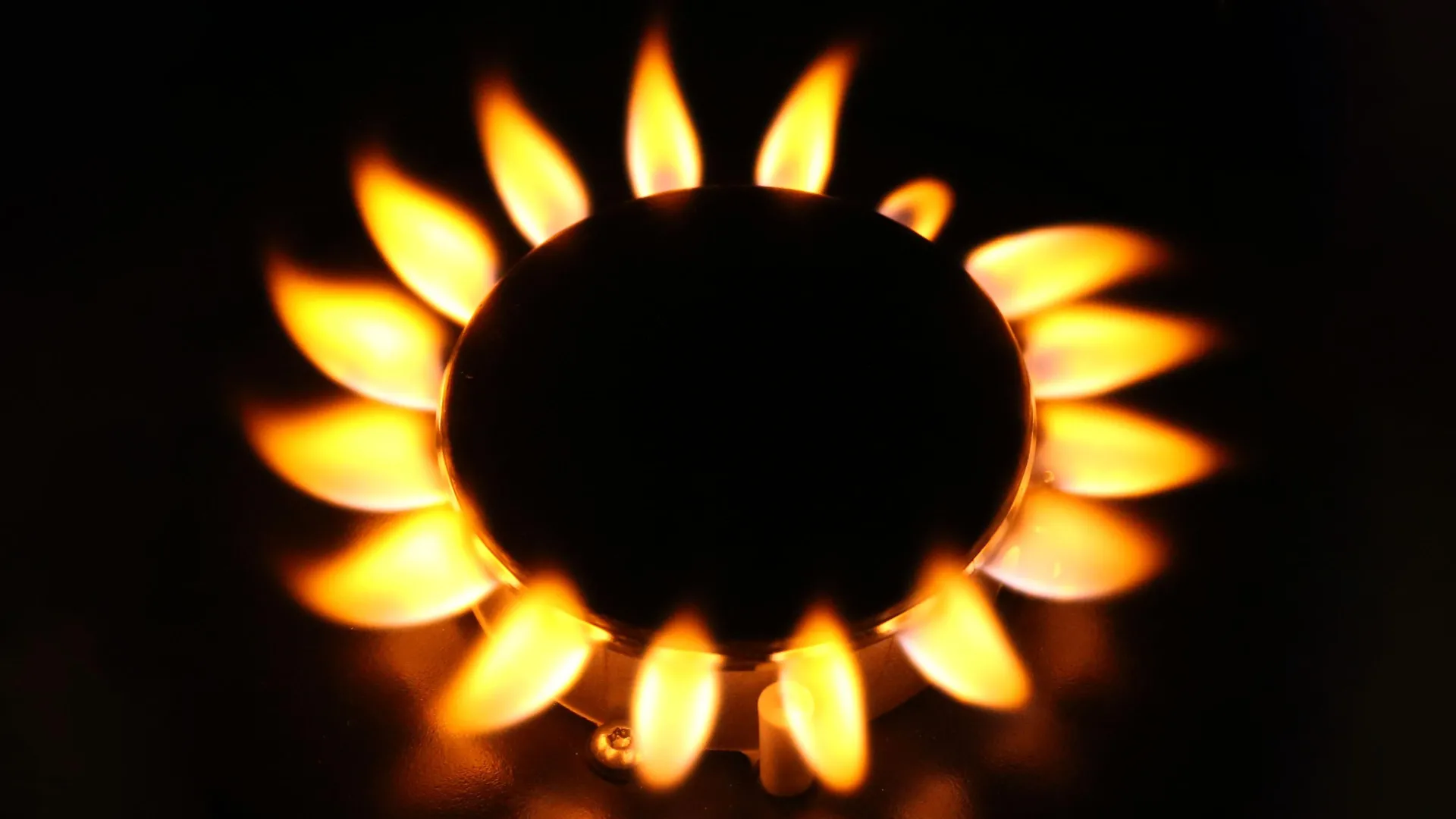
Hydrogen flames can glow bright orange or become almost impossible to see. The change depends on tiny amounts of sodium floating in the air. Scientists say this could help make future hydrogen stoves and ovens safer. Specialized sensors could replace visual flame detection.

Watch live: Hera’s first images of post-impact asteroid Dimorphos
The European Space Agency's Hera spacecraft has arrived at Dimorphos, a small asteroid. In 2022, NASA's DART probe crashed into it on purpose and changed its orbit. Hera's first close-up images will be shared in a live stream on 25 November.

Potatoes grown in simulated lunar soil match Earth-grown performance
Researchers at Oregon State University grew potatoes in soil that copies moon dirt. When the soil was mixed with 30% vermicompost, a compost made by earthworms, the potatoes grew as well as those in Earth soil. The potatoes also stayed safe to eat and kept their nutrition. The team says this is a step toward growing food for astronauts on the moon.
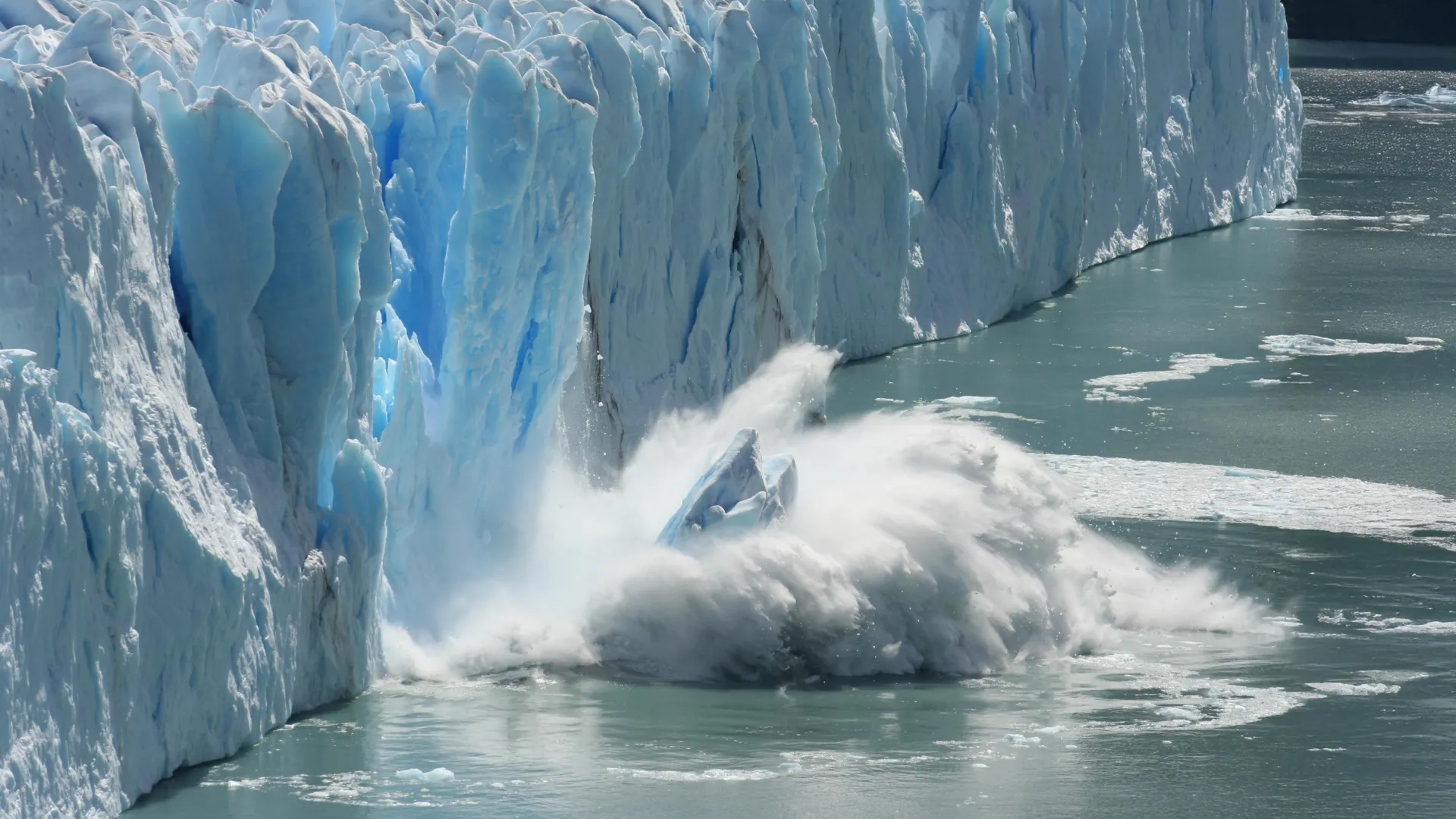
Antarctica’s ice cliffs are collapsing faster than expected, but there’s a twist
Scientists studied more than 15,000 ice cliffs in Antarctica. They expected tall cliffs to fall in a chain reaction that could speed up sea level rise. Instead, many cliffs stabilize on their own. Underwater ridges, nearby water, and broken ice seem to act as natural defenses.
Remarks by Commissioner Hoekstra at press conference "Powering the Transition: New Alliances to Replace the World's Most Potent Greenhouse Gas SF6” at COP31
At a press conference during the COP31 climate summit in Antalya, European Commissioner Hoekstra launched new alliances. They aim to replace SF6, the most potent greenhouse gas known. SF6 is used mainly in electrical grid equipment and traps heat far more strongly than carbon dioxide. The alliances seek cleaner options to power the energy transition.

Indonesia, UAE join forces to restore mangroves - ANTARA News
Indonesia and the United Arab Emirates (UAE) have agreed to work together to protect coastal areas. Mangroves are trees that grow along coasts and shelter sea life. The two countries will build a restoration project that uses artificial intelligence, which is computer software that learns from data. They also plan a research center in Bali to study these coastal forests.
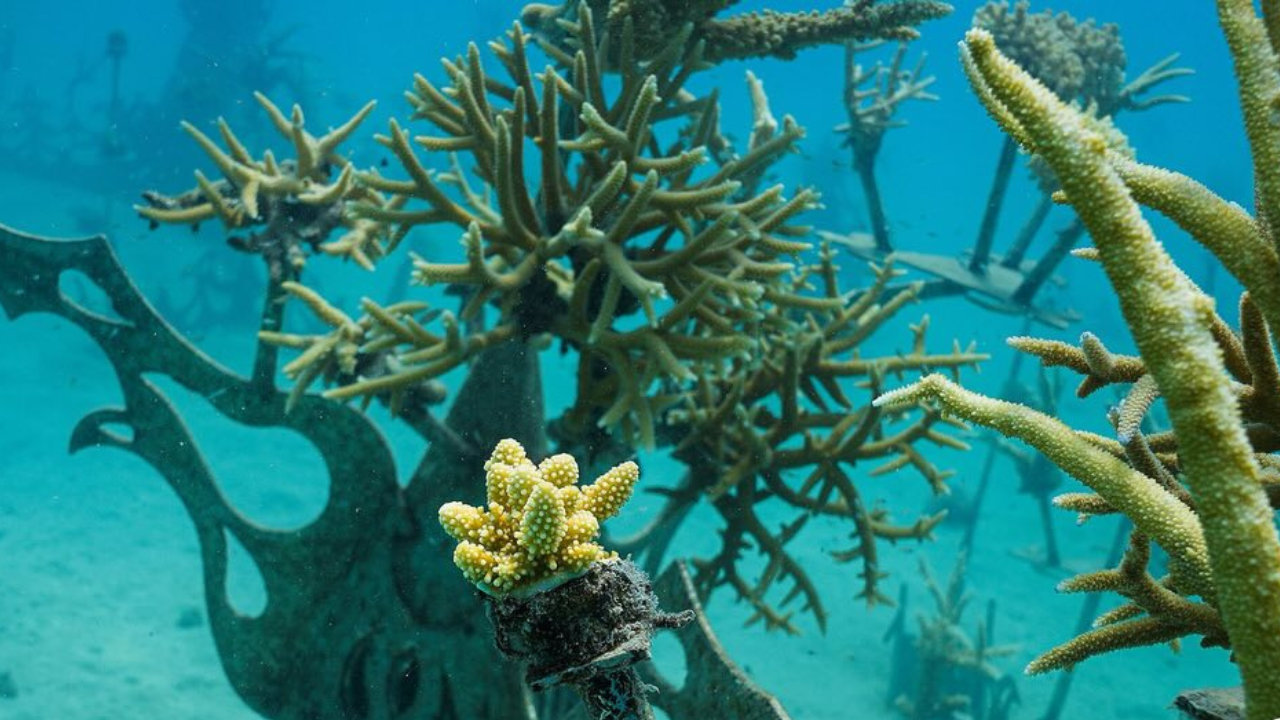
In 2024, Fiji installed a sculptural coral gene bank to preserve resilient corals; within a year, its nursery reported 985 thriving fragments and 95% survival | World News - The Times of India
Fiji installed a sculptural coral gene bank in 2024 to protect tough, heat-resistant corals. Within a year, the nursery at Vomo Island reported 985 thriving coral fragments. About 95% of them survived. The project plans to return more than 1,000 fragments to Vomo's reefs every six to twelve months.
Australia's Barty elected into Tennis Hall of Fame
Ash Barty, a former world number one from Australia, has been elected into the International Tennis Hall of Fame. She won three Grand Slam singles titles, including the 2022 Australian Open. The ceremony will take place in Rhode Island in August next year. She will be only the second Indigenous Australian in the hall, after Evonne Goolagong Cawley.

The Waterless, Hyper-Efficient Machines That Clean Clothes With Carbon Dioxide
Tersus Solutions, a company in Colorado, cleans clothes with liquid carbon dioxide instead of water. Its machines skip detergent and heat, and they save about 300 gallons of water per load. Appliance makers LG and Samsung are now looking at this method for home use. Shrinking the machines to fit a home laundry room is still a big challenge.

Indonesia introduces AI-based approach to mangrove restoration at MAC - ANTARA News
Indonesia and the United Arab Emirates agreed at COP31 to run a mangrove restoration pilot project. The project will be in Purworejo Village, Demak, on Indonesia's Java coast. It will use artificial intelligence (AI), or computer systems that learn from data, to help plant and care for mangrove trees. Officials also plan to share technology and raise steady funding.

"I wish all houses were like this!": a place to live in for one's whole life where neighbors are family
Children visit homes in Barcelona and Cardedeu, Spain, to learn what a housing cooperative is like. In a housing cooperative, members own and run their homes together. Residents can stay for their whole lives. Neighbors often feel like family.

Two minutes of data can beat a century of averages—if you watch the right thing
Scientists studied chaotic models, which are math systems that mimic weather and act unpredictably. They trained a learning model to find its own useful summaries from short data records. In Lorenz-96, a 2-time-unit record gave results close to methods that needed much longer records. The work is a early proof of concept that can help plan better observations.

A drone that can learn the city’s radio shadows without a map
Researchers created CommDreamer, an AI system that helps drones fly safely through dense city streets without needing prior maps. The drone learns from its own laser scans and cellular signal reports to predict where buildings and weak signal zones will be. In a computer simulator called AeroCity-RT, it completed 100% of missions with zero collisions. It also cut weak-signal time by over 50% compared with the baselines tested.
A four-hour shift could unlock most of a data center’s grid capacity
Data centers use huge amounts of electricity, and power grids often cannot supply them during peak hours. This study tested a modified IEEE 118-bus grid model, a standard test network for power systems. Letting some computing tasks wait up to six hours raised backup-safe hosting capacity by up to 24.5%. A four-hour delay captured about 90.9% of that gain at bus 92.

When the next step won’t fit an equation, let the data describe the whole path
Engineers often need a mathematical model to control a machine. Many real systems are nonlinear, so these models are hard to write down. This paper shows how to use measured data alone to simulate and control such systems. The method solved a stiff Van der Pol oscillator where explicit models fail, and beat Koopman-based methods on long predictions.
A robot can get a stronger safety guarantee with 23 times less memory
Researchers developed a new data-driven method for checking whether robots and control systems will behave safely. Instead of estimating complex joint probabilities, it models each next-state coordinate separately. This cuts the number of values to store exponentially. Tests on a pendulum, a unicycle, and a four-joint planar robot showed up to 25 percentage points stronger safety guarantees and up to 23 times less memory.