Latest News
Positive stories from around the world · Good news by country
Showing 1129–1152 of 37346 articles
NASA Conducts Latest RS-25 Engine Test in Support of Future Artemis Missions
NASA tested RS-25 engine No. 10001 on November 18 at Stennis Space Center in Mississippi. The engine fired for 200 seconds, about three minutes and 20 seconds. This engine will not fly, but the data will help make future engines work better and last longer. The engines will help launch the SLS rocket for Artemis IV, a Moon landing planned for 2028.

Experimental GLS-1 inhibitor demonstrates antitumor activity in advanced treatment-resistant ovarian cancer
A new drug called IACS-6274 was tested in a early-stage trial on women with advanced ovarian cancer that stopped responding to standard treatment. It was given with bevacizumab and paclitaxel, two existing cancer medicines. Nine of the 13 patients evaluable for results had their tumors shrink by at least 30%. Doctors said the drug was well tolerated, and some responses have lasted nearly three years.

Unexpected spin effect lets electric currents switch antiferromagnets at room temperature
Researchers at Northwestern University found a new physical effect they call octupole-driven spin-transfer torque. It lets electric current change the magnetic state of special materials called antiferromagnets. The test worked at room temperature in tiny devices. The team says it could lead to denser, more reliable memory for uses like AI.

NASA’s Voyager 1 Makes History Reaching One Light-Day From Earth
NASA's Voyager 1 probe has reached one light-day from Earth. A light-day is the distance light travels in 24 hours, about 16.1 billion miles. The spacecraft launched in 1977 and has flown for more than 49 years. It is humanity's farthest-flying spacecraft.

Study identifies key immune mechanism in the brain involved in metabolic control
Researchers at the Southern Catalonia Biomedical Research Institute in Spain, working with the University of Cambridge and other partners, have found a key immune process in the brain. The immune system helps the brain and body talk to each other about how we use energy. This finding opens new paths for research on obesity and related metabolic disorders. Metabolic disorders are health problems caused by how the body turns food into energy.

Brazil's approach to deforestation delivers major reductions in Amazon forest loss
A new study finds that Brazil's Priority List policy has greatly reduced forest loss in the Brazilian Amazon. The policy names places where clearing matters most, so officials can focus their efforts there. The biggest drops happened on private lands the list targeted. Researchers found no sign that the cutting simply moved to other land or nearby towns.

Genetics can make a 10-year difference in the onset of Alzheimer's disease
An international study co-led by the Sant Pau Research Institute in Barcelona looked at people with an extra copy of the APP gene. This gene change causes Alzheimer's disease. Yet some people get sick much earlier than others. The researchers found that certain combinations of other genes can change the age of onset by up to ten years. This could help doctors understand who may be at higher risk and when.
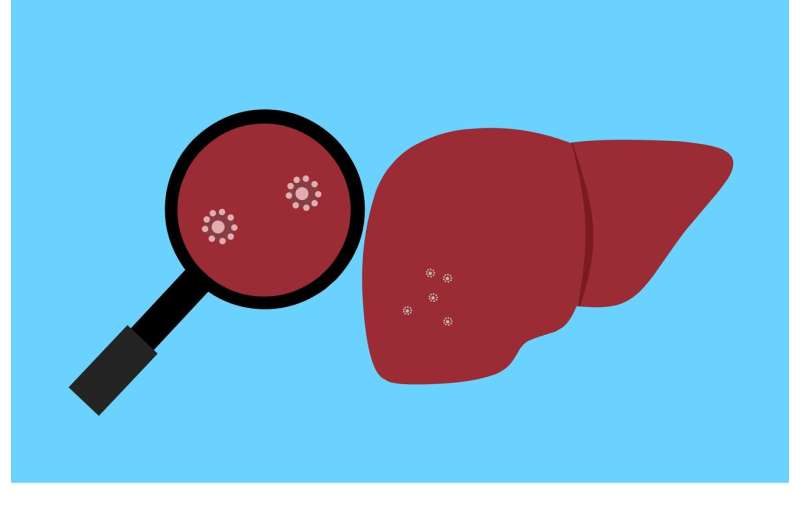
Predictive biomarker for liver cancer associated with survival outcomes, effectiveness of systemic therapy
Liver cancer is the third leading cause of cancer deaths worldwide. Most cases are hepatocellular carcinoma, which makes up about 90% of them. Doctors have lacked a reliable biomarker, a measurable signal in the body, to predict who will benefit from atezolizumab plus bevacizumab. A new study aims to fill this gap for patients whose tumors cannot be removed surgically.
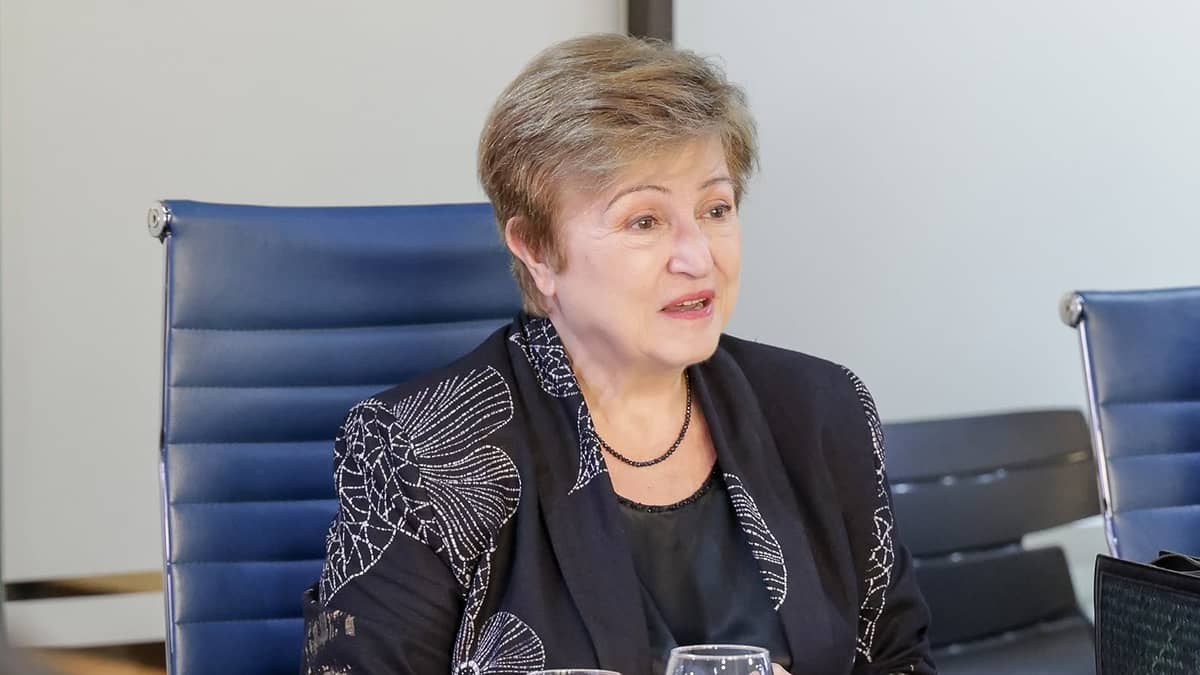
ASEAN could add growth of 4.3% through deeper trade — IMF | Daily Tribune
The International Monetary Fund (IMF), a global money group, says deeper trade could help Southeast Asia grow. ASEAN is a group of ten countries in the region. Its leader, Kristalina Georgieva, says the deal could add 4.3% to growth. She also says it could create four million new jobs.

Smart footwear turns ordinary steps into checks of blood flow to feet
Researchers have built a smart shoe system that checks blood flow to the feet. Today, doctors check this by pressing on the skin and timing how fast color returns. The new shoes could do this check just by walking, without a clinic visit. This could help catch circulation problems earlier.

Secondhand solar, tiny houses, no bills—we found how Australians are going off‑grid and if it's worth it
More Australians are wondering if they need the power grid at all. Solar panels and batteries let homes make and store their own electricity. Some people are using secondhand solar gear and tiny houses to cut costs. The article looks at whether going off-grid is worth it.

American science is broken. Meet the people fixing it
After federal cuts in 2025, about 800 workers at NOAA lost their jobs. Former staff Rebecca and Mary Lindsey rebuilt the shuttered climate.gov website as climate.us with a small grant and crowdfunding. Across the US, scientists and supporters are keeping data, vaccine advice and research funding alive, though much of the damage remains.
Commission greenlights the Netherlands' fifth and final payment request for €1.7 billion under NextGenerationEU
The European Commission has approved the Netherlands' fifth and last payment request. The payment is worth €1.7 billion. It comes from the Recovery and Resilience Facility, the main part of the EU's NextGenerationEU recovery fund. This fund helps EU countries recover from economic shocks and invest in future projects.

Experimental antibody-drug conjugate shows promising initial activity in head and neck cancers
An experimental cancer drug called micvotabart pelidotin, also known as MICVO, showed promising anti-tumor activity in a early-stage human trial. The drug is an antibody-drug conjugate, meaning an antibody carries a cancer-killing payload straight to tumor cells. Researchers at MD Anderson Cancer Center in Texas reported that the treatment was manageable for patients. The results were presented at a major cancer research symposium.
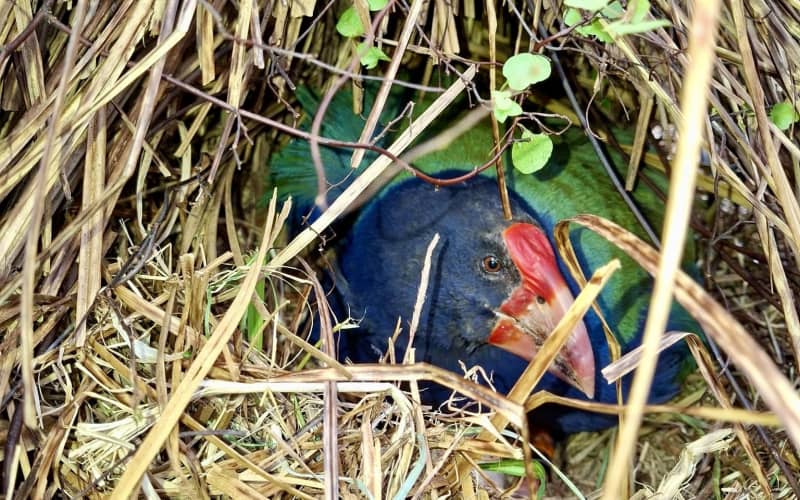
First takahē chick hatches at Farewell Spit habitat | RNZ
New Zealand's Department of Conservation moved eight takahē, a rare native bird, to the Onetahua Restoration Project in May. The area covers 2,000 hectares at Farewell Spit and is guarded by a 4 km fence that keeps out predators. The first chick has now hatched, a hopeful sign for this endangered species.

Exercise may be good for your social life, studies in mice suggest
Researchers at The Ohio State University studied pairs of mice that shared a cage. Mice with access to running wheels fought less over food and warm resting spots. They also showed more activity in brain areas linked to social behavior. The team presented the findings at Neuroscience 2026, and the results are from mouse studies only.
Woods to design new golf course in Northern Ireland
Tiger Woods and his firm TGR Design have unveiled plans for Bellarena Golf Links on Northern Ireland's north-west coast. It will be the region's first new championship links course in more than a century. The project is a partnership with Galgorm Collection and Reef Destinations, with construction expected in 2027 and opening in July 2029. The course will be pay-and-play, not members-only, and is expected to draw more golf tourists to the area.

AI maps overlooked housing to reveal gaps between Chicago's buildings and zoning rules
Yale School of the Environment researchers used an AI model to study photos of building fronts across Chicago. The model found that more than one in three detected buildings is mid-density housing, such as duplexes, townhouses and small apartment buildings. Many of these homes sit in areas zoned only for single-family houses. The team plans to test the method in other U.S. cities.

Researchers use AI to optimize sensor design for ultrasensitive vitamin C detection
Researchers at Sungkyunkwan University in South Korea built an ultrasensitive sensor that detects very small amounts of vitamin C. They used machine learning, a type of AI, to predict the best way to build the sensor. The model learned from just 25 test setups, instead of testing all 625 combinations. The sensor worked in human serum and urine, and its readings matched a standard lab test.

How one tiny island made conservation work
Lundy is a small, rugged island in the Bristol Channel, between Wales and England. It is seen as one of the UK's most pioneering conservation stories. The article is a short video piece from Mongabay that shows how the island's nature work came together. The full details are in the video.

New genetic toolkit lets scientists engineer hard-to-study gut bacteria
Scientists have created a new set of genetic tools for gut bacteria that are hard to study. These bacteria live in the gut and may help fight disease. The tools let researchers tweak them so they can do their jobs better. This could lead to future treatments that add or restore helpful microbes.

New 'atlas' of rare lung disease may help researchers develop improved treatments
Researchers have created a detailed "atlas," or map, of the cells involved in lymphangioleiomyomatosis (LAM). LAM is a rare lung disease that mostly affects women. In LAM, a natural brake on cell growth fails, and cells form cysts that can make breathing hard. The new map may help scientists develop better treatments.
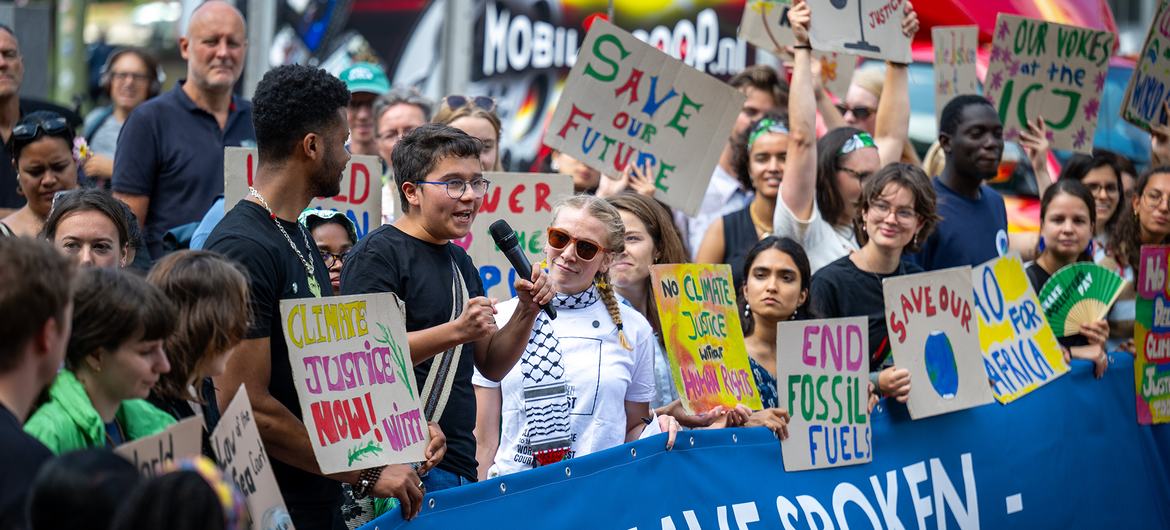
No government approval needed to form or join a group, UN rights committee says
The UN Human Rights Committee said people do not need their government's permission to form or join an association. The group issued new guidance on Thursday. The guidance comes as civic space, the room people have to speak and organize, shrinks in many countries. The message supports the right to gather and organize freely.

Rain breaks up Earth’s natural sunshades
The European Space Agency's EarthCARE satellite is giving scientists new insights into clouds over the oceans. These low, bright clouds reflect sunlight back into space and help keep Earth cool. New findings show that rain is a key reason these clouds break apart, which lets dark ocean water absorb more heat.