Latest News
Positive stories from around the world · Good news by country
Showing 1201–1224 of 37346 articles
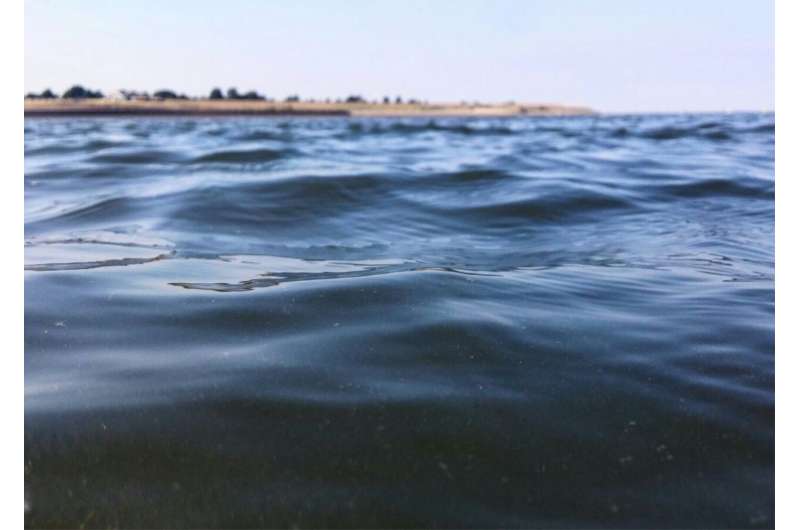
Watch: Sea level rise isn't just waves—how groundwater threatens coastal cities from below
UC Berkeley researchers, led by professor Kristina Hill, are studying how rising groundwater threatens coastal cities. Groundwater can back up sewers, damage building foundations and stir up buried toxins. The team has mapped thousands of old industrial sites in the San Francisco Bay Area that sit in the path of rising water. Their work points to designs, such as floating homes and wetlands, that let cities live with higher water.

A 115 million‑year‑old 'algae rebellion' in Portugal's sea cliffs pushes back evolutionary timeline
Scientists studying rocks in the Algarve, in southern Portugal, found fossil green algae at Praia da Luz. Some of the fossils are about 115 million years old. Modern-looking algae were found in rocks far older than experts thought possible. The team named several new species and genera, changing how scientists date these plant relatives.
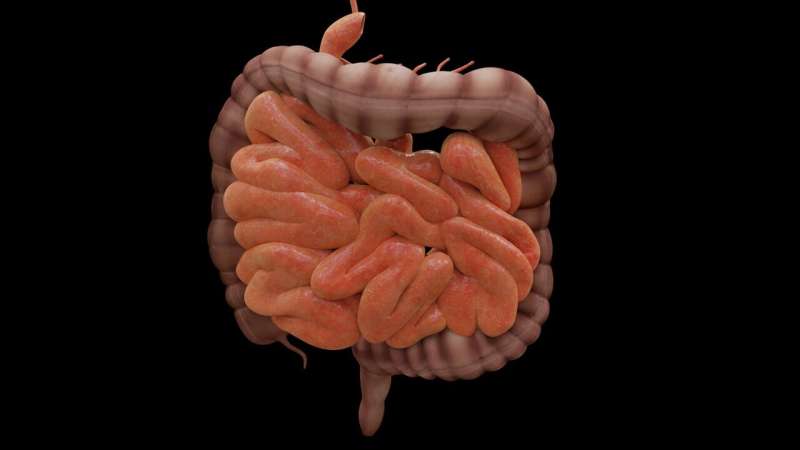
Analysis of over 69,000 younger patients questions one-size-fits-all cutoff for colorectal cancer stool test
A University of Nottingham study looked at a common stool test for bowel cancer in people under 50. The team reviewed 12 studies covering more than 69,000 people with symptoms. Only about 1 in 300 younger patients had bowel cancer, so the same test cutoff may not suit every age group. Researchers now want to find better cutoffs to decide who needs urgent tests.
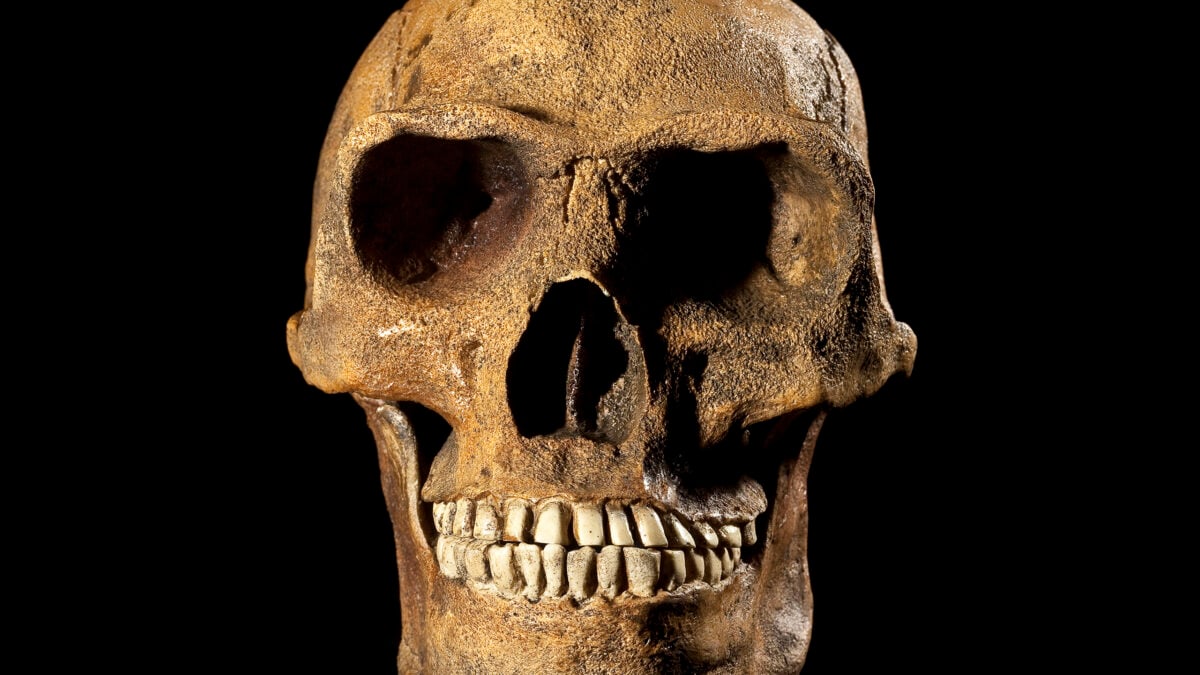
Major Fossil Discovery in China Reveals New Secrets About Mysterious Hominin Ancestors : ScienceAlert
Scientists have made a major fossil discovery in China. The find adds new clues about Homo erectus, an early human ancestor. This species spread across Eurasia and Southeast Asia long ago. The fossils help show how these early humans lived and moved.

Bans cut two forever chemicals by 30 percent in England’s rivers
Two very harmful "forever chemicals," PFOS and PFOA, have dropped in England's rivers over the past 10 years. Levels fell 30 percent and 29 percent, according to new figures from the Environment Agency. In freshwater fish, the levels are down 49 percent. The agency says restrictions that removed both chemicals from most products caused the drop.

How research paved the way for progress in a rare form of ALS
An experimental ALS drug, ulefnersen, grew out of research at Columbia University. In a large phase 3 trial, it beat placebo on a combined measure of function and survival in patients with FUS-ALS. This rare form of ALS is caused by mutations in the FUS gene and affects 1% to 2% of ALS patients. The drug may soon be available to patients who need it.

Atoms in sync: Superradiance offers a new kind of frequency comb
Researchers at Caltech and Stanford University found that billions of atoms in a crystal can lock together and flash in a steady beat. The atoms shine in microwaves and infrared light at the same time. The team used this effect to design a new type of laser, called a superradiant frequency comb, that could be more stable than current lasers. It may help link different quantum devices in the future.

Q&A: Schools that ban cellphones see uptick in test scores
A new study from Harvard's Center for Education Policy Research looked at school cellphone bans across the United States. Test scores have been slowly falling since 2013, and phones are one possible cause. Schools with strict bans saw a small gain in student learning, about one to two extra weeks of instruction a year. The researchers say the bans are not a quick fix, but they may help scores climb over time.
AI is ditching hallucinated references — and other bad habits
A new analysis published in Nature looks at large language models, the AI systems behind chatbots. It finds that many unwanted habits in these systems fade after about 16 months. One example is the habit of making up fake references, which the article says is being dropped.
People entering old age now have better memory than their parents did
A large study followed 219,000 adults and looked at how well their memory works as they age. People entering old age today keep their memory working well for longer than previous generations did. This suggests that later life can bring stronger mental health than many people expect. The article is published in the journal Nature.
Bacteria and viruses team up to hasten the demise of algal blooms
Algal blooms are huge growths of tiny ocean plants called algae. They pull carbon out of the air and feed many sea animals. Viruses often end these blooms quickly. A new study shows some bacteria can detect infected algae and help the viruses finish the job faster.
Sore throat? The brain has surprising control over how ill you feel
Scientists are finding that the brain plays a large role in how sick a person feels. The brain may recognise different germs and store memories of past illnesses. It may also prepare the body for threats it expects to face later. This could change how doctors think about common illnesses like sore throats.
Calcium catalysed nucleophilic fluorination
Scientists published a new chemistry method in the journal Nature. It uses calcium, a common and cheap metal, to help add fluorine atoms to molecules. Fluorine is often added to medicines and farm chemicals to make them stronger and last longer. A catalyst is a helper that speeds up a reaction without being used up.
What do various cancers have in common?
Researchers analysed 42 different types of cancer. They looked at how genes behave in the tumour microenvironment, the area around a tumour. They found patterns that many cancers share. These patterns could help scientists design treatments that work on several cancers at once.
Daily briefing: <i>Homo erectus</i> had what it takes to thrive in the rainforest
Fossil teeth suggest that Homo erectus, an ancient human relative, could live in rainforests. Researchers had thought only Homo sapiens, our own species, could survive in such habitats. The find changes how scientists view early human ancestors.

Borneo Indigenous groups turn land rights victory into warning for future generations
Indigenous Berawan, Penan, and Tering communities in Sarawak, Malaysian Borneo, placed a memorial stone in November 2026. It marks the end of a plantation that threatened their land and a UNESCO World Heritage Site. The Sarawak government cancelled the company's permit in 2022. The communities say they will stay alert to new threats.

Archaeology students find Roman treasures on first excavation
Archaeology students made Roman discoveries on their very first excavation. The finds include gold jewelry, stone inscriptions and a finely carved gemstone. The site is in Redesdale, Northumberland, in northern England. The finds give fresh clues about daily life during the Roman period.
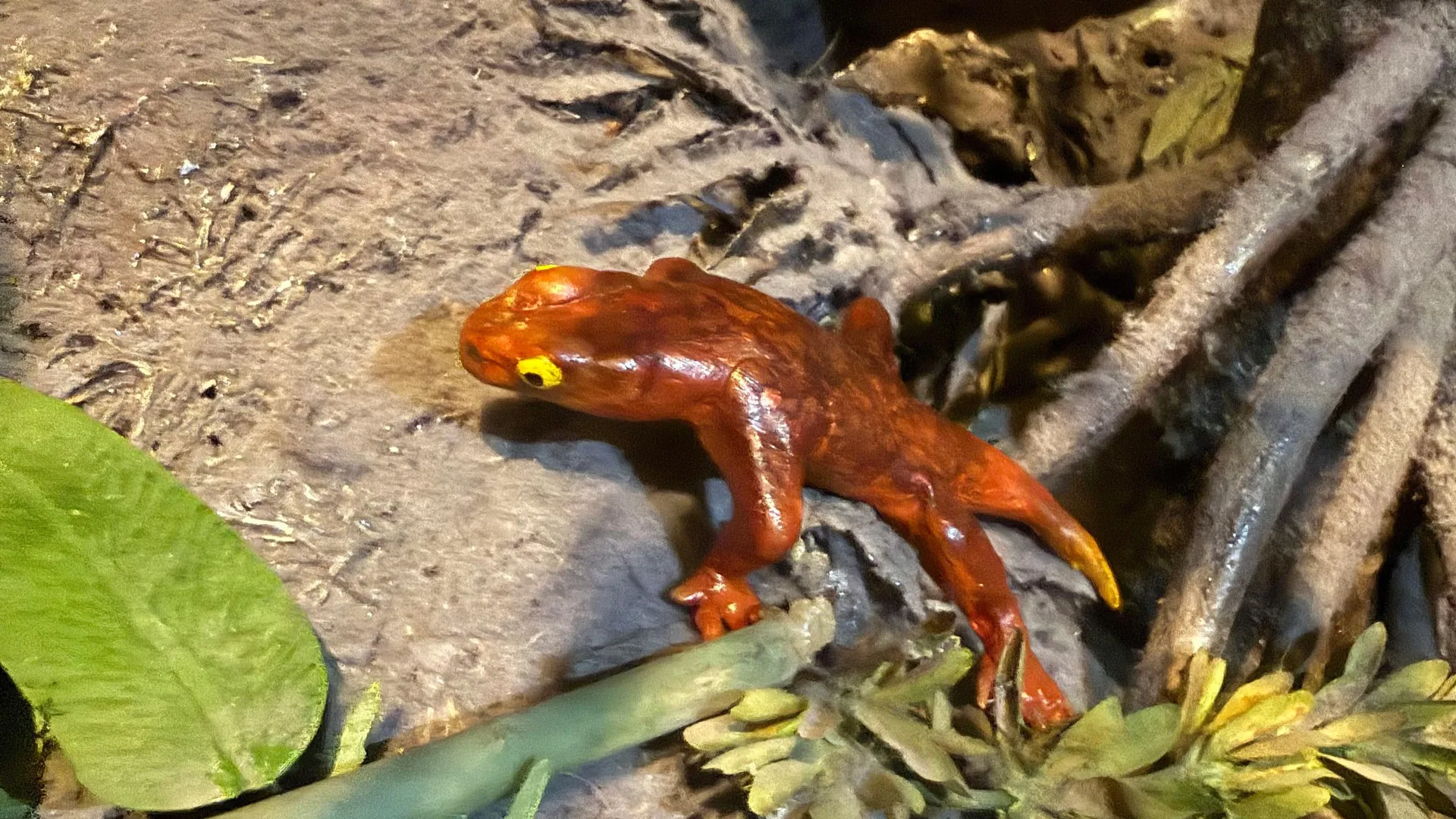
This strange creature lived 309 million years ago, long before the dinosaurs
Scientists at the Field Museum in Chicago have identified a new species of ancient amphibian ancestor. The creature lived more than 300 million years ago, when the Chicago area was a warm, swampy land. The find gives new clues about how frogs and salamanders evolved. It shows that life was already strange and varied long before dinosaurs appeared.

Webb confirms first-of-its-kind merger of a supergiant and smaller sun-like star
Astronomers found a star slightly less massive than the Sun merged with a puffy supergiant star. The event happened in the Andromeda galaxy, our large neighboring galaxy. The team nicknamed the surviving star Bao, and it may be "rejuvenated," meaning it looks younger. NASA's James Webb Space Telescope confirmed the discovery with fast new observations.

Korea, IEA Launch 'RISE ASIA' Push for 35% Global Electrification - Seoul Economic Daily
South Korea and the International Energy Agency (IEA) launched RISE ASIA, a joint push for clean electricity across Asia. The initiative aims to help the region get more of its energy security and power from clean sources. The goal is to reach 35% global electrification. The launch was announced in Antalya, Turkey.
Cambodia advances toward 2030 clean energy goal with major solar, grid projects - Khmer Times
Cambodia says renewable energy now makes up 63% of its power. The country is on track to reach its goal of 70% clean energy by 2030. Minister of Mines and Energy Keo Rattanak shared the news. Major solar and power grid projects are helping move the country forward.

Protecting wild bees in Europe through calcareous grassland management and connected habitats
Calcareous grasslands are wildflower-rich meadows built on chalk or limestone soil. They are rare homes for wild bees and other pollinators. An international research team led by the University of Göttingen found that long-term abandonment or intensive farming threatens bee diversity. Gentle, extensive management helps these bees survive and thrive.
EU and Jordan advance strategic partnership backed by €3 billion to boost investment, create jobs and strengthen regional stability
The European Union and Jordan signed agreements at an investment conference at the Dead Sea. European Commission President Ursula von der Leyen attended with King Abdullah II. The deals are backed by €3 billion and aim to boost investment, create jobs and support Jordan's economic growth. They also aim to strengthen stability across the region.

Seven-spacecraft observatory to study plasma universe
The European Space Agency (ESA) has picked Plasma Observatory as its next medium-sized mission. Plasma is a gas of charged particles, and it makes up 99% of the visible Universe. Seven spacecraft will fly together and measure how energy from the Sun moves through Earth's magnetic shield. This will help scientists understand solar storms and auroras.