Latest News
Positive stories from around the world · Good news by country
Showing 1489–1512 of 37354 articles

New tool enables early intervention for diabetic foot ulcers
Australian researchers and doctors have built an AI tool that reads thermal, or heat, images of the foot. It predicts whether a diabetes-related foot ulcer, which is an open sore, is likely to heal. Doctors can then step in early. This could mean fewer hospital stays and fewer amputations.

Neanderthal DNA linked to a key brain structure may lower the risk of schizophrenia
Modern humans inherited some genetic variants from Neanderthals when the two groups interbred tens of thousands of years ago. A new study links some of these variants to a key brain structure. The findings suggest these genes may lower the risk of schizophrenia, a serious mental illness. The article is short, so full details of the study are limited.

The scimitar-horned oryx is back in Chad
The scimitar-horned oryx is an antelope with long, curved, sword-like horns. It disappeared from Chad in the late 1980s and was declared extinct in the wild in 2000. A reintroduction program led by Sahara Conservation brought it back, and its status has improved to endangered. The herd in Chad's largest protected area grew from 25 animals in 2016 to 700 today.
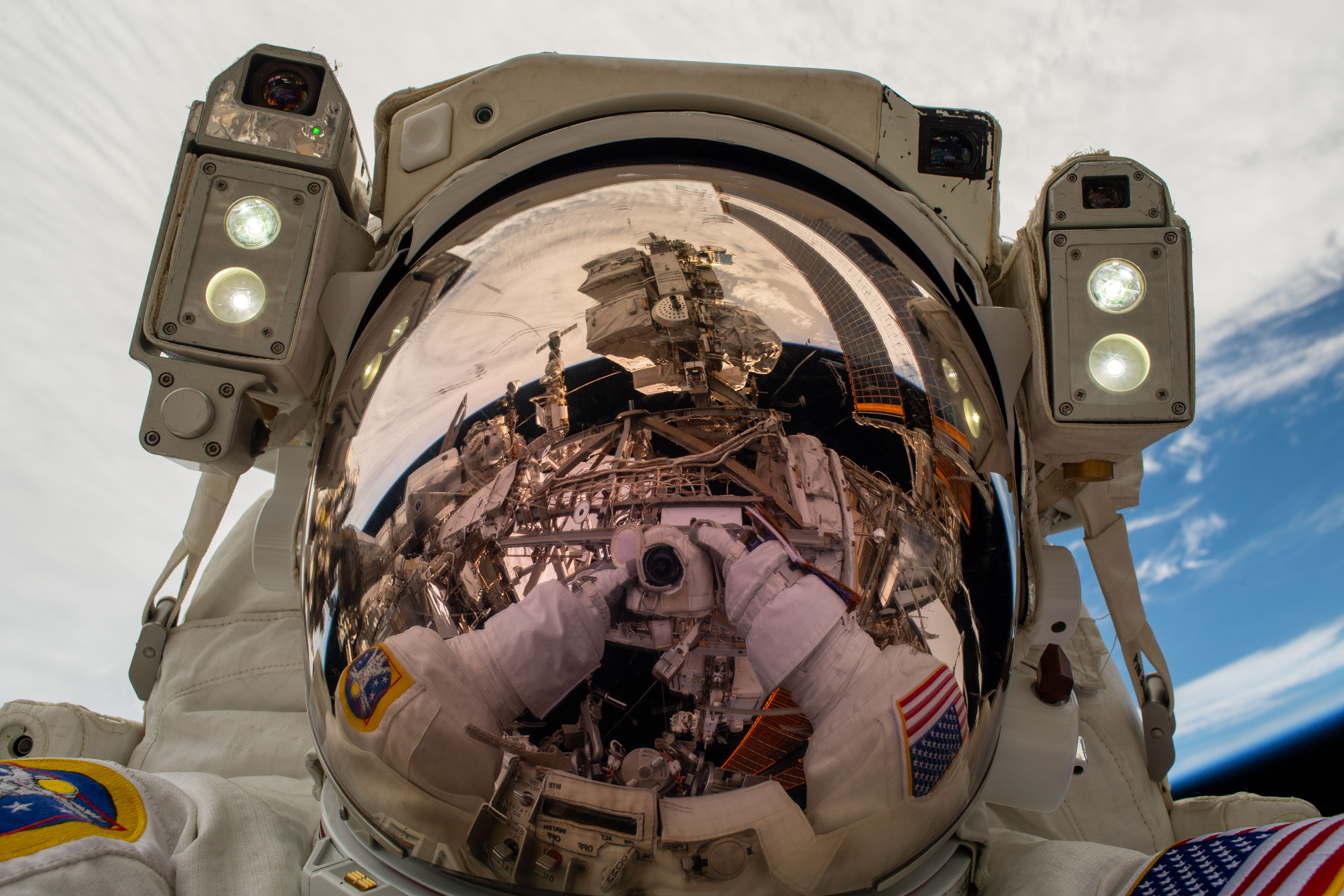
Space Selfie
NASA astronaut Anil Menon took a selfie during a spacewalk on October 29, 2026. He and Canadian Space Agency astronaut Joshua Kutryk installed a new roll-out solar array on the International Space Station. A solar array is a set of panels that turn sunlight into electricity for the station.

New database iCellOmics integrates multiomics data for industrial cell lines
Scientists have launched a new database called iCellOmics. It gathers multiomics data, which is many kinds of biological measurements, for industrial cell lines. These cell lines are grown in labs and factories to make medicines, viral vaccines, and gene therapies. The tool can help researchers improve how these cells are engineered.

Climate change could turn Ireland into a key producer of high-protein crops
Researchers from University College Cork and Teagasc, Ireland's agriculture research body, studied how climate change may affect farming. Their work suggests a warmer climate could let Ireland grow more high-protein crops. These crops could help Europe feed itself and farm in a more sustainable way.
Press point by Commissioner Glenn Micallef on the Communication on reinforcing the European Sport Model
The European Commission adopted a new communication on reinforcing the European Sport Model in Brussels. Commissioner Glenn Micallef says the plan will keep Europe winning at sport. The European Sport Model links elite competition with local clubs and open access for everyone. The statement is short and gives few details about specific funding or measures.
Wales' heroes get back to business after beating New Zealand
Wales' rugby team beat New Zealand 35-28, one of the most famous wins in Welsh rugby history. Players look back on how fans across Wales reacted. The story is a light, feel-good look at the team's return to everyday life.

Clues to unexplained recurrent miscarriage found via genome sequencing
Many couples who lose pregnancies again and again never learn why. Their embryos and fetuses often look normal in chromosome tests and ultrasounds. New research uses genome sequencing, a way to read a person's full genetic code, to look for hidden causes. This may bring answers and hope to families.

Researchers develop DentalGEN, an AI framework for automated dental crown restoration
Researchers at the University of Hong Kong led an international team that built DentalGEN. It is an artificial intelligence tool that designs dental crowns, the caps that restore damaged teeth. The tool can be controlled to shape each crown for a patient. The study was published in npj Digital Medicine.

Jumping genes may help build a more diverse brain, fruit fly study reveals
Researchers at the University of Oxford studied fruit fly brains. They found that "jumping genes," pieces of DNA that move around, often get copied into the messages cells make. In the examples studied, almost one in five of these messages included jumping gene sequences. The finding may help explain how brains become more varied.

New math tools reveal brain activity more accurately by correcting noisy calcium signals
A physicist at Rockefeller University, Merav Stern, has created three new math methods. They fix blurry brain data from calcium imaging, which tracks when brain cells fire. The methods show brain activity more clearly than the old approach. Scientists can pick whichever method fits their data best.

Will it flow? Simulating food inks for 3D printing
Researchers from Eindhoven University of Technology and Wageningen University in the Netherlands built a computer simulation of 3D food printing. Food inks stay solid at rest but flow when pushed through a printer nozzle. The model predicted the push force well for a protein-rich ink, but overestimated it for a fiber-based ink. The team plans to improve the model, which could help make printed foods for patients and restaurants.

Melanoma protein patterns help predict immunotherapy response, survival
Two University of Pittsburgh studies show that protein patterns in melanoma tumors can predict who will respond to immunotherapy. Immunotherapy uses the body's own immune system to fight cancer. Knowing in advance who will benefit could spare some patients harmful side effects and delays. The researchers also built a detailed map of melanoma proteins that may lead to new drugs and biomarkers.

Younger generations appear to have a double advantage against dementia, researchers find
Each newer generation in Western countries enters old age with better thinking skills than the one before. A study of about 219,000 people, followed for up to nearly 30 years, found this too. The researchers say better schooling, nutrition, and childhood conditions help explain why dementia rates have fallen about 13% per decade in Europe and the United States.

Researchers count kinetochore proteins in living cells using an improved fluorescence-based method
Researchers led by the University of Osaka counted the molecules in the kinetochore, a structure that helps cells divide evenly. The kinetochore links chromosomes to the spindle that pulls them apart. The team used a new fluorescence method, which uses glowing tags, in living chicken cells. They found the outer and inner parts of the kinetochore are linked by two backup connections, so division still works if one fails.

Tiny parasite holds big clues to help protect threatened estuarine turtles
Scientists at Florida Atlantic University studied a tiny parasite called a fluke. It lives inside both diamondback terrapins and eastern mudsnails. The fluke's genes vary by location along the U.S. Atlantic coast, from Massachusetts to northeastern Florida. Because mudsnails are easy to sample, the parasite could help scientists track turtle populations without catching many turtles.
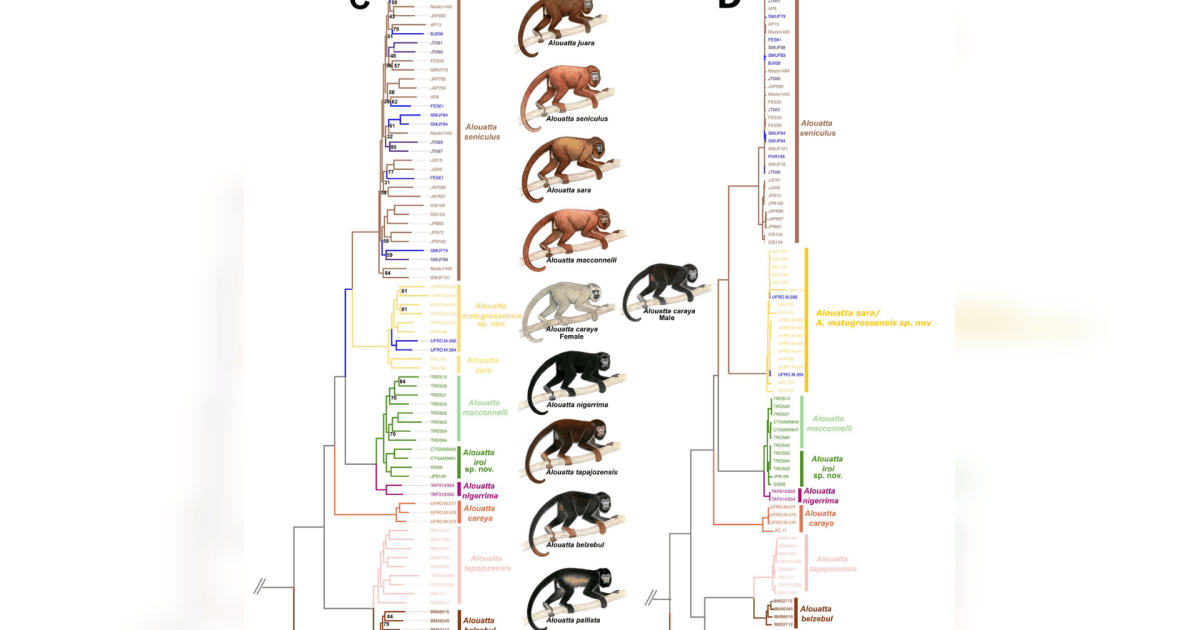
Estudo identifica duas novas espécies de macacos-ruivos na Amazônia que ainda não eram reconhecidas pela ciência | CNN Brasil
Scientists studying red howler monkeys found that two kinds were unknown to science. One new species, named Alouatta iroi, lives in the northwest Amazon. It is common in an area bounded by the Branco and Cauaburi rivers. The discovery helps protect these monkeys by showing how many kinds live in the forest.

Why conservation needs independent journalism (commentary)
Mongabay, an independent news outlet, received a tip in 2021 about a secret carbon credit deal in Sabah, Malaysia. The deal covered about 2 million hectares of rainforest and risked Indigenous land without proper consultation. After the story broke, the agreement was declared unenforceable in 2022 and was effectively blocked by 2024. The author argues that independent journalism deserves more funding from conservation donors.

Earthworm gut bacteria show promise for helping crops grow in salt-affected soil
Salty, alkaline soils make it hard for crops to grow. Researchers at China Agricultural University isolated 45 bacteria from earthworm guts and picked five that handled harsh conditions well. In a 30-day pot test, a mix of these bacteria made maize root volume rise by 245.43% compared with untreated plants. Field tests have not been done yet.

Galaxy outflows likely regulate star formation at 'cosmic noon,' NASA's Webb reveals
NASA's James Webb Space Telescope has found that large gas flows, called outflows, can stop galaxies from making new stars. These flows are often caused by exploding stars or by powerful black holes at galaxy centers. The study looks at cosmic noon, a time 8 to 12 billion years ago when star making was at its peak. The results help scientists understand how galaxies, including our own Milky Way, grow and change over time.

Nanogap architecture could help integrate quantum light sources onto chips
Researchers from the Institute of Science Tokyo and the University of California built a tiny chip device. It uses electricity to make light from a super-thin layer of tungsten diselenide, a 2D material. The light has a very narrow range of colors, which is key for quantum technologies like secure communication and computing. The device works without the complex stacking of materials used in earlier designs.

The science behind the 'man flu': Zika study adds to mounting evidence for sex-specific immune responses
Researchers at McMaster University in Canada studied Zika virus in mice. Male mice developed severe nerve problems, including weakness and paralysis, far more often than female mice. The virus levels were about the same in both groups. The team thinks male immune systems react more strongly, causing more damage.
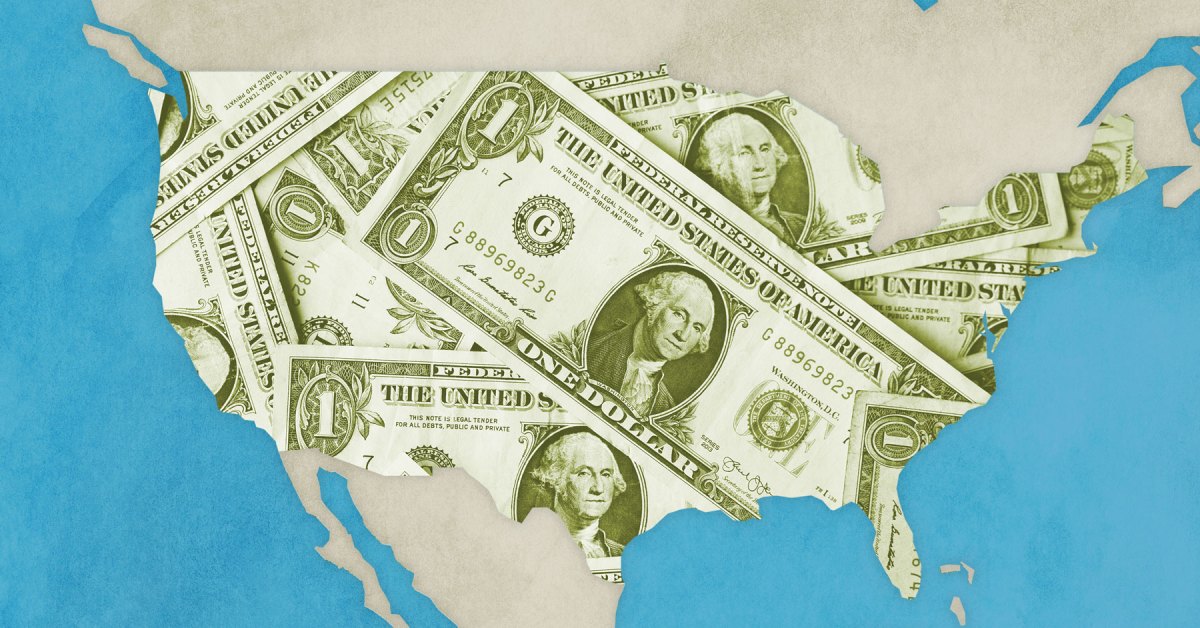
At Least 10 States Require In-Person Businesses to Accept Cash
At least 10 U.S. states and 10 cities require most in-person businesses to accept cash, with some exceptions. Massachusetts passed the first such law in 1978. Other states did not follow for more than 40 years. Newer laws now cover places like New York City, Philadelphia, and Detroit.