Latest News
Positive stories from around the world · Good news by country
Showing 1441–1464 of 37354 articles

New model identifies priority areas for large-scale ecological restoration in Chile
Researchers at Chile's Institute of Ecology and Biodiversity built a new computer model to find the best places to restore nature. It covers all of continental Chile, split into 812,910 squares of 1 square kilometer each. The model weighs four goals: lowering extinction risk, storing carbon, restoring river edges, and checking whether restoration can work. Most chosen areas help with more than one goal, which helps leaders use limited money and time well.

New daisy genus named after botanist
A new genus of South American daisies has been named Pelseria. The name honors Professor Pieter Pelser, a botanist at the University of Canterbury in New Zealand. He has been recognized with one of the highest honors in taxonomy, the science of naming and classifying living things. The honor recognizes his decades of work on the family tree of plants.
bne IntelliNews - India, Pakistan lead emerging Asia's clean-power surge as carbon markets form
Wind and solar power are growing fast across emerging Asia, led by India and Pakistan. In Pakistan, wind and solar supplied 34.4% of electricity in the first quarter of 2026, up from 27.6% a year earlier. In India, they supplied 17.6% over the same period. Carbon markets are also taking shape in the region.

For military veterans with PTSD and alcohol use disorder, MDMA-assisted therapy may be safe, effective
A first study tested a program that uses MDMA, a drug also known as ecstasy, with talk therapy. It was given to military veterans who have PTSD and alcohol use disorder. PTSD is a condition where past trauma causes lasting stress and fear. The study has finished with promising results, suggesting the treatment may be safe and helpful.

New Asian flying frog species identified in Indonesia
Researchers have identified a new species of Asian flying frog in the mountain rainforests of Indonesia. The frog has distinctive physical features, unique calls, and unusual ways of laying eggs. The discovery was published in the journal Zootaxa by scientists from Indonesia and the University of California, Davis.

Regenerated bone keeps maturing after its shape is largely restored, study reveals
A new study from Texas A&M University shows something surprising about healing bone. Regrown bone can look whole and have the right shape, yet keep getting stronger inside for a while. This means looks alone may not show when bone is fully healed. Scientists say future tests may need to measure bone strength too.

Optimized supercomputer workflow accelerates protein-structure prediction
Scientists at Lawrence Livermore National Laboratory in the United States used the El Capitan supercomputer to predict protein structures. A protein is a tiny building block of living things, and its shape decides what it does. The new workflow cuts the computing time needed a great deal. This could help scientists find new medicines and support biological research.
NASA Launches Nuclear Power Systems Student Contest
NASA has launched a free STEM contest for students in the United States, from kindergarten through 12th grade. Students learn how small nuclear power sources, often called nuclear "batteries," could power a future Moon base. They submit a 200-word essay and an illustration of their design. Entries are due March 1, 2027.

Repurposed battery molecules drive key chemical reactions where oil meets water
Making medicines and fine chemicals usually needs very high heat, heavy-metal catalysts, and hydrogen gas, which is dangerous. A team of Harvard chemists and engineers showed these key reactions can run on electricity instead. The reactions happen right at the boundary where oil and water meet. The approach could make chemical manufacturing cleaner and safer.

Alzheimer's blood marker may help estimate cognitive impairment risk up to 10 years ahead
A new study from Mayo Clinic, published in JAMA Neurology, looks at a blood marker for Alzheimer's disease. The marker may help estimate how likely a healthy person is to develop mild memory and thinking problems. It may also estimate the risk of dementia over the next five or 10 years. Early warning could help people plan ahead and get care sooner.

Two proteins key to cellulose synthase trafficking and cell wall formation identified
Scientists studied the thale cress plant, Arabidopsis, a small plant used in many labs. They found two proteins, VAMP726 and VAMP725, that carry cellulose-making enzymes to the right place in the cell. Cellulose is the material that gives plant cell walls their strength. The proteins help plants build both new and thick, strong cell walls.
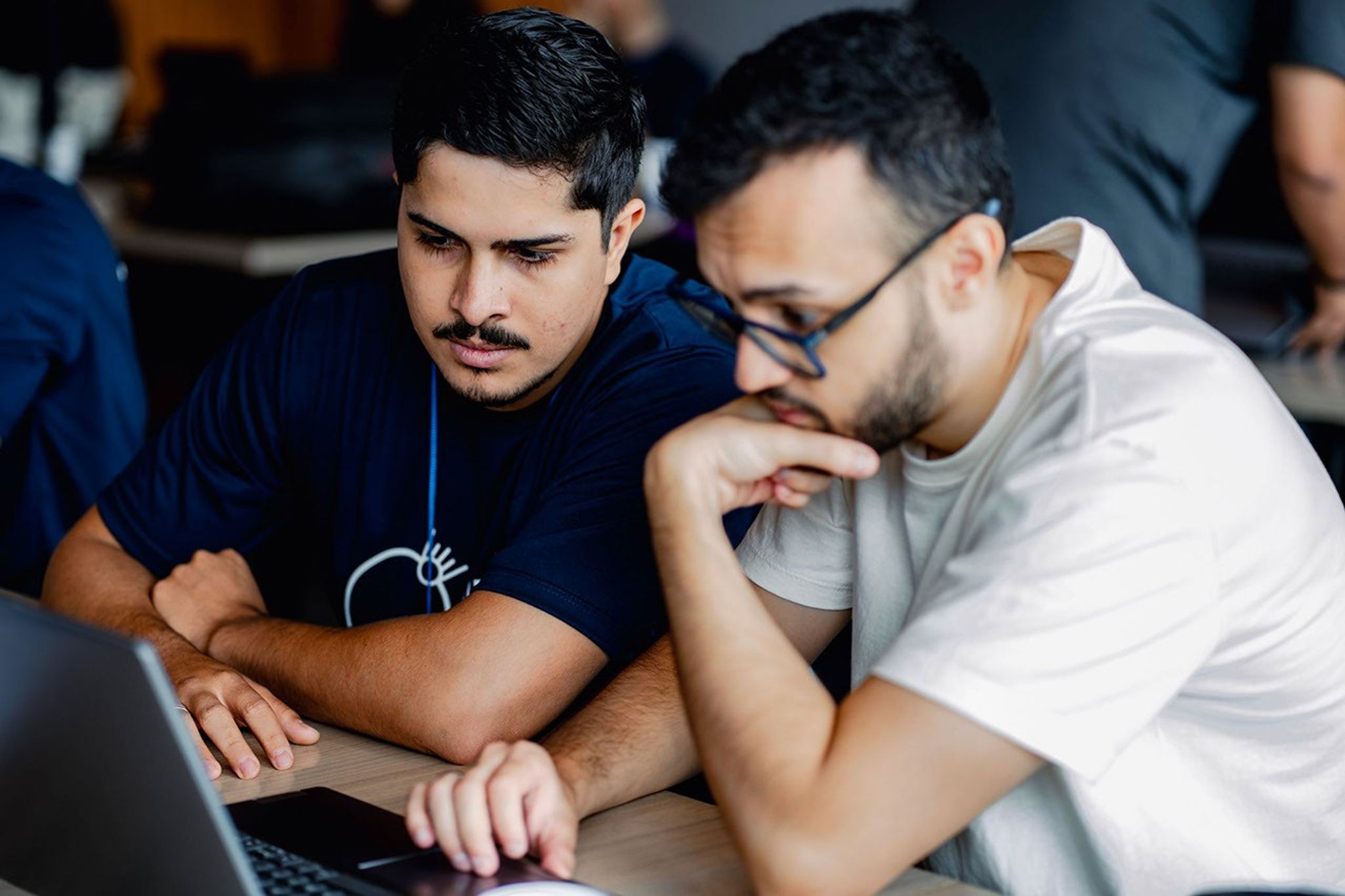
NASA Space Apps Challenge Breaks Global Hackathon Records
NASA's Space Apps Challenge set a new participation record on November 14 and 15. A total of 181,835 people joined 593 events around the world. Teams used NASA's free open data to solve problems about space and Earth. This was the fifth year in a row that more people took part.

New platform improves accuracy of molecular counting in RNA-sequencing
Scientists have created UMIche, a free tool that makes RNA-sequencing more accurate. RNA-sequencing is a way to read which genes are active inside cells. Errors during sequencing can make those readings wrong, and UMIche helps fix them. The study was published in the journal Nature Communications.

Novel algorithm predicts brain surgery outcomes in dystonia patients
Dystonia is a disorder that causes painful, uncontrolled muscle movements. Fewer than 5% of patients get deep brain stimulation, a surgery that sends small electrical pulses into the brain. Outcomes vary a lot from person to person. A new algorithm aims to predict who will benefit most, which could help more patients get the treatment.
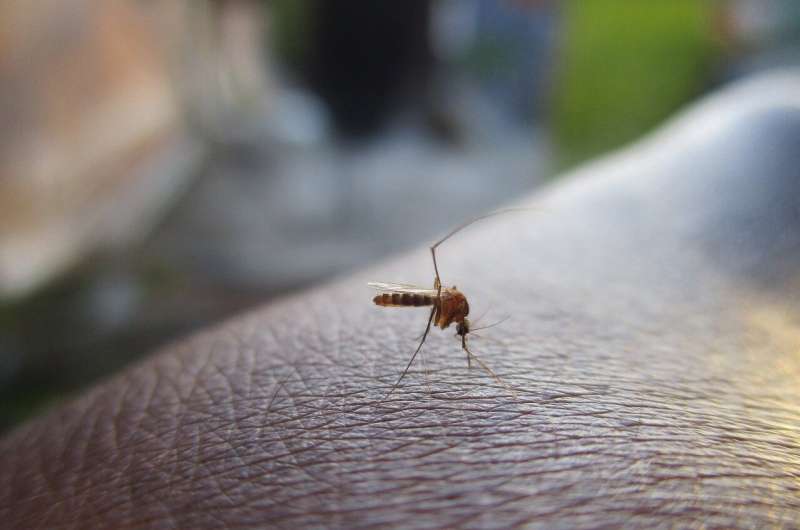
First successful human challenge model for dengue serotype 4 could speed vaccine and drug testing
Researchers at the University of Maryland School of Medicine and the Institute of Human Virology developed a new testing method. It is the first successful human challenge model for dengue serotype 4, one strain of the dengue virus. Dengue is a painful mosquito-borne illness. Because this strain is hard to study, the method could speed up the making of new vaccines and drugs.

New protocol finds ways to relieve overcrowding at hospital emergency departments, study finds
A new protocol offers ways to reduce overcrowding in hospital emergency departments. Each year, about 155 million emergency visits happen in the United States. More than a million patients spend at least 24 hours in the emergency department. The study suggests the approach could help ease this widespread strain on hospitals.

Study uncovers molecular mechanism underlying lip-related floral organ curvature in slipper orchids
Scientists at the South China Botanical Garden in China studied slipper orchids. They found a molecular switch that shapes the curved, lip-like parts of the flower. The findings help explain how orchid flowers developed and changed over time. The study was published in the journal New Phytologist on November 6.

Flu shots: Timing for maximum protection
Experts, including the U.S. Centers for Disease Control and Prevention (CDC), say September or October is the best time for most people to get a flu shot. The shot gives your body time to build protection before flu season peaks. Protection can fade over time, especially for people over 65. If you miss the early window, a later shot can still help while flu is spreading.

Newly identified kidney protein protects blood vessels, study finds
Researchers at the University of Colorado Anschutz School of Medicine found a protein in the kidneys that helps control blood phosphate. Phosphate is a mineral found in many foods. In animal studies, mice without this protein had stiffer blood vessels and shorter lives, especially on a high-phosphate diet. The protein could become a target for new drugs to help people with chronic kidney disease.

Testing gel and a titanium brush for cleaning dental implants
Angela De Lauretis studied better ways to clean dental implants at the University of Oslo. She tested special gels and a titanium brush in the lab. Both helped remove a protein layer and let cells attach well. The methods have not yet been tested on patients.
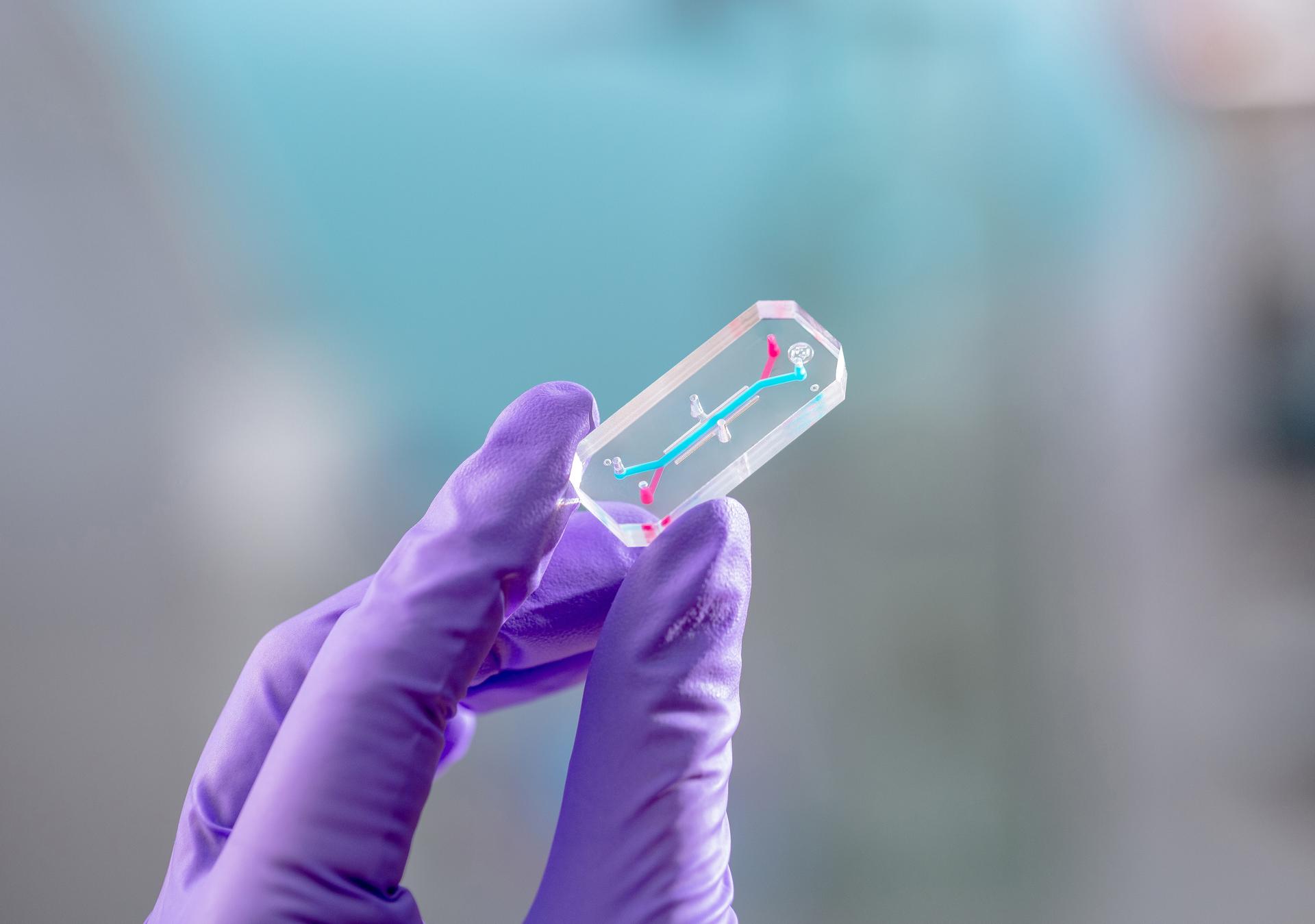
BPS Digital AVATAR Challenge
NASA's AVATAR experiment is flying aboard the Artemis II mission. It uses small devices called organ chips, which are tiny models of human organs. Scientists will use them to study how extra radiation and weightlessness affect the body. The results could improve health care for astronauts and for people on Earth.

Lava flows studied for their carbon dioxide storage potential
Researchers at the Indian Institute of Technology Gandhinagar studied ancient volcanic rock in Maharashtra, India. The rock formed about 65 million years ago from lava flows. Scientists want to know if it can trap carbon dioxide, a gas that warms the planet, deep underground. Their work used drones to map seven lava layers at Kumbharli Ghat, the first study of its kind in this region.
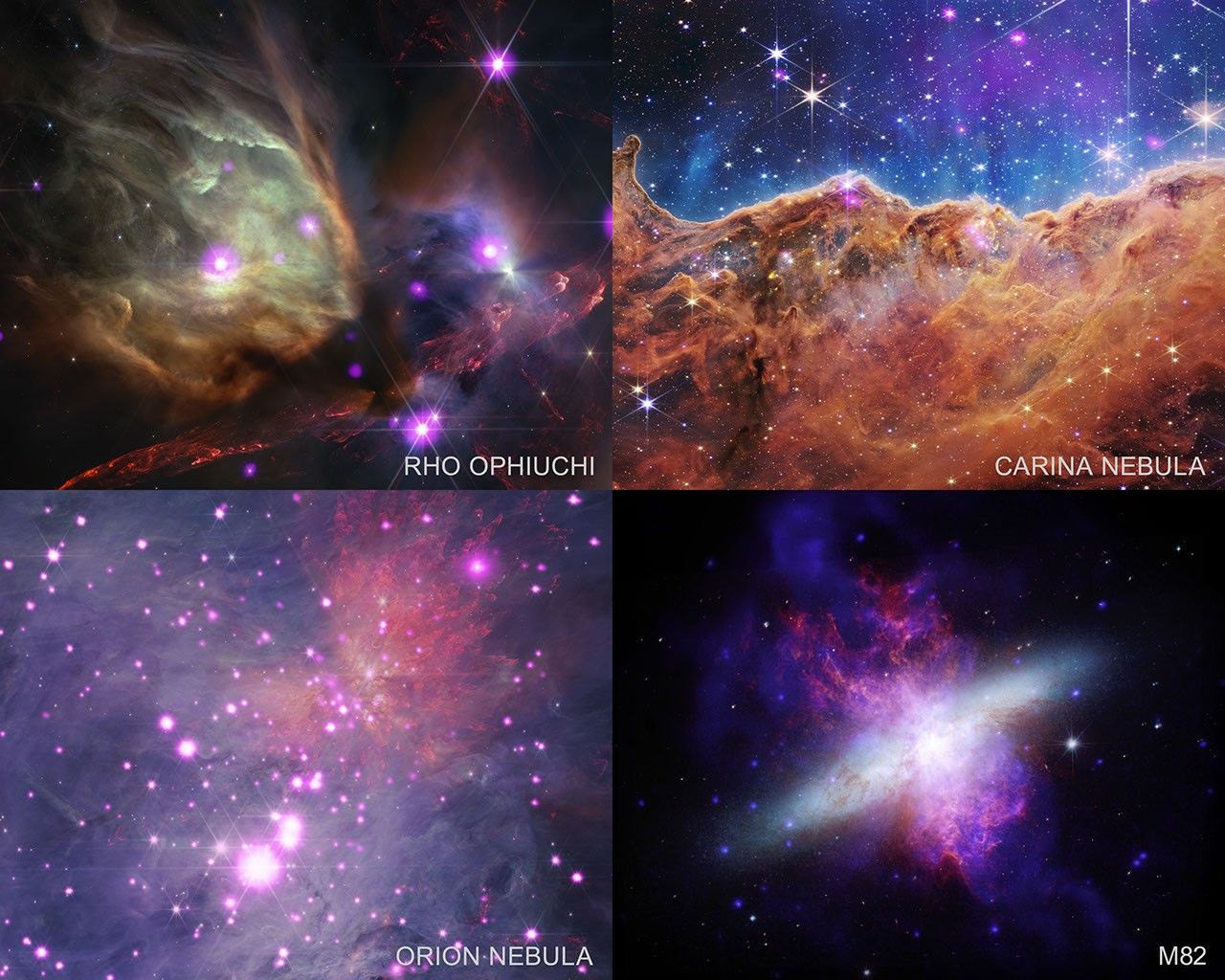
New Album of Baby Star Sounds Shared by NASA’s Chandra
NASA's Chandra X-ray Observatory, a space telescope, has released a new album of sound. It turns X-ray and other telescope data from young, forming stars into music-like audio. Four new pieces cover stars being born across the galaxy. Scientists hope the sounds help them understand how all stars live and change over time.
A new tool to predict T cell behavior and improve immunotherapies
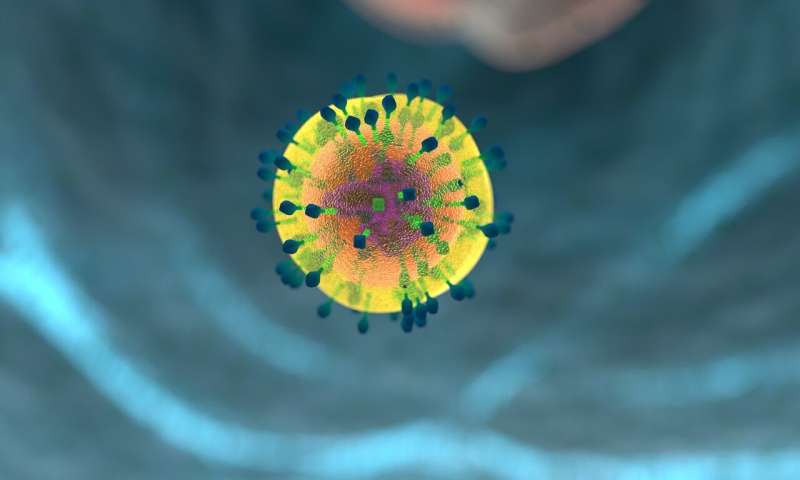
Researchers at Memorial Sloan Kettering Cancer Center in New York built a new tool to predict how T cells behave. T cells are immune cells that fight cancer, but some do not respond to treatment. The team's method, called TCRi, studied more than 167,000 T cells from cancer patients on checkpoint inhibitors. The approach could help doctors tell which patients will respond to immunotherapy.