Latest News
Positive stories from around the world · Good news by country
Showing 36745–36768 of 37342 articles

Next-generation optical sensor can read photon spin across UV-to-infrared wavelengths
A team in South Korea created a powerful new light sensor. The sensor uses tiny particles called quantum dots to study light. It can detect not just how bright light is and what color it has, but also its spin—the direction it rotates. This works across a huge range from ultraviolet to short-wave infrared light. This technology could help in astronomy, quantum computing, and studying materials.

How plants could betray themselves across the galaxy
Imagine aliens pointing a powerful telescope at Earth. Could they tell we have life here? Scientists say yes, and the clue would come from plant colors. Plants on Earth reflect red light in a special way called the "red edge effect." This unique glow happens because plants use photosynthesis to turn sunlight into food. This signature might be bright enough to spot from faraway star systems. The finding could help scientists search for life on other planets too.
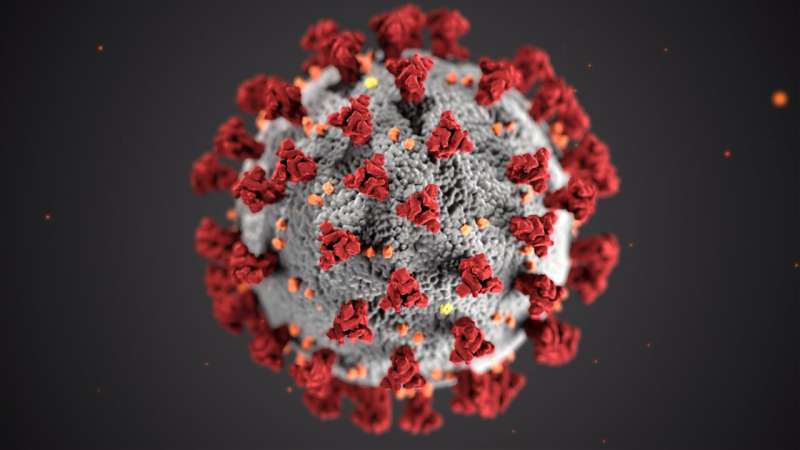
Q&A: How studying two different viruses can lead to new strategies for more potent antiviral treatments
Virologist Theodora Hatziioannou at Rockefeller University is studying two very different viruses—HIV-1 and SARS-CoV-2—to develop better antiviral treatments. Though the viruses work differently (HIV-1 stays in the body forever, while SARS-CoV-2 is temporary), comparing them may reveal secrets about how to fight both. This research could lead to new antiviral strategies that work against multiple diseases.

Understanding cell structures: Novel tool enables analysis of the plant actin cytoskeleton
Scientists in Potsdam, Germany have created a new computer tool called GraFT (Graph of Filaments over Time) for studying plant cells. The tool can automatically track and trace filamentous structures inside plant cells with high precision. This represents a breakthrough because previous methods were slower and less accurate. Researchers say GraFT could revolutionize the study of how plants grow and respond to their environment.

Emotions in motion: How movement may signal mental health issues
Researchers at the University of Texas at Dallas have discovered a new way to spot mental health issues. They used 3D cameras and machine learning (AI that learns from data) to analyze how people walk and rise from chairs. The study found that people with higher depression and anxiety showed different movement patterns. This could lead to wearable devices that give early warnings about mental health changes.

Why a potential anti-cancer agent stalled in trials: New enzyme insights may boost yield and purity
Researchers at the University of Bayreuth in Germany have unlocked the secrets of fostriecin, a potential anti-cancer agent that previously stalled in trials. Led by Prof. Dr. Frank Hahn, the team successfully produced all enzymes involved in fostriecin's production in the lab and studied them one by one under controlled conditions. By deciphering these biosynthetic steps, scientists may find ways to make the drug more efficiently and explore new cancer treatment approaches.

Dozens of deep-sea species discovered as new crustaceans named
Scientists have discovered and named 24 new species of deep-sea crustaceans. These tiny creatures live in the ocean's darkest depths, where few humans have ventured. The discoveries are part of a project aiming to name 1,000 unknown ocean animals by 2030. Researchers say the deep sea still holds millions of species never seen by humans.

Craving in addiction may alter how the brain makes decisions
Researchers have found that craving can affect how people make decisions, and the effect depends on what's at stake. TheThe study, published in Nature Mental Health, suggests understanding craving is key to understanding addiction itself The. The findings could help guide new ways to treat addiction by targeting how the brain handles craving. Scientistshope this knowledge leads to better therapies.

Portable unit can quickly detect deadly whale and dolphin diseases
Researchers at the University of Hawaiʻi at Mānoa built a portable testing unit that can identify dangerous diseases in whales and dolphins quickly. The device works in oceans, on beaches, and in remote areas, delivering results in roughly one hour. This speed lets wildlife responders make faster decisions during mass stranding events. The study appeared in the journal Transboundary and Emerging Diseases.

Mutation map reveals how amylin mutations influence type 2 diabetes
Scientists at the Institute for Bioengineering of Catalonia have built a comprehensive map showing how mutations in amylin affect its behavior. Amylin is a hormone that helps control blood sugar, but some mutations cause it to form harmful amyloid clumps in the pancreas. These clumps are connected to the development of type 2 diabetes. Before this research, scientists only had incomplete, isolated studies. The new map connects all these findings and gives a clearer picture of how genetic changes influence the disease.

Normative messaging bridges the partisan gap in pandemic risk-taking, study shows
New research shows that political beliefs can shape how people respond to health crises. But the study found that targeted messages focusing on how personal choices affect others can overcome these divides. When people see that their decisions matter to their community, they are more likely to follow public health guidance regardless of their political views.

No dyes, less cell stress: How mid-infrared ultrasound imaging tracks lipids live
Scientists at Helmholtz Munich and TUM built a microscope that images fats inside living cells without chemical dyes. Traditional methods require researchers to add fluorescent tags, which are hard to make and can damage the cells being studied. The new tool shines mid-infrared light and uses sound waves to detect lipids, letting it identify specific fats like cholesterol and sphingomyelin. This could help doctors and biologists study how fats behave in healthy and diseased cells.

uPAR-targeted CAR T cells shrank solid tumors and cleared metastases in mice
CAR T-cell therapy has transformed blood cancer treatment but has struggled against solid tumors. Solid tumors are hard to target because their cells lack consistent surface markers and are protected by scar tissue. Researchers discovered that targeting a protein called uPAR allowed CAR T cells to overcome these barriers. In mice, the modified therapy shrank solid tumors and cleared distant metastases.

ILO and Nestlé partner to advance labour rights in coffee supply chains
The International Labour Organization (ILO) and Nestlé have partnered to advance labour rights in coffee supply chains across Brazil, Colombia, and Mexico. The two-year initiative focuses on protecting workers' rights and improving working conditions for coffee farmers in these key producer countries. This collaboration brings together a UN agency and a major corporation to address labour issues in the agricultural sector.

Improved catalyst enhances the conversion of ethanol to hydrogen
Researchers have created a better catalyst for turning ethanol into hydrogen. The new catalyst is 15% more efficient and cuts energy costs by 25%. Ethanol can be made from corn, sugarcane, or agricultural waste, making it a widely available resource. Cleaner hydrogen fuel could replace fossil fuels in cars, factories, and power plants.
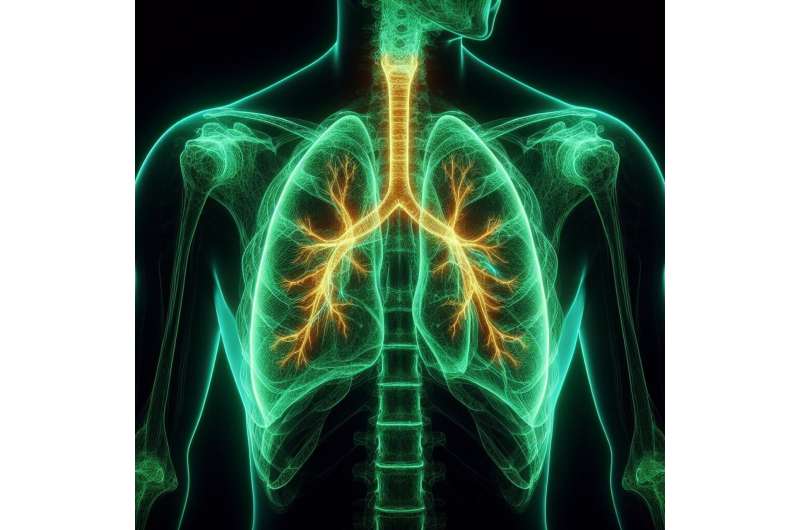
Catheter-directed clot treatment cuts early collapse risk in pulmonary embolism trial
A new catheter-based treatment is showing promise for patients with life-threatening lung blood clots. When a clot blocks vessels in the lungs, it can stop the heart from pumping blood properly and become deadly. About 15% of patients with acute pulmonary embolism die from the condition. Standard clot-dissolving drugs work but carry a high risk of dangerous bleeding. The catheter-directed approach appears to reduce early collapse risk while avoiding these bleeding complications.

Graphene 'leaf tattoo' sensor tracks plant hydration in real time
Scientists at the University of Texas at Austin developed a graphene-based electronic tattoo for leaves. The flexible, sustainable sensor sticks to leaves without causing damage. It can track hydration levels in houseplants, crops, and forests, helping answer whether plants are getting enough water.

Culturally tailored food intervention delivers meaningful blood pressure reductions, finds study
Researchers tested a food-based intervention where dietitians coached Black and Hispanic adults with hypertension using culturally relevant meals. Participants who got the full coaching support showed larger blood pressure reductions than a comparison group that only received fresh produce. The study highlights how personalized dietary advice can outperform simply providing healthy food alone. These findings were shared at a major heart health conference.

Switching from dulaglutide to tirzepatide boosts patient-reported well-being for people with type 2 diabetes: Analysis
Researchers analyzed patient-reported outcomes from the SURPASS-SWITCH clinical trial. Adults with type 2 diabetes who switched medications saw improvements in blood sugar control and weight loss. Beyond physical health, patients also reported feeling emotionally better after the switch. The study confirms that tirzepatide may offer benefits that extend beyond traditional medical measurements.

Stabilized laser components could shrink quantum computers from room- to chip-scale
Scientists at the Riccio College of Engineering at UMass Amherst and the University of California Santa Barbara have shown key laser and ion trap parts that could help shrink quantum computers. The researchers demonstrated components that could take quantum machines from room-size down to chip-size. This mirrors how regular computers shrank in the 1970s, 80s, and 90s. Quantum computers today need large setups, but these new parts could make them as small as smartphones.

Genetic code of growing bacterial threat identified using whole-genome sequencing
Scientists at Houston Methodist Research Institute in Texas have completed the largest U.S. study of Streptococcus dysgalactiae subspecies equisimilis (SDSE). Using whole-genome sequencing, they discovered the bacterium exists in more genetic forms than previously known. Some variants may lead to serious or life-threatening infections. The research, led by Dr. James Musser, was published in the journal Microbiology Spectrum and aims to help doctors better understand and respond to this emerging pathogen.

Protein complex protects central RNA quality control from disruption
Researchers at the Institute for Genetics have uncovered how three proteins cooperate to keep an important cellular quality-control system working. The proteins SMG1, SMG8, and SMG9 together activate nonsense-mediated mRNA decay (NMD), a process that destroys faulty RNA before it causes harm. Scientists had long wondered how these proteins interacted. The new study shows their coordinated teamwork protects NMD from disruption.

Stopping tick spit: What a new saliva control map could mean for Lyme prevention
Scientists have created a detailed map of tick saliva. The map reveals how tick spit works to prevent blood clotting and weaken the host's immune defenses. This new understanding comes from studying how ticks stay attached to hosts for days while feeding. The research could open doors to new treatments that block Lyme disease transmission.

Copper-loaded starch nanoparticles can target bacteria in microbial communities
Researchers have created tiny copper-loaded starch particles that can hunt down and destroy antibiotic-resistant bacteria. Drug-resistant bacteria cause over 2 million infections and 23,000 deaths in US hospitals every year. The nanoparticles offer a new way to treat infections while limiting the growth of resistance. This approach could become a powerful tool in the fight against superbugs.