Latest News
Positive stories from around the world · Good news by country
Showing 2281–2304 of 37359 articles

A gut microbe shields mice from Parkinson's-like brain damage
Researchers in Taipei tested a gut bacterium in mice with a Parkinson's-linked mutation. A single dose at 5 months of age helped keep their gut lining healthy and lowered inflammation. Five months later, treated mice moved better and had fewer brain protein clumps and less loss of dopamine-producing cells. The results are promising, but human trials are needed.

New strategy boosts iron-based single-atom catalysts for Fenton-like reactions
A team at the Xinjiang Technical Institute of Physics and Chemistry built a core-shell catalyst with iron atoms spread one by one. The design stayed stable while speeding up Fenton-like reactions, which can break down pollutants. It removed nearly all 2,4-DCP from water in 20 minutes under mildly acidic conditions. The result may help improve water cleanup methods.

III-nitride device integrates sensing and memory for in-sensor computing
Researchers in China developed an aluminum gallium nitride device that senses light and stores information in the same component. It can also handle simple processing, reducing the need to move data between separate parts. The device detected very weak light and operated at temperatures up to 300°C. A clothing-image test using a computer simulation reached more than 90% accuracy, but larger hardware tests are still needed.

A standard shortcut, used since the 1970s, hides a magneto-optic effect in ordinary glass fiber
Researchers at Wits University in Johannesburg showed that a magnet beside a glass fiber can alter its light pattern. The effect was missed because a common model left out a small part of the light. It may help create sensors that sit beside power cables instead of wrapping around them. Tests are still needed to learn whether the effect is strong enough for practical use.

Cientistas descobrem causa genética de doença cerebral fatal em bebês
Scientists at King Abdullah University of Science and Technology (KAUST) in Saudi Arabia found the genetic cause of a rare brain disease that kills babies. The disease has no known cure, but the discovery matters. Genetic tests during pregnancy can now help find the disease early. Families who have lost babies to it may finally understand why.
President von der Leyen travels to Black Sea region and reaffirms EU's solidarity with Romania and Bulgaria in ‘testing times'
European Commission President Ursula von der Leyen visited Romania and Bulgaria on November 9 and 10, 2026. The trip focused on the Black Sea region. She said the EU stands with both countries during what she called testing times. The brief source excerpt gives no further details about agreements or aid.

Angolan hunters protect Southern Africa’s internationally important wetland
Local chiefs in southeastern Angola chose 75 experienced hunters as community Watchers. They use phones and camera traps to report illegal hunting, fires and changes in forests and lakes. Lisima Lya Mwono covers more than 150,000 square kilometers and feeds rivers flowing toward the Okavango Delta and Zambezi. The effort builds on local traditions to protect wildlife and water.

Public sector workers on lowest wage to see 18.3% pay hike in 5.2bn euro deal | The Independent
Ireland's Government and public sector unions reached a draft pay deal covering workers through March 2029. It offers pay increases of 10.75% overall, with raises of up to 18.3% for the lowest-paid workers. A planned strike was suspended while unions review the deal and ask members to vote. The agreement could be reviewed if the economy suffers a major downturn.

New algorithm improves phase readout for space-based gravitational wave detection
A team led by Yu Tao at the Changchun Institute of Optics developed a new way to read signals from laser interferometers. The algorithm avoids estimating modulation settings first, reducing a source of measurement error. Simulations showed 2.362 microradians of phase error, about 52.78% less than the conventional method. A hardware-focused simulation also showed the approach could work on an FPGA chip.

Wonder and ore: A spectacular new view from space maps Australia's mineral wealth
CSIRO combined satellite data to create a detailed mineral map covering Australia. The satellites capture light across more than 200 narrow bands, far more detail than earlier 14-band images. The map shows aluminum-bearing minerals that can point to possible ore deposits. CSIRO says it may also support agriculture and environmental monitoring.

Hera spacecraft in ‘rectangular orbit’ around target asteroids
The European Space Agency's Hera spacecraft has arrived at Didymos, a pair of asteroids in space. It sits about 25 to 30 km away and is about the size of a small car. Hera has begun an early study phase to collect key data on the asteroid pair. The mission helps protect Earth by learning how to deflect dangerous asteroids.

Kenya discharges last Ebola patient in key milestone to being declared free of the virus
Kenya has discharged its last Ebola patient, bringing the country closer to being declared free of the virus. The cases were linked to a man who traveled from the Democratic Republic of the Congo through Uganda. Health officials found no evidence of wider community spread. Four healthcare workers were among those who recovered.
Kenya's Ebola outbreak: Last patient discharged as countdown begins to be being declared free of the virus
Kenya discharged its seventh and final Ebola patient, a major step toward ending its first recorded outbreak. All 135 known contacts completed monitoring, and no new cases have been confirmed since 20 October. Kenya now needs 42 days without a new case before the outbreak can be declared over. Health teams will keep screening and watching for infections during that period.
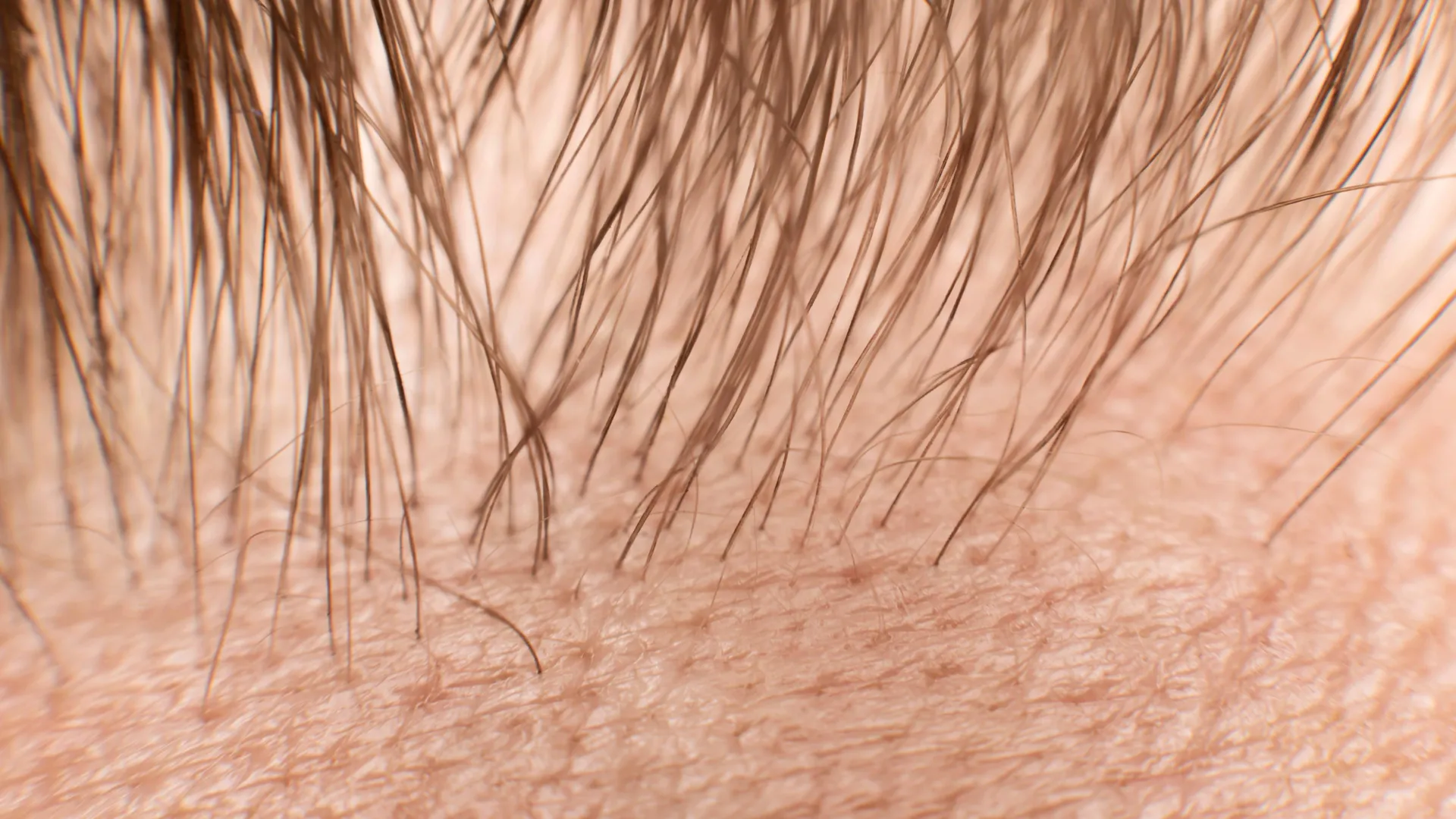
The mystery of how hair knows where to grow may finally be solved
Researchers at the University of Geneva modeled how skin cells move toward chemical signals during development. The model recreated hair follicle patterns in laboratory mice and spiny mice. The findings challenge a long-standing theory that growing follicles keep new ones away. The work may also help explain how feathers and scales form.

Testing the next generation of wildfire tech: Interview with XPRIZE Foundation’s Andrea Santy
The XPRIZE Wildfire competition aimed to improve how crews spot and respond to destructive fires. Launched in 2023, the four-year contest offered $11 million. It focused on satellite systems that can find small fires across wide areas and autonomous tools that can detect, navigate to, and suppress fires. The excerpt does not name the winning teams or where testing took place.

Research snapshot: The use of icons in aphasia-friendly texts
Researchers tested whether noun or verb icons help people with aphasia read short stories. Two of three participants understood the stories better when icons were added, and two did better with noun icons. The study suggests that pictures may help, but the best support can differ by person. Its findings could help clinicians make reading materials more accessible.

US brand StarKist suspends tuna sourcing from vessels accused of exploiting Indonesian fishers
StarKist says it will no longer buy tuna from fishing vessels linked to forced labor claims. The U.S. brand also hired an outside firm to investigate its supply chain. The move followed demands from an Indonesian migrant fishers’ union for a binding labor agreement. The company says it has zero tolerance for labor and human rights violations.
The brothers and their dad driving England's World Cup bid
England’s Wheelchair Rugby League World Cup bid has a family team at its heart. Two brothers are involved, with one serving as head coach and the other playing. Their father is also part of the story. The short report does not say whether England won the bid.
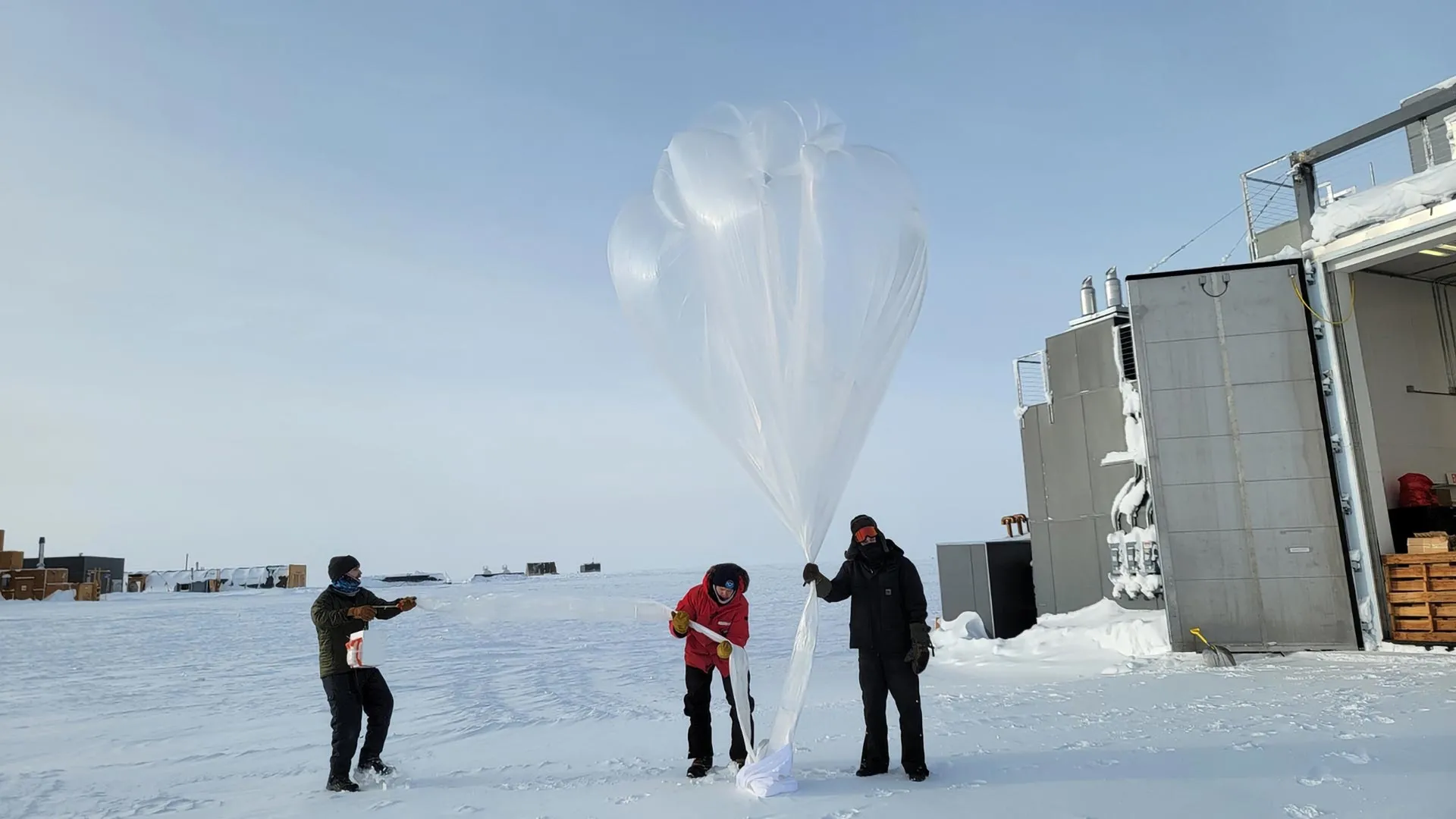
NASA reveals Earth's ozone hole has grown to a size not seen in a decade
Antarctica's ozone hole was the seventh largest in 48 years of records in 2026. It averaged 9.6 million square miles and peaked at 10.5 million square miles on September 18. An unusually strong polar vortex helped it grow. Scientists say cuts to ozone-damaging chemicals kept it smaller than it could have been, while the ozone layer continues its gradual recovery.
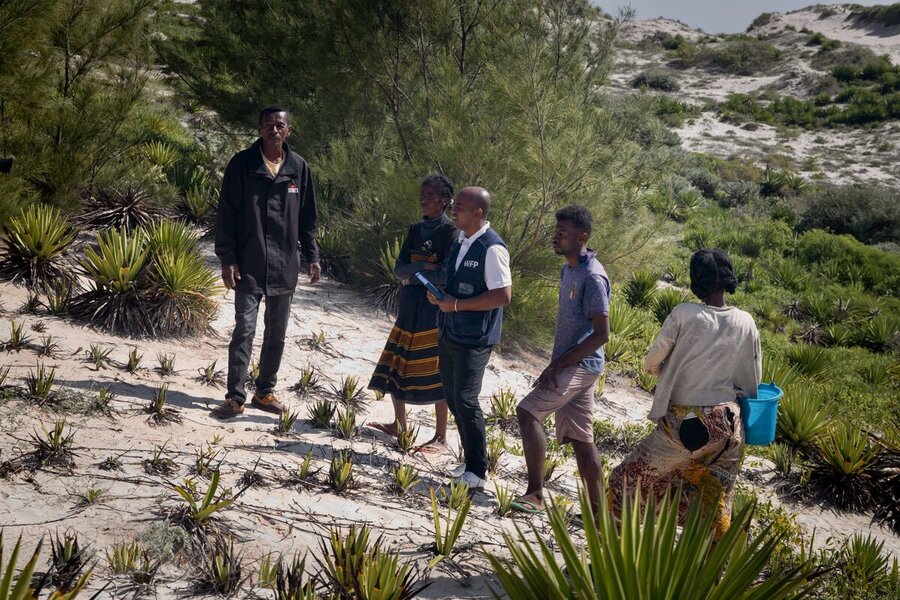
COP31: Why Madagascar is growing a green wall against hunger | World Food Programme
The World Food Programme is stabilising sand dunes in southern Madagascar. Planting helps hold the sand in place. Communities can now protect their farmland and food supplies from desert spread and extreme weather. The project is highlighted during the COP31 climate summit.

RipEye flags possible rip currents in beach photos within seconds
Rip currents caused 47% of Australia's 66 beach drowning deaths reported for 2025. UNSW researchers built RipEye to flag possible rips in beach photos within seconds. Its Spot the Rip game also teaches users how to recognize the danger. Surf Life Saving Australia will test the tools with selected clubs this summer.
Super League approves expansion to 15 teams
Super League shareholders have agreed to expand the competition to 15 clubs for the 2027 season, up from 14. The Rugby Football League board must now set the entry criteria and form a panel to assess candidates. A recommendation will follow, but the article does not name any new club.

Roman-era 'frog feast' near Cambridge was the work of owls, bone analysis suggests
Archaeologists studied bones from a gully near Cambridge, England, and found no signs of cooking or human cutting. Nearly 86% of the frogs had digestion marks, pointing to short-eared owls as the likely predators. The bones came from about 1,800 years ago, when woodland clearing and retreating floodwater may have created ideal hunting and breeding grounds. The find offers a glimpse of wildlife and landscape change in Roman-era Britain.

Bioengineers create portable tool to spot preterm birth risk
A team at Florida International University created PPRIM, a portable device that images cervical tissue to assess preterm birth risk. It uses polarized light to show changes in collagen fibers, which may begin before labor. A pilot study at Jackson Health supported this tissue change as an early warning sign. The tool is designed to spot risk in about five seconds and may give doctors up to three extra months to act.