Latest News
Positive stories from around the world · Good news by country
Showing 2257–2280 of 37359 articles

New guidelines released for care after head injury
Researchers have released new guidelines for emergency care after head injuries in adults. They cover minimal, mild, and moderate injuries. The guidance supports more individualized decisions about computed tomography (CT) brain scans and time spent in hospital. Researchers from Karolinska Institutet and Stockholm South General Hospital helped lead the work.
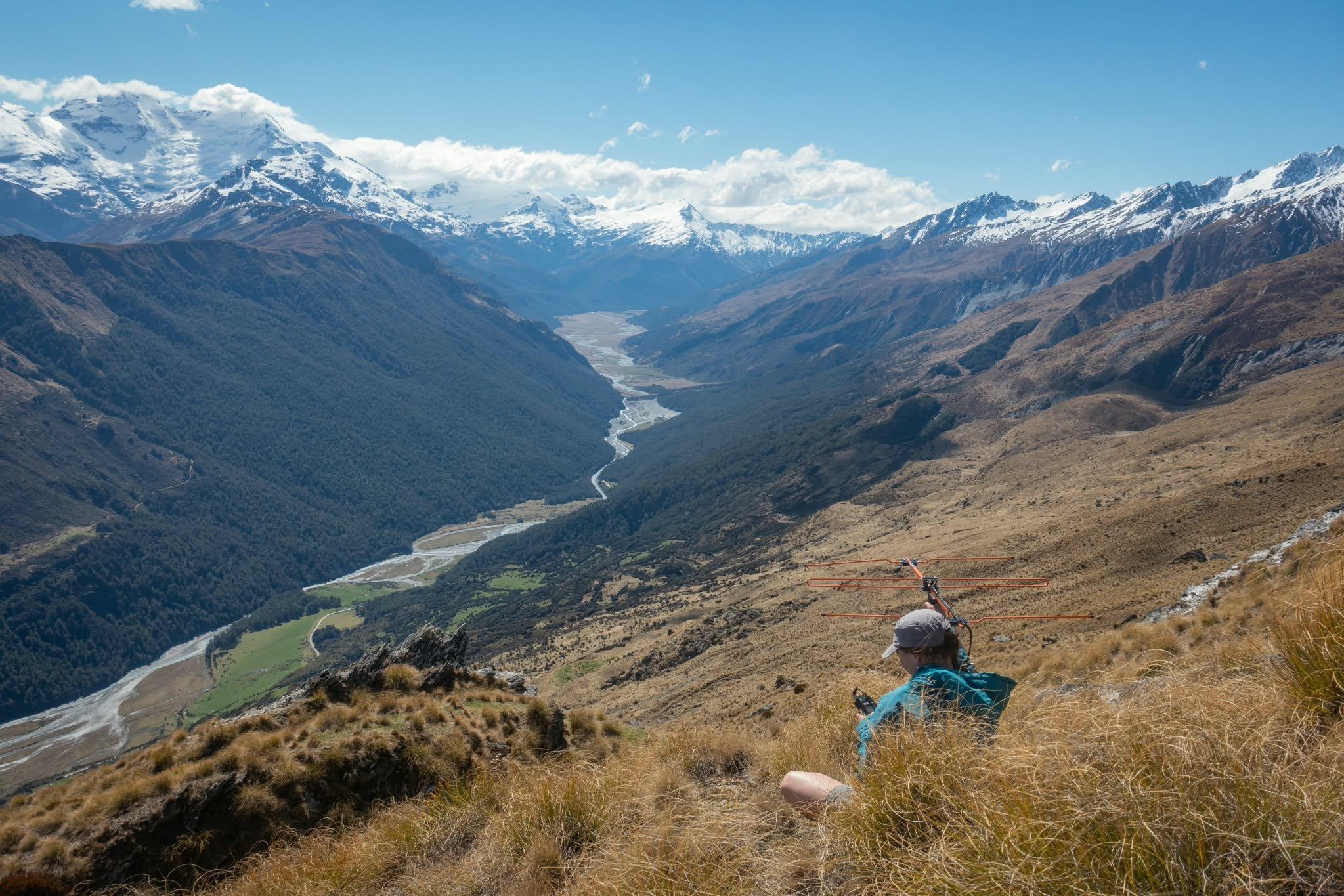
Money should help drive groups into leading edge and ambitious work
Dunedin City Council has given money to two groups working to remove pests and protect wildlife in Otago. The funding backs established programmes at the leading edge of predator elimination and conservation. Predator Free Dunedin says the money gives it the certainty to take on one of New Zealand's most ambitious mainland predator-removal challenges. The groups will also share their knowledge with other communities across Otago.

Patient age may shape which mutations drive melanoma
Researchers at Yale studied how melanoma mutations may differ with patient age. Their findings suggest age could be a useful clue when doctors choose treatments based on a tumor's genetic changes. More research is needed to show how this can guide care.
Sound waves, no scalpel: Li Ka-shing extends cancer therapy to kidney tumours | South China Morning Post
Hong Kong will become the first city in Asia to run clinical trials of a non-invasive treatment for kidney tumours. The treatment uses focused sound waves to destroy tumours without a scalpel. It builds on the same technology already used for liver and pancreatic cancers. The trials are funded by Li Ka-shing, a well-known Hong Kong businessman and philanthropist.

Nuclear softening at an embryo's two-cell stage may be vital for further embryonic development
A team led by Kyushu University and the National Institute of Genetics found that mouse embryo nuclei soften during the two-cell stage. This change helps activate about 2,000 genes needed for development. The researchers built a tiny glass-tube tool to measure nuclear softness without destroying the nucleus. The findings may help scientists study embryos and improve ways to assess embryos used in IVF.

New clinical definition outperforms BMI in diagnosing obesity
Researchers tested a new clinical definition of obesity in a large international study published in Nature. It outperformed body mass index (BMI), a measure based on height and weight, at showing differences in health and prognosis. This included the risk of death. The findings may support more useful obesity diagnoses.

'Fossil record' in stored blood samples lets scientists trace leukemia back decades before diagnosis
Researchers used stored blood samples to trace acute myeloid leukemia (AML) back decades. In two-thirds of cases, the first cancer-driving mutation appeared before age 20. That was more than 50 years before diagnosis in some cases. The findings show how long AML can develop quietly.

Receptor map uncovers hidden sites that could guide asthma drug design
Researchers at the Center for Genomic Regulation in Barcelona created a new way to map hidden sites on a family of proteins. These sites may help scientists design drugs that work more precisely and cause fewer side effects. The method could aid research on conditions such as asthma, heart disease, and depression. No new treatment has been tested yet.

First atlas tracks proteins that cross the blood-brain barrier
The blood-brain barrier protects the brain while allowing some molecules to pass between the brain and blood. Researchers have made the first atlas tracking proteins that cross this barrier. The map could help scientists better understand this exchange and its role in brain health.
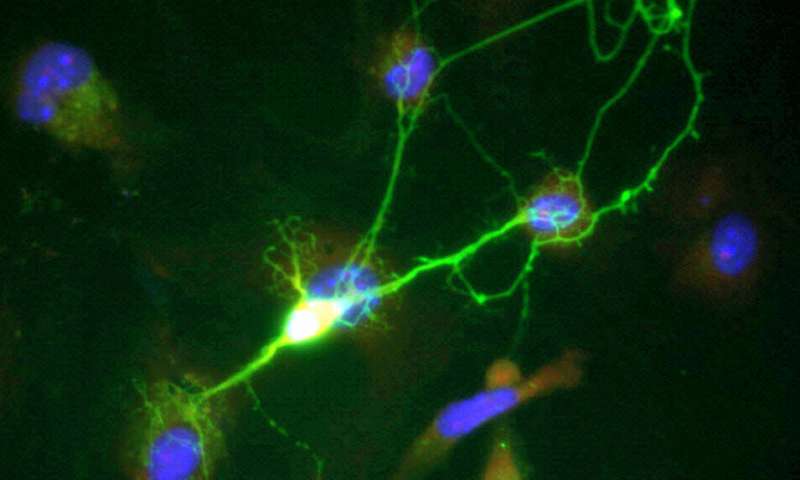
Human neurons regain communication in motor neuron disease lab models
Researchers tested a new approach in lab models of motor neuron disease. It restored communication between human neurons. The approach resembles one being tested in a drug that recently entered human trials. It may apply to 97% of people with MND, but it has not yet been shown to work in patients.

New review explores how faint 'glow' from plants could transform global monitoring of photosynthesis
Plants release a faint glow as they use sunlight, and satellites can detect it. A review explains how this signal may show photosynthesis more directly than measures of plant greenness. University of Kansas researcher Jennifer E. Johnson helped develop a model linking the glow to carbon uptake. Better models and satellite sensors could help track how ecosystems respond to drought and heat.

Molecular brace traps two cancer-driving proteins to suppress prostate cancer growth in preclinical tests
Researchers at the University of Michigan Health Rogel Cancer Center tested a new way to fight prostate cancer. A molecular brace traps two proteins that help drive the cancer. In early tests, the approach showed stronger tumor-fighting activity and spared normal cells. The findings are preclinical, so more research is needed before any use in patients.
Rise of Clean Tech Makes 2026 a Climate Turning Point, Gore Says - Bloomberg
Al Gore says clean energy and green technology are spreading quickly across the developing world. Clean energy means power from sources like sun and wind. He sees this growth as a bright spot in the effort to cut greenhouse gas emissions. He believes 2026 could be a turning point for the climate.
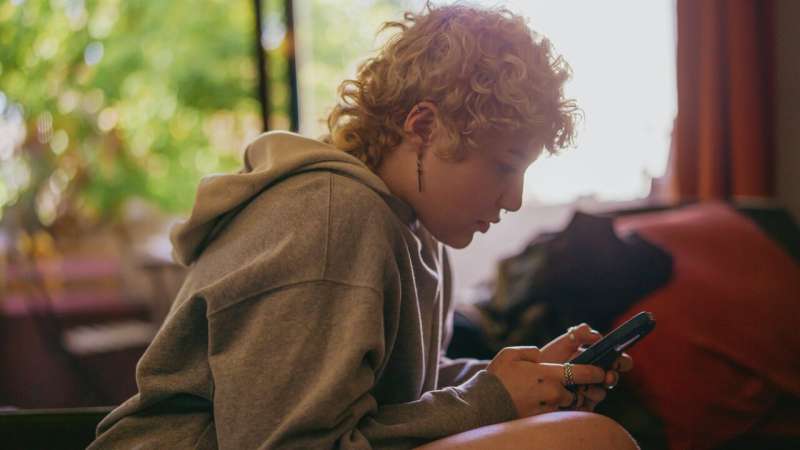
Three brain biotypes found in study of kids with ADHD, anxiety
Researchers led by Stanford Medicine identified three distinct brain patterns in children with ADHD, anxiety, or both. Each pattern is linked to problems in a different set of brain circuits. The findings may help explain why these common childhood conditions often overlap and could guide future research into care.

New gas sensor detects liver disease–related compounds in breath
Researchers in Hefei, China, developed a sensor that detects dimethyl sulfide, a gas linked to some liver conditions. A copper oxide and aluminum oxide filter blocks a common interfering gas and reduces moisture effects. The sensor detected levels as low as 10 parts per billion in very humid conditions. Tests with simulated patient breath suggest it may support noninvasive screening, but it is not yet a proven clinical test.

Moon dust and recycled materials—providing insulation for future lunar habitats
Researchers at Purdue University are developing ultralight insulation from cellulose, which can come from paper or cardboard waste, and a material similar to lunar soil. Their aerogels could help protect future moon habitats from extreme heat and cold. The work also explores using local materials and waste instead of shipping every supply from Earth. The study appeared in ACS Sustainable Chemistry & Engineering.

11,000-year-old clay fragments reveal early experiments in pottery-making
Researchers studied fired clay fragments from Çemka Höyük in southeastern Turkey. The pieces date to about 9350 B.C. and rank among the earliest known fired clay containers in Southwest Asia. Different shapes and mixtures suggest people were experimenting with coatings, attachments, and slab-built vessels rather than making pottery routinely.

Sore throats help inform Strep A vaccine trials
Researchers found that Strep A causes sore throats in about one in seven children each year. The study gives a clearer picture of how common these infections are. That information can help researchers plan future trials of Strep A vaccines.

Beyond food: Bran-based gels show potential for targeted drug delivery
Researchers at KTH Royal Institute of Technology in Stockholm tested gels made from wheat and rye bran fiber. The gels held model proteins and released them when exposed to a gut bacterial enzyme. This could help send medicines directly to the colon, where some diseases develop. The gels still need more testing, including whether they survive digestion in the body.
Ferguson targets PGA Tour after injury woes
Ewen Ferguson says he has recovered from a run of injuries and feels stronger after four months of gym work. He has also worked with a physiotherapist while preparing for tournaments. Ferguson hopes a strong finish in Dubai could help him earn a PGA Tour card, though he may need a win or second place.

Study finds gradebook data can help predict risk of drug use in adolescents
Researchers compared gradebook records with GPA for 289 students in the Los Angeles region. Gradebook details, including participation and engagement, better signaled which students later reported using substances. Nearly 15% reported use by eighth grade. The findings could help schools spot risks early, but the small study needs testing in more places.
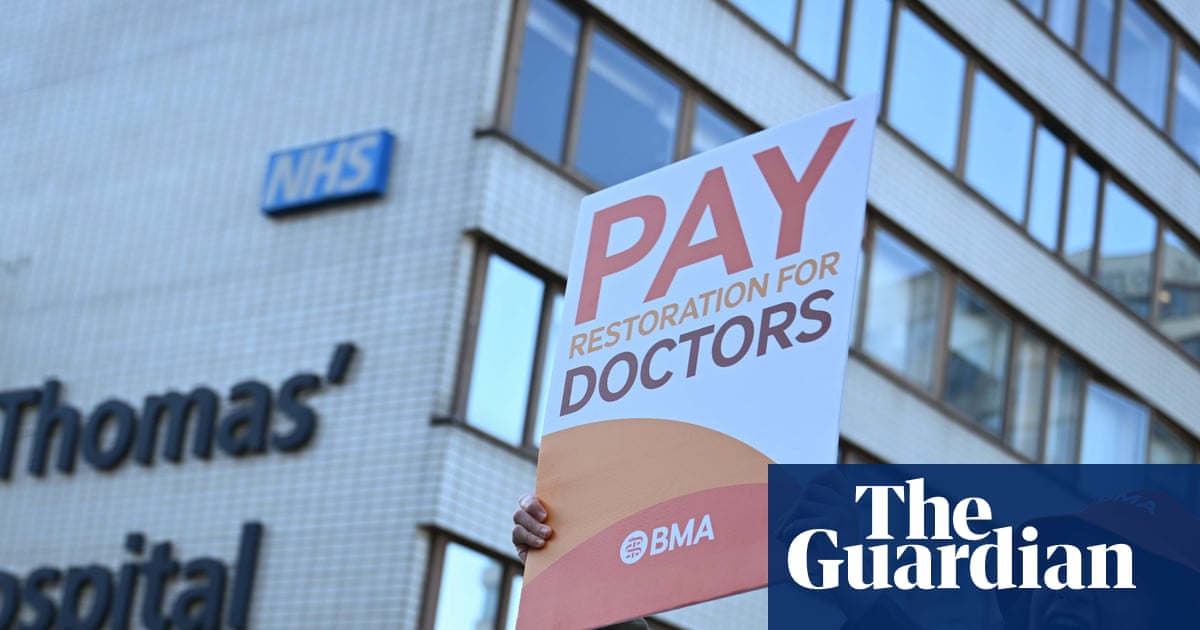
Consultant doctors in England call off two-day pay strike
Consultant doctors in England have paused two planned strike days, avoiding possible delays to routine care. The British Medical Association says the pause will allow formal talks with the government on pay and working conditions. Doctors say salaries have lost 25% of their value since 2009-10. The health secretary welcomed the move and said talks had been constructive.

Parkinson's-linked protein may sabotage the brain's waste disposal system
Researchers studied tissue from people with Parkinson's disease, healthy donors, and mouse models. They found clumped alpha-synuclein near vessels that drain fluid and waste from the brain. In mice, the buildup changed immune cell behavior and disrupted waste clearance. The findings suggest treatments may also need to protect the brain's drainage system.
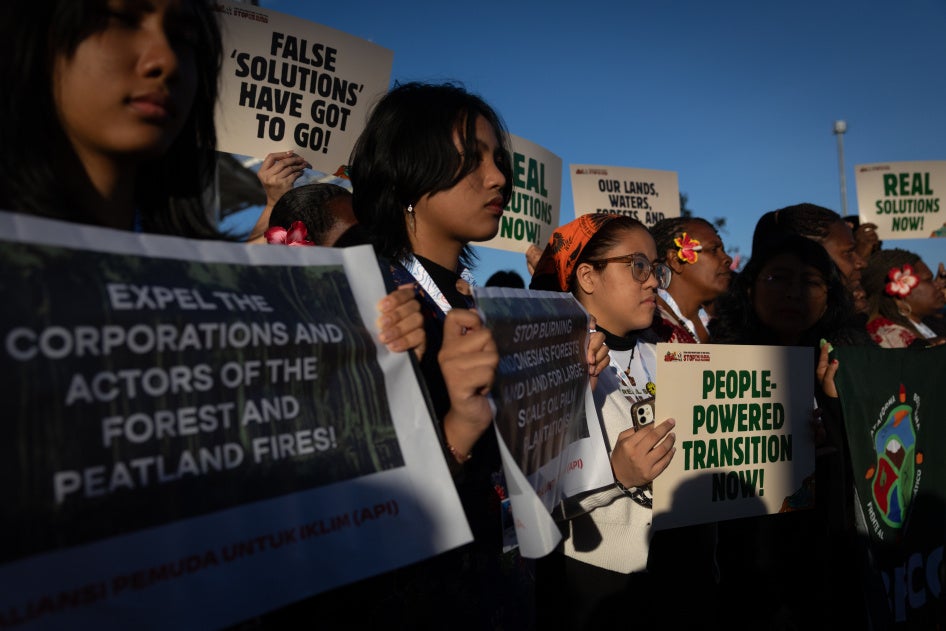
Hope for World’s Forests and Their Defenders at COP31
The Netherlands pledged up to $500 million to the Tropical Forest Forever Facility at COP31. The fund invests pooled public and private money, then uses profits to reward tropical countries that protect forests. At least 20% of payments are reserved for Indigenous peoples and local communities. Total pledges have reached $7.8 billion, below the $10 billion goal.