Latest News
Positive stories from around the world · Good news by country
Showing 4033–4056 of 37378 articles

UNAIDS congratulates Barbados on eliminating vertical transmission of HIV | UNAIDS
Barbados has eliminated vertical transmission of HIV, meaning mothers no longer pass the virus to their babies at the recognized level for elimination. UNAIDS credited health workers, people living with HIV, civil society groups, and political leaders. Their work helped women receive treatment and care during pregnancy.

Aztec methods and crocodiles: How biologists are restoring mangroves in Mexico
In 2017, biologists released a young Morelet’s crocodile into the Alvarado Lagoon System in Veracruz, Mexico. The release marked the final step in a mangrove restoration project. Mangroves provide important habitat for wildlife and help protect coastlines. The article notes that Mexico has suffered the greatest mangrove loss in the Americas.
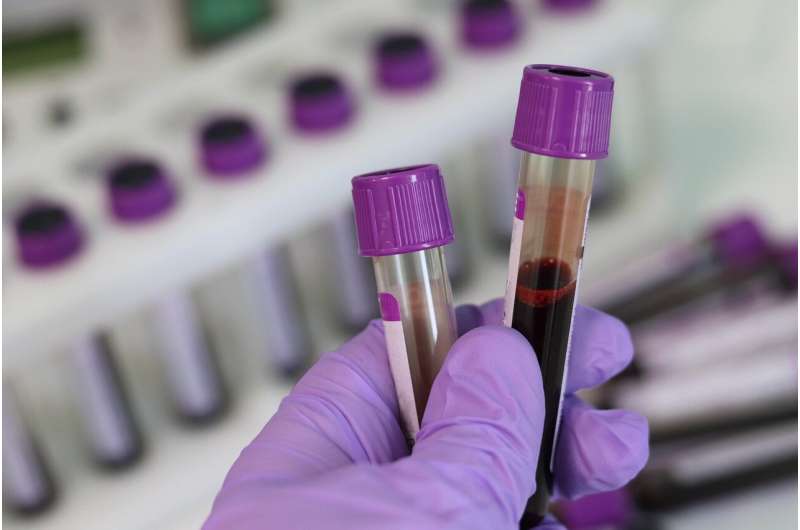
Breast cancer drug raises creatinine without necessarily signaling kidney damage, study finds
Researchers followed 63 breast cancer patients taking abemaciclib at Shinshu University Hospital in Japan. Creatinine rose in 62 patients, but that change may reflect how the drug affects kidney transport rather than kidney injury. In about half of the 29 patients tested, creatinine and cystatin C already disagreed before treatment. The team says a baseline cystatin C test can help doctors judge changes more clearly.

How citizen scientists are mapping Pune’s trees, with hopes of a greener future
Residents are gathering in Pune to record the city’s trees. Their mapping effort helps people learn where trees grow and what green spaces remain. The project aims to support a greener future as Pune grows. The excerpt does not give the number of trees mapped or volunteers involved.

New treatment reduces heart scarring and abnormal heart rhythms, offering a possibility for future therapies
A team led by Baylor College of Medicine and the University of Oxford blocked a molecular interaction linked to heart scarring. The approach reduced scarring in mouse models and in human cells from people with atrial fibrillation. In mice, it also reversed existing scarring and reduced abnormal heart rhythms. The work is an early research finding, not a treatment ready for patients.

Supercharged 'molecule highway' membrane that speeds water transport could transform industrial processing
Researchers have developed a membrane that helps water molecules move faster while separating molecules with greater precision. The technology could improve energy-intensive industrial processes. Possible uses include chemical purification, recovering valuable resources, and making sustainable fuels. The report does not name a specific location or provide performance figures.
Moondra's record 6-26 helps Ireland force decider against Namibia
Ireland beat Namibia by 130 runs in Windhoek, tying their five-game series at 2-2. Jai Moondra took 6 wickets for 26 runs, a record for an Ireland bowler in one-day internationals. The win sets up a deciding match on Sunday.

Podcast Transcript October 30th, 2026— Kenya’s wildlife deal, Halloween tips across the ages, and EV energy security
Vivian Ho, a teenager, built a supply network where families can ask for what they need without forms or labels. Her program also includes handmade crafts chosen with each family’s cultural background in mind. The podcast covers other ideas, including Halloween safety tips and ways to offset long periods of sitting. It also discusses electric vehicle investments by six countries.

Philippines halts U.S. e-waste imports but struggles to police customs-free zones
The Philippines has halted electronic waste imports from the United States, at least for now. Environmental groups had tracked shipments since March 2025 and questioned whether they were screened properly. Some cargoes were suspected of entering through Subic Bay freeport. Customs-free zones remain difficult for officials to police.

Researchers create light-activated cages for 'protein killer' molecules
Researchers created molecular cages called RuPHOTACs. The cages keep protein-destroying drug molecules inactive until exposed to low-energy red light. This gives scientists control over where and when the molecules act. The approach may help guide future treatments while limiting unwanted effects, but it is still a research tool.
Lula wins reelection in Brazil, defying Latin America’s rightward shift - The Washington Post
Brazilian President Luiz Inácio Lula da Silva won reelection, defeating conservative Sen. Flávio Bolsonaro. The reported result marks a political comeback for Lula. It also pushes against a broader rightward shift in Latin America. The article excerpt gives no vote totals or further details.

Beyond treating symptoms: Life stories support mental health recovery
Clinical psychologist Silvia Pol studied how personal life stories can support recovery from personality disorders. Her checklist helps therapists understand clients and guide treatment choices. After intensive therapy, participants reported more independence and better relationships. A group program called A Strong Story may also help people find meaning and recognize their strengths.

Quantum skyrmions outlast entanglement, hinting at more resilient networks
Researchers at the University of Pennsylvania built a chip that creates pairs of entangled photons and transfers a skyrmion pattern from one photon to their shared state. The pattern’s topological feature stayed intact even after disruption broke the entanglement. This early result could guide more reliable quantum networks, though practical networks are still a future goal.
Wildlife trusts secure £30m Rothbury Estate purchase - BBC News
The Wildlife Trusts and Northumberland Wildlife Trust have completed the purchase of Rothbury Estate in Northumberland. A two-year public appeal raised £30 million for the deal, with support from figures including Sir David Attenborough. The estate is a large upland area, and the groups plan to protect its wildlife and restore nature.

Scientists find that a 10-millisecond flash could help build more sensitive gas sensors
Teams at KAIST and Hanyang University-ERICA made thin molybdenum disulfide flakes with a single 10-millisecond light pulse. Adding isolated platinum atoms helped the material detect nitrogen dioxide at room temperature, with a detection limit of 17.2 parts per billion. The method may help make sensitive gas sensors and other useful materials. Testing outside the lab is still needed.

CDK1 protein offers clues to which breast cancers will resist targeted therapy
Researchers at Sydney's Garvan Institute found that CDK1 activity rises as breast tumors become more aggressive. In samples from more than 400 patients, higher activity was linked to worse outcomes. Tumors that resisted CDK4/6 drugs also kept CDK1-related genes active. The finding may help guide future tests and more tailored treatment, but it is not yet a proven clinical tool.

Personal stories offer new insights into stuttering therapy, researchers find
Researchers Rodney Gabel and Ladan Khoshbin reviewed 30 personal stories from people who stutter. The stories came from speech-language panels held between 1996 and 2019. They found six themes, including acceptance, supportive relationships, and speaking up about stuttering. The authors say therapy should help people live effectively, rather than focus only on stopping stuttering.
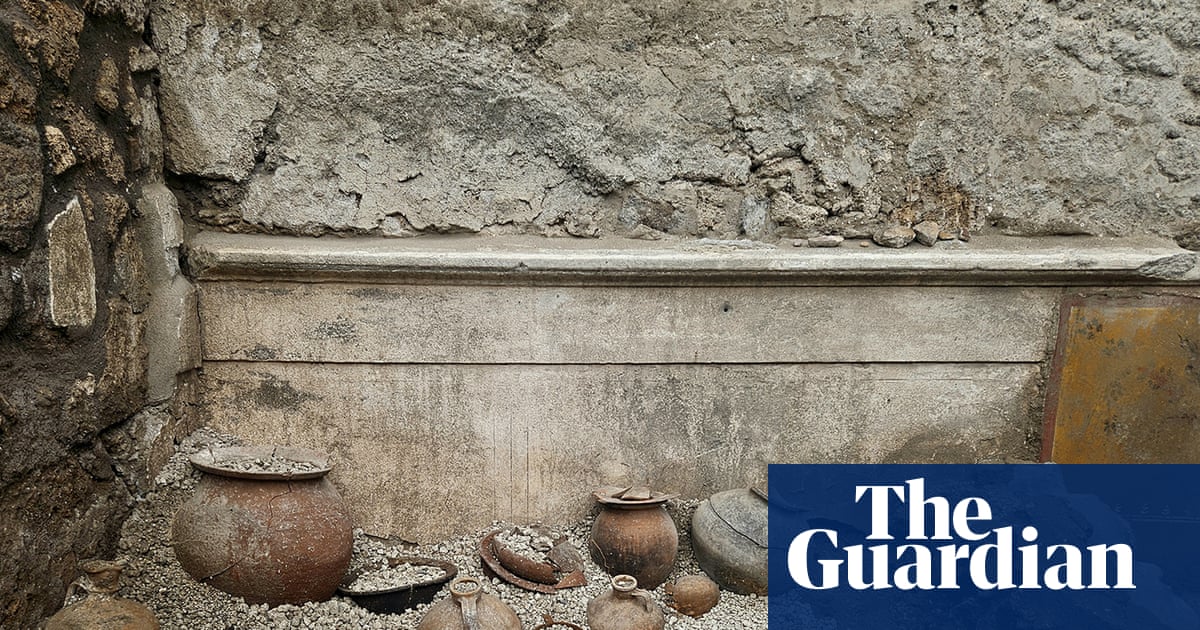
Perfume bottle and child’s necklace among treasures found in Pompeii wardrobe
A wooden wardrobe sealed for nearly 2,000 years held a child’s charm necklace, cosmetics, a perfume bottle, coins, and household goods. The finds came from a home on Pompeii’s busy Via dell’Abbondanza. More than 20 charms on the necklace may have helped parents keep track of children. The objects offer a close look at daily life before Mount Vesuvius erupted in AD 79.

Customizable nanoparticles show potential for delivering personalized cancer vaccines
MIT researchers modified a harmless M13 virus to carry cancer-targeting proteins on tiny fibers. They found that changing how densely those proteins sit on the fiber can shape the immune response. The vaccine prevented colon tumors from developing in mice. The modular design may one day help researchers tailor vaccines to a patient's tumor, but it has not yet been shown to work in people.

Hospitalized medical patients may fare better when treated by female physicians, study finds
Researchers studied 958,150 adults hospitalized in Ontario from 2008 to 2022. Patients treated by female physicians had lower 30-day death and readmission rates than patients treated by male physicians. The study found that more care from female physicians was linked to lower odds of death. It does not prove that physician sex caused the difference.
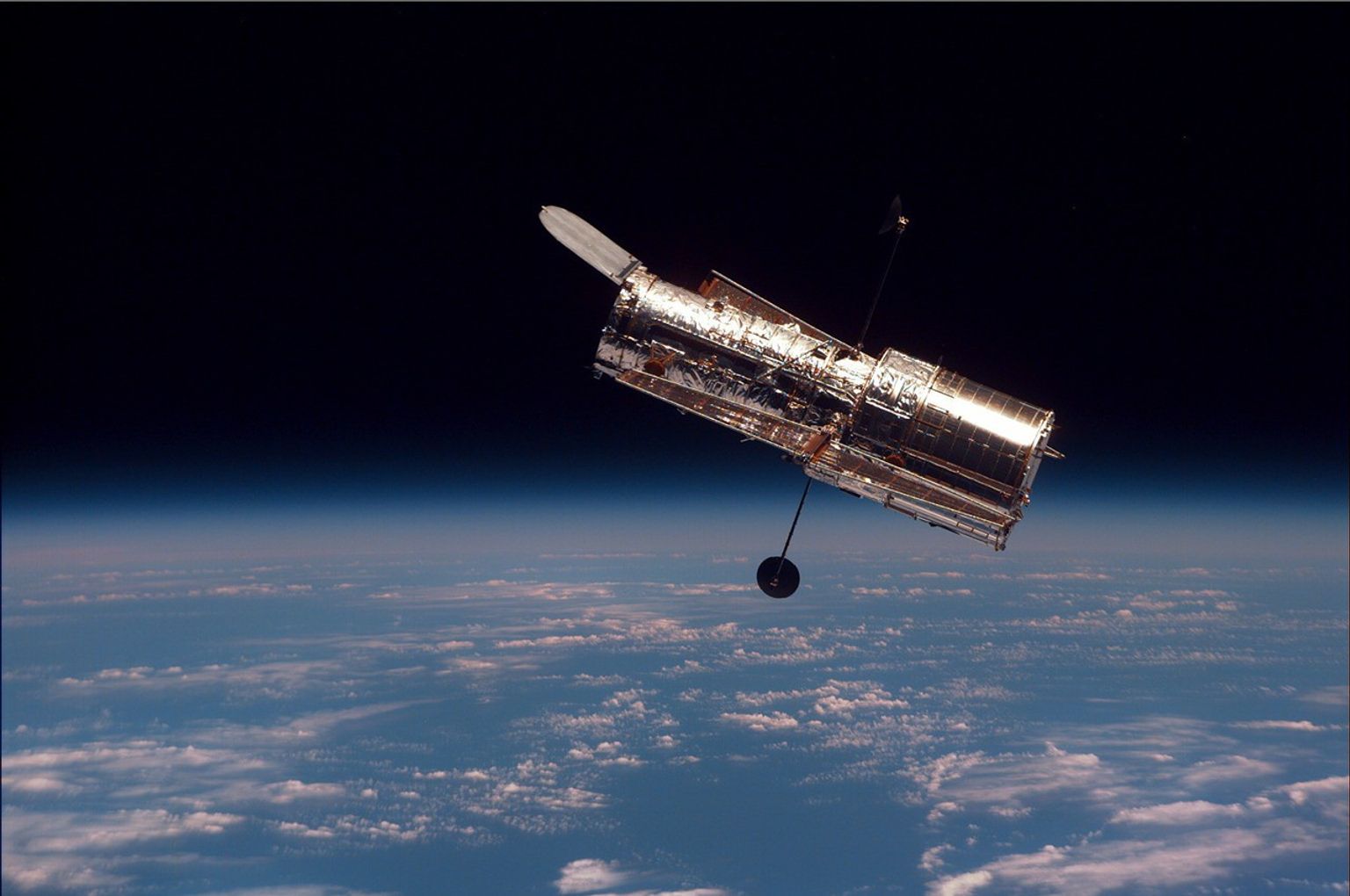
NASA Explores Potential Commercial Servicing for Hubble Telescope
NASA wants to hear from companies that may be able to service Hubble or raise it to a higher orbit. The goal is to keep the telescope working longer and safely manage its final years in space. Hubble is expected to re-enter Earth's atmosphere in 2033 or 2034, so a servicing mission may need to happen by 2032. NASA is gathering ideas, not announcing a mission.

After Botswana, Nepal tries artificial scent marking to fend big cats off villages
A camera trap filmed a Bengal tiger approaching a dispenser in Nepal’s Khata Corridor in March 2025. The device releases a lab-made version of a scent big cats use to mark territory. The tiger investigated the smell and stopped. Researchers are testing whether these stations can help keep big cats away from villages.

Snowfall and clouds may slow East Antarctic ice loss in a warmer world
Researchers modeled how ice sheets and climate change together over 100,000 years. In the simulations, extra snowfall and cloud cover helped protect East Antarctica's interior, even with extreme warming. West Antarctica lost major amounts of ice, while Greenland disappeared above about 6°C of warming. The results depend on model assumptions and do not mean Antarctica is safe from climate change.

NASA's Voyager 1 conserves power, resolves brief communications pause
NASA's team completed a months-long effort in September to stretch Voyager 1's limited power supply. On Oct. 20, the spacecraft unexpectedly stopped communicating with Earth. Contact returned on its own after 48 hours, before the team sent troubleshooting commands.