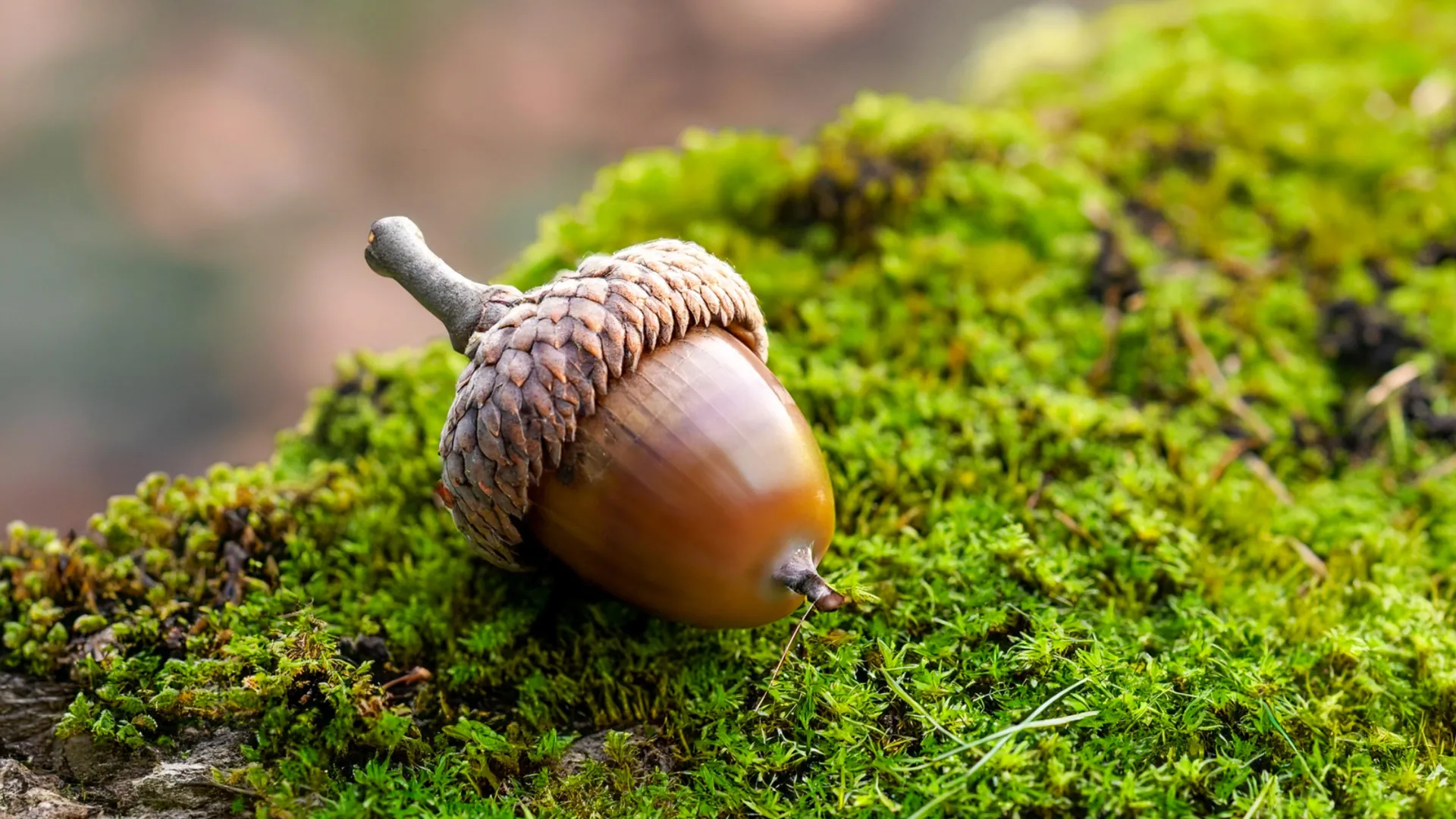
A heavy crop of acorns in a New York forest may offer a warning about tick numbers two years later. That surprising link comes from more than 35 years of research at the Cary Institute of Ecosystem Studies in Millbrook, where scientists have tracked trees, mice, ticks, predators and weather.
The findings matter because Lyme disease is the most frequently reported tick-borne illness in the United States. Nearly 500,000 Americans are diagnosed each year. The disease is caused by the bacterium Borrelia burgdorferi, usually passed to people through the bite of an infected blacklegged tick. Antibiotics can treat Lyme disease, but untreated infections can affect the joints, heart and nervous system. Some people have symptoms that last over time.
A new study in Proceedings of the National Academy of Sciences brings together nine discoveries from the long-running project. One finding challenges the idea that deer numbers are a strong guide to tick risk. White-tailed deer provide blood meals for adult female ticks, but they cannot pass the Lyme bacterium to ticks. Researchers once thought that more deer would lead to more ticks.
On the Cary Institute's 2,000-acre forest research property in Dutchess County, New York, however, the team found no statistically significant link between deer numbers and the abundance of nymphal ticks. Nymphs are young ticks and account for much of the Lyme disease transmission to people. Lead author Richard Ostfeld said short periods of data had shown a weak positive link, but the full record did not.
Mice offered a clearer signal. Years with especially large mouse populations were followed by about 40% more nymphal ticks the next year. White-footed mice are useful hosts for tick larvae, giving them blood meals and often infecting them with Borrelia burgdorferi. The ticks can keep the bacteria as they grow into nymphs, which may then infect people during another bite.
The researchers also traced that pattern back to oak trees. In some years, oaks across an area produce unusually large, synchronized crops of acorns, a process called masting. The extra food can help rodent populations grow the following year. More mice can then support more young ticks, and the team found that a particularly heavy acorn crop can predict more nymphal ticks two years later.
That chain of events could give researchers a way to anticipate periods when people may face greater exposure to ticks. Mouse counts may provide a nearer-term warning, while acorn crops offer a longer view. These measures do not change the need for care around ticks, but they could help public health planning focus attention when tick numbers are expected to rise.
Ostfeld, who leads the research program with Shannon LaDeau, said decades of data helped the team distinguish lasting ecological patterns from coincidence. LaDeau noted that studies of this depth and length are rare. By continuing to watch how trees, mammals and microbes shape one another, researchers hope to improve understanding of tick-borne disease risk—and to learn what other forest signals may reveal.