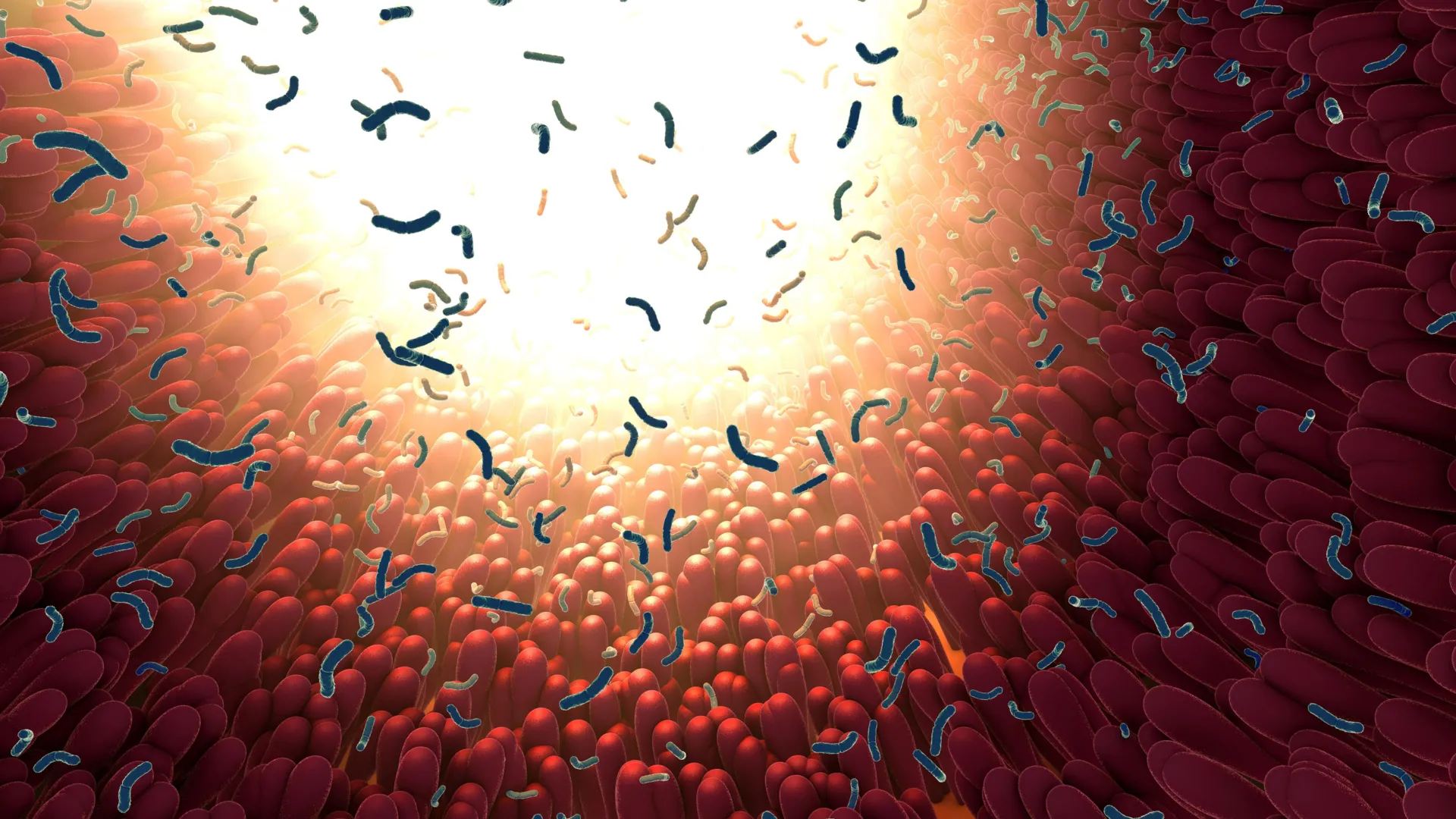
In mouse experiments at Princeton, researchers followed labeled proteins through the gut and found that what gut bacteria eat can shape the chemicals they make. The work points to a role for plant foods beyond their familiar fiber content: some plant proteins that resist digestion may help steer microbes toward a healthier chemical balance.
A diverse gut microbiome—the community of microorganisms living in the intestines—helps break down parts of food the human body cannot digest on its own. Fiber is a well-known source of fuel for these microbes. But scientists are still working out how the many substances in plants interact with gut bacteria, and why plant-rich diets are linked with benefits for digestion, immunity, metabolism and heart health.
Two studies led by Jenna AbuSalim and Joshua Rabinowitz, director of the Princeton Branch of the Ludwig Institute for Cancer Research, add clues. A study published in the Proceedings of the National Academy of Sciences examined phenol metabolites: chemicals made when bacteria process the amino acids tyrosine and phenylalanine, which are building blocks of proteins.
The researchers tracked four of these chemicals. Phenylpropionate and hippuric acid, made from phenylalanine, are associated with healthy body weight and better gut health. By contrast, p-cresol sulfate and phenol sulfate, made from tyrosine, have been linked to worse outcomes in cancer patients and harmful effects in people with kidney disease. The team found that plant fiber and certain indigestible plant proteins shifted the balance toward the phenylalanine-derived compounds.
AbuSalim and colleagues call those proteins “proteins imitating fiber,” or Prif. They pass through digestion without being fully broken down, reaching the gut microbes as material for them to use. The findings suggest that these proteins work alongside fiber, affecting which microbes thrive and what chemicals they produce. That means the way a plant food affects the gut may depend not only on its fiber, vitamins and minerals, but also on how much of its protein escapes digestion.
The Princeton team also used stable, non-radioactive isotope labels in proteins to track their path through the digestive systems of mice. The source account describes this approach as a way to see where proteins travel and how they are processed. It introduces the question of whether bacteria short on fiber may use the gut’s protective mucus as another source of material, but does not provide the study’s results on that point. The findings reported here therefore offer a lead about diet and microbial chemistry, rather than a complete answer about mucus or human health.
A second study, published in Nature Metabolism in June, challenges the longstanding view that many important chemicals circulating in the body come only from gut microbes. Together, the studies underline how much researchers still need to learn about where the body’s chemicals come from and how food shapes them. Rabinowitz said diet may offer a way to influence the microbiome and its outputs, while stressing that effective treatments will require a clearer understanding of which parts of food control which microbial products. For now, the research gives scientists a more detailed reason to look at plant proteins as well as fiber when studying how food affects the gut.