Latest News
Positive stories from around the world · Good news by country
Showing 1273–1296 of 37347 articles

Grand Canyon’s South Rim hotels to reopen as park eases water restrictions
Grand Canyon National Park in Arizona is easing water restrictions. This means hotels on the South Rim can again host overnight guests. The famous El Tovar Hotel and several other lodges will reopen Friday. The park restored water service after severe flooding in late August.

Researchers compare AI tools for analyzing tumor tissue
Researchers from Skoltech, the University of Sharjah and Tokai University published a free, open-access review. It looks at how computer vision, a type of AI that reads images, can study tissue samples. The review covers lung, breast, colorectal and prostate cancers. The goal is to help doctors find and understand tumors more clearly.

An mRNA booster for cellular immunotherapy shows potential against aggressive brain tumors
German researchers at the German Cancer Research Center and University Medical Center Mannheim developed a new way to aim immune cells at glioblastoma, a fast-growing brain tumor. They used a targeted mRNA vaccine, the same kind of technology used in some COVID-19 shots, to boost these therapeutic immune cells. In experiments with models, the vaccine significantly increased how strongly the cells fought the tumor. The results were published in the journal Cancer Research.

Stem cell–derived nanoparticles modulate immune cells and help delay type 1 diabetes in mice
Type 1 diabetes happens when the immune system attacks the cells that make insulin. Insulin shots help, but they do not stop that attack. Researchers built tiny particles from stem cells that calm immune cells. In mice, these particles helped delay the disease.
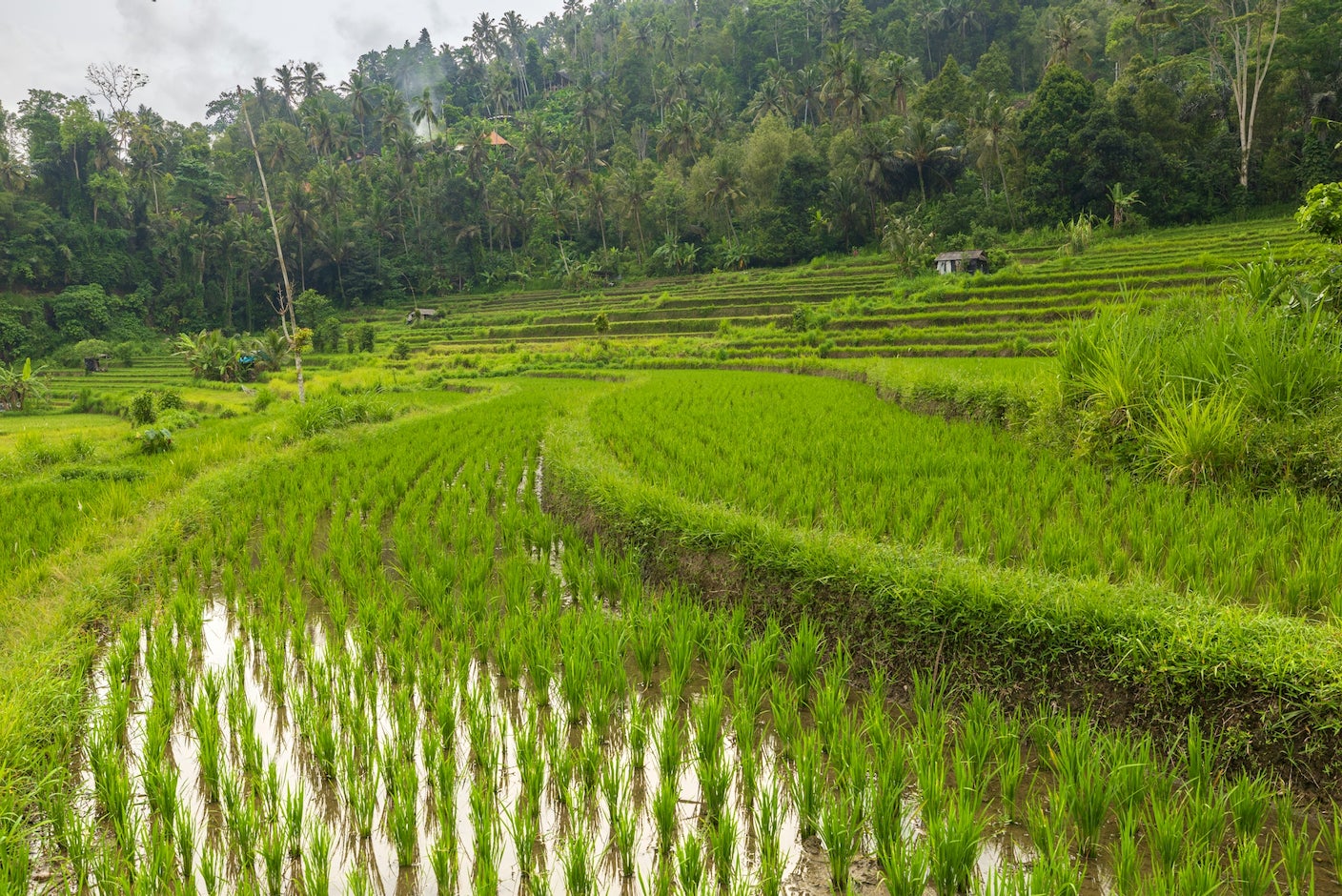
Scientists Use AI-Designed CRISPR to Make Disease-Resistant Rice
Bacterial blight can cut rice harvests by up to 50 percent. Researchers at the University of Missouri used a freely available AI-designed gene editor, OpenCRISPR-1, to switch off the genes the disease needs. The edits worked in 90 percent of cases or more, and they passed to the next plant generation. The work could lead to rice that resists blight and is cheaper for farmers to grow.

Bolivia's Madidi National Park shelters 99 bat species, including 7 new to the country
A new study confirmed 100 bat types in Madidi National Park, in northwestern Bolivia. Of these, 99 are recognized species, and one may be completely new to science. The park is home to 68% of all bat species known from Bolivia. Seven of the species are new to the country.

Making diversity count: New paper highlights overlooked scientists in the chemical sciences curriculum
A new paper by James Wilton-Ely, Ravi Singh and their team looks at chemistry classes. It argues that teachers should include more scientists from minority backgrounds in their lessons. The authors say this can help fix the lack of diversity in chemical sciences education.

Lab-grown mini-guts offer a new way to study how the gut renews itself
Researchers created an expandable line of intestinal support cells. These cells help miniature gut tissues grow in the lab without added growth factors, which are costly chemical signals. Cells like these are usually scarce and hard to grow. Now the team can use them again and again to study how the gut repairs and renews itself.

Empire State Building Goes Gold for Voyager
The Empire State Building in New York was lit up in gold on November 17, 2026. The color honored NASA's Voyager 1 spacecraft, which was about to pass one light-day away from Earth. No other human-made object has traveled that far. Gold stands for the Golden Record on Voyager, which holds sounds and images showing life and culture on Earth.

Self-adjusting EEG helmet enables easy and reliable brainwave monitoring
Researchers have developed a self-adjusting EEG helmet, a cap that measures brainwaves. It checks how well its sensors touch the scalp in real time. When contact slips, it moves the sensors to keep readings steady. This helps reduce errors caused by different head shapes and hair, which could help doctors, rehabilitation teams, and brain-computer interface users.
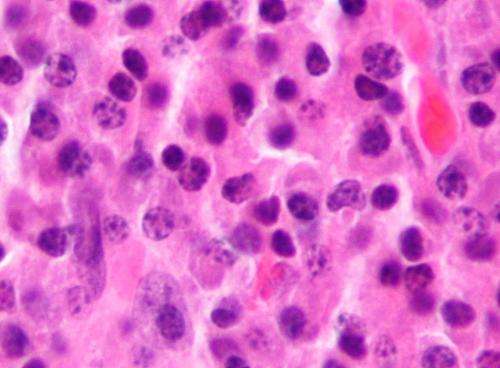
Dual-targeted CAR T-cell therapy shows promise in patients with treatment-resistant multiple myeloma
Researchers at the Mass General Brigham Cancer Institute tested a new cell therapy called TriPRIL. CAR T-cell therapy uses a patient's own immune cells, changed in a lab, to fight cancer. TriPRIL targets two proteins on myeloma cells instead of one. In a first-in-human study, it reduced or erased signs of cancer in 12 of 15 patients whose myeloma had returned or stopped responding to treatment. The results were published in The Lancet.
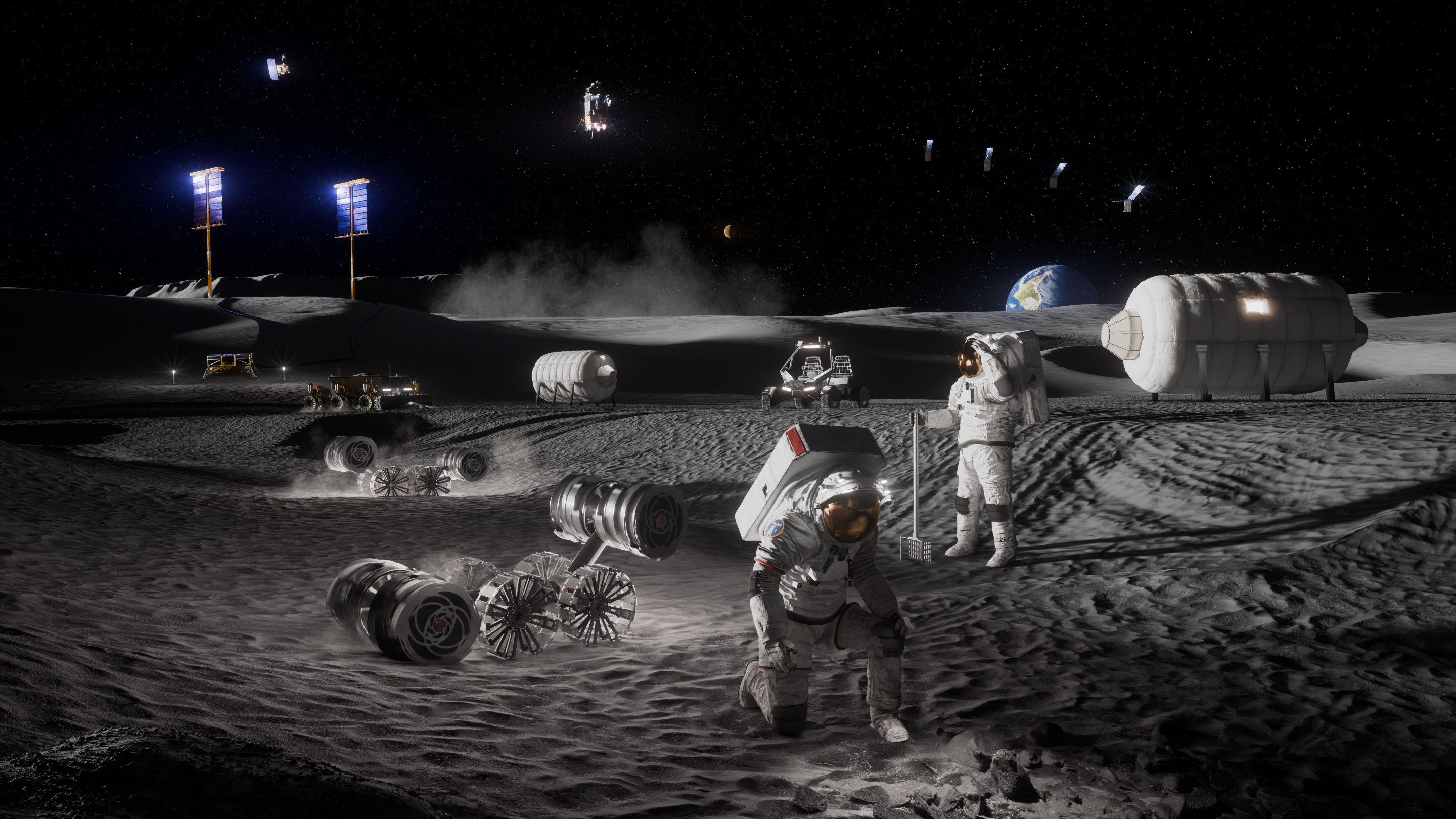
What Is the Moon Base?
NASA plans to return astronauts to the Moon and stay longer this time. The Moon Base will be built near the lunar South Pole, where some craters hold frozen water ice. It will be built in three phases, starting with robot missions now. Rovers like VIPER and PROMISE will search for water and other resources.
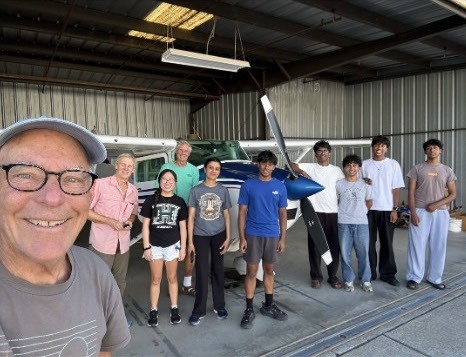
Thank You for Doing NASA Science!
NASA thanked its citizen science volunteers during Thanksgiving. Volunteers collect data, analyze it, write code, and help write papers. One group of high school students helped publish a study on eye damage in mice sent to the International Space Station. Scientists also thanked volunteers who track clouds, wildlife cameras, and Moon images.

Miniaturization found at the origin of amphibians opens new ecological territory
Living amphibians include frogs, salamanders and caecilians, with more than 9,000 species. On average, they are the smallest four-limbed animals with backbones. Some Brachycephalus toads are less than 7 millimeters long. Their ancient relatives, called temnospondyls, were large water predators that measured 1 to 5 meters.

Two studies in US veterans find updated COVID vaccines protect against severe illness
Two new studies looked at more than 1 million U.S. veterans. They found that updated COVID-19 vaccines still protect people against severe illness. The findings suggest that getting the latest shot remains worthwhile.

How old is that puggle? Scientists develop first X-ray aging guide for echidnas
Researchers at Murdoch University and Taronga Zoo in Sydney built the first X-ray guide for aging short-beaked echidnas. The guide uses how bones grow, from hatching to early adulthood. Vets and zookeepers can now estimate an echidna's age from a routine X-ray. The study was published in Royal Society Open Science.
Rees-Zammit: From beating All Blacks to meeting Man Utd heroes
Wales beat New Zealand 35-28, ending a losing streak of 73 years against the All Blacks. Winger Louis Rees-Zammit scored in the match. He later met his Manchester United heroes, Bruno Fernandes and Diogo Dalot, at Cardiff City Stadium. Wales next play Australia in Cardiff.

Study explores potential antiviral treatment approach for long COVID
A new UK feasibility study tested a five-day intravenous antiviral treatment for long COVID. The study found the treatment was safe and could be delivered, and the assessments could be completed. Most participants reported less fatigue, better quality of life, and longer distances in a timed walking test. The researchers now call for a larger trial to test whether the treatment really works.
Prem opens registration for expansion to 12 teams
Prem Rugby, England's top rugby union league, has opened registration for clubs that want to join. The aim is to grow from 10 teams to 12 by the 2029-30 season. Bids will be judged on money, investment potential, facilities and where the club is based.

Dental compound K21 boosts human immune cells' bacteria-fighting ability in lab tests
Researchers at Rutgers University in the United States tested K21, a compound dentists already use to clean cavities. In lab tests, human immune cells treated with K21 cleared bacteria more effectively. The compound also sped up wound healing in earlier studies in mice and rabbits. Scientists hope it could one day help patients whose wounds will not heal.

Engineered nanosyringes open a new route into plant cells
Caltech researchers changed tiny bacterial syringes so they can find plant cells and inject proteins into them. These proteins are molecular tools that can rearrange DNA. The system worked in leaf cells of two lab plants, Arabidopsis and Nicotiana benthamiana. The team hopes it will one day help improve crops.

Bhutan wins $1.3m Earthshot Prize for maintaining 70% forest cover
Bhutan won 1 million pounds, about $1.3 million, from the Earthshot Prize. The Himalayan kingdom keeps nearly 70% of its land covered in forest, above its legal minimum of 60%. Its forests protect fresh water for 1.6 billion people downstream. The prize money will help restore 50,000 hectares of land by 2030.

DNA reveals the secret lives of Hawaiʻi's aeʻo (Hawaiian stilt)
Researchers studied the aeʻo, a long-legged bird also called the Hawaiian stilt, on Molokaʻi. They watched birds for ten years and tested DNA from 91 birds. The bird was recently moved from endangered to threatened at the federal level. Scientists say the findings will help choose where to restore wetlands.

How cancer cells protect themselves from a toxin they produce
Cancer cells make a harmful chemical called formaldehyde as they grow. Researchers at the Josep Carreras Leukaemia Research Institute found a protein, NRF2, that helps cells cope with it. It does this by taking in more cystine, which keeps a key protective molecule called glutathione free. Drugs that block both defenses killed leukemia cells and several solid tumor cell types in the lab. The team now wants to test whether this could become a safe treatment.